 Home

- Basic Chemical Product
- Beverage & Tobacco
- Fabricated Metal Product
- Food Manufacturing
- Furniture & Other Manufacturing
- Machinery & Equipment
- Non Metal Mineral Product
- Petrol & Coal Product
- Polymer and Rubber
- Primary Metal Product
- Printing
- Pulp & Paper Product
- Textile, Clothing & Footwear
- Transport Equipment
- Wood Product

Basic Chemical Product
Industrial Gas
Navigating the Future: The Australian Industrial Gas Sector in 2026
Introduction Industrial gases—such as oxygen, nitrogen, argon, hydrogen, and carbon dioxide—are the invisible lifeblood of the Australian manufacturing sector. They are essential for everything from welding and metal fabrication to food packaging, medical therapies, and advanced manufacturing. However, operating an industrial gas business in Australia in 2026 presents a unique set of headwinds. Positioned squarely at the intersection of heavy industry, energy markets, and complex logistics, the sector must navigate a rapidly transitioning economy.
Here is an outline of the primary challenges facing the Australian industrial gas sector in 2026, alongside the technological and strategic solutions that can help businesses thrive.
Part 1: Key Issues and Challenges in 2026
1. Energy Costs and Grid Volatility The production of industrial gases—particularly through Air Separation Units (ASUs) and electrolysis—is extraordinarily energy-intensive. In 2026, the Australian energy grid is in a state of rapid transition. While renewable energy capacity has increased, the phase-out of baseload coal plants has led to periods of price volatility and grid instability. For a manufacturer that requires 24/7 power, unpredictable energy costs directly threaten profit margins.
2. Stringent Decarbonization Regulations The Australian Government’s push toward Net Zero by 2050 has led to tightened legislative frameworks, most notably the strengthened Safeguard Mechanism. Industrial gas producers are under intense pressure to reduce their Scope 1 and Scope 2 emissions. Simultaneously, traditional processes used to create gases like hydrogen and CO2 are naturally carbon-heavy. Transitioning to "green" production methods requires massive capital expenditure.
3. The "Tyranny of Distance" and Supply Chain Vulnerabilities Australia’s vast geography makes the distribution of industrial gases heavily reliant on complex logistics. Transporting highly pressurized or cryogenic (super-cooled) liquids across thousands of kilometers is dangerous, expensive, and carbon-intensive. Furthermore, persistent global supply chain friction in 2026 continues to impact the import of specialized equipment, cylinders, and rare gases (like helium or neon) required by the local market.
4. Shifting Demand Profiles The nature of Australian manufacturing is changing. Traditional heavy manufacturing is evolving, while advanced manufacturing (such as aerospace, medical tech, and green steel) is growing. Gas businesses are being forced to adapt their product mixes quickly, moving from supplying bulk standard gases to providing highly purified, specialty gas blends.
5. Chronic Skills Shortages The sector faces a tight labor market. There is a persistent shortage of chemical engineers, cryogenic technicians, and heavy rigid (HR) drivers licensed to transport dangerous goods. The aging workforce in traditional manufacturing further exacerbates this gap.
Part 2: Technological and Strategic Solutions
To survive and thrive in 2026, industrial gas businesses must leverage a combination of digital transformation, new engineering technologies, and modern business models.
1. AI-Driven Energy Management and Smart Grids
- The Solution: Industrial gas plants can act as "flexible loads" on the energy grid. By utilizing Artificial Intelligence (AI) and predictive analytics, businesses can forecast energy market prices in real-time.
- How it works: AI can automatically ramp up energy-intensive production processes (like air separation) when renewable energy is abundant and cheap (e.g., midday solar peaks) and scale back during expensive evening peaks. Storing the liquefied gas in insulated tanks acts effectively as a form of "thermal battery," buffering against energy volatility.
2. Decentralized On-Site Generation
- The Solution: Moving away from massive, centralized production plants toward modular, on-site generation at the customer’s location.
- How it works: Innovations in membrane technology and compact Vacuum Swing Adsorption (VSA) plants allow gas companies to install small-scale nitrogen or oxygen generators directly inside a client's factory. This completely eliminates the logistical costs, transport emissions, and safety risks associated with trucking cylinders across Australia.
3. IoT and the Digitized Supply Chain
- The Solution: The Internet of Things (IoT) applied to physical assets.
- How it works: Every gas cylinder and bulk tank can be fitted with smart telemetry sensors that monitor pressure, volume, and location in real time. This allows the gas provider to optimize delivery routes using machine learning, ensuring trucks are only dispatched when necessary. It also prevents stock-outs for critical manufacturing clients and reduces the problem of "lost" cylinders, saving millions in capital costs.
4. Transitioning to Green and Blue Hydrogen
- The Solution: Embracing new production technologies to meet decarbonization goals and supply the growing green economy.
- How it works: For industrial gas companies, investing in industrial-scale electrolyzers (powered by renewable Power Purchase Agreements) enables the production of Green Hydrogen. Alternatively, implementing Carbon Capture, Utilization, and Storage (CCUS) technologies on existing plants creates Blue Hydrogen. Furthermore, captured CO2 can be repurposed and sold to the food and beverage industry, turning an environmental liability into a revenue stream.
5. Automation and Workforce Upskilling
- The Solution: Reducing reliance on manual labor for repetitive or dangerous tasks while investing in high-level skills.
- How it works: Automated cylinder filling facilities and robotic handling systems can dramatically reduce the need for manual labor in dangerous environments. To address the skills shortage, gas companies must partner with Australian vocational education (TAFE) and universities to sponsor apprenticeships focused on the new energy economy, such as hydrogen safety and cryogenic systems management.
Conclusion
For an industrial gas business operating in Australia in 2026, the challenges of energy transition, immense geography, and strict environmental compliance are formidable. However, by treating these challenges as catalysts for modernization, the outlook is strong. By shifting from a traditional "produce and deliver" model to becoming tech-enabled partners in energy management and on-site generation, industrial gas companies can secure their place as indispensable pillars of Australia's next generation of manufacturing.
Industrial Chemical
Here is an outline of the issues, challenges, and solutions for an Industrial Chemical manufacturing business operating in Australia in 2026.
Strategic Outline: The Australian Industrial Chemical Sector in 2026
I. Executive Summary
In 2026, the Australian Industrial Chemical manufacturing sector sits at a critical crossroads. As a foundational industry that supplies vital inputs to Australia’s mining, agriculture, and construction sectors, it remains essential. However, the landscape is defined by the dual pressures of an aggressive national energy transition and complex global supply chains. To survive and thrive, businesses must pivot from traditional, resource-heavy operations to agile, sustainable, and highly digitized models.
II. Key Issues and Challenges in 2026
A. Energy Costs and the Push for Decarbonization
- The Safeguard Mechanism: By 2026, the Australian government’s tightened emission baselines are heavily impacting large industrial emitters. Companies face financial penalties if they cannot reduce their carbon footprint.
- Energy Price Volatility: The transition of the Australian energy grid (moving away from coal to renewables) creates interim pricing volatility. Industrial chemicals require immense, consistent base-load heat and power, traditionally supplied by natural gas, which is becoming more expensive and politically sensitive.
B. Stringent Environmental and Regulatory Compliance
- Chemical Bans and Tracking: Increased scrutiny by the Australian Industrial Chemicals Introduction Scheme (AICIS) and the EPA, particularly regarding "forever chemicals" (like PFAS) and microplastics.
- Waste Management: Strict national packaging and waste mandates require chemical manufacturers to take end-to-end responsibility for how their products are packaged, transported, and disposed of.
C. Supply Chain Vulnerability
- Geopolitical Friction: Continued tensions in the Indo-Pacific region complicate the import of essential raw materials and specialized catalysts.
- Freight and Logistics: Australia’s geographic isolation continues to mean higher-than-average shipping costs and longer lead times for both imports and exports.
D. Workforce and Talent Shortages
- The Skills Gap: A critical shortage of specialized chemical engineers, regulatory compliance experts, and technicians who understand both chemistry and modern software (data scientists).
- Aging Workforce: A large portion of experienced plant operators are reaching retirement age, taking decades of "tribal knowledge" with them.
E. Capital Constraints for Modernization
- High Cost of Capital: Upgrading legacy manufacturing plants to meet new environmental standards requires massive capital expenditure in an economic environment where borrowing costs remain elevated.
III. Technological Solutions
A. Industry 4.0 and Advanced Analytics
- Digital Twins: Creating virtual replicas of chemical plants allows businesses to simulate changes in production, optimize yields, and reduce energy consumption without interrupting actual operations.
- AI-Driven Predictive Maintenance: Using IoT (Internet of Things) sensors on pipes, valves, and reactors to predict equipment failures before they happen, minimizing costly unplanned downtime and preventing hazardous leaks.
B. Green Tech and Alternative Energy
- Electrification of Heat: Transitioning from gas-fired boilers to industrial-scale electric heat pumps or microwave heating technologies powered by renewable energy.
- Green Hydrogen Integration: As Australia’s green hydrogen infrastructure matures by 2026, chemical plants (particularly those producing ammonia or fertilizers) can blend or switch to green hydrogen as both a fuel source and a chemical feedstock.
- Carbon Capture and Utilization (CCU): Capturing emissions directly from the smokestack and converting them into useable industrial products (like synthetic fuels or building materials) rather than simply storing them.
C. Supply Chain and Traceability Technology
- Blockchain and Advanced ERPs: Utilizing decentralized ledgers to provide immutable proof of product origin, carbon footprint, and safety standards to clients and regulators.
- AI Supply Chain Forecasting: Using predictive AI to analyze global weather, geopolitical events, and market trends to automatically adjust inventory levels and reorder raw materials ahead of shortages.
D. Automation and Robotics
- Automated Material Handling: Using Automated Guided Vehicles (AGVs) for the safe transport of hazardous materials across the facility.
- Inspection Drones: Utilizing drones equipped with thermal and gas-leak sensors to inspect high-risk areas (like towering silos or confined spaces), drastically improving worker safety.
IV. Strategic and Non-Technological Solutions
A. Adopting a Circular Economy Model
- Waste-to-Feedstock Initiatives: Partnering with other local industries (like agriculture or waste management) to use their organic waste as raw inputs for chemical production, reducing reliance on imported raw materials.
- Product-as-a-Service: Instead of selling a chemical (e.g., an industrial solvent) and leaving disposal to the buyer, the manufacturer leases the chemical, recovers it after use, cleans it, and re-enters it into the supply chain.
B. Workforce Development and Education Partnerships
- CSIRO and University Collaborations: Partnering with Australian universities to co-fund research and secure a pipeline of new graduate talent tailored to specific manufacturing needs.
- Internal Upskilling: Transitioning existing traditional plant workers into digital operators through targeted micro-credentialing programs.
C. Leveraging Government Support
- Grant Utilization: Actively pursuing funding from the National Reconstruction Fund (NRF) and the Australian Renewable Energy Agency (ARENA), which have specific mandates to co-invest in local, value-adding, and green manufacturing.
D. Onshoring and Nearshoring Alliances
- Local Supply Hubs: Forming cooperative alliances with other Australian manufacturers to bulk-buy raw materials or share logistics networks, increasing domestic resilience and reducing freight costs.
V. Conclusion
For an Australian Industrial Chemical manufacturer in 2026, the phrase "business as usual" is no longer viable. The challenges of decarbonization, stringent regulations, and global supply chain instability are formidable. However, by strategically deploying technological solutions—such as AI-driven process optimization, green energy integration, and automation—coupled with smart circular business models, a chemical manufacturer cannot only survive the current economic transition but position itself as a sustainable, premium supplier in the Asia-Pacific region.
Synthetic Resin
Navigating the Future: Challenges and Solutions for Australian Synthetic Resin Manufacturing in 2026
Introduction In 2026, the Australian manufacturing sector is operating in a landscape defined by rapid technological advancement, stringent environmental mandates, and complex global supply chains. For businesses in the Synthetic Resin category—producing the foundational materials for plastics, adhesives, coatings, and composites—this era presents a unique set of headwinds. However, by leveraging emerging technologies and strategic operational shifts, resin manufacturers can transform these challenges into opportunities for growth and resilience.
Below is an outline of the primary challenges facing synthetic resin manufacturers in Australia in 2026, followed by the technological and strategic solutions available to overcome them.
Part 1: Key Issues and Challenges in 2026
1. Environmental Regulations and the Circular Economy
By 2026, Australia’s push toward net-zero emissions and a circular economy has intensified. The federal Safeguard Mechanism places strict emission limits on heavy industrial facilities. Furthermore, consumer and regulatory backlash against single-use and non-recyclable plastics has trickled up the supply chain. Resin manufacturers face immense pressure to prove the end-of-life viability of their products and to reduce the carbon footprint of their highly energy-intensive chemical processes.
2. Supply Chain Vulnerability and Input Costs
Synthetic resin production has traditionally relied heavily on petrochemical feedstocks (derivatives of crude oil and natural gas). In 2026, geopolitical fragmentation and fluctuating global energy markets make relying on imported raw materials highly volatile. Freight costs, shipping delays, and the "tyranny of distance" continue to challenge Australian manufacturers, compressing profit margins.
3. Surging Energy Costs
Resin manufacturing—particularly processes involving polymerization and distillation—requires massive amounts of heat and electricity. While Australia is transitioning to renewable energy, the grid in 2026 is still navigating integration challenges, leading to periods of high industrial energy costs and potential instability.
4. The Skills Crisis and High Labor Costs
Australia continues to experience a structural shortage of specialized STEM talent, particularly chemical engineers, process technicians, and data scientists. Coupled with historically high labor costs, it is difficult for domestic resin manufacturers to compete on price with imported resins from regions with lower labor and operational expenses.
5. Fierce Import Competition
Without the economies of scale enjoyed by massive mega-plants in Asia and the Middle East, Australian manufacturers struggle to compete on high-volume, commodity-grade resins. The challenge is justifying domestic production in a flooded global market.
Part 2: Technological and Strategic Solutions
To survive and thrive in 2026, Australian synthetic resin manufacturers cannot rely on "business as usual." They must pivot from competing on high-volume, low-cost commodity plastics to high-value, sustainable, and technologically advanced production.
1. Green Chemistry and Advanced Materials
- Bio-based Resins: To decouple from volatile petrochemicals and meet ESG (Environmental, Social, and Governance) targets, manufacturers can invest in synthesizing resins from renewable biomass (e.g., agricultural waste, plant oils).
- Chemical Recycling Technologies: Instead of making virgin resin from scratch, tech-enabled depolymerization allows manufacturers to break down plastic waste into its base monomers, and rebuild them into "new" synthetic resins. This transforms waste into a domestic feedstock, solving both supply chain and environmental challenges.
2. Industry 4.0 and "Smart" Manufacturing
- Artificial Intelligence (AI) and Machine Learning: AI can be used to optimize chemical recipes in real-time. Algorithms can adjust variables like temperature and pressure to maximize yield and minimize chemical waste, driving down input costs.
- Digital Twins: Creating a virtual replica of the manufacturing plant allows operators to simulate changes to the production line safely. This helps in scaling up new bio-resin formulas without risking expensive physical downtime.
- Predictive Maintenance: IoT (Internet of Things) sensors installed on reactors, pipes, and valves can predict equipment failures before they happen, reducing costly unplanned shutdowns.
3. Energy Transition Technologies
- Industrial Electrification: Transitioning from gas-fired boilers to high-efficiency industrial heat pumps and electric thermal batteries. When powered by onsite solar or localized renewable grids, this drastically cuts both energy costs and carbon emissions, helping companies comply with the Safeguard Mechanism.
- Energy Management Systems (EMS): AI-driven EMS can automate energy purchasing, ramping up production when renewable grid energy is cheap and abundant, and scaling back during peak price events.
4. Supply Chain Digitization
- Blockchain and Traceability: Consumers and B2B clients demand to know exactly what is in their products. Blockchain technology can track the provenance of raw materials from origin to final resin, providing verifiable proof of sustainable or recycled content, allowing the business to charge a premium.
- Predictive AI in Supply Chain: Advanced forecasting software can anticipate global supply chain bottlenecks by analyzing geopolitical news, weather patterns, and shipping data, allowing businesses to pivot suppliers proactively.
5. Workforce Augmentation
- Robotics and Cobots: Automating the physical handling of raw materials, bagging, and logistics reduces the reliance on manual labor, mitigates safety risks associated with hazardous chemicals, and offsets high Australian wage costs.
- AR/VR for Training and Maintenance: Augmented Reality (AR) headsets can guide less-experienced workers through complex maintenance or operational tasks by overlaying digital instructions onto physical equipment. This helps bridge the skills gap by allowing senior experts to guide junior staff remotely.
Conclusion
For an Australian synthetic resin business in 2026, the path to profitability lies in moving away from the mass production of cheap petrochemical plastics. By embracing green chemistry (bio-resins and chemical recycling) and smart manufacturing technologies (AI, Digital Twins, and advanced energy management), manufacturers can transform regulatory burdens and supply chain vulnerabilities into competitive advantages. The future belongs to businesses that offer high-tech, low-carbon, and highly traceable materials to the domestic and global markets.
Other Polymer Products
Here is a comprehensive outline and discussion of the issues, challenges, and solutions facing a business in the "Other Polymer Products" manufacturing sector in Australia in 2026.
(Note: "Other Polymer Products" typically includes specialized plastic and polymer goods outside of basic packaging or resins—such as automotive components, construction materials, medical devices, advanced composites, and industrial parts).
Introduction: The Landscape in 2026
By 2026, the Australian manufacturing sector is operating at the intersection of a localized manufacturing revival and intense environmental scrutiny. For manufacturers of "Other Polymer Products," the landscape is defined by the push for a circular economy, volatile global supply chains, and the transition toward Net Zero emissions. To survive and thrive, businesses must balance high operational costs with the demand for smarter, greener products.
Part 1: Outline of Key Issues and Challenges
1. Environmental and Regulatory Pressures
- Aggressive Circular Economy Mandates: The Australian government’s National Plastics Plan and state-level EPA regulations have moved from voluntary targets to strict mandates regarding recycled content and end-of-life product management.
- The Phase-Out of Harmful Additives: Tighter regulations around "forever chemicals" (PFAS) and certain plasticizers mean manufacturers must reformulate long-standing product lines.
- Carbon Emissions Penalties: With Australia’s commitment to emission reductions, energy-intensive polymer extrusion and molding processes face higher carbon compliance costs.
2. Supply Chain and Economic Vulnerabilities
- Raw Material Price Volatility: Australia remains heavily reliant on imported raw petrochemicals and specialized resins. Geopolitical tensions and shifting oil prices lead to unpredictable raw material costs.
- High Domestic Energy Costs: Polymer manufacturing requires immense amounts of heat and mechanical power. Fluctuating electricity and natural gas prices on the East Coast put heavy pressure on profit margins.
- Fierce Competition from Imports: Competing against low-cost polymer products from Southeast Asia requires Australian manufacturers to justify higher prices through superior quality or niche specialization.
3. Workforce and Skills Deficit
- Aging Workforce: A significant portion of highly experienced floor managers and technicians are reaching retirement age.
- The Industry 4.0 Skills Gap: There is a severe shortage of workers who understand both traditional polymer science and modern data analytics, robotics, and automated systems.
4. Changing Market Expectations
- B2B ESG Requirements: Corporate clients (in construction, automotive, and healthcare) now require detailed Environmental, Social, and Governance (ESG) reporting from their suppliers, including precise carbon footprints for every polymer component purchased.
Part 2: Technology and Strategic Solutions
To overcome these hurdles in 2026, polymer manufacturers must lean heavily into advanced technologies, novel materials, and modernized business strategies.
1. Technological Solutions (Industry 4.0 & Smart Manufacturing)
- IoT Sensors and Energy Analytics: By retrofitting legacy injection-molding and extrusion machines with Internet of Things (IoT) sensors, businesses can monitor energy consumption in real-time. Software can identify inefficiencies, allowing plants to run energy-heavy processes during off-peak grid hours to slash electricity bills.
- AI-Driven Quality Control: Machine learning algorithms linked to high-speed cameras can detect micro-fractures, structural weaknesses, or color inconsistencies in polymer products instantly. This reduces scrap waste, saves raw material, and ensures high-quality output.
- Digital Twins and 3D Printing (Additive Manufacturing): Before committing to expensive steel molds for a new product, businesses can create a "digital twin" (a virtual replica) to test structural integrity, and then use industrial 3D printing for rapid prototyping. Additive manufacturing also allows businesses to take on highly profitable, low-volume custom orders (e.g., specialized medical polymer parts) that overseas mass-producers won't touch.
- Blockchain for Supply Chain Traceability: To satisfy B2B clients and government regulators, blockchain technology can securely trace a polymer product's lifecycle. It can irrefutably prove what percentage of a product is made from post-consumer recycled (PCR) plastics.
2. Material Science Innovations
- Advanced Bio-Polymers: Transitioning away from purely petrochemical-based plastics to advanced bio-polymers (derived from agricultural waste, algae, or polylactic acid). In 2026, these materials are becoming durable enough for industrial and construction applications, allowing businesses to bypass fossil-fuel volatility and appeal to green markets.
- Incorporating Chemical Recycling Resins: Unlike traditional mechanical recycling (which degrades plastic quality), chemical recycling breaks plastics down to their molecular base. Using resins from chemically recycled sources allows manufacturers to produce "virgin-quality" specialized products while still meeting strict recycled-content mandates.
3. Strategic and "Other" Solutions
- Behind-the-Meter Renewable Energy: To combat high energy costs, manufacturers can invest in massive on-site industrial solar arrays paired with commercial battery storage, or enter into Power Purchase Agreements (PPAs) with wind/solar farms to lock in low, predictable energy rates over a 10-year period.
- Product-as-a-Service / Take-Back Programs: Moving toward a circular business model. Instead of just selling industrial polymer pallets or construction forms, a business can lease them and institute a "take-back" scheme. When the product reaches the end of its life, the manufacturer takes it back, grinds it down, and remanufactures it—securing their own supply chain of raw materials.
- Targeted Upskilling and Gamified Training: To bridge the skills gap, manufacturers can use Augmented Reality (AR) headsets to train younger workers. An operator wearing an AR headset can see step-by-step digital instructions overlaid onto a physical machine, drastically reducing the time it takes to train new staff.
Conclusion
For an Australian "Other Polymer Products" manufacturer in 2026, "business as usual" is no longer viable. The combination of strict environmental targets, high energy costs, and global competition presents a daunting landscape. However, by adopting smart factory technologies to drive down operational costs, embracing next-generation polymer science, and shifting to circular business models, these businesses can build a highly resilient, profitable, and future-proof operation.
Fertiliser & Pesticide
Navigating the Future: The Australian Fertiliser & Pesticide Manufacturing Sector in 2026
As we move through 2026, the Australian fertiliser and pesticide manufacturing sector finds itself at a critical crossroads. As a cornerstone of Australia’s $90+ billion agricultural industry, the sector is vital for domestic food security and export success. However, manufacturers are currently facing a complex web of economic, environmental, and geopolitical pressures.
Here is an outline of the primary issues and challenges facing the industry in 2026, followed by the technological and strategic solutions that can help businesses adapt and thrive.
Part 1: Key Issues and Challenges in 2026
1. Supply Chain Vulnerability and Geopolitical Instability
Historically, Australia has imported a vast majority of the raw materials required for agrochemical manufacturing (such as urea, phosphates, and potash). In 2026, ongoing global geopolitical fragmentation, shifting trade routes, and protectionist policies in major exporting nations continue to cause severe price volatility and supply shortages for domestic manufacturers.
2. High Energy and Input Costs
The manufacturing of synthetic fertilisers—particularly nitrogen-based products—is highly energy-intensive. Despite ongoing transitions in the Australian energy grid, manufacturers are grappling with fluctuating domestic gas prices and high electricity costs, which squeeze profit margins and make it difficult to compete with cheaper, fully imported finished products.
3. Strict Environmental and Regulatory Pressures
The regulatory landscape governed by the APVMA (Australian Pesticides and Veterinary Medicines Authority) and state EPAs is tighter than ever.
- Chemical Phase-Outs: There is increased scrutiny and phasing out of certain broad-spectrum active ingredients due to toxicity and chemical resistance in pests.
- Runoff Concerns: Scrutiny over nutrient runoff affecting fragile ecosystems, particularly the Great Barrier Reef and inland river systems, is forcing manufacturers to justify the environmental impact of their traditional products.
- Emissions Targets: Manufacturers are under heavy pressure from both the government and corporate investors to reduce their Scope 1, 2, and 3 carbon emissions to meet Australia's net-zero targets.
4. Climate Extremes and Unpredictable Demand
The increasing frequency of severe weather events (prolonged droughts followed by intense flooding) makes demand forecasting incredibly difficult. In drought years, farmers drastically reduce fertiliser applications; in flood years, crops are wiped out, and applied chemicals are washed away. This unpredictability creates severe inventory and cash-flow challenges for manufacturers.
5. The Rise of Regenerative Agriculture
There is a growing, consumer-driven push toward regenerative agriculture and organic farming. Farmers are increasingly focused on soil health and biology rather than pure chemical intervention. This shift threatens the market share of traditional synthetic fertilisers and harsh chemical pesticides.
Part 2: Technology and Strategic Solutions
To survive and thrive in 2026, fertiliser and pesticide manufacturers must transition from being "chemical producers" to "agronomic solution providers." Technology and strategic innovation are key to this pivot.
1. Green Ammonia and Renewable Manufacturing
To combat high gas prices and meet emissions targets, manufacturers are investing in Green Hydrogen and Green Ammonia technologies. By using solar and wind energy to power electrolysis (separating hydrogen from water) rather than relying on natural gas, manufacturers can produce nitrogen fertilisers with a near-zero carbon footprint. While historically expensive, these technologies are reaching commercial viability in 2026, helped by government grants and the falling cost of renewables.
2. The Shift to Biologicals (Bio-fertilisers and Bio-pesticides)
To address the rise of regenerative agriculture and strict regulations, forward-thinking manufacturers are expanding their portfolios to include biologicals.
- Bio-fertilisers: Utilizing beneficial microbes, fungi (like mycorrhizae), and seaweed extracts that help plants naturally fix nitrogen and absorb phosphorus from the soil.
- Bio-pesticides: Developing biopesticides derived from natural materials, such as botanical extracts or targeted bacteria (like Bacillus thuringiensis), which are safer for non-target species and face easier regulatory pathways.
3. Smart Formulation: Controlled-Release and Nano-fertilisers
To solve the issue of nutrient runoff and improve efficiency, manufacturers are utilizing advanced material sciences.
- Controlled-Release Fertilisers (CRFs): Using biodegradable polymer coatings that release nutrients slowly, matching the exact growth stage of the crop. This prevents chemicals from washing into waterways during heavy rains.
- Nano-fertilisers/Pesticides: Formulating products at the nanoscale allows for higher absorption rates by the plant. This means farmers can apply significantly less product to achieve the same yield, saving money and protecting the environment.
4. Integration with Precision AgTech
Manufacturers are no longer just making a liquid or a granule; they are designing products specifically for high-tech application methods.
- Drone-Optimized Formulas: Creating ultra-concentrated, low-drift pesticide formulations designed specifically for application by autonomous agricultural drones.
- Variable Rate Compatibility: Working alongside AgTech data platforms so that a farmer’s smart-tractor can apply the manufacturer's fertiliser drop-by-drop, only where soil sensors indicate it is needed.
5. Artificial Intelligence and Industry 4.0
Within the manufacturing plants themselves, AI and the Internet of Things (IoT) are transforming operations.
- Predictive Supply Chains: AI algorithms analyze global weather patterns, shipping routes, and local soil moisture data to accurately predict farmer demand, optimizing inventory and preventing overproduction.
- Smart Factories: IoT sensors on manufacturing equipment optimize energy use in real-time and predict machinery breakdowns before they happen, drastically reducing downtime and overhead costs.
Summary
For an Australian fertiliser and pesticide manufacturer in 2026, the era of relying solely on importing cheap raw materials to produce bulk, traditional chemicals is ending. The winning businesses are those that view challenges like climate change and supply chain disruptions as catalysts for innovation. By adopting green manufacturing processes, pivoting toward biological and highly targeted synthetic formulations, and integrating closely with farm-level AgTech, manufacturers can secure their profitability and help future-proof Australian agriculture.
Medical & Pharmaceutical Product
The Landscape of Medical & Pharmaceutical Manufacturing in Australia (2026)
In 2026, the Australian medical and pharmaceutical manufacturing sector is at a pivotal crossroads. Following the supply chain shocks of the early 2020s, there has been a strong national push for "sovereign capability"—the ability to manufacture critical health products domestically. However, operating in a high-cost economy while adhering to some of the world’s strictest health regulations presents significant hurdles.
Here is an outline of the primary issues and challenges facing this sector in 2026, alongside the technological and strategic solutions that can help businesses thrive.
Part 1: Key Issues and Challenges in 2026
1. Supply Chain Vulnerabilities and Cost Inputs
Despite pushes for local manufacturing, Australian pharma and medical device companies still rely heavily on imported raw materials, particularly Active Pharmaceutical Ingredients (APIs) and specialized electronic components. Geopolitical tensions and global shipping bottlenecks in 2026 continue to make these inputs expensive and volatile. Additionally, Australia’s high labor, energy, and real estate costs make it difficult to compete on price with massive manufacturing hubs in Asia.
2. Evolving and Stringent Regulatory Compliance
The Therapeutic Goods Administration (TGA) maintains world-class safety standards, which is excellent for consumer trust but demanding for manufacturers. In 2026, regulations around cybersecurity for connected medical devices (like smart pacemakers), data privacy, and real-time quality assurance are stricter than ever. Staying compliant requires massive administrative overhead and leaves zero room for error on the factory floor.
3. The Shift to Personalized and Precision Medicine
The era of the "blockbuster drug" (mass-producing millions of identical pills) is giving way to precision medicine, such as customized cell and gene therapies or patient-specific 3D-printed medical implants. Traditional manufacturing facilities are built for large, uniform batches. Adapting to small, highly complex, and personalized batches disrupts traditional economies of scale.
4. The Acute Skilled Labor Shortage
Manufacturing modern medical products requires highly specialized talent. There is an acute shortage of bioprocess engineers, quality assurance (QA) technologists, regulatory affairs specialists, and industrial data scientists. Aging workforces and a highly competitive global talent market make recruitment and retention a major bottleneck.
5. Strict ESG (Environmental, Social, and Governance) Mandates
By 2026, both government policies and investor demands require stringent environmental reporting. Pharmaceutical manufacturing is traditionally resource-intensive, requiring massive amounts of water, energy, and single-use plastics (for sterile environments). Transitioning to "green manufacturing" while maintaining absolute sterility is a profound challenge.
Part 2: Technology and Strategic Solutions
To navigate these challenges, businesses must leverage a combination of advanced technology, smart policy, and strategic partnerships.
1. Industry 4.0 and Smart Manufacturing
- Continuous Manufacturing: Instead of traditional "batch" manufacturing, companies are moving toward continuous manufacturing processes. This reduces the physical footprint of factories, lowers energy consumption, and speeds up production.
- Digital Twins: Manufacturers can create a "digital twin"—a virtual replica of their physical factory. This allows them to simulate production runs, test for bottlenecks, and optimize factory layouts in the digital world before spending money in the real world.
- IoT & Automation: Internet of Things (IoT) sensors on manufacturing equipment provide real-time monitoring. If a machine deviates even slightly from optimal temperature or pressure, automated systems can adjust it instantly, preventing the costly loss of a whole batch of sensitive pharmaceuticals.
2. Artificial Intelligence (AI) and Machine Learning
- Quality Control (QC): AI-powered computer vision systems can inspect medical devices and pill packaging at superhuman speeds, identifying microscopic defects and ensuring total TGA compliance.
- Supply Chain Forecasting: AI algorithms can analyze global data—from weather patterns to shipping port congestion—to predict supply chain disruptions before they happen, allowing businesses to pivot and secure alternative raw materials.
3. Blockchain for Traceability and Anti-Counterfeiting
To ensure the integrity of the supply chain, blockchain technology provides an unalterable digital ledger. Every step of a drug’s journey—from the sourcing of the API to the final packaging—is recorded. This ensures total transparency for TGA audits and protects the public from counterfeit medical products.
4. Flexible Manufacturing for Precision Medicine
- 3D Printing (Additive Manufacturing): For medical devices (like orthopedics) and certain pharmaceuticals, 3D printing allows for rapid, cost-effective customization. Manufacturers can print micro-batches of customized medication tailored to the specific metabolic needs of individual patients.
- Modular Facilities: Instead of massive, static factories, companies are utilizing modular "pod-based" cleanrooms. These pods can be quickly reconfigured to switch from producing one type of vaccine or therapy to another, adapting to market demand.
5. Strategic and Human Solutions
- Leveraging Government Grants: To offset high local costs, smart businesses are aggressively tapping into federal and state initiatives (such as the National Reconstruction Fund) aimed at securing sovereign medical manufacturing.
- University-Industry Partnerships: To solve the talent shortage, manufacturers are integrating directly with Australian universities. By creating apprenticeship programs and co-designing curricula, they ensure a steady pipeline of graduates trained on the exact machinery used in their factories.
- Green Chemistry: To meet ESG goals, companies are investing in "green chemistry"—designing chemical processes that reduce or eliminate the use of hazardous substances, recycling wastewater, and utilizing biodegradable, medical-grade packaging.
Summary
In 2026, an Australian medical and pharmaceutical manufacturer cannot compete globally on cheap labor or low regulatory standards. Instead, success requires leaning into Australia's reputation for premium, highly regulated, and trusted health products. By aggressively adopting AI, smart factory automation, and flexible manufacturing, businesses can turn the challenges of high costs and complex regulations into a competitive advantage, delivering the next generation of life-saving products.
Soap & Other Detergent
Navigating the Australian Soap & Detergent Manufacturing Sector in 2026
The soap and detergent manufacturing sector is a cornerstone of the Australian economy, supplying essential goods for households, healthcare, and industrial cleaning. However, operating a manufacturing business in Australia in 2026 presents a unique set of hurdles. Driven by shifting economic realities, stringent environmental targets, and evolving consumer demands, the industry is undergoing a significant transition.
Here is an outline of the major challenges facing this sector in 2026, alongside the technological and strategic solutions that can help businesses not just survive, but thrive.
Part 1: Key Issues and Challenges in 2026
1. Supply Chain Volatility and Input Costs
While the massive disruptions of the early 2020s have stabilized, the cost of doing business in Australia remains high. The industry relies heavily on imported raw materials like specialty surfactants, palm oil derivatives, and synthetic fragrances. Geopolitical tensions and climate events frequently disrupt shipping lanes, leading to price spikes. Additionally, high domestic energy prices and freight costs across Australia’s vast geography squeeze profit margins.
2. The Sustainability and "Greenwashing" Crackdown
By 2026, the Australian Competition and Consumer Commission (ACCC) has heavily cracked down on "greenwashing" (making false or misleading environmental claims). Manufacturers face immense pressure to prove their products are truly eco-friendly. Furthermore, following the push toward the 2025 National Packaging Targets, there is an expectation that all packaging must be 100% reusable, recyclable, or compostable. Transitioning away from single-use virgin plastics without compromising the chemical stability of the detergents is a major technical challenge.
3. Hyper-Polarized Consumer Demand
The cost-of-living pressures of recent years have created a "barbell" consumer market. On one end, budget-conscious consumers are flocking to supermarket private labels, forcing local manufacturers into fierce price wars with cheap overseas imports. On the other end, premium consumers demand ultra-personalized, non-toxic, hypoallergenic, and ethically sourced products. Manufacturers struggle to balance cost-efficiency with the agility required to serve these diverse niches.
4. Water Scarcity and Weight-Heavy Freight
Traditional liquid detergents and soaps are mostly water (often up to 80%). In an era where carbon footprints are heavily scrutinized, paying to package and transport water across Australia is becoming economically and environmentally unviable. Furthermore, Australia’s vulnerability to drought makes heavy industrial water usage a continuous ESG (Environmental, Social, and Governance) risk.
5. Labor Shortages and High Wage Costs
Australia’s manufacturing sector continuously battles a shortage of skilled labor, particularly chemical engineers, machine operators, and quality control specialists. Coupled with some of the highest manufacturing wages globally, relying on manual labor for mixing, bottling, and packaging limits global competitiveness.
Part 2: Technological and Strategic Solutions
To overcome these hurdles, forward-thinking manufacturers are turning to a blend of "Industry 4.0" technologies, green chemistry, and innovative business models.
1. Advanced Manufacturing and Industry 4.0 (Automation & AI)
- IoT and Smart Sensors: Integrating the Internet of Things (IoT) into the factory floor allows machines to communicate in real-time. Smart sensors can monitor the exact viscosity and chemical balance of a detergent batch, minimizing human error and reducing wasted raw materials.
- AI Demand Forecasting: Artificial Intelligence can analyze weather patterns, consumer buying habits, and economic data to predict demand accurately. This prevents over-manufacturing and allows businesses to order raw materials efficiently, shielding them from supply chain shocks.
- Robotics: Automated bottling, capping, and palletizing robots reduce the reliance on manual labor, offsetting high wage costs and allowing human workers to upskill into machine-management or quality assurance roles.
2. Green Chemistry and "Waterless" Innovations
- Concentrates and Solid Formats: Technology in chemical formulation has enabled a massive shift toward "waterless" products. Laundry detergent sheets, dissolvable pods, and powder-to-gel concentrates are eliminating the need to ship water. This slashes freight weight, drastically reduces carbon emissions, and shrinks packaging sizes.
- Biosurfactants: Moving away from petrochemicals, biotechnology is allowing manufacturers to brew "biosurfactants" using enzymes and microbial fermentation. These cleaning agents are highly effective, 100% biodegradable, and entirely renewable, allowing brands to make legitimate, ACCC-compliant green claims.
3. Next-Generation Packaging and Traceability
- Bioplastics and Closed-Loop Systems: Advancements in materials science are providing robust bioplastics (made from corn starch or sugarcane) that can hold caustic detergents without degrading. Alternatively, tech-enabled "refill stations" in supermarkets—where consumers scan a reusable smart-bottle containing an RFID chip—are creating zero-waste circular economies.
- Blockchain for Transparency: To combat greenwashing accusations, manufacturers can use blockchain technology to trace the lifecycle of their ingredients. A consumer can scan a QR code on a bottle of soap and see exactly where the botanicals were grown and verify that no deforestation occurred in the supply chain.
4. Direct-to-Consumer (D2C) Subscription Models
Technology has lowered the barrier to entry for e-commerce. To bypass the fierce competition on supermarket shelves, manufacturers can utilize sophisticated D2C subscription platforms. By delivering concentrated, lightweight cleaning products directly to Australian letterboxes on a monthly schedule, businesses can secure recurring revenue, build brand loyalty, and collect valuable first-party data.
Summary
For Australian soap and detergent manufacturers in 2026, the days of simply mixing chemicals and pouring them into plastic jugs are over. The successful business of the future is essentially a technology company that happens to make cleaning products. By embracing AI, green chemistry, and waterless formulations, local manufacturers can offset high domestic costs, meet stringent environmental standards, and outsmart cheap overseas competition.
Cosmetic & Toiletry
Navigating the Future: Challenges and Solutions for Australian Cosmetic & Toiletry Manufacturing in 2026
As we move through 2026, the Australian Cosmetic and Toiletry manufacturing sector finds itself at a dynamic crossroads. While the "A-Beauty" (Australian Beauty) brand remains globally highly regarded—known for natural botanicals and high-quality standards—manufacturers face a complex web of economic pressures, stringent regulations, and shifting consumer expectations.
Here is an outline of the primary challenges facing this sector in 2026, alongside the technological and strategic solutions that can help businesses not just survive, but thrive.
Part 1: Key Issues and Challenges in 2026
1. Supply Chain Volatility and Operating Costs
Australia’s geographic isolation continues to be a double-edged sword. While it protects the local ecosystem, it exacerbates supply chain delays. In 2026, manufacturers are grappling with fluctuating costs for imported raw materials (such as specific active ingredients and specialized preservatives) and packaging. Furthermore, high domestic energy costs and persistent inflation place immense pressure on manufacturing margins.
2. The Sustainability Imperative and Circular Economy
By 2026, sustainability is no longer just a marketing tool; it is a baseline requirement. Consumers and government bodies demand environmentally friendly practices. The challenge for manufacturers lies in sourcing biodegradable or post-consumer recycled (PCR) packaging that doesn't compromise formula stability. Additionally, minimizing the water footprint of manufacturing processes—a historical pain point for toiletries like shampoos and lotions—is a growing challenge.
3. Strict Regulatory Compliance and the "Greenwashing" Crackdown
The Australian Competition and Consumer Commission (ACCC) has heavily cracked down on "greenwashing" (making false or misleading environmental claims). Manufacturers must now have absolute, verifiable proof when labeling a product "clean," "carbon-neutral," or "ethically sourced." Furthermore, navigating the compliance requirements of the Australian Industrial Chemicals Introduction Scheme (AICIS) remains complex, especially when introducing innovative, novel ingredients to the market.
4. The Squeeze on Talent and Labor Shortages
There is a notable skills shortage in Australia for specialized roles such as cosmetic chemists, regulatory affairs specialists, and highly skilled machine operators. The aging workforce in traditional manufacturing, combined with a lack of specialized training pipelines, makes scaling up production difficult.
5. Hyper-Personalization vs. Mass Manufacturing
Consumers in 2026 expect bespoke skincare and toiletries tailored to their specific genetic makeup, skin microbiome, or lifestyle. Traditional manufacturing is built on economies of scale (producing large batches of a single product). Pivoting to smaller, customized batches without losing profitability is a major logistical hurdle.
Part 2: Technology and Strategic Solutions
To combat these challenges, progressive manufacturers are turning to a blend of "Industry 4.0" technologies and strategic business realignments.
1. Smart Manufacturing and IoT (Internet of Things)
- The Solution: Implementing IoT sensors across the factory floor allows machines to communicate in real-time.
- How it helps: This technology enables predictive maintenance, meaning the system alerts managers before a mixing vat or filling line breaks down, reducing costly downtime. Smart sensors also optimize energy and water usage by tracking consumption in real-time, directly lowering utility bills and improving the facility's environmental footprint.
2. Artificial Intelligence in R&D and Formulation
- The Solution: Using AI-driven formulation software.
- How it helps: When a supply chain issue causes a shortage of a specific raw ingredient, AI can instantly cross-reference thousands of chemical profiles to suggest an effective, safe, and AICIS-compliant alternative. AI also radically speeds up the R&D process, allowing businesses to bring new, on-trend products to market in months rather than years.
3. Blockchain for Supply Chain Transparency
- The Solution: Utilizing blockchain ledgers to track ingredients from "seed to serum."
- How it helps: Blockchain provides an unalterable digital trail of where an ingredient was grown, how it was processed, and its carbon footprint. This is the ultimate defense against ACCC greenwashing audits. It allows manufacturers to confidently provide QR codes on packaging, allowing consumers to verify the ethical sourcing of the product instantly.
4. Advanced Automation and Cobots (Collaborative Robots)
- The Solution: Integrating cobots into the manufacturing line.
- How it helps: Unlike massive, traditional factory robots, cobots are designed to work safely alongside human workers. They can take over repetitive, physically demanding tasks like capping bottles, labeling, or packing boxes. This directly addresses the labor shortage and allows human workers to be upskilled into quality control and machine management roles.
5. Flexible Manufacturing Systems (FMS) and 3D Printing
- The Solution: Upgrading to highly adaptable, modular production lines and utilizing 3D printing for packaging.
- How it helps: FMS allows factories to switch between different product runs quickly and with minimal waste. This solves the "personalization vs. mass manufacturing" dilemma by making smaller, bespoke batch runs economically viable. Furthermore, 3D printing can be used to create custom packaging prototypes on-site, bypassing overseas shipping delays for packaging components.
6. Strategic Localization (The "A-Beauty" Advantage)
- The Solution: Pivoting away from imported synthetics toward Australian native botanicals (e.g., Kakadu Plum, Finger Lime, Macadamia oil).
- How it helps: By partnering directly with local, Indigenous-led agricultural sectors, manufacturers can shorten their supply chains, reduce carbon emissions related to freight, and capitalize on the global premium attached to authentic Australian-made beauty products.
Conclusion
For an Australian Cosmetic and Toiletry manufacturer in 2026, the landscape is undoubtedly challenging, characterized by strict regulations, high costs, and demanding consumers. However, by embracing smart manufacturing, AI-driven R&D, and transparent supply chain technologies, businesses can transform these hurdles into competitive advantages. The winners in this space will be those who view technology not just as an IT upgrade, but as the core engine of their sustainability, compliance, and profitability.
Explosives
The Future of Explosives Manufacturing in Australia: Outlook 2026
In 2026, the Australian explosives manufacturing sector sits at a fascinating intersection. As a critical backbone to the nation’s economic powerhouses—namely the mining, quarrying, construction, and defense sectors—the industry is experiencing high demand, particularly driven by the global rush for critical minerals (like lithium and copper) required for the green energy transition.
However, manufacturing explosives in 2026 is not without significant hurdles. Businesses face a tightening web of environmental regulations, supply chain vulnerabilities, and workforce shifts.
Here is an outline of the primary issues and challenges facing explosives manufacturers in Australia in 2026, followed by the technological and strategic solutions that can help overcome them.
Part 1: Key Issues and Challenges in 2026
1. Environmental, Social, and Governance (ESG) Pressures
The most pressing challenge in 2026 is environmental compliance. The core ingredient in most commercial explosives is ammonium nitrate. Manufacturing it requires ammonia, traditionally produced using natural gas, which results in significant greenhouse gas emissions (specifically nitrous oxide, a potent climate-warming gas). With Australia’s strict emissions reduction targets (such as the reformed Safeguard Mechanism) now in full force, explosives manufacturers are facing heavy financial penalties for high carbon footprints and intense pressure from mining clients who want to decarbonize their entire supply chains.
2. Supply Chain and Energy Volatility
Explosives manufacturing is highly energy-intensive. Fluctuations in domestic natural gas prices and electricity costs heavily impact profit margins. Furthermore, geopolitical tensions and global supply chain disruptions continue to cause volatility in the pricing and availability of imported raw materials and specialized chemical precursors.
3. Stringent Security and Regulatory Compliance
Australia’s vast geography means explosives must often be transported thousands of kilometers from coastal manufacturing hubs to remote inland mines. State and federal regulations governing the storage, transport, and handling of explosive materials are incredibly strict to prevent accidents, theft, or terrorism. Managing this compliance across different state jurisdictions is an expensive, admin-heavy, and logistically complex burden.
4. The War for Talent and Safety Risks
The manufacturing sector is facing a severe skills shortage. It is increasingly difficult to attract chemical engineers, specialized technicians, and compliance officers, especially when competing with the highly lucrative mining and tech sectors. Furthermore, the inherent physical risks of manufacturing and handling highly volatile materials mean that ensuring worker safety remains a relentless, high-stakes operational challenge.
Part 2: Technological and Strategic Solutions
To survive and thrive in 2026, explosives manufacturers are transitioning from traditional industrial companies to highly digitized, tech-enabled operations. Here is how technology is solving the industry's biggest challenges.
1. Green Ammonia and Alternative Chemistries (Solving ESG Issues)
To combat carbon emissions, the industry is pivoting toward Green Ammonia. By replacing natural gas with hydrogen generated from renewable energy (solar and wind), manufacturers can drastically reduce the carbon footprint of ammonium nitrate. Additionally, chemical innovation is leading to hydrogen peroxide-based explosives. These alternatives produce zero toxic fumes (like nitrogen oxides) upon detonation, improving safety for miners and reducing the overall environmental impact of the manufacturing and blasting lifecycle.
2. Digital Twins and AI-Driven Manufacturing (Solving Supply Chain & Energy Issues)
A "Digital Twin" is a virtual replica of a physical manufacturing plant. By using sensors to feed real-time data into an Artificial Intelligence (AI) program, manufacturers can simulate and optimize their operations.
- Energy Efficiency: AI can predict the exact moments of peak energy grid pricing and adjust non-critical manufacturing processes accordingly.
- Predictive Maintenance: AI monitors equipment health, predicting when a machine might fail before it actually does, preventing costly factory shutdowns and extending the life of capital equipment.
3. IoT Track-and-Trace and Blockchain (Solving Security & Compliance Issues)
The Internet of Things (IoT)—a network of connected sensors—combined with blockchain technology is revolutionizing regulatory compliance.
- Smart Logistics: Explosives can be tracked from the factory floor to the blast hole using GPS and condition-monitoring sensors. These sensors track temperature, humidity, and shock during transport across the Australian outback.
- Automated Compliance: Blockchain creates an unalterable digital ledger. Every time a batch of explosives changes hands or crosses a state border, the system automatically logs it, creating a flawless, instantly auditable paper trail for regulators, effectively eliminating human error and minimizing theft risks.
4. Robotics and Advanced Automation (Solving Safety & Labor Issues)
To protect workers and mitigate the labor shortage, manufacturers are removing humans from the most dangerous parts of the process.
- Automated Production Lines: Advanced robotics are now handling the mixing, pouring, and packaging of volatile chemicals.
- Remote Operations: Technicians can monitor and control the manufacturing process from safe, centralized control rooms—sometimes located in cities hundreds of kilometers away from the physical plant. This makes the jobs safer and more appealing to a younger, tech-native workforce.
5. Precision Blasting Tech (Adding Value for Clients)
Manufacturers are no longer just selling bulk chemicals; they are selling precision. Using wireless electronic detonators and AI-designed blast modeling software, manufacturers help their mining clients use less explosive material to achieve better rock fragmentation. This reduces waste, lowers costs for the client, and positions the manufacturer as an indispensable technology partner rather than just a commodity supplier.
Conclusion
For an explosives manufacturing business in Australia in 2026, the landscape is complex but ripe with opportunity. The businesses that will capture market share are those that view themselves not merely as chemical producers, but as tech-forward problem solvers. By embracing green chemistry, artificial intelligence, and rigorous automation, these businesses can overcome regulatory and safety hurdles, ensuring they remain the vital—and safe—engine behind Australia’s industrial economy.
Other Chemical Product
Navigating the Future: The Landscape for "Other Chemical Product" Manufacturing in Australia (2026)
Introduction The "Other Chemical Product" manufacturing sector encompasses a wide array of vital goods, including paints, adhesives, sealants, explosives, cleaning compounds, and cosmetics. As we look at the Australian economy in 2026, businesses in this category operate in a dynamic but highly pressurized environment. They must balance the push for domestic manufacturing resilience with complex global supply chains, strict environmental regulations, and shifting consumer expectations.
Here is an outline of the primary challenges facing this sector in 2026, alongside technological and strategic solutions to help businesses thrive.
Part 1: Key Issues and Challenges in 2026
1. Supply Chain Vulnerability and Raw Material Costs Despite efforts to strengthen sovereign manufacturing capabilities, the Australian chemical sector still relies heavily on imported specialty raw materials, base chemicals, and packaging. Geopolitical tensions, volatile shipping routes, and fluctuations in the Australian dollar continue to cause supply chain bottlenecks and unpredictable input costs.
2. Tightening ESG and Regulatory Pressures By 2026, Environmental, Social, and Governance (ESG) criteria are no longer just "nice to have"; they are strictly regulated.
- Chemical Restrictions: There is increasing regulatory pressure to phase out certain compounds, such as PFAS ("forever chemicals"), forcing companies to rapidly reformulate products.
- Emissions and Waste: With Australia's binding commitments to net-zero, manufacturers face strict limits on emissions, wastewater discharge, and hazardous waste disposal.
- Packaging Mandates: Compliance with the Australian Packaging Covenant Organisation (APCO) targets requires a shift toward 100% recyclable, reusable, or compostable packaging.
3. Energy Costs and the Transition to Renewables Chemical manufacturing is notoriously energy-intensive, requiring significant heat and power for mixing, curing, and synthesis. The transition grid in Australia—shifting from coal and gas to renewables—continues to experience price volatility. High baseline energy costs make it difficult for Australian manufacturers to compete on price with imported products from Southeast Asia or the US.
4. The Skills Crisis and Labor Costs There is a chronic shortage of highly skilled workers, particularly industrial chemists, process engineers, and compliance experts. Furthermore, standard labor costs in Australia remain high. Retaining talent in a competitive market drives up operational expenses.
Part 2: Technological Solutions
To offset high costs and regulatory burdens, the sector must embrace "Industry 4.0" and advanced digital tools.
1. Artificial Intelligence (AI) in R&D and Formulation
- Rapid Reformulation: AI and machine learning algorithms can drastically reduce the time it takes to develop new, compliant products. If a raw material becomes unavailable or is banned (like PFAS), AI can predict the physical properties of alternative chemical combinations, saving months of trial-and-error laboratory testing.
- Demand Forecasting: AI-driven predictive analytics can analyze market trends, weather patterns (vital for agricultural or construction chemicals), and supply chain data to optimize inventory and prevent over- or under-ordering.
2. The Industrial Internet of Things (IIoT) and Smart Factories
- Process Optimization: Sensors placed on mixing vats and production lines can monitor temperature, pressure, and viscosity in real-time. This ensures absolute batch consistency and reduces material waste.
- Predictive Maintenance: IIoT sensors can detect when a pump or centrifuge is likely to fail before it actually breaks down, minimizing costly unplanned downtime and preventing hazardous chemical spills.
3. Automation and Robotics
- Collaborative Robots (Cobots): Cobots can handle repetitive, ergonomically straining, or dangerous tasks—such as handling toxic raw materials or palletizing heavy drums of chemicals. This improves workplace safety and mitigates the impact of labor shortages.
4. Blockchain and Digital Passports
- Traceability: Blockchain technology can create an unalterable "digital passport" for chemical products. This proves to regulators and consumers exactly where raw materials were sourced, how they were processed, and their exact carbon footprint, simplifying ESG compliance.
Part 3: Strategic and Non-Technological Solutions
Technology must be paired with smart business strategies to ensure long-term viability.
1. Embracing "Green Chemistry" and the Circular Economy Businesses must shift from a linear (make-use-dispose) model to a circular one. This involves designing products (like adhesives or coatings) that allow for the recycling of the end-product they are applied to. Developing bio-based chemicals (using agricultural waste instead of petroleum derivatives) will also attract premium pricing and government grants.
2. Supply Chain Localisation and Strategic Partnerships To combat global volatility, businesses should look to nearshore or onshore their supply chains where possible. Forming strategic alliances with local suppliers, or engaging in joint ventures to produce necessary precursor chemicals domestically, will build resilience.
3. Leveraging Government Support The Australian government is actively incentivizing domestic manufacturing through initiatives like the Future Made in Australia framework and the National Reconstruction Fund. Chemical businesses should aggressively pursue grants and tax incentives tied to clean energy adoption, modern manufacturing, and R&D.
4. Proactive Workforce Upskilling Instead of competing solely for scarce university graduates, businesses can partner with local TAFEs and vocational institutions to create tailored apprenticeship programs. Upskilling current factory workers to operate automated systems or perform basic quality control testing builds a loyal and capable workforce.
Conclusion
For an "Other Chemical Product" manufacturer in Australia in 2026, the landscape is challenging but full of opportunity. Those who rely on outdated, manual processes and traditional, petroleum-heavy formulations will likely be squeezed out by high costs and strict regulations. However, businesses that lean into AI-driven R&D, smart factory automation, and sustainable "green" chemistry will not only survive but establish themselves as highly competitive, future-proof leaders in the Asia-Pacific region.

Beverage & Tobacco
Soft Drink, Cordial & Syrup
The Outlook for Beverage Manufacturing in Australia: 2026
As we look at the Australian economy in 2026, the "Soft Drink, Cordial & Syrup" manufacturing sector finds itself at a fascinating crossroads. While the demand for refreshing beverages remains strong, the landscape has fundamentally shifted. Manufacturers are navigating a complex web of health-conscious consumers, stringent environmental mandates, and volatile economic conditions.
Here is an outline of the primary issues and challenges facing this sector in 2026, followed by how technology and strategic solutions can help manufacturers adapt and thrive.
Part 1: Key Issues and Challenges
1. The Health and Wellness Shift
By 2026, the consumer pivot away from high-sugar diets has solidified.
- The "Sugar Scrutiny": Traditional soft drinks, and particularly high-concentration cordials and syrups, face intense pushback. Consumers are actively checking Health Star Ratings, looking for "clean labels" with recognizable ingredients.
- The Rise of Functionality: Buyers don't just want hydration or a sugar rush; they want benefits. The market is increasingly crowded with kombuchas, nootropics, and vitamin-infused waters, pushing traditional manufacturers to rethink their product lines.
2. Stringent Environmental and Regulatory Pressures
Australia has aggressive sustainability goals, and the manufacturing sector bears the brunt of these expectations.
- Packaging Mandates: Following the culmination of the 2025 National Packaging Targets, the pressure is on manufacturers to use 100% reusable, recyclable, or compostable packaging, and drastically reduce virgin plastic. Sourcing high-quality recycled PET (rPET) at scale is a logistical and financial challenge.
- Carbon and Water Scarcity: Beverage manufacturing is highly water- and energy-intensive. With Australia’s cyclical climate events (droughts and floods) and strict new corporate ESG (Environmental, Social, and Governance) reporting requirements, managing water usage and carbon footprints is no longer optional—it is a regulatory baseline.
3. Supply Chain Volatility and Input Costs
The macro-economic hangover of the early 2020s still affects supply chains.
- Raw Material Fluctuations: Climate change directly impacts agricultural yields. The cost and availability of raw sugar from Queensland, citrus concentrates, and even industrial CO2 (essential for carbonation) remain unpredictable.
- Freight and Energy Costs: In a vast country like Australia, moving heavy liquids is expensive. High energy prices directly impact the bottom line for both manufacturing and national distribution.
4. The Labor Shortage
Like many manufacturing sectors, beverage plants face ongoing struggles to attract and retain skilled labor. Finding technicians capable of running advanced, modern manufacturing equipment, as well as logistics personnel, remains a persistent bottleneck.
Part 2: Technology and Strategic Solutions
To survive and grow in this environment, manufacturers must view technology not just as an IT expense, but as a core business strategy. Here is how modern solutions are addressing these challenges.
1. Smart Manufacturing (Industry 4.0)
- Automation and Robotics: To combat labor shortages and increase efficiency, manufacturers are deploying automated guided vehicles (AGVs) on warehouse floors and advanced robotic arms for palletizing.
- IoT (Internet of Things) Sensors: Smart sensors attached to vats, pipes, and carbonation machines can monitor equipment health in real-time. This allows for "predictive maintenance"—fixing a machine before it breaks down, saving hundreds of thousands of dollars in lost production time.
- AI-Driven Forecasting: Artificial intelligence can analyze weather patterns, economic data, and social media trends to predict consumer demand. This helps manufacturers optimize production schedules, meaning they don't over-produce a winter syrup during an unseasonably warm month.
2. Next-Generation R&D and Formulation Tech
- Advanced Sweetening Technologies: To combat the "sugar scrutiny," manufacturers are utilizing food-tech advancements like precision fermentation. This allows for the creation of next-generation, natural sweeteners (like advanced stevia or monk fruit extracts) that mimic the mouthfeel and taste of sugar without the bitter aftertaste—vital for saving the cordial and syrup categories.
- Agile Production Lines: Modern tech allows for "micro-batching." Instead of dedicating a massive factory line to one flavor for weeks, agile manufacturing technology allows facilities to quickly pivot and produce smaller runs of trendy, niche products (e.g., an adaptogen-infused syrup) to test market appetite without massive financial risk.
3. Sustainability and Circular Economy Tech
- Closed-Loop Water Systems: Advanced reverse-osmosis and water reclamation technologies allow factories to recycle the water used for cleaning and cooling, drastically reducing their reliance on municipal water supplies.
- Packaging Innovations: Technology is enabling the creation of lighter bottles (lightweighting), which reduces plastic use and lowers freight emissions. Furthermore, plant-based, biodegradable plastics (bioplastics) are becoming more commercially viable for syrup bottles and caps.
- Renewable Energy Integration: Smart-grid technology allows factories to seamlessly switch between grid power, on-site solar generated from factory roofs, and commercial battery storage, hedging against volatile energy prices.
4. Blockchain and Traceability
Consumers and regulators in 2026 demand transparency. Blockchain technology can track an ingredient from a farm in regional Australia all the way to the supermarket shelf. This allows a soft drink brand to prove their claims—whether that’s "100% organic," "carbon-neutral," or "sustainably sourced"—building immense brand trust and satisfying regulatory audits.
Summary
For Australian soft drink, cordial, and syrup manufacturers in 2026, the days of simply mixing sugar, water, and flavorings are over. The challenges of health shifts, environmental regulations, and cost pressures are significant. However, by embracing AI-driven supply chains, agile R&D, and sustainable manufacturing technologies, businesses can transform these challenges into opportunities, delivering the sustainable, functional, and refreshing products that the modern Australian consumer demands.
Beer
Navigating the Future of the Australian Beer Industry in 2026
The Australian beer industry is iconic, deeply woven into the cultural fabric of the nation. However, by 2026, a beer manufacturing business—whether a major commercial brewery or a mid-sized craft operation—faces a complex web of economic, environmental, and social pressures.
To survive and thrive, breweries must evolve from traditional manufacturers into agile, tech-enabled, and highly efficient businesses. Here is an outline of the key challenges facing the Australian beer manufacturing sector in 2026, followed by the technological and strategic solutions that can help overcome them.
Part 1: Key Issues and Challenges in 2026
1. Margin Compression and the Excise Tax Burden
Australia has one of the highest beer excise taxes in the world, which is indexed to inflation (CPI) twice a year. By 2026, years of compounding inflationary pressures have pushed this tax to historic highs. When combined with the high costs of raw materials (aluminum, glass, cardboard) and domestic freight, breweries are facing severe margin compression. Passing these costs onto a consumer base already fatigued by cost-of-living pressures is increasingly difficult.
2. Shifting Consumer Preferences
The "health and wellness" trend has matured permanently. Gen Z and Millennials are drinking less alcohol overall, driving a massive surge in the No/Low (no-alcohol and low-alcohol) beer categories. Additionally, the "drink less, but better" mentality means overall beer volumes are declining. Traditional breweries whose portfolios rely heavily on high-volume, standard-strength beers are losing market share.
3. Climate Change and Supply Chain Volatility
Beer is an agricultural product heavily reliant on water, barley, and hops. Australia’s extreme weather patterns—exacerbated by climate change—make agricultural yields unpredictable. Droughts and floods directly impact the availability and price of premium malt and hops. Furthermore, beer manufacturing is incredibly water and energy-intensive (requiring heating for boiling and significant refrigeration for fermentation), exposing breweries to fluctuating domestic energy prices.
4. Labor and Skills Shortages
Advanced manufacturing requires a mix of traditional brewing knowledge and modern technical expertise (engineering, software management, quality control). Australia faces an ongoing shortage of skilled manufacturing workers. As older, experienced brewers retire, finding talent capable of operating highly automated, modern brewing equipment is a persistent headache.
Part 2: Technology and Strategic Solutions
To combat these challenges, breweries in 2026 must lean heavily into modernization, utilizing technology not just to make better beer, but to make it smarter.
1. Smart Brewing: IoT and Automation
The Solution: The Internet of Things (IoT) and automation are game-changers for manufacturing efficiency.
- How it helps: By installing smart sensors in brewing vessels, businesses can monitor fermentation, temperature, and specific gravity in real-time. This ensures absolute product consistency, significantly reduces the chance of ruined batches, and minimizes the need for 24/7 manual monitoring, directly alleviating labor shortages.
2. Advanced Dealcoholization Technology
The Solution: Investing in next-generation brewing tech to capture the No/Low alcohol market.
- How it helps: Traditional methods of making alcohol-free beer often result in poor taste. In 2026, state-of-the-art dealcoholization technologies—such as advanced reverse osmosis and vacuum distillation—allow breweries to brew a full-strength beer and gently remove the alcohol without destroying the flavor profile. This allows traditional brewers to compete in the highly lucrative health-conscious market.
3. Resource Recovery and Sustainability Tech
The Solution: Implementing circular economy technologies within the brewery to combat high utility costs and environmental concerns.
- How it helps:
- Water Reclamation: Advanced filtration systems can capture and treat wastewater used in cleaning, recycling it for secondary uses (like cooling or floor washing), drastically cutting water bills.
- Energy Generation: Biogas technology allows breweries to convert spent grain and wastewater into methane, which is then used to power the brewery’s boilers. Coupled with commercial solar arrays, breweries can insulate themselves against grid energy price hikes while marketing their "carbon-neutral" status to eco-conscious consumers.
4. AI and Predictive Analytics
The Solution: Using Artificial Intelligence to optimize the supply chain and forecast demand.
- How it helps: AI algorithms can analyze historical sales data, local weather forecasts, and upcoming social events to accurately predict consumer demand. This prevents over-brewing and reduces warehouse holding costs. Furthermore, predictive analytics can monitor global agricultural trends, allowing breweries to buy malt and hops at optimal times before climate-related price spikes occur.
5. Direct-to-Consumer (DTC) E-commerce Platforms
The Solution: Upgrading digital storefronts to bypass retail middlemen.
- How it helps: To combat high taxes and retail margin squeezes, breweries are utilizing advanced e-commerce platforms and personalized marketing (driven by consumer data) to sell directly to the public. Subscription models ("Beer Clubs") provide predictable, recurring revenue, while bespoke digital experiences build strong brand loyalty.
Conclusion
For an Australian beer manufacturer in 2026, the romanticized image of simply "making good beer" is no longer enough to ensure a profitable business. High taxes, changing tastes, and climate vulnerabilities present formidable barriers. However, by embracing advanced manufacturing technologies, optimizing resource efficiency, and using data to pivot toward emerging consumer trends (like No/Low alcohol), breweries can build resilient, future-proof businesses that keep the Australian beer tradition alive and thriving.
Spirit
Navigating the Future: The Australian Spirits Manufacturing Sector in 2026
The Australian spirits manufacturing industry—encompassing everything from boutique craft gins to large-scale whisky and rum production—has experienced a remarkable boom over the past decade. However, as we look at the landscape in 2026, the sector is transitioning from an era of rapid, unrestrained growth into a period of maturation.
To survive and thrive, distilleries must navigate a complex web of economic, environmental, and consumer challenges. Below is an outline of the primary hurdles facing the industry in 2026, alongside the technological and strategic solutions that can help businesses overcome them.
Part 1: Key Issues and Challenges in 2026
1. The Burden of Taxation and Margin Squeeze
Australia has one of the highest spirits excise taxes in the world, which is indexed biannually to inflation. By 2026, this cumulative tax burden makes it incredibly difficult for local manufacturers—especially small-to-medium enterprises (SMEs)—to maintain healthy profit margins. Combined with the high costs of local labor, energy, and glass packaging, producing premium spirits onshore is a highly expensive endeavor.
2. Shifting Consumer Behaviors
The post-inflationary economy of 2026 sees consumers carefully guarding their discretionary spending. While Australians still want premium products, they are buying them less frequently. Additionally, the "NOLO" (No and Low Alcohol) movement is no longer a niche trend; it is a permanent fixture. Younger demographics are drinking less alcohol, forcing traditional spirit manufacturers to rethink their product lines or risk losing market share.
3. Climate Change and Supply Chain Volatility
Spirits are agricultural products at their core. Distillers rely on consistent supplies of grain, sugarcane, juniper, and native Australian botanicals. In 2026, erratic weather patterns—including droughts, floods, and unseasonal temperatures—frequently disrupt crop yields. Furthermore, water scarcity is a pressing issue for an industry that requires vast amounts of water for both production and cooling processes.
4. Market Saturation and Export Hurdles
The domestic market, particularly in categories like gin, is heavily saturated. Standing out on a bottle shop shelf is harder than ever. Consequently, growth must come from exports. However, navigating international trade laws, establishing foreign distribution networks, and competing against centuries-old European or American conglomerates present massive logistical and financial challenges for Australian manufacturers.
5. Strict ESG (Environmental, Social, and Governance) Mandates
By 2026, both regulators and major retailers (like Coles and Woolworths) require strict sustainability reporting. Manufacturers must prove they are reducing their carbon footprint, minimizing waste, and sourcing ingredients ethically. Falling behind on ESG compliance can mean losing access to major distribution channels.
Part 2: Technology and Strategic Solutions
To counter these challenges, forward-thinking spirit manufacturers are leaning heavily into both cutting-edge technology and innovative business strategies.
Technological Solutions
- Internet of Things (IoT) and Smart Distilling: Sensors placed throughout the distillery can monitor temperature, pressure, and alcohol volume in real-time. This automation allows for hyper-precise distillation, reducing energy consumption and minimizing product waste (the "heads and tails" of the run). Water-recycling technologies and closed-loop cooling systems can also drastically reduce a facility’s water footprint, addressing environmental concerns.
- Advanced Dealcoholization Technology: To capture the growing NOLO market, manufacturers are investing in vacuum distillation and reverse osmosis technologies. These allow distillers to extract alcohol from a fully crafted spirit at lower temperatures, preserving the delicate flavors and aromas of the botanicals that are often lost in traditional boiling.
- AI-Driven Predictive Analytics: Artificial Intelligence is being used to predict consumer demand, optimize supply chains, and manage inventory. AI can analyze market trends to tell a producer exactly when to ramp up production of a specific RTD (Ready-to-Drink) product, or forecast when agricultural inputs might spike in price, allowing for preemptive purchasing.
- Blockchain for Provenance and Premiumization: To justify premium price points, Australian distillers are using blockchain technology. A QR code on a bottle can show a consumer the exact paddock where the barley was grown, the date it was distilled, and the barrel it was aged in. This verifiable "paddock-to-bottle" transparency builds deep trust and appeals to high-end domestic and export markets.
Strategic and Business Solutions
- Diversification via RTDs (Ready-to-Drink): To offset the high excise tax on full-strength bottled spirits, manufacturers are pivoting toward canned RTDs (e.g., craft gin and tonics, whisky highballs). These are often taxed at a different rate and appeal to consumers looking for convenience and portion control at a lower price point.
- Circular Economy Practices: Manufacturers are finding new revenue streams and reducing waste by repurposing by-products. "Spent grain" from whisky production is being sold to local farmers for livestock feed or to bakeries for artisanal bread. Carbon dioxide captured during the fermentation process can be recycled for carbonating RTD beverages.
- Agritourism and Direct-to-Consumer (DTC) Sales: Bypassing the retail middleman allows distillers to keep more of their margins. Investing in "cellar door" experiences, distillery tours, and subscription clubs turns the manufacturing site into a tourism destination. This builds brand loyalty that translates into steady, high-margin Direct-to-Consumer sales.
- Industry Lobbying and Collaborative Exporting: Through bodies like Spirits & Cocktails Australia, manufacturers are collectively lobbying the government for excise tax reform. Concurrently, smaller brands are forming export cooperatives—sharing shipping containers, warehousing, and marketing costs to penetrate lucrative markets in Asia and North America more efficiently.
Conclusion
The Australian spirits manufacturing sector in 2026 is no longer for the faint-hearted. The romance of starting a small still in a garage has been replaced by the realities of a highly regulated, heavily taxed, and hyper-competitive manufacturing landscape. However, by embracing smart technology, pivoting to meet changing consumer habits, and committing to sustainable production, Australian distillers have the tools not only to survive but to establish themselves as premier, innovative players on the global stage.
Wine
The Australian Wine Manufacturing Sector in 2026: Issues, Challenges, and Solutions
As we look toward 2026, the Australian wine sector—specifically the manufacturing side, which encompasses everything from crushing and fermentation to bottling and packaging—is navigating a complex landscape. While the industry is moving past the immediate shocks of the early 2020s (such as the pandemic and sudden trade tariffs), it now faces a paradigm shift driven by changing consumer habits, climate volatility, and economic pressures.
Here is an outline of the primary challenges facing Australian wine manufacturing in 2026, alongside the technological and strategic solutions that can help businesses thrive.
Part 1: Key Issues and Challenges in 2026
1. Economic and Market Dynamics
- The Export Pivot: While Chinese tariffs have eased, the market has fundamentally changed. Australian manufacturers can no longer rely on a single dominant export partner. Diversifying into emerging markets (like India, Southeast Asia, and the UK post-FTA) requires adapting to different regulatory standards, packaging preferences, and price points.
- Shifting Consumer Habits: The "Premiumisation" trend continues—consumers are drinking less volume but spending more per bottle. Simultaneously, there is a massive surge in demand for NoLo (no- and low-alcohol) wines. Traditional manufacturers often lack the specialized equipment required to produce high-quality NoLo products.
- Input Cost Inflation: Manufacturers face persistently high costs for energy (crucial for temperature-controlled fermentation), glass, cardboard packaging, and domestic freight, significantly squeezing profit margins.
2. Environmental and Climate Pressures
- Vintage Volatility: Climate change has made grape yields highly unpredictable. For a manufacturer, this creates massive logistical headaches. A sudden bumper crop or a severely diminished vintage makes it difficult to plan tank space, bottling schedules, and labor requirements.
- Resource Scarcity: Wine manufacturing is water- and energy-intensive. Strict government regulations and community expectations regarding water usage and carbon emissions place a heavy burden on wineries to "green" their operations.
- The Weight of Packaging: Traditional heavy glass bottles are a massive contributor to the industry's carbon footprint. Manufacturers face pressure from international retailers to adopt lightweight or alternative packaging, which requires retooling bottling lines.
3. Operational and Labor Constraints
- Labor Shortages: The manufacturing side of wine requires skilled technicians, cellar hands, and logistics personnel. A continuing shortage of both skilled domestic workers and seasonal international labor threatens operational efficiency.
- Supply Chain Bottlenecks: Procuring manufacturing inputs—from specialized oak barrels to imported yeast strains and spare parts for bottling machinery—remains subject to global supply chain friction.
Part 2: Technology and Strategic Solutions
To overcome these challenges, wine manufacturers in 2026 must transition from traditional, intuition-based operations to data-driven, agile "smart wineries."
1. Solutions for Economics and Markets
- Dealcoholization Technology: To capture the NoLo market, manufacturers are investing in advanced technologies like Spinning Cone Columns and Reverse Osmosis. These allow for the gentle removal of alcohol without destroying the delicate flavor profiles of the wine.
- Blockchain for Provenance and Export: To succeed in new and premium export markets, producers can use blockchain technology. By scanning a QR code on the bottle, international consumers and customs officials can verify the wine’s Australian origin, journey, and authenticity, protecting against counterfeits.
- Predictive AI for Consumer Trends: Artificial Intelligence can analyze global search trends, social media, and retail data to predict what styles of wine will be in demand, allowing manufacturers to adjust their blending and packaging strategies proactively.
2. Solutions for Environment and Climate
- Alternative Packaging Lines: Retooling manufacturing facilities to handle alternative packaging—such as high-quality Bag-in-Box, flat recycled-PET bottles, aluminum cans, and paperboard bottles—drastically reduces shipping weight and carbon emissions while appealing to younger demographics.
- Wastewater Recovery Systems: Advanced onsite filtration systems can now treat and recycle winery wastewater to a potable standard. This allows the same water to be used repeatedly for cleaning tanks and equipment, drastically reducing reliance on municipal water.
- Renewable Energy Microgrids: Wineries are increasingly installing solar arrays paired with industrial battery storage. This creates a microgrid that powers energy-hungry refrigeration and fermentation tanks, insulating the business from grid price spikes.
3. Solutions for Operations and Labor
- IoT (Internet of Things) and "Smart Tanks": Sensors placed inside fermentation tanks monitor temperature, sugar depletion, and oxygen levels in real-time. This data is fed to a central dashboard (accessible via smartphone), automating the heating/cooling process. This reduces the need for cellar hands to manually take samples around the clock.
- Robotics and Automation:
- Automated Barrel Management: Robots can now handle the heavy, dangerous work of moving, washing, and filling oak barrels.
- End-of-Line Automation: Automated guided vehicles (AGVs) and robotic arms can handle the packing, palletizing, and warehousing of finished wine, mitigating labor shortages in the logistics phase.
- Digital Twins: Manufacturers can create a "digital twin"—a virtual replica of their winery. Before the grapes even arrive, managers can run software simulations to figure out the most efficient way to route wine through the tank farm and bottling line, optimizing flow and preventing bottlenecks during the chaotic harvest period.
Summary
For an Australian wine manufacturing business in 2026, the key to survival and growth lies in agility. The challenges of climate change, changing consumer palates, and high operational costs are significant. However, by embracing "Winery 4.0" technologies—such as IoT automation, NoLo extraction tech, and sustainable packaging—manufacturers can protect their margins, appeal to the modern consumer, and secure Australia’s reputation as a world leader in innovative wine production.
Tobacco Product
Navigating the Crucible: The Australian Tobacco Manufacturing Sector in 2026
Operating a tobacco manufacturing business in Australia in 2026 is arguably one of the most complex commercial endeavors in the global market. The industry exists at the intersection of stringent public health mandates, aggressive taxation, shifting consumer habits, and a booming illicit trade.
Below is an outline of the primary issues and challenges facing a tobacco manufacturer in Australia in 2026, followed by a discussion of how technology and strategic solutions can help businesses adapt and survive.
Part 1: Issues and Challenges in 2026
1. The Regulatory and Legislative Squeeze
By 2026, Australia’s regulatory framework for tobacco and nicotine is among the most restrictive in the world.
- The Pharmacy-Only Vaping Model: Following the sweeping reforms of 2024, retail sales of all vapes (nicotine and non-nicotine) are banned. Manufacturers attempting to pivot to Next-Generation Products (NGPs) like e-cigarettes must now comply with strict therapeutic goods standards (TGA) and sell exclusively through pharmacies.
- Plain Packaging and Graphic Warnings: Continually updated legislation means manufacturers have zero room for brand differentiation on packaging, and frequent changes to health warnings require costly packaging updates.
- Product Standards: Bans on certain ingredients (such as menthol and flavorings) severely limit product portfolios.
2. Economic Pressures and the Illicit Market
- Excise Taxation: Australia has some of the highest tobacco excise rates globally. In 2026, a standard pack of cigarettes is prohibitively expensive for many consumers, drastically compressing manufacturer profit margins.
- The Black Market: High taxes have fueled a massive shadow economy. Legal manufacturers are forced to compete with cheap, unregulated "chop-chop" (loose illicit tobacco) and black-market disposable vapes imported illegally. This undercuts legal sales and damages brand reputation.
3. Shifting Consumer Behavior
- Declining Smoking Rates: Combustible tobacco use continues its long-term, structural decline in Australia. The traditional customer base is steadily shrinking.
- Stigma and Public Perception: Consumers, particularly Gen Z and Millennials, heavily stigmatize traditional smoking, making it difficult to attract new, legal adult consumers even for legally authorized harm-reduction products.
4. Operational and Financial Hurdles
- ESG (Environmental, Social, and Governance) Pressures: Institutional investors, banks, and insurers increasingly refuse to do business with tobacco companies. Securing capital, insurance, and even basic banking services is incredibly difficult.
- Supply Chain Vulnerabilities: Climate change impacts tobacco crop yields globally, leading to volatile raw material costs. Furthermore, Australia’s high labor and energy costs make domestic manufacturing highly expensive.
Part 2: Technology and Strategic Solutions
To survive in this hostile environment, a tobacco manufacturer cannot rely on traditional business models. Survival in 2026 requires transitioning from a traditional FMCG (Fast-Moving Consumer Goods) model to a highly regulated, technology-driven, and therapeutically aligned operation.
1. Technological Solutions
- Blockchain and Advanced Track-and-Trace: To combat the illicit market and prove compliance to the government, manufacturers can implement blockchain-backed supply chains. QR codes and invisible, scannable digital watermarks on legal products can help law enforcement and consumers instantly verify a product's authenticity and tax-paid status.
- Industry 4.0 and Smart Manufacturing: With margins squeezed by taxes, operational efficiency is paramount. Using AI-driven predictive maintenance, IoT (Internet of Things) sensors, and robotics on the factory floor can drastically reduce waste, optimize energy use, and lower the cost of production per unit.
- Precision Agriculture Technology: For companies sourcing tobacco locally or managing their global supply chain, utilizing ag-tech (drones, soil sensors, AI weather prediction) ensures higher crop yields and consistency, buffering against climate-induced supply shocks.
2. Strategic and Business Model Solutions
- Pivoting to Medical-Grade Manufacturing: Because Australia has restricted nicotine vaping to a therapeutic model, manufacturers must adapt to operate more like pharmaceutical companies. Upgrading manufacturing facilities to meet Good Manufacturing Practice (GMP) standards allows a company to legally produce and supply prescription-based nicotine replacement therapies to Australian pharmacies.
- Diversification Beyond Nicotine: Manufacturers can utilize their expertise in plant processing, extraction, and aerosol technology to pivot into completely different, unregulated (or less regulated) categories. This includes botanical extracts, wellness products, or the legal medical cannabis sector, utilizing the exact same manufacturing infrastructure.
- ESG-Focused Transformation: To win back access to capital and insurance, manufacturers must heavily invest in the "E" and "G" of ESG. This includes transitioning to zero-waste-to-landfill factories, utilizing 100% renewable energy, and developing biodegradable filters or fully recyclable packaging for authorized products.
3. Data-Driven Advocacy and Partnerships
- Collaborating with Law Enforcement: Manufacturers can use their supply chain data and market intelligence to assist the Australian Border Force and local police in identifying and dismantling black-market networks, protecting their legal market share.
- Evidence-Based Harm Reduction: By investing in rigorous, independent medical research, manufacturers can submit data to the TGA to get new, potentially less harmful nicotine products approved for the legal pharmacy market.
Summary
For a tobacco manufacturer in Australia in 2026, the traditional business of making and selling combustible cigarettes is effectively sunsetting. The challenges of high taxes, aggressive regulations, and a booming black market are existential. However, by leveraging smart manufacturing to protect margins, utilizing supply chain tech to fight illicit trade, and fundamentally pivoting the business model toward therapeutic compliance and diversification, a forward-thinking company can find a viable, sustainable path forward in a highly constrained market.

Fabricated Metal Product
Iron & Steel Forging
Here is an outline of the issues, challenges, and solutions for a business in the Iron & Steel Forging industry in Australia in 2026.
Introduction: The Landscape in 2026
In 2026, the Australian Iron & Steel Forging sector stands at a critical crossroads. As a foundational part of the broader manufacturing industry—supplying essential components for mining, defense, agriculture, construction, and transport—the sector is vital to Australia’s push for "sovereign manufacturing capability." However, forging is traditionally an energy-intensive, heavy-industrial process. Operating in 2026 means navigating strict environmental regulations, volatile energy markets, and an acute skills shortage, while trying to remain competitive against cheaper overseas imports.
Part 1: Key Issues and Challenges in 2026
1. The Energy and Decarbonization Squeeze
- High Energy Costs: Forging requires immense heat (usually via natural gas or electricity) and heavy mechanical force. Australia's energy market in 2026 remains volatile, making operational costs difficult to forecast.
- Emissions Regulations: With Australia’s tightening climate targets and the expansion of the Safeguard Mechanism, heavy manufacturers face strict penalties for excess carbon emissions.
- Supply Chain Pressures (Scope 3 Emissions): Major clients (like global mining firms and defense contractors) are now demanding low-carbon or "green steel" components to meet their own ESG (Environmental, Social, and Governance) targets.
2. The "Skills Cliff" and Labor Shortages
- Aging Workforce: The industry relies heavily on experienced metallurgists, tool and die makers, and forge operators. In 2026, a significant portion of this veteran workforce is retiring.
- Lack of New Talent: There is a persistent stigma that forging is "dirty, dangerous, and dying." Attracting younger generations (Gen Z and Gen Alpha) into heavy manufacturing trades remains incredibly difficult compared to tech or service sectors.
3. Global Competition and Supply Chain Vulnerability
- Low-Cost Imports: Australian forgers struggle to compete purely on price with massive, state-subsidized facilities in Asia (particularly China and India), which benefit from economies of scale and lower labor costs.
- Input Material Costs: Fluctuations in the cost of high-grade steel alloys and disruptions in global shipping routes continue to squeeze profit margins.
4. Aging Infrastructure
- Legacy Equipment: Many Australian forging plants are operating with machinery that is decades old. Upgrading to modern, efficient presses and hammers requires massive capital expenditure that many mid-sized businesses struggle to secure.
Part 2: Technological Solutions
To survive and thrive in 2026, an Iron & Steel Forging business must transition from traditional "heavy industry" to "advanced manufacturing."
1. Industrial Internet of Things (IIoT) and Digital Twins
- What it does: Sensors are placed on forging hammers, presses, and furnaces to collect real-time data on temperature, vibration, and energy use. A "Digital Twin" (a virtual replica of the factory) simulates the forging process.
- The Benefit: It allows businesses to optimize heating cycles (saving massive amounts of energy) and predict when a machine is going to break down before it happens (predictive maintenance), drastically reducing costly downtime.
2. Artificial Intelligence and Machine Learning
- What it does: AI algorithms analyze historical and real-time data to optimize the forging process.
- The Benefit: AI can precisely calculate the exact amount of heat and force needed for specific metal alloys. This reduces scrap rates (wasted metal) and ensures higher quality control, which is vital for high-compliance sectors like aerospace and defense.
3. Advanced Robotics and Automation
- What it does: Implementation of automated billet loaders, robotic arms for transferring red-hot metal between furnaces and presses, and automated guided vehicles (AGVs) for moving inventory.
- The Benefit: Directly addresses the labor shortage and vastly improves workplace safety by removing humans from the most dangerous, high-heat environments.
4. Energy Transition Technologies
- What it does: Transitioning from traditional gas-fired furnaces to highly efficient Electric Induction Heating, powered by renewable energy grids or on-site solar/battery setups.
- The Benefit: Drastically lowers the carbon footprint of the forging process, allowing the business to market its products as "low-carbon forged steel," meeting the ESG requirements of premium clients and avoiding government carbon penalties.
Part 3: Strategic and "Other" Solutions
Technology alone is not a silver bullet; businesses must also adapt their operational strategies.
1. Shifting to High-Value, Niche Markets
- Rather than competing with cheap overseas imports on high-volume, low-margin items (like standard flanges or simple hand tools), Australian forgers must pivot to low-volume, high-complexity components. By focusing on specialized alloys for defense, aerospace, and custom mining equipment, they can compete on quality, precision, and IP rather than price.
2. Leveraging Government Grants and Partnerships
- The Australian government in 2026 is actively investing in sovereign capability (via vehicles like the National Reconstruction Fund or Future Made in Australia initiatives). Forging businesses must aggressively pursue these grants to offset the high capital expenditure required for technological upgrades.
3. Embracing the Circular Economy
- Forging generates scrap (flashings and trimmings). By establishing closed-loop recycling partnerships with local electric arc furnace (EAF) steelmakers, forgers can sell back their scrap and purchase recycled steel billets, reducing material costs and improving their environmental footprint.
4. Re-engineering the Workforce Pipeline
- Businesses must partner directly with TAFEs and universities to create tailored apprenticeship programs.
- They must also rebrand the workplace. By integrating AI, robotics, and iPads on the factory floor, businesses can market the sector to young people as an "advanced, tech-driven" career path rather than manual labor.
Conclusion
For an Iron & Steel Forging business in Australia in 2026, the strategy is clear: adapt or become obsolete. The challenges of high energy costs, strict carbon regulations, and labor shortages cannot be overcome using 20th-century methods. However, by embracing digitalization, automating dangerous tasks, greening their energy sources, and pivoting to high-value sovereign manufacturing, local forging businesses can secure a highly profitable and sustainable future.
Structural Steel Fabricating
Here is an outline of the issues, challenges, and solutions facing the Structural Steel Fabricating sector in Australia in 2026.
Introduction: The Landscape in 2026
By 2026, the Australian structural steel fabricating sector sits at a critical crossroads. On one hand, demand is robust, driven by a massive pipeline of government infrastructure projects, renewable energy transitions (wind farms, transmission towers), and commercial construction. On the other hand, fabricators are squeezed by tight margins, severe skill shortages, volatile supply chains, and mounting pressure to decarbonize. To thrive, businesses must pivot from traditional, labor-intensive methods to smart, technology-enabled manufacturing.
Part 1: Key Issues and Challenges in 2026
1. The Talent Drought and Aging Workforce
- Skill Shortages: There is a chronic lack of qualified boilermakers, welders, structural draftsmen, and CNC (Computer Numerical Control) operators.
- Aging Demographics: A significant portion of the highly skilled workforce is nearing retirement, and the industry is struggling to attract younger generations who often view manufacturing as “dirty” or outdated.
- Wage Inflation: The scarcity of skilled labor drives up wages, eating directly into profit margins and making it difficult for smaller fabricators to compete with tier-one mining or construction companies for talent.
2. Volatile Supply Chains and Input Costs
- Material Pricing: Fluctuations in global iron ore and coking coal prices, coupled with geopolitical tensions, lead to unpredictable pricing for raw steel.
- Energy Costs: Steel fabrication is energy-intensive. Australian businesses continue to face high and unpredictable electricity and gas prices, putting them at a disadvantage globally.
- Logistics: Freight and transportation costs remain high, making the delivery of large structural steel components expensive and logistically complex.
3. The "Offshore Squeeze" (Fierce Competition)
- Cheap Imports: Australian fabricators face intense competition from overseas markets (particularly in Southeast Asia) where labor and operational costs are a fraction of those in Australia.
- Commoditization: When clients view structural steel solely as a commodity, local fabricators struggle to compete on price alone without sacrificing quality or margins.
4. Sustainability and ESG (Environmental, Social, and Governance) Pressures
- Decarbonization Mandates: With Australia’s push toward Net Zero, construction clients increasingly demand low embodied-carbon materials. Fabricators face pressure to source "green steel" (manufactured using renewable energy or hydrogen), which is currently scarce and expensive.
- Compliance & Reporting: Tier-one builders and government contracts now require strict environmental reporting (e.g., Scope 1, 2, and 3 emissions), putting an administrative burden on medium-sized fabricators.
Part 2: Technology and Strategic Solutions
To overcome these hurdles, forward-thinking steel fabricators in 2026 must adopt a mix of advanced technology, modern workforce strategies, and operational efficiencies.
1. Advanced Automation and Robotics (Addressing the Labor Shortage)
- Robotic Welding and Coping: Implementing robotic welding arms and automated beam-coping machines can drastically reduce the reliance on manual labor for repetitive tasks. This allows the limited human workforce to focus on high-complexity, custom fabrication.
- CNC Processing Lines: Fully automated drill lines, saws, and plate processing machines increase throughput, reduce human error, and minimize material waste.
- Cobots (Collaborative Robots): Smaller, easily programmable robots that work safely alongside humans can handle heavy lifting and repetitive grinding, improving both productivity and workplace safety.
2. Digital Integration and "Smart" Fabrication (Addressing Costs and Competition)
- BIM (Building Information Modeling) Integration: Connecting the fabricator’s software directly to the architect’s and engineer’s BIM models allows for seamless, error-free drafting. This eliminates manual data entry and prevents costly rework.
- AI-Powered Estimating and Quoting: Artificial intelligence tools can analyze historical data, current steel prices, and labor capacity to generate highly accurate, profitable quotes in minutes rather than days.
- ERP (Enterprise Resource Planning) & IoT: Using factory-floor sensors (Internet of Things) connected to a central ERP system allows managers to track steel moving through the shop in real-time. This minimizes bottlenecks, optimizes inventory, and provides clients with transparent delivery timelines.
3. Greening the Operation (Addressing ESG Pressures)
- Energy Efficiency & On-Site Generation: Installing industrial-scale solar arrays on factory roofs and transitioning to energy-efficient welding technologies (like inverter-based welders) drastically cuts energy bills and Scope 2 carbon emissions.
- Scrap Optimization Software: Advanced nesting software ensures the maximum number of parts are cut from a single plate of steel, reducing scrap. What scrap is generated is integrated into local circular-economy recycling programs.
- Sourcing Strategy: Developing strategic partnerships with local steelmakers (like BlueScope or InfraBuild) transitioning to lower-emission electric arc furnaces (EAF) to meet client demands for sustainable steel.
4. Human Capital Innovations (Addressing the Pipeline)
- Augmented Reality (AR) and Virtual Reality (VR) Training: Using VR simulators to train new welders accelerates the learning curve, attracts tech-savvy younger workers, and saves costs on wasted materials and gas during training.
- Upskilling to Tech Roles: Rebranding the factory floor. As automation takes over heavy labor, traditional fabricators are upskilled to become robot programmers, system operators, and quality assurance technicians.
- TAFE and Industry Partnerships: Collaborating directly with educational institutions to create bespoke apprenticeship programs that blend traditional metalworking with modern digital literacy.
Conclusion
For a Structural Steel Fabricator in Australia in 2026, the traditional "brute force" method of cutting, welding, and shipping is no longer viable. The businesses that survive and capture the lucrative infrastructure and renewable energy markets will be those that view themselves not just as metalworkers, but as advanced technology companies. By investing in robotics to offset labor shortages, software to optimize margins, and sustainable practices to win modern contracts, local fabricators can outmaneuver cheap imports and secure long-term profitability.
Prefabricated Metal Building
Navigating the Future: Challenges and Solutions for Australia’s Prefabricated Metal Building Sector in 2026
Introduction In 2026, the Australian prefabricated metal building sector stands at a critical intersection. On one hand, demand is robust, driven by a nationwide push for rapid infrastructure development, agricultural expansion, and industrial warehousing. On the other hand, manufacturers are navigating a complex landscape of economic pressures, labor shortages, and stringent environmental mandates.
To thrive in 2026, a business in this sector must pivot from traditional fabrication methods to smart, technology-driven manufacturing. Below is an outline of the primary challenges facing the industry, followed by the technological and strategic solutions that can help businesses overcome them.
Part 1: Key Challenges in 2026
1. Supply Chain Vulnerability and Material Costs While the hyper-volatility of the early 2020s has stabilized, the Australian market remains geographically isolated. In 2026, businesses face structurally higher costs for raw steel, energy, and freight. Geopolitical tensions and fluctuating exchange rates continue to impact the cost of imported steel and components, making pricing predictability a daily struggle for manufacturers.
2. The Deepening Skills Deficit Australia is experiencing an acute shortage of skilled tradespeople. Veteran boilermakers, welders, and structural draftsmen are aging out of the workforce, and not enough apprentices are entering the pipeline to replace them. Furthermore, as the industry modernizes, there is a gap in workers who possess hybrid skills—those who understand both heavy metal fabrication and advanced software/robotics.
3. Stricter Sustainability and Compliance Mandates (ESG) By 2026, environmental, social, and governance (ESG) reporting is no longer optional; it is a prerequisite for winning government contracts and tier-one commercial jobs. Steel manufacturing is inherently carbon-intensive. Manufacturers are under immense pressure to reduce their carbon footprint, report on Scope 3 (supply chain) emissions, and comply with the increasingly stringent energy-efficiency standards of the updated National Construction Code (NCC).
4. Intense Offshore Competition Australian manufacturers face relentless competition from cheaper, fully fabricated steel kits imported from Southeast Asia and China. Local manufacturers must justify their higher price tags against these imports, a difficult task when local labor and energy overheads are significantly higher.
Part 2: Technology and Strategic Solutions
To counteract these headwinds, prefab metal manufacturers must adopt "Industry 4.0" technologies and modernize their operational strategies. Here is how they can respond:
1. Robotics and Automated Fabrication
- The Solution: Implementing automated welding cells, computer numerical control (CNC) plasma cutters, and collaborative robots (cobots).
- The Impact: Automation directly addresses the labor shortage. Robots can handle repetitive, heavy, and dangerous welding tasks with pinpoint accuracy, operating 24/7 if necessary. This allows human workers to be upskilled into quality control, programming, and complex custom fabrication, maximizing the output of a smaller workforce.
2. Building Information Modeling (BIM) and Digital Twins
- The Solution: Adopting advanced 3D modeling software (BIM) connected to manufacturing execution systems (MES).
- The Impact: BIM allows a building to be constructed digitally before a single piece of steel is cut. In 2026, these digital models feed directly into factory floor machinery. This eliminates human error in translation, drastically reduces material waste, and ensures that when the prefabricated pieces arrive on site, they fit together perfectly the first time.
3. AI-Driven ERP Systems for Supply Chain Resilience
- The Solution: Enterprise Resource Planning (ERP) software augmented with Artificial Intelligence.
- The Impact: AI can analyze historical data, current market trends, and shipping schedules to predict supply chain bottlenecks before they happen. This allows businesses to optimize their inventory—buying steel when prices dip and avoiding costly delays. It also helps generate highly accurate quotes, protecting profit margins.
4. Transitioning to "Green Steel" and Circular Design
- The Solution: Sourcing lower-carbon steel and adopting Design for Manufacture and Assembly (DfMA) principles.
- The Impact: To win contracts in the 2026 regulatory environment, businesses should partner with suppliers investing in "green steel" (steel produced using renewable energy or green hydrogen). Additionally, DfMA focuses on designing buildings that can be easily disassembled and recycled at the end of their lifespan. Offering a "circular" product allows local manufacturers to stand out against cheap offshore imports that do not meet strict Australian environmental standards.
5. Augmented Reality (AR) for Assembly and Training
- The Solution: Utilizing AR headsets or tablets on the factory floor and construction sites.
- The Impact: AR can project 3D instructions onto a physical piece of steel, guiding a less-experienced worker through a complex assembly process. This accelerates the training of new employees and bridges the skills gap, while also allowing remote engineers to assist factory workers in real-time.
Conclusion
For an Australian prefabricated metal building manufacturer in 2026, the days of relying solely on cheap materials and abundant manual labor are over. The most successful companies will be those that view themselves not just as steel fabricators, but as advanced technology companies. By investing in automation to counter labor shortages, integrating smart software to manage supply chains, and embracing sustainable practices to meet new regulations, local manufacturers can build a highly profitable, future-proof enterprise.
Architectural Aluminium Product
Here is a comprehensive outline of the issues, challenges, and solutions facing a manufacturer of Architectural Aluminium Products in Australia in 2026.
Introduction: The Landscape in 2026
By 2026, the Australian architectural aluminium manufacturing sector—producing goods like window frames, doors, curtain walls, and building facades—is navigating a complex environment. While Australia’s ongoing housing shortage and infrastructure pipeline offer strong demand, manufacturers face tightening regulations, volatile supply chains, and a persistent skills gap. To remain competitive against international imports, local businesses must transition from traditional fabrication to highly optimized, sustainable manufacturing.
Part 1: Key Issues and Challenges in 2026
1. Stringent Regulatory and Environmental Standards
- National Construction Code (NCC) Updates: Recent updates to the NCC demand much higher energy efficiency (e.g., the 7-star NatHERS rating for homes). For aluminium manufacturers, this means standard single-glazed or non-thermally broken frames are largely obsolete.
- Embodied Carbon Tracking: Architects and developers are now strictly measuring the "embodied carbon" of building materials to meet ESG (Environmental, Social, and Governance) targets. Aluminium is highly energy-intensive to produce, putting pressure on manufacturers to source low-carbon materials.
2. Supply Chain Volatility and Cost Pressures
- Raw Material Fluctuations: Australian manufacturers often rely on imported aluminium billets or extrusions. Global geopolitical tensions, fluctuating energy prices, and shipping constraints continue to make raw material costs unpredictable.
- Energy Costs: Manufacturing and fabricating aluminium requires significant energy. With Australia’s ongoing transition of its energy grid, industrial power costs remain a volatile line item for local factories.
3. The Persistent Skills Shortage
- Aging Workforce: The manufacturing sector is experiencing a wave of retirements, taking decades of specialized fabrication knowledge with them.
- Lack of Specialized Talent: There is a critical shortage of skilled CNC (Computer Numerical Control) operators, facade engineers, and technical draftspersons required to design and assemble complex architectural systems.
4. Domestic and International Competition
- Cheaper Imports: Local manufacturers are under constant price pressure from overseas fabricators who benefit from lower labor costs and economies of scale.
- The Squeeze from Construction Insolvencies: The construction industry has seen tight margins and builder insolvencies. Manufacturers face the financial risk of clients collapsing before invoices are paid.
Part 2: Technology and Strategic Solutions
To overcome these hurdles in 2026, manufacturers must lean heavily into digital transformation, automation, and sustainable practices.
1. Smart Manufacturing and Automation (Industry 4.0)
- Robotics and Automated Lines: Implementing automated cutting, machining, and assembly centers reduces reliance on scarce manual labor. Robotics can handle heavy lifting and repetitive tasks with millimeter precision, reducing material waste and increasing output.
- IoT (Internet of Things) Monitoring: Sensors placed on factory machinery can predict when a machine needs maintenance before it breaks down (predictive maintenance), ensuring production lines do not stop unexpectedly.
2. Advanced Software and Data Integration
- BIM (Building Information Modeling) Integration: By offering their aluminium products as high-quality digital BIM objects, manufacturers can get their products "specced" (specified) by architects early in the design phase.
- AI-Driven ERP Systems: Modern Enterprise Resource Planning (ERP) software powered by AI can forecast demand, optimize inventory levels, and automatically reorder raw materials when prices are favorable, buffering against supply chain shocks.
3. Embracing "Green Aluminium" and Circular Economy Practices
- Sourcing Low-Carbon Aluminium: Manufacturers can partner with smelters that use renewable energy (hydro or solar) to produce "Green Aluminium." This instantly lowers the embodied carbon of their products, making them highly attractive to green-focused developers.
- Recycling Integration: Aluminium is infinitely recyclable without loss of quality. Businesses can implement take-back schemes for old window frames from demolition sites, melting them down or recycling them to create a closed-loop supply chain that cuts raw material costs.
4. Product Innovation: Advanced Thermal Technologies
- Next-Gen Thermal Breaks: Investing in technology to efficiently manufacture thermally broken aluminium profiles (where a non-conductive material separates the inside and outside aluminium pieces) is essential to meeting the strict new NCC energy standards.
- Smart Facades: Integrating dynamic technologies into aluminium frames—such as electrochromic glass (which tints automatically) or integrated solar cells—allows manufacturers to sell high-margin, premium tech products rather than just basic building materials.
5. Upskilling Tools for the Modern Workforce
- Augmented Reality (AR): To bridge the skills gap, manufacturers can use AR headsets on the factory floor. A junior worker can wear a headset that projects digital, step-by-step assembly instructions onto a complex aluminium door frame, ensuring accuracy and speeding up the training process.
- Digital Twin Technology: Creating a digital replica of the factory allows management to simulate production runs and optimize the layout of the factory floor virtually, ensuring maximum efficiency without interrupting real-world operations.
Conclusion
For an Architectural Aluminium Product manufacturer in Australia in 2026, relying on "business as usual" is no longer viable. The challenges of high costs, strict energy codes, and labor shortages are significant. However, by adopting advanced automation, deeply integrating into the digital construction ecosystem (BIM), and championing sustainable "green" aluminium, local manufacturers can position themselves not just as material suppliers, but as highly valued, indispensable partners in the future of Australian construction.
Other Structural Metal Product
Navigating the Future: Outlook for the "Other Structural Metal Product" Manufacturing Sector in Australia (2026)
The "Other Structural Metal Product" manufacturing sector—which produces essential goods such as metal roofing, fencing, pre-fabricated buildings, architectural metalwork, and scaffolding—is a vital pillar of the Australian economy. It sits at the intersection of manufacturing, construction, infrastructure, and agriculture.
Looking at the Australian economic landscape in 2026, this sector faces a unique set of headwinds driven by global economics, local demographic shifts, and rapid environmental transitions. However, for forward-thinking businesses, these challenges present distinct opportunities for innovation.
Here is an outline of the primary issues facing the sector in 2026, alongside the technological and strategic solutions available to overcome them.
Part 1: Key Issues and Challenges in 2026
1. Supply Chain Volatility and Input Costs While the supply chain shocks of the early 2020s have settled, 2026 continues to see volatility in raw material prices (steel, aluminum, zinc). Geopolitical tensions and shifting global trade policies mean Australian manufacturers can no longer rely on consistently cheap overseas materials. Furthermore, domestic freight and logistics costs remain high due to fuel prices and transport sector pressures.
2. The Persistent Skills Shortage Manufacturing in Australia is dealing with an aging workforce, and the structural metal sector is feeling the pinch acutely. There is a critical shortage of skilled trades—particularly welders, boilermakers, CNC machinists, and fabricators. Compounding this is the ongoing difficulty in attracting younger generations to traditional manufacturing roles, driving up labor costs and limiting production capacity.
3. Energy Costs and the Decarbonization Mandate Metal fabrication is energy-intensive. In 2026, Australia is deep into its energy grid transition. While renewable energy is expanding, industrial energy prices remain a significant overhead. Additionally, there is mounting pressure from both the government (driven by Net Zero targets) and corporate clients (through ESG—Environmental, Social, and Governance reporting) for manufacturers to prove they are reducing their carbon footprint and managing waste responsibly.
4. Shifting Construction Demand The sector relies heavily on the construction industry. In 2026, the Australian market is navigating a complex dual-speed reality: a massive demand for housing and government-funded infrastructure on one hand, but tight margins, high interest rates, and construction firm insolvencies on the other. Manufacturers must navigate unpredictable ordering cycles and the financial risks of client collapses.
5. Competition from Low-Cost Imports Despite a national push toward a "Future Made in Australia," local manufacturers still face fierce competition from high-volume, low-cost imports from the Asia-Pacific region, particularly for standardized items like basic fencing or modular structural parts.
Part 2: Technological Solutions
To remain competitive in 2026, businesses must transition from traditional fabrication to "advanced manufacturing."
1. Automation and Robotics (Industry 4.0)
- Cobots (Collaborative Robots): Unlike massive, caged industrial robots, cobots are designed to work safely alongside humans. They can be programmed quickly to handle repetitive welding, folding, or heavy lifting, freeing up skilled human workers for complex, custom tasks.
- Automated CNC and Laser Cutting: Integrating modern, automated cutting machinery reduces material waste and speeds up production times, ensuring precision that manual labor cannot match.
2. Digital Integration (BIM and ERP Systems)
- BIM (Building Information Modeling) Integration: Many construction clients now design entirely in 3D BIM. Metal product manufacturers who can directly ingest these digital models into their factory floor software can automate the drafting and cutting process, eliminating manual data entry errors and reducing lead times.
- Cloud-based ERP (Enterprise Resource Planning): Modern ERP systems allow businesses to track inventory in real-time, predict supply chain bottlenecks using AI, and calculate exact job costs. This protects profit margins from fluctuating raw material prices.
3. Energy Management Technologies
- Smart Microgrids and Solar: Installing commercial-scale solar PV combined with battery storage and smart energy-management software allows factories to draw from their own power during peak utility pricing hours, significantly reducing overheads.
- Predictive Maintenance: Using IoT (Internet of Things) sensors on heavy machinery helps detect when a machine is drawing too much power or is about to break down, preventing costly unplanned downtime.
Part 3: Strategic and Non-Technological Solutions
Technology alone is not a silver bullet; it must be paired with smart business strategies.
1. Workforce Evolution and Culture
- Rebranding the Trades: Businesses must partner with local TAFEs and high schools to showcase the modern, tech-enabled reality of metal manufacturing.
- Upskilling: Shift the focus from hiring "welders" to training "robotics operators." Investing in the existing workforce to manage new technology increases employee retention and job satisfaction.
2. Leaning into Sovereign Manufacturing and Quality Australian businesses cannot beat overseas competitors on price alone. The solution is to compete on speed, quality, and compliance.
- Highlighting adherence to strict Australian Standards (which overseas products sometimes fail to meet).
- Offering ultra-fast, localized turnaround times for custom structural parts that offshore competitors cannot match due to shipping delays.
3. Embracing the Circular Economy Clients in 2026 are increasingly demanding "green" materials. Manufacturers can adapt by:
- Sourcing "Green Steel" (steel produced with lower carbon emissions) where available.
- Optimizing scrap metal recycling processes to create a secondary revenue stream and improve their ESG profile to win government and tier-one commercial contracts.
4. Diversification of Client Base To protect against the boom-and-bust cycle of the construction sector, manufacturers should diversify. For example, a business producing metal roofing might expand into manufacturing framing for solar panel arrays or agricultural silos, spreading economic risk across different sectors.
Conclusion
For a business in the "Other Structural Metal Product" category, 2026 is a year of transition. The companies that will thrive are those that stop viewing themselves merely as "metal bashers" and start operating as agile, tech-enabled solution providers. By investing in automation to counter the skills shortage, adopting smart software to protect margins, and leaning into the local demand for high-quality, sustainable products, Australian metal manufacturers can secure a highly profitable future.
Boiler, Tank, Metal Container
Industry Outlook: Boiler, Tank, and Metal Container Manufacturing in Australia (2026)
As Australia navigates the mid-2020s, the "Boiler, Tank, and Metal Container" manufacturing sector stands at a critical crossroads. This industry—responsible for producing everything from industrial pressure vessels and agricultural silos to shipping containers and energy storage tanks—is the backbone of Australia’s infrastructure, agriculture, and energy sectors.
By 2026, the industry is operating in a landscape defined by the national transition to renewable energy, fluctuating global supply chains, and a push for a "Future Made in Australia." Below is an outline of the primary challenges facing this sector in 2026, followed by the technological and strategic solutions that can help businesses thrive.
Part 1: Key Issues and Challenges in 2026
1. The Skilled Labor Shortage
The most pressing bottleneck in Australian heavy manufacturing is human capital. There is a chronic shortage of qualified boilermakers, specialized welders, and metal fabricators. An aging workforce is retiring, and vocational pipelines have struggled to attract younger generations to heavy metalworking, driving up labor costs and delaying project timelines.
2. Energy Costs and ESG Pressures
Metal fabrication is an energy-intensive process. While wholesale energy prices may have stabilized somewhat by 2026, they remain high. Furthermore, strict Environmental, Social, and Governance (ESG) requirements and the Australian Government’s Safeguard Mechanism require manufacturers to aggressively track and reduce their carbon footprints. Customers are increasingly demanding "green" supply chains, putting pressure on manufacturers who rely on traditional, high-emission processes.
3. The Energy Transition Pivot (Changing Product Demand)
The demand for traditional fossil-fuel-based boilers and storage tanks is declining. Conversely, there is a massive surge in demand for infrastructure to support the renewable transition: hydrogen storage vessels, lithium processing tanks, and large-scale water and ammonia containers. The challenge? Storing elements like hydrogen requires entirely new metallurgical standards, pressure ratings, and advanced manufacturing techniques that many traditional factories are not yet equipped to handle.
4. Supply Chain Volatility and Material Costs
While the supply chain shocks of the pandemic era have largely passed, geopolitical fragmentation in 2026 means the cost and availability of raw materials—particularly high-grade steel and specialized alloys—remain volatile. Australian manufacturers must constantly balance the high cost of local raw materials against the unreliability of cheaper overseas imports.
5. Competition from Low-Cost Imports
Despite the government’s push for sovereign manufacturing capability, Australian fabricators still face fierce competition from Asia. Overseas competitors often benefit from economies of scale, lower labor costs, and highly subsidized energy, making it difficult for local businesses to compete on price for standard, non-specialized metal containers.
Part 2: Technology and Strategic Solutions
To survive and thrive in 2026, businesses in this sector cannot rely on the methods of the past. They must adopt "Industry 4.0" technologies and pivot their strategic focus. Here is how technology and strategy can solve the industry’s challenges.
1. Automation and Robotics (Solving the Labor Crisis)
- Welding Cobots (Collaborative Robots): Unlike traditional massive industrial robots, cobots are flexible, easy to program, and designed to work safely alongside humans. They can handle repetitive, straightforward welding on standard tanks, freeing up highly skilled human boilermakers for complex, custom jobs.
- Automated Material Handling: Automated Guided Vehicles (AGVs) and robotic cutting lasers reduce the need for manual lifting and cutting, improving both factory throughput and workplace safety.
2. Digital Twins and IoT (Improving Efficiency and Quality)
- Internet of Things (IoT): Sensors attached to welding machines, rolling mills, and cutting tools monitor equipment health in real time. This allows for predictive maintenance—fixing a machine before it breaks down—saving thousands of dollars in unplanned downtime.
- Digital Twins: Before a complex custom pressure vessel is physically built, software can create a "digital twin." Engineers can simulate how the tank will handle pressure, heat, or corrosive materials (like hydrogen) in the digital world, eliminating costly physical prototyping errors.
3. Advanced Materials and "Green Steel" (Tackling ESG and Market Shifts)
- Transitioning to Green Steel: By 2026, early-stage commercial supplies of low-emission steel (produced using renewable energy rather than metallurgical coal) are becoming available. Manufacturers who secure contracts for green steel can market their tanks and containers as zero-carbon, commanding a premium from ESG-conscious clients.
- Adopting New Alloys: Investing in R&D to work with specialized alloys and composites will allow manufacturers to pivot into the lucrative hydrogen and renewable energy storage markets.
4. Smart Supply Chain Software (Mitigating Volatility)
- AI-Driven Forecasting: Modern Enterprise Resource Planning (ERP) systems use artificial intelligence to analyze global steel prices, shipping lane data, and local demand trends. This software advises procurement managers on exactly when to buy raw steel and in what quantities, optimizing cash flow and preventing material shortages.
5. Strategic Solutions: Upskilling and Government Partnerships
- Leveraging the National Reconstruction Fund (NRF): The Australian government has allocated billions to revitalize local manufacturing and the energy transition. Smart businesses are utilizing government grants and tax incentives to co-fund the purchase of expensive robotic equipment and facility upgrades.
- Augmented Reality (AR) for Training: To fast-track the training of new workers, manufacturers are using AR headsets. A junior welder can look through a visor and see digital guides superimposed over a physical joint, drastically reducing the time it takes to learn complex fabrication techniques.
Summary
The Boiler, Tank, and Metal Container manufacturing sector in Australia in 2026 is shifting from a traditional "heavy-lifting" industry to a high-tech, precision engineering sector. While businesses face steep challenges in labor shortages, energy costs, and required technical pivots, the solutions are readily available. By embracing robotics to supplement the workforce, adopting AI to streamline operations, and pivoting product lines to serve the renewable energy boom, Australian metal fabricators can build a highly profitable, sustainable future.
Sheet Metal Product
Here is an outline of the issues, challenges, and solutions for a Sheet Metal Product manufacturing business operating in the Australian economy in 2026.
Introduction
In 2026, the Australian manufacturing sector is experiencing a period of significant transformation. Driven by government initiatives like the "Future Made in Australia" policy, there is a strong push for sovereign capability. However, businesses in the Sheet Metal Product category—which supply critical components to construction, HVAC, mining, defense, and agriculture—face a complex landscape. While demand for local manufacturing is high, macroeconomic pressures, resource constraints, and rapid technological shifts present major hurdles.
Part 1: Key Issues and Challenges in 2026
1. Severe Labor and Skills Shortages
- The "Silver Tsunami": Experienced tradespeople (boilermakers, welders, and manual machinists) are retiring, and not enough young apprentices are entering the industry to replace them.
- The Skills Gap: Modern sheet metal fabrication requires workers who understand both traditional metalworking and advanced computer numerical control (CNC) programming. Finding staff with this dual skill set is incredibly difficult and drives up wage expectations.
2. Supply Chain Volatility and Material Costs
- Fluctuating Raw Materials: The prices of core inputs—specifically steel, aluminum, and specialized alloys—remain highly volatile due to geopolitical tensions and shifting global trade routes.
- Logistics Bottlenecks: While post-pandemic shipping has stabilized, Australian manufacturers remain geographically isolated. Delays in receiving specialty materials or spare parts for machinery can grind production to a halt.
3. High Energy Costs and the Green Transition
- Energy-Intensive Operations: Sheet metal manufacturing relies on power-hungry equipment like laser cutters, press brakes, and welders. High base energy prices in Australia heavily impact profit margins.
- ESG Mandates: By 2026, larger clients (like tier-one construction firms and government bodies) require suppliers to report on their Environmental, Social, and Governance (ESG) metrics. Sheet metal businesses face pressure to reduce their carbon footprint, including dealing with "Scope 3" emissions (the carbon footprint of the steel they purchase).
4. Fierce Global Competition
- Cheaper Imports: Australian manufacturers struggle to compete on price with imported sheet metal products from Southeast Asia and China, where labor and overhead costs are lower. Local businesses must justify their higher prices through speed, customisation, and superior quality.
Part 2: Technological Solutions
To survive and thrive in 2026, sheet metal manufacturers must embrace "Industry 4.0" (the integration of digital technology into manufacturing).
1. Automation, Robotics, and "Cobots"
- Collaborative Robots (Cobots): Unlike traditional industrial robots that require safety cages, cobots can work alongside humans. They can be programmed easily to handle repetitive tasks like welding, folding, or loading/unloading metal sheets, freeing up human workers for complex tasks.
- Automated Material Handling: Automated storage and retrieval systems (ASRS) can feed sheet metal directly into laser cutters and pack finished parts overnight, allowing for "lights-out" (unmanned) manufacturing shifts.
2. IoT (Internet of Things) and Predictive Maintenance
- Smart Sensors: By retrofitting older machines or buying modern equipment with built-in IoT sensors, managers can monitor machine health in real-time.
- Predictive Maintenance: Instead of a press brake breaking down mid-job, software can predict when a part is wearing out and schedule maintenance during off-hours, drastically reducing costly downtime.
3. Advanced ERP and AI-Driven Software
- Enterprise Resource Planning (ERP): Cloud-based ERP systems tailored for manufacturing can seamlessly link the shop floor to the front office.
- AI Quoting and Inventory: Artificial Intelligence can analyze historical data to generate highly accurate quotes in minutes (rather than days). AI can also predict supply chain disruptions and automatically reorder steel before local shortages occur.
4. Fiber Laser and Hybrid Manufacturing
- Energy-Efficient Cutting: Modern fiber laser cutters process metal much faster and use up to 70% less electricity than older CO2 lasers, addressing both productivity and energy costs.
Part 3: Strategic and Non-Technological Solutions
Technology alone cannot solve every problem; strategic business adaptation is equally crucial.
1. Workforce Development and Culture
- Upskilling: Partnering with local TAFEs (Technical and Further Education institutes) to create tailored micro-credential courses for existing staff.
- Improving Factory Culture: Making the factory environment cleaner, safer, and more tech-focused helps attract younger generations who might otherwise choose the tech or corporate sectors.
2. Embracing Sustainability as a Competitive Edge
- Green Energy Adoption: Installing commercial solar arrays on factory roofs and utilizing battery storage can drastically cut reliance on the grid and protect against energy price spikes.
- Sourcing "Green Steel": Transitioning to suppliers that manufacture steel using renewable energy or electric arc furnaces. Promoting products as "low-carbon" can win lucrative government and corporate contracts.
3. Transitioning to High-Value and "Just-in-Time" Production
- Moving Away from Mass Production: Instead of trying to compete with cheap overseas mass-production, Australian businesses should focus on complex, bespoke, or rapid-turnaround jobs.
- Servitization: Offering value-added services such as design-for-manufacturing consulting, rapid prototyping, and on-site installation, moving from being a mere "parts supplier" to a "solutions partner."
4. Strategic Reshoring and Networking
- Local Supply Webs: Building strong relationships with local suppliers to create regional "micro-supply chains." If global shipping fails, the business can source locally.
- Leveraging Government Grants: Actively pursuing federal and state grants aimed at advanced manufacturing, energy efficiency, and sovereign capability to subsidize the cost of new equipment.
Conclusion
For a Sheet Metal Product manufacturer in Australia in 2026, the days of relying solely on cheap labor and basic machinery are over. The businesses that will capture market share are those that view technology not as an expense, but as an employee multiplier. By combining smart automation, energy-efficient practices, and a highly upskilled workforce, Australian sheet metal businesses can outmaneuver overseas competitors through agility, sustainability, and premium quality.
Spring & Wire Product
Executive Overview In 2026, the Spring and Wire Product manufacturing sector in Australia sits at a critical juncture. This industry produces essential components—ranging from heavy-duty suspension springs for mining vehicles to precision wire forms for medical devices and construction mesh. While the push for "sovereign manufacturing" (making goods domestically) provides strong tailwinds, the sector faces significant headwinds related to costs, labor, and global competition.
Here is an outline of the primary challenges facing this sector in 2026, followed by the technological and strategic solutions that can help businesses not just survive, but thrive.
Part 1: Key Issues and Challenges in 2026
1. Rising Input and Operational Costs
- Energy Prices: Spring manufacturing relies heavily on energy-intensive processes like heat treatment, tempering, and stress-relieving. In 2026, the Australian energy market remains transitional, making electricity and gas prices volatile and historically high.
- Raw Material Volatility: The cost of specialty steel, alloys, and carbon wire rods fluctuates based on global supply chain disruptions, geopolitical tensions, and currency exchange rates (AUD vs. USD).
2. The Persistent Skills Shortage
- Aging Workforce: The industry relies on highly specialized trades, such as CNC spring coiling machinists and metallurgists. As older, experienced workers retire, there is a distinct lack of younger talent entering these highly niche trades.
- Competition for Talent: The manufacturing sector is losing potential workers to other highly subsidized Australian industries, such as infrastructure and renewable energy construction.
3. Intense Global Competition
- Australian manufacturers cannot compete on volume and price alone against high-volume producers in Asia. Overseas competitors often benefit from lower labor costs, cheaper energy, and heavily subsidized raw materials, placing immense pressure on local producers' margins.
4. Shifting Market Demands and Supply Chains
- The EV Transition: The rapid shift toward Electric Vehicles (EVs) changes the types of springs and wire forms required. EVs need fewer traditional internal combustion engine (ICE) components but require different suspension springs due to heavier battery weights, forcing manufacturers to adapt.
- Just-in-Time Vulnerability: The lingering lesson of the 2020s is that global supply chains are fragile. Delays in importing specialized wire stock can bring a domestic factory to a standstill.
5. Strict ESG (Environmental, Social, and Governance) Requirements
- In 2026, corporate clients (especially in mining, government, and tier-1 construction) demand strict carbon reporting from their suppliers. Spring and wire manufacturers are under pressure to prove they are reducing their carbon footprint, which is difficult for a traditionally resource-heavy industry.
Part 2: Technological Solutions
To combat these challenges, technology is the most powerful lever a spring and wire manufacturer can pull.
1. Advanced CNC and Robotics (Automation)
- Modern Spring Coilers: Upgrading to the latest multi-axis CNC wire-forming and coiling machines reduces setup times, minimizes material waste, and allows for rapid switching between different product runs.
- Cobots (Collaborative Robots): Using cobots for repetitive tasks—like loading wire spools, performing secondary bending, or packaging finished springs—frees up human workers for higher-value tasks and helps mitigate the labor shortage.
2. Industry 4.0 and IoT (Internet of Things)
- Predictive Maintenance: By placing IoT sensors on legacy and new machinery, businesses can monitor vibration, temperature, and wear-and-tear in real time. This predicts machine failures before they happen, eliminating costly unplanned downtime.
- Energy Management Systems: Smart sensors can optimize ovens and heat-treatment furnaces, ensuring they only consume peak power during off-peak billing hours or when on-site solar generation is highest.
3. AI and Machine Learning
- Supply Chain AI: Predictive software can analyze global metal prices, shipping routes, and historical demand to tell manufacturers exactly when to order wire stock and in what quantities, optimizing cash flow.
- Quality Control: AI-powered optical inspection cameras can scan thousands of springs per minute on the production line, catching micro-fractures or dimensional errors that human eyes might miss, guaranteeing zero-defect shipments to clients.
Part 3: Strategic and Business Solutions
Technology must be paired with smart business strategies to ensure long-term viability.
1. Pivoting to High-Value, Niche Markets
- Rather than competing with cheap imports on standard hardware-store springs, Australian manufacturers should focus on high-margin sectors requiring extreme reliability. Examples include heavy-duty mining equipment, aerospace, medical devices, and defense. Emphasizing "Australian-made quality and reliability" justifies a premium price.
2. Embracing the Circular Economy and Green Manufacturing
- Recycled Materials: Sourcing low-carbon or highly recycled steel wire can help meet the ESG demands of large corporate clients.
- Renewable Energy Generation: Installing commercial-scale solar panels and battery storage on factory roofs can drastically cut operational costs and protect the business from grid price spikes.
3. Reshaping Workforce Development
- In-House Training & TAFE Partnerships: Because the skills required are so niche, businesses must create their own talent pipelines. Partnering with local TAFEs (Technical and Further Education institutions) to design custom apprenticeships ensures a steady flow of trained workers.
- Rebranding Manufacturing: Factories that are highly automated, clean, and tech-driven appeal to a younger, digitally native workforce. Repositioning the company as an "advanced technology" business rather than a "traditional metal shop" helps attract modern talent.
4. Supply Chain Localization
- Where possible, building relationships with domestic steel providers or holding strategic buffer stock of imported raw materials will protect the business from global shipping shocks.
Conclusion
For an Australian spring and wire product manufacturer in 2026, the landscape is challenging but full of opportunity. Those who cling to outdated, labor-intensive processes will struggle against high costs and cheap imports. However, businesses that invest in smart automation, lean into high-value niche markets, and adopt energy-efficient practices will find themselves highly profitable, serving as vital cogs in Australia’s sovereign manufacturing engine.
Nut/Bolt/Screw/Rivet
Here is an outline of the issues, challenges, and solutions facing an Australian manufacturing business in the Nut, Bolt, Screw, and Rivet (fastener) category in 2026.
Industry Outlook: Australian Fastener Manufacturing in 2026
Introduction
By 2026, the Australian manufacturing sector is operating in a unique environment. The push for "sovereign capability" (producing critical goods domestically) is stronger than ever, driven by geopolitical tensions, the AUKUS security pact, and massive investments in renewable energy infrastructure. However, for a manufacturer of fundamental components like nuts, bolts, screws, and rivets, this environment presents a complex mix of high-volume pressures, fierce international competition, and rising domestic costs.
Part 1: Key Issues and Challenges in 2026
1. Fierce Global Competition and Cost Disadvantages
- The Commoditization Trap: Standard fasteners are highly commoditized. It is nearly impossible for Australian manufacturers to compete on price against mass producers in China, Taiwan, and India due to Australia's high labor and real estate costs.
- Energy Prices: Fastener manufacturing involves energy-intensive processes like cold heading, hot forging, thread rolling, and heat treating. Despite transitions to renewables, grid volatility and high base energy prices in Australia squeeze profit margins.
2. Supply Chain Vulnerabilities
- Raw Material Reliance: Fastener manufacturers rely heavily on specific grades of steel, titanium, and alloys. Disruptions in global shipping or export restrictions from major steel-producing nations can cause sudden raw material shortages or price spikes.
- The "Just-in-Time" Hangover: Post-pandemic, the vulnerability of keeping low inventory has been exposed, forcing local businesses to hold more raw materials, which ties up working capital.
3. The Skills Shortage and Aging Workforce
- Loss of specialized skills: The highly specific skills required to set up and run cold-heading machines, CNC lathes, and tool-and-die operations are becoming scarce. Experienced tradespeople are retiring, and the pipeline of younger workers entering traditional heavy manufacturing is too narrow.
- Wage Inflation: Competing for the limited pool of skilled technicians drives up payroll costs.
4. ESG (Environmental, Social, and Governance) Pressures
- Scope 3 Emissions: In 2026, large Australian buyers (like Tier 1 construction firms, mining giants, and defense contractors) require strict carbon accounting from their suppliers. Fastener manufacturers must prove their products have a low carbon footprint, which is difficult given the energy-intensive nature of metalwork.
- Waste Management: Disposing of industrial lubricants, scrap metal, and chemical coatings (like zinc plating) under increasingly strict Australian environmental regulations adds operational costs.
Part 2: Technological Solutions
To survive and thrive, a fastener manufacturer cannot simply work harder; they must use technology to work smarter.
1. Automation and Advanced Robotics
- Automated Material Handling: Using Autonomous Mobile Robots (AMRs) to move heavy bins of raw wire or finished bolts across the factory floor, reducing physical strain on workers and streamlining logistics.
- Cobots in Packaging: Implementing collaborative robots (cobots) for bagging, boxing, and weighing fasteners. This frees up human workers for higher-level quality assurance roles.
2. Industry 4.0 and Smart Manufacturing (IoT)
- Predictive Maintenance: Installing IoT (Internet of Things) sensors on older cold-heading and threading machines to monitor vibration and temperature. This allows the business to fix machines before they break, minimizing costly downtime.
- Real-time Yield Tracking: Using cloud-based software to track production rates and material waste in real-time, allowing managers to identify inefficiencies on the factory floor instantly.
3. Artificial Intelligence in Quality Control
- Optical AI Sorting: Fasteners supplied to critical industries (aerospace, medical, structural) require zero defect rates. High-speed cameras powered by AI can scan thousands of screws per minute, instantly rejecting those with microscopic thread defects or micro-cracks that human eyes would miss.
4. Additive Manufacturing (3D Printing)
- Rapid Prototyping and Tooling: While 3D printing isn't viable for mass-producing standard bolts, it is invaluable for creating the custom dies and tooling required for the manufacturing process, cutting setup times from weeks to days.
- High-Value Niche Production: 3D printing complex, custom titanium fasteners for the medical (e.g., bone screws) or aerospace sectors, where geometric complexity and lightweight properties command premium prices.
Part 3: Strategic and Business Solutions
Technology alone is not a silver bullet. Strategic shifts in the business model are essential for 2026.
1. Pivoting from Commodity to "Value-Add" and Niche Markets
- Avoiding the Race to the Bottom: Australian manufacturers must concede the cheap, standard hardware-store fastener market to overseas imports.
- Focusing on Critical Sectors: Pivot to high-tensile, certified, and traceable fasteners required for specialized Australian industries:
- Defense: Submarine and armored vehicle components (AUKUS).
- Renewables: Giant structural bolts for wind turbine towers and solar farm arrays.
- Mining & Infrastructure: Custom heavy-duty fasteners that require rigorous testing and certification.
2. Leveraging "Sovereign Capability" and Government Grants
- Government Procurement: Actively bidding for government and defense contracts that mandate local content. Highlighting supply-chain reliability over unit price.
- Grants: Utilizing programs like the National Reconstruction Fund (NRF) to subsidize the purchase of new, energy-efficient machinery or automation tech.
3. Revamping Workforce Development
- Rebranding the Factory: Shifting the workplace culture from "traditional metal shop" to "advanced tech hub" to attract younger workers.
- Upskilling: Transitioning existing manual machine operators into "robot supervisors" and data analysts, providing clear career progression and higher job satisfaction.
4. Embracing the Circular Economy
- Green Steel: Partnering with forward-thinking steel providers (like BlueScope) to source lower-carbon raw materials.
- Scrap Monetization: Implementing advanced scrap capture systems to recycle and sell metal swarf and off-cuts, turning waste into a secondary revenue stream.
Conclusion
For an Australian Nut/Bolt/Screw/Rivet manufacturer in 2026, the era of surviving on high-volume, low-margin standard production is over. The path forward requires a strategic pivot toward high-value, locally certified components tailored to Australia’s defense, infrastructure, and green-energy booms. By embracing smart manufacturing technologies, automating repetitive tasks, and investing in a highly skilled workforce, domestic fastener manufacturers can turn global supply chain vulnerabilities into a highly profitable local advantage.
Metal Coating & Finishing
The Landscape of Metal Coating & Finishing in Australia (2026)
Metal coating and finishing is a critical sub-sector of Australian manufacturing. Whether it is powder coating architectural aluminum, electroplating aerospace components, or galvanizing steel for infrastructure, this industry provides the essential final step that ensures durability, corrosion resistance, and aesthetic appeal.
However, operating in Australia in 2026 presents a unique set of headwinds. The industry sits at the intersection of high energy use, complex chemical handling, and intense global competition. Below is an outline of the primary challenges facing these businesses today, followed by the technological and strategic solutions available to overcome them.
Part 1: The Core Challenges in 2026
1. Environmental and Regulatory Pressures
By 2026, Australia has significantly tightened its environmental regulations. The push toward the 2050 Net Zero target means manufacturers face strict carbon reporting requirements. Furthermore, environmental protection agencies (EPAs) across the states have cracked down on hazardous materials historically used in metal finishing—most notably PFAS ("forever chemicals") and hexavalent chromium. Disposing of chemical waste and managing wastewater has never been more expensive or heavily scrutinized.
2. High Energy and Operational Costs
Metal finishing is highly energy-intensive. Heating electroplating baths, running large curing ovens, and maintaining ventilation systems require massive amounts of electricity and natural gas. Despite the ongoing transition to renewable energy in Australia, grid instability and the high cost of gas during the transition period continue to squeeze profit margins.
3. The Skilled Labor Deficit
The manufacturing sector has an aging workforce, and metal finishing struggles with an image problem. Often perceived as a "dirty" or hazardous job, it is difficult to attract younger generations. There is a persistent shortage of skilled chemical engineers, industrial spray painters, and specialized electroplaters. Rising wage expectations in a tight labor market further strain operational costs.
4. Supply Chain Vulnerability and Global Competition
While the Australian government has pushed for "sovereign capability" (making things locally to avoid global supply shocks), local coaters still rely heavily on imported raw materials, such as specialized resins, chemical salts, and raw zinc or nickel. Fluctuations in shipping costs and geopolitical tensions can delay materials. Simultaneously, Australian finishers must compete with lower-cost overseas manufacturers, making efficiency a matter of survival.
Part 2: Technological and Strategic Solutions
To survive and thrive in 2026, metal coating and finishing businesses cannot rely on traditional methods. They must pivot toward modernization, sustainability, and digitalization.
1. Industry 4.0: Automation, Robotics, and IoT
- Robotics and Cobots: Automated robotic arms for powder coating and spray painting ensure a perfectly even coat every time, reducing material waste by up to 30%. Collaborative robots (cobots) can handle the heavy, repetitive lifting of metal parts onto conveyor lines, protecting workers from injury.
- The Internet of Things (IoT): Smart sensors placed inside chemical baths and curing ovens monitor pH levels, temperature, and chemical concentrations in real-time. Instead of relying on manual testing, operators receive alerts on their tablets if a bath needs adjusting, preventing defective batches.
- AI Quality Control: High-speed cameras powered by artificial intelligence can scan finished products for microscopic defects, scratches, or uneven coating thicknesses before they leave the factory, virtually eliminating customer returns.
2. Green Tech and Advanced Chemistry
- Eco-Friendly Substitutes: Businesses are rapidly adopting trivalent chromium (a safer alternative to toxic hexavalent chromium) and bio-based solvents. Low-temperature curing powders are also being utilized to drastically reduce the energy required by ovens.
- Closed-Loop Resource Recovery: Advanced filtration technologies (like reverse osmosis and vacuum evaporation) allow facilities to clean and reuse up to 90% of their water. Not only does this solve EPA compliance issues, but it also slashes water utility bills.
- Behind-the-Meter Energy: Installing commercial solar arrays and industrial battery storage on factory roofs allows businesses to run energy-heavy processes (like heating baths) during peak solar production hours, shielding them from grid price spikes.
3. Reimagining the Workforce through Tech
- Augmented Reality (AR) and Virtual Reality (VR): To attract and train younger workers, companies are using VR simulators to teach spray painting and chemical handling. This gamifies the learning process, speeds up training, and wastes zero physical material while the apprentice learns.
- Reframing the Industry: By integrating automation and tablets, businesses can rebrand the factory floor from a manual-labor sweatshop to an advanced "tech-enabled production hub," making it much more attractive to tech-savvy younger workers.
4. Data-Driven Supply Chains
- Predictive Analytics: By using AI-driven inventory management software, businesses can predict when they will run out of specific chemicals or powders based on historical data and upcoming orders. This software can automatically reorder supplies from alternative vendors if a primary overseas supplier experiences a delay.
Summary
For an Australian metal coating and finishing business in 2026, the key to profitability lies in doing more with less—less energy, less waste, and less manual labor. While environmental regulations and cost pressures are severe, the adoption of smart factory technologies, green chemistry, and automated systems offers a clear pathway forward. By embracing these solutions, Australian finishers can position themselves as high-quality, sustainable, and globally competitive partners in the modern supply chain.
Other Fabricated Metal Product
The Landscape for "Other Fabricated Metal Product" Manufacturing in Australia (2026)
The "Other Fabricated Metal Product" category is a diverse cornerstone of Australian manufacturing. It encompasses businesses that produce everything from custom metal fittings and architectural hardware to metal blinds, safes, springs, and specialized industrial components.
As we look at the Australian economy in 2026, these businesses find themselves at a crossroads. While initiatives like the "Future Made in Australia" policy aim to boost sovereign capability, manufacturers face significant headwinds. Here is an outline of the primary challenges in 2026, alongside the technological and strategic solutions that can help businesses not just survive, but thrive.
Key Issues and Challenges in 2026
1. The Severe Skills Shortage and Aging Workforce
By 2026, the "silver tsunami" is hitting Australian manufacturing hard. Highly skilled tradespeople—such as specialized welders, machinists, and fabricators—are retiring faster than they can be replaced. Additionally, the industry struggles to attract younger workers who often gravitate toward technology or service sectors, leaving a critical gap in hands-on, specialized skills.
2. Supply Chain Volatility and Input Costs
While the supply chain shocks of the early 2020s have settled down, geopolitical tensions continue to make the cost of imported raw materials (like specialized steel and aluminum alloys) unpredictable. Furthermore, domestic freight and logistics costs remain high, squeezing profit margins for manufacturers of heavy or bulky metal products.
3. High Energy Costs and ESG Pressures
Metal fabrication is notoriously energy-intensive. In 2026, Australian manufacturers are dealing with elevated electricity and gas prices. Simultaneously, there is immense pressure from both the government and large corporate clients to meet strict Environmental, Social, and Governance (ESG) standards. Fabricators bidding on government infrastructure or defense projects must now prove they are actively reducing their carbon footprint.
4. Fierce Global Competition
Australian labor and compliance costs are among the highest in the world. Competing on price alone against imported mass-produced metal products from Southeast Asia and China is nearly impossible. Australian fabricators are constantly challenged to justify their price premiums.
Technological Solutions
To combat these challenges, forward-thinking metal fabricators are turning to "Industry 4.0" (and emerging Industry 5.0) technologies.
1. Automation and Collaborative Robots (Cobots)
- How it helps: To offset the skills shortage, businesses are investing in automated laser cutters, CNC machines, and robotic welding arms. Notably, the rise of "Cobots"—robots designed to work safely alongside humans—allows a single skilled worker to oversee multiple automated processes. Cobots handle the repetitive, heavy lifting, while humans focus on quality control and complex, bespoke tasks.
2. ERP Systems and AI-Driven Forecasting
- How it helps: Modern Enterprise Resource Planning (ERP) software integrated with Artificial Intelligence takes the guesswork out of purchasing. These systems analyze global pricing trends and historical data to tell a business exactly when to buy raw materials and in what quantities, buffering against supply chain volatility. AI is also revolutionizing quoting, allowing businesses to generate highly accurate, profitable estimates in minutes rather than days.
3. IoT (Internet of Things) and Predictive Maintenance
- How it helps: Sensors placed on fabrication machinery constantly monitor vibration, temperature, and wear. Instead of a machine breaking down unexpectedly and halting production, the system alerts managers to replace a part before it fails. This maximizes uptime and extends the life of expensive equipment.
4. Additive Manufacturing (3D Metal Printing)
- How it helps: For businesses producing highly specialized or low-volume custom parts, 3D metal printing reduces material waste to near zero. It allows for the rapid prototyping of complex geometries that would be too costly or time-consuming to create using traditional subtractive machining.
Other Strategic Solutions
Technology alone cannot solve everything; business strategy must also evolve.
1. Pivoting to High-Value, Niche Markets
Because competing on cheap mass-production is unsustainable, successful businesses in this category are specializing. By focusing on bespoke architectural metalwork, high-compliance components for the defense sector, or parts for the burgeoning renewable energy grid (like solar panel mounts or wind turbine components), fabricators can secure higher margins and loyal clients.
2. Adopting Circular Economy and Energy Initiatives
To combat energy costs and meet ESG requirements, fabricators are installing large-scale commercial solar systems on factory roofs, effectively fixing a portion of their energy costs. Additionally, establishing "circular" practices—such as selling metal scrap back to foundries or designing products for easy disassembly and recycling—lowers material costs and looks highly attractive on government tender applications.
3. Revamping Workplace Culture and Training
To win the war for talent, businesses must offer more than just a paycheck. Solutions include partnering with local TAFEs (vocational schools) to sponsor apprenticeships, offering flexible shifts (where possible), and improving factory environments (better lighting, ventilation, and ergonomics). Positioning the business as a "clean, high-tech engineering hub" rather than a "dusty metal shop" goes a long way in attracting young talent.
4. Leveraging Government Grants
The push for sovereign manufacturing capability means the Australian government is offering various grants and tax incentives. Smart businesses are actively utilizing R&D tax incentives and applying for manufacturing modernization grants to help offset the capital costs of new technology.
Conclusion
For a business in the "Other Fabricated Metal Product" category in 2026, the landscape is demanding but full of potential. The businesses that struggle will be those clinging to traditional, labor-heavy, mass-market approaches. The winners will be those that integrate smart automation, lean into green energy practices, and pivot toward high-value, specialized manufacturing—cementing their place in Australia's modern industrial future.
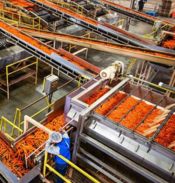
Food Manufacturing
Meat Processing
Here is a comprehensive outline of the issues, challenges, and solutions for the Australian meat processing manufacturing sector in 2026.
The Australian Meat Processing Sector in 2026: Challenges and Solutions
Introduction
In 2026, the Australian meat processing industry remains a cornerstone of the nation’s manufacturing and agricultural economy. However, as a high-volume, resource-intensive sector, it operates at the complex intersection of global supply chains, strict regulatory environments, and shifting consumer expectations. To remain globally competitive and domestically viable, processors must navigate significant headwinds using a combination of strategic foresight and technological innovation.
Part 1: Key Issues and Challenges in 2026
1. Workforce and Labor Shortages
- Chronic Staffing Deficits: The sector continues to struggle with attracting domestic workers due to the physically demanding, repetitive, and often cold conditions of abattoirs and processing floors.
- Reliance on Visa Programs: There is a heavy, sometimes precarious reliance on overseas labor, particularly through the Pacific Australia Labour Mobility (PALM) scheme. Changes to immigration policy or disruptions in source countries present major operational risks.
- Aging Workforce: The loss of highly skilled, veteran workers (such as specialized butchers and boners) is creating a critical "skills drain."
2. Environmental, Social, and Governance (ESG) Pressures
- Aggressive Carbon Targets: With Australia’s 2030 emissions reduction targets looming close, processors are under immense pressure from both the government and major retail partners to drastically cut Scope 1, 2, and 3 emissions.
- Resource Intensity: Meat processing requires vast amounts of water and energy. In 2026, the cost of these utilities remains high, and community scrutiny over water usage and wastewater discharge in regional areas is intensifying.
- Animal Welfare Scrutiny: Consumers and advocacy groups demand total transparency regarding humane handling and slaughtering practices.
3. Economic and Supply Chain Volatility
- Input Cost Inflation: The cost of transport, packaging, and feed (affecting livestock prices) remains high, squeezing profit margins in an industry that traditionally operates on volume rather than high markups.
- Export Market Dynamics: Australia exports over 70% of its red meat. Geopolitical tensions, shifting trade agreements (e.g., relations with China, newer markets in India and the UK), and aggressive competition from South American and US exporters require constant agility.
- Weather Extremes: The lingering effects of El Niño/La Niña cycles disrupt livestock supply, causing "boom and bust" processing cycles where facilities are either sitting idle or operating beyond capacity.
4. Biosecurity and Food Safety Threats
- Proximity of Exotic Diseases: The ever-present threat of Foot and Mouth Disease (FMD), Lumpy Skin Disease, and Avian Influenza in the Asia-Pacific region means a single outbreak could instantly shut down Australia's multi-billion-dollar export market.
- Stringent Traceability Regulations: Global markets now demand farm-to-plate traceability, making the cost of compliance and auditing higher than ever before.
Part 2: Technology and Strategic Solutions
To combat these challenges, the industry is transitioning from traditional, manual manufacturing to "Industry 4.0" smart processing.
1. Automation, Robotics, and AI
- AI-Guided Robotics: Historically, meat processing was hard to automate because every animal carcass is biologically unique. By 2026, combining AI vision systems with robotics allows machines to adapt to variations in size and fat distribution, automating dangerous and repetitive tasks like cutting, boning, and slicing.
- Automated Quality Grading: AI cameras and advanced sensors (like DEXA - Dual-Energy X-ray Absorptiometry) are used to objectively measure meat yield, fat content, and marbling, ensuring consistent quality and maximizing the financial return on every carcass.
- Wearable Tech for Workers: For tasks that cannot be automated, exoskeleton suits are being deployed to reduce physical strain, prevent workplace injuries, and retain older, highly skilled workers.
2. Supply Chain Data and Traceability Tech
- Blockchain and Smart Tags: Using blockchain technology alongside RFID (Radio Frequency Identification) and QR codes, processors can provide unalterable, transparent data. A buyer in Tokyo or London can scan a package to see exactly where the animal was raised, how it was processed, and its carbon footprint.
- IoT (Internet of Things) Cold Chain Management: Smart sensors constantly monitor the temperature and humidity of meat from the processing floor to the shipping container, preventing spoilage, reducing waste, and guaranteeing food safety.
3. Green Technologies and Circular Economy
- Biogas and Waste-to-Energy: Processors are increasingly utilizing anaerobic digesters to convert biological waste (blood, bone, fat) into biogas. This generates renewable electricity to power the plant, simultaneously solving waste disposal issues and reducing grid energy costs.
- Water Reclamation Systems: Advanced filtration and reverse osmosis technologies allow plants to safely recycle wastewater for use in non-potable areas (like cleaning yards and trucks), drastically reducing reliance on local town water supplies.
- Sustainable Packaging: Transitioning away from single-use plastics to biodegradable, plant-based vacuum films that maintain shelf life without contributing to landfill waste.
4. Advanced Biosecurity Measures
- Rapid On-Site Diagnostics: Rather than waiting days for lab results, facilities in 2026 utilize rapid, DNA-based testing kits to screen for pathogens (like Salmonella or E. coli) on the processing line in real-time.
- AI Surveillance: Machine learning algorithms monitor CCTV feeds in holding yards to detect early signs of distress or disease in livestock, ensuring rapid isolation and maintaining animal welfare standards.
Conclusion
For an Australian meat processing business in 2026, the landscape is incredibly demanding but full of opportunity. The processors who will thrive are those who stop viewing themselves merely as "abattoirs" and start operating as advanced, tech-driven food manufacturers. By investing in robotics to solve labor shortages, adopting circular-economy green tech to cut costs, and utilizing data to prove the premium quality of Australian meat, the sector can ensure its profitability and sustainability well into the future.
Poultry Processing
Here is an outline of the issues, challenges, and solutions facing a poultry processing manufacturing business in Australia in 2026.
The Landscape of Australian Poultry Processing in 2026
Poultry remains Australia’s most consumed meat in 2026, favored for its affordability and versatility. However, poultry processors (the manufacturing sector responsible for slaughtering, portioning, packaging, and distributing) face a complex environment. Operating on high volumes and tight profit margins, these businesses are navigating severe cost pressures, stringent environmental mandates, and chronic labor shortages.
Part 1: Key Issues and Challenges
1. Labor Shortages and High Workforce Costs
- The Challenge: Poultry processing is traditionally labor-intensive, involving cold environments and repetitive, physically demanding work (e.g., deboning, trimming). In 2026, Australia continues to face an aging workforce and a general reluctance among domestic workers to take on manual abattoir roles.
- The Impact: Reliance on migrant labor and visa programs creates vulnerabilities. High Australian wages put local processors at a cost disadvantage globally, squeezing domestic profit margins.
2. Supply Chain Vulnerabilities and Input Costs
- Energy and Utility Costs: Processing plants require massive amounts of electricity and gas for refrigeration, scalding, and factory operations. The ongoing transition of Australia’s energy grid in 2026 means energy prices remain volatile.
- Agricultural Inputs: While processors don't grow the feed, the cost of grain directly dictates the price of live birds. Climate volatility (droughts or floods) in Australian grain-growing regions causes severe price fluctuations.
- Logistics: Australia’s vast geography makes transporting chilled and frozen goods highly expensive, exacerbated by fluctuating diesel prices and a shortage of truck drivers.
3. Biosecurity and Food Safety Risks
- Avian Influenza and Pathogens: The constant threat of Avian Influenza (Bird Flu) requires processing plants to maintain flawless biosecurity. A localized outbreak can halt supply instantly.
- Strict Regulatory Environment: Australian food safety standards are among the strictest in the world. Recalls due to bacterial contamination (like Salmonella or Campylobacter) are financially devastating and severely damage brand reputation.
4. ESG (Environmental, Social, and Governance) Pressures
- Water Usage and Wastewater: Poultry processing is heavily water-dependent. In a dry continent like Australia, water scarcity and the strict regulation of wastewater discharge are major operational hurdles.
- Packaging Waste: Consumers and regulators in 2026 are demanding the elimination of single-use plastics, forcing processors to rethink how raw meat is packaged safely without foam trays and plastic wrap.
- Animal Welfare Transparency: Consumers increasingly demand proof of ethical processing, pushing manufacturers to ensure humane handling and stunning practices.
Part 2: Technological Solutions
To survive and thrive in 2026, poultry processors must transition from traditional manual operations to "Smart Manufacturing" (Industry 4.0).
1. Advanced Robotics and Automation
- Computer-Vision Guided Cutting: Traditional machines struggle with the natural variations in bird sizes. In 2026, robotic arms equipped with AI-driven computer vision can analyze the exact skeletal structure of each bird in milliseconds, making precise cuts that maximize meat yield and minimize waste.
- Automated Packaging and Palletizing: Automated Guided Vehicles (AGVs) and robotic palletizers can replace manual labor in the freezing, packing, and warehouse stages, addressing the labor shortage and reducing workplace injuries.
2. Artificial Intelligence and Big Data
- Predictive Maintenance: AI sensors placed on processing equipment monitor vibrations and temperature, predicting machine failures before they happen. This prevents costly unplanned downtime.
- Yield Optimization Algorithms: AI can analyze data across the supply chain—from bird weight upon arrival to final packaged weight—to identify exactly where product loss is occurring on the line.
3. IoT (Internet of Things) and Blockchain for Traceability
- "Farm to Fork" Transparency: Blockchain technology can track a batch of poultry from the specific farm, through the processing plant, to the supermarket shelf. If a pathogen is detected, IoT sensors and blockchain records allow the processor to pinpoint the exact batch instantly, turning a massive nationwide recall into a small, targeted one.
- Cold Chain Monitoring: IoT temperature sensors on delivery trucks ensure that the "cold chain" is never broken, guaranteeing food safety and extending shelf life.
4. Green Technologies and Circular Economy Tech
- Wastewater Reclamation Systems: Advanced filtration and reverse osmosis technologies allow plants to clean and reuse their wastewater for non-potable factory processes (like cooling and equipment washing), drastically cutting water bills.
- Waste-to-Energy (Biogas): Organic waste from processing (feathers, offal, blood) can be fed into anaerobic digesters to produce biogas. This gas can be burned to generate electricity and heat, offsetting the plant’s reliance on the grid.
Part 3: Strategic and "Human" Solutions
Technology cannot solve everything; business strategy and human resource management must adapt simultaneously.
1. Workforce Upskilling and Redesign
- As robots take over the dangerous, repetitive tasks (like deboning), processors must retrain their existing staff to become machine operators, maintenance technicians, and quality control analysts. Offering career progression helps attract a younger, tech-savvy workforce.
2. Value-Added Product Diversification
- To combat thin margins on whole birds and raw cuts, processors can focus on "value-added" manufacturing. Producing pre-marinated, fully cooked, or ready-to-eat poultry meals commands a higher price point and caters to the growing consumer demand for convenience.
3. Strategic Partnerships for Sustainable Packaging
- Processors can partner with Australian material science startups to develop biodegradable or mono-material packaging that meets food safety standards but aligns with the 2026 consumer's anti-plastic sentiment.
4. Directing the ESG Narrative
- Rather than viewing animal welfare and environmental regulations as a burden, processors can use them as a marketing tool. Transparently showcasing humane processing and a "net-zero carbon" factory can justify a premium price to domestic and international buyers.
Conclusion
For an Australian poultry processor in 2026, the era of relying on cheap labor and abundant resources is over. The most successful businesses will be those that view themselves not just as meat packers, but as advanced manufacturers. By combining AI, robotics, and green technology with a highly skilled workforce, poultry processors can achieve the efficiency, safety, and sustainability required to thrive in the modern economy.
Bacon/ham & Smallgoods
Here is a comprehensive overview of the issues, challenges, and solutions facing a business in the Bacon, Ham, and Smallgoods Manufacturing sector in Australia in 2026.
Executive Summary
In 2026, the Australian bacon, ham, and smallgoods manufacturing sector stands at a crossroads. While the cultural staple of cold meats and breakfast bacon remains strong, the industry faces severe margin pressures, shifting consumer health paradigms, stringent environmental mandates, and supply chain vulnerabilities. However, by leveraging Industry 4.0 technologies, product innovation, and sustainable practices, forward-thinking manufacturers can protect their margins and capture new market share.
Part 1: Key Issues and Challenges in 2026
1. Economic Pressures and Retail Dynamics
- Margin Compression: Manufacturers are squeezed between high input costs (energy, feed, logistics) and the immense pricing power of Australia’s highly concentrated supermarket duopoly (Coles and Woolworths). Passing price increases onto consumers remains difficult during periods of cost-of-living fatigue.
- Import Reliance vs. Local Supply: Historically, a significant portion of the pork used in Australian bacon and ham is imported (as local pork is predominantly sold fresh). Global supply chain disruptions, fluctuating exchange rates, and international trade policies in 2026 make relying on imported raw materials increasingly volatile.
2. Biosecurity and Supply Chain Risks
- Disease Threats: The looming threats of African Swine Fever (ASF) and Foot and Mouth Disease (FMD) in the Asia-Pacific region remain critical concerns. An outbreak in Australia—or in key import markets—would instantly devastate supply and skyrocket prices.
- Cold Chain Vulnerabilities: Extreme weather events, intensified by climate change, frequently disrupt domestic freight networks, threatening the strict temperature controls required for perishable smallgoods.
3. Shifting Consumer Preferences and Health Concerns
- The "Clean Label" Demand: Consumers are acutely aware of the health risks associated with ultra-processed foods (UPFs). There is significant pushback against synthetic nitrates and nitrites (used for curing and color), high sodium levels, and artificial preservatives.
- Rise of the "Flexitarian": While dedicated veganism has leveled out, mainstream consumers are actively reducing their meat intake for health and environmental reasons, shrinking the traditional volume-growth model of the industry.
4. Labor Shortages
- Skill Deficits: The manufacturing sector struggles to attract and retain workers. There is a persistent shortage of skilled butchers, food technologists, and reliable line workers, exacerbated by the physically demanding nature of cold-room environments.
5. ESG (Environmental, Social, and Governance) Mandates
- Regulatory Compliance: By 2026, mandatory climate-related financial disclosures affect many Australian businesses. Manufacturers face intense pressure to reduce Scope 1, 2, and 3 emissions, manage organic waste, and transition away from single-use plastics in packaging.
Part 2: Technology and Strategic Solutions
To survive and thrive in 2026, smallgoods manufacturers must transition from traditional, labor-intensive operations to agile, tech-enabled facilities.
1. Smart Manufacturing and Automation (Industry 4.0)
- Robotics and Cobots: Collaborative robots ("cobots") can handle repetitive, physically taxing tasks like heavy lifting, automated slicing, sorting, and packaging. This directly addresses labor shortages and improves workplace safety.
- AI and Machine Learning: AI-driven demand forecasting can precisely predict purchasing trends based on weather, holidays, and economic data, reducing overproduction and food waste. Furthermore, AI computer vision systems can inspect meat quality and detect foreign objects on the processing line faster and more accurately than human workers.
2. Supply Chain Tech and Traceability
- Blockchain and Advanced RFID: To mitigate biosecurity risks and appeal to conscious consumers, manufacturers can use blockchain technology to trace a product from farm to fork. A QR code on a packet of ham can show the consumer exactly where the pig was raised, its welfare standards, and its carbon footprint.
- IoT (Internet of Things) Cold Chain Monitoring: IoT sensors in transport vehicles and warehouses provide real-time temperature tracking. If a refrigeration unit fails, automated alerts allow managers to save the product before it spoils, ensuring strict food safety compliance.
3. Product Innovation and "Clean Tech"
- Natural Curing Alternatives: Food science technology has evolved to replace synthetic nitrates with plant-based alternatives (like celery or silverbeet extracts) that provide the same shelf-life, safety, and pink color. Investing in this technology allows brands to market "Nitrate-Free" and "Clean Label" premium product lines.
- Hybrid Products: Blending high-quality pork with plant-based proteins or vegetables (e.g., a sausage that is 70% pork and 30% hidden vegetables/legumes). This appeals to flexitarians, reduces input costs, lowers the carbon footprint, and improves the nutritional profile.
4. Sustainability and Energy Solutions
- Circular Waste Systems: Utilizing anaerobic digesters, manufacturers can turn organic meat waste and fat offcuts into biogas, which can then be used to power the manufacturing plant, drastically reducing grid energy costs.
- Advanced Packaging: Transitioning to biodegradable, compostable, or easily recyclable high-barrier films. Technologies like active packaging (which absorbs oxygen to naturally extend shelf life) reduce both plastic use and food waste.
5. Strategic Business Adaptations (Non-Tech Solutions)
- Diversification of Channels: To reduce reliance on the major supermarkets, manufacturers should expand their presence in the food-service sector (restaurants, cafes, catering), direct-to-consumer (D2C) online subscriptions, and export markets in the Asia-Pacific region demanding premium, safe Australian food.
- Premiumization: Moving away from a "race to the bottom" on price. Focusing on heritage breeds, artisanal smoking methods, and ethical farming (RSPCA Approved/Free Range) to create premium products that command higher margins.
Conclusion
For an Australian bacon, ham, and smallgoods manufacturer in 2026, the days of relying solely on cheap, high-volume, highly processed meat are over. The challenges of inflation, health-conscious consumers, and labor shortages are formidable. However, by embracing automation to drive down operational costs, utilizing food science to create healthier "clean label" products, and adopting circular economy principles, a manufacturer can reposition itself from a traditional meat processor to a resilient, modern food innovator.
Seafood Processing
Here is a comprehensive outline of the issues, challenges, and solutions facing the Seafood Processing sector in Australia in 2026.
Executive Outline: Australian Seafood Processing in 2026
I. Introduction
- Sector Context: Seafood processing in Australia is a high-value manufacturing sector, globally recognized for premium quality and stringent safety standards.
- The 2026 Landscape: Operating in 2026 presents a "perfect storm" of challenges. Processors are caught between volatile environmental conditions, rising operational costs, severe labor shortages, and evolving consumer demands for absolute transparency.
- The Imperative: To remain competitive domestically and globally, Australian processors must transition from traditional, labor-intensive operations to agile, tech-enabled, and sustainable business models.
II. Key Issues and Challenges
A. Environmental and Supply Volatility
- Climate Change Impacts: Warming oceans, shifting currents, and extreme weather events lead to unpredictable harvest volumes and changes in species distribution.
- Strict Quotas: The Australian Fisheries Management Authority (AFMA) enforces strict, necessary sustainability quotas, which can limit the volume of raw materials available to processors.
- Biosecurity Threats: Increasing risks of aquatic diseases require processors to maintain hyper-vigilant sanitation and containment protocols.
B. Labor and Workforce Shortages
- Regional Isolation: Many processing facilities are located in regional or coastal towns, making it difficult to attract and retain a consistent workforce.
- Cost of Labor: Australia’s high wage standards squeeze profit margins, especially when competing with imported, lower-cost processed seafood from Southeast Asia.
- Changing Visa Dynamics: Reliance on temporary or working-holiday visa holders remains a vulnerability if immigration policies or global travel patterns shift.
C. Economic and Operational Pressures
- Energy and Cold Chain Costs: Seafood processing is highly energy-intensive (freezing, chilling, ice-making). Fluctuating energy prices heavily impact the bottom line.
- Logistics and Freight: The sheer size of Australia, combined with the highly perishable nature of seafood, results in massive transportation and cold-chain logistics costs.
D. Regulatory and Consumer Demands
- Traceability Expectations: Consumers and international regulators in 2026 demand proof of sustainable sourcing, ethical labor, and low carbon footprints ("bait-to-plate" transparency).
- Packaging Mandates: Approaching government targets for the elimination of single-use plastics put pressure on processors to find functional, waterproof, and sustainable packaging alternatives.
III. Technological Solutions
A. Automation and Advanced Robotics
- Automated Processing: Implementing robotic filleting, de-heading, and grading machines equipped with computer vision. These machines maximize meat yield, reduce waste, and operate continuously, directly addressing labor shortages and high wage costs.
- Automated Guided Vehicles (AGVs): Using AGVs in cold-storage warehouses to move pallets, protecting human workers from harsh freezing environments.
B. The Internet of Things (IoT) and Artificial Intelligence (AI)
- Smart Cold Chain Management: IoT sensors embedded in transport trucks and storage facilities monitor temperature and humidity in real-time. AI predicts spoilage risks and automatically adjusts cooling systems, minimizing waste.
- AI Quality Control: Using AI-powered cameras to inspect seafood for parasites, bruising, or size discrepancies much faster and more accurately than the human eye.
C. Blockchain and Traceability Tech
- Immutable Ledgers: Using blockchain to record every step of the seafood’s journey. This allows processors to prove the exact origin, processing date, and temperature history of the product.
- Consumer QR Codes: Placing QR codes on retail packaging so consumers can scan and view the story of the fish, justifying the premium price of Australian seafood.
D. Next-Generation Packaging
- Bio-plastics and Edible Coatings: Adopting biodegradable packaging derived from seaweed or agricultural waste.
- Active Packaging: Utilizing packaging infused with natural antimicrobials that actively extend the shelf life of fresh seafood without adding artificial preservatives.
E. Green Energy Microgrids
- On-site Renewables: Installing solar panels, wind turbines, and industrial-scale batteries at processing plants to create localized microgrids. This offsets high energy costs and insulates the business from grid blackouts.
IV. Strategic and Non-Technological Solutions
A. The Circular Economy (Zero-Waste Processing)
- By-product Utilization: Transforming fish waste (heads, bones, scales, offal) into high-margin secondary products such as Omega-3 fish oils, collagen for cosmetics, premium pet food, or agricultural fertilizers.
B. Market Diversification
- Export Risk Mitigation: Expanding export focus beyond traditional heavyweight markets (like China) to growing middle-class markets in Southeast Asia and India.
- Domestic "Buy Local" Integration: Partnering with Australian supermarkets and restaurants to promote the food security and lower carbon footprint of domestically processed seafood over imports.
C. Workforce Upskilling
- Transitioning Roles: As automation takes over repetitive manual labor, processors must partner with regional TAFEs (Technical and Further Education institutions) to retrain staff as machine operators, quality assurance technicians, and supply chain analysts.
D. Industry Collaboration
- Shared Infrastructure: Smaller regional processors can form cooperatives to share the costs of expensive automated machinery, cold-storage facilities, and refrigerated freight transport.
V. Conclusion
By 2026, the Australian seafood processing sector can no longer rely on volume and manual labor to generate profit. The future belongs to businesses that view themselves as technology-driven food innovators. By embracing automation, utilizing every gram of the raw product through circular economy practices, and using blockchain to guarantee the premium nature of their brand, processors can overcome high domestic costs and secure a highly profitable, sustainable future.
Milk & Cream Processing
Here is an outline of the issues, challenges, and solutions for a business in the Milk & Cream Processing sector in Australia, projected for the year 2026.
Industry Outlook: Milk & Cream Processing (Australia, 2026)
Introduction
In 2026, the Australian milk and cream processing sector sits at a critical intersection. While dairy remains a staple in the Australian diet and a highly valued export commodity, processors face a complex web of environmental, economic, and shifting consumer realities. To survive and thrive, processors must transition from traditional manufacturing methods to highly agile, tech-enabled, and sustainable operations.
Part 1: Key Issues and Challenges in 2026
1. Supply Chain Volatility and Climate Change
- Fluctuating Raw Milk Supply: Extreme weather events (droughts and floods) continue to impact farm-level milk production. Processors struggle with inconsistent volumes of raw milk, making production planning and capacity utilization difficult.
- The "Cold Chain" Vulnerability: Milk and cream are highly perishable. Disruptions in the transport network—whether due to natural disasters or infrastructure strain—can lead to massive product spoilage.
2. Squeezed Profit Margins and Operating Costs
- Energy Intensity: Pasteurization, homogenization, and refrigeration require massive amounts of electricity and gas. As energy prices remain volatile in the transition to renewables, operating costs are under constant pressure.
- Supermarket Price Wars vs. Farmgate Prices: Processors are caught in the middle. They must pay competitive "farmgate" prices to dairy farmers to secure raw milk, while facing relentless pressure from major Australian supermarket duopolies to keep retail prices low.
3. Chronic Labor Shortages
- Regional Workforce Deficits: Most processing facilities are located in regional Australia (e.g., regional Victoria, Tasmania, NSW). Attracting and retaining both unskilled floor workers and highly skilled maintenance technicians remains a major hurdle.
4. Changing Consumer Preferences
- The Rise of Alternatives: Plant-based alternatives (oat, almond, soy) and the emerging threat of precision fermentation (lab-grown dairy proteins) are eating into traditional liquid milk market shares.
- Demand for "Functional" Dairy: Consumers increasingly expect milk to do more than just provide calcium. There is high demand for lactose-free, A2, protein-enriched, and gut-health-fortified products, which require complex processing capabilities.
5. Stringent Sustainability and ESG Mandates
- Packaging Waste: Following the push of the 2025 National Packaging Targets, the government and consumers expect all milk bottles and cream tubs to be 100% reusable, recyclable, or compostable.
- Carbon Footprint: Processors are under pressure to report and reduce their Scope 1, 2, and 3 emissions. Managing the carbon footprint of dairy—which is historically high due to methane from cows—is a major reputational and regulatory challenge.
Part 2: Technological Solutions
To navigate these challenges, milk and cream processors must leverage Industry 4.0 technologies.
- Artificial Intelligence (AI) and Predictive Analytics:
- Solution: AI can analyze weather patterns, historical data, and consumer trends to highly accurately forecast milk supply and consumer demand. This prevents over-processing, reduces waste, and optimizes logistics.
- Internet of Things (IoT) and Smart Sensors:
- Solution: Deploying smart sensors throughout the factory and transport fleets ensures real-time tracking of the "cold chain." If a refrigerated truck drops in temperature, the system can automatically alert drivers before the cream spoils. Sensors on factory machinery also allow for predictive maintenance, fixing equipment before a costly breakdown occurs.
- Advanced Automation and Robotics:
- Solution: To combat labor shortages, processors can invest in Automated Guided Vehicles (AGVs) for warehouse logistics, and robotic arms for heavy lifting, packing, and palletizing. This allows human workers to be upskilled into supervisory and tech-management roles.
- Energy Efficiency Tech and Microgrids:
- Solution: Processors can install industrial heat pumps and heat-recovery systems (which capture heat from refrigeration and use it to power pasteurization). Installing on-site solar microgrids and utilizing anaerobic digesters (turning dairy waste into biogas) can drastically reduce reliance on the main energy grid.
Part 3: Strategic and Operational Solutions
Beyond technology, processors must adopt new business strategies.
- Diversification and Premiumization:
- Solution: Moving away from low-margin standard white milk. Processors should invest in equipment to extract high-value dairy components (like lactoferrin, whey protein, and colostrum) for export to health and wellness markets. Some processors may even choose to co-manufacture plant-based milks using their existing infrastructure.
- Deepening Farmer Partnerships:
- Solution: Moving away from purely transactional relationships. Processors can offer long-term, stable contracts and provide financial incentives to farmers who adopt sustainable, low-emission farming practices. This secures supply and improves the processor's ESG profile.
- Circular Economy Packaging:
- Solution: Partnering with packaging innovators to utilize lightweighted, high-recycled-content plastics, or exploring cutting-edge bio-plastics derived from organic waste.
- Regional Upskilling Programs:
- Solution: Partnering with regional TAFEs and universities to create dedicated dairy-manufacturing apprenticeships. Offering subsidized housing or relocation packages can also help draw talent to regional processing hubs.
Conclusion
The Australian Milk & Cream Processing sector in 2026 faces significant headwinds from climate, economics, and consumer shifts. However, by treating these challenges as catalysts for modernization, businesses can secure their future. By integrating AI for efficiency, automation for labor gaps, and strategic diversification into high-margin products, processors can build a resilient, profitable, and sustainable dairy industry for the decades to come.
Ice Cream
Navigating the Ice Cream Manufacturing Sector in Australia: Outlook and Solutions for 2026
The Australian ice cream manufacturing sector in 2026 represents a dynamic intersection of indulgence, agriculture, and complex logistics. While ice cream remains a beloved staple, manufacturers face a unique set of economic, environmental, and consumer challenges.
Below is an outline of the primary hurdles facing the industry in 2026, followed by the technological and strategic solutions that can help businesses adapt and thrive.
Part 1: Key Issues and Challenges in 2026
1. Input Costs and Supply Chain Volatility
In 2026, the cost of raw materials remains a significant pressure point. Global commodity markets for cocoa, vanilla, and sugar are susceptible to climate-induced disruptions. Locally, the Australian dairy industry faces its own pressures from changing weather patterns (such as El Niño/La Niña cycles) and competing land uses, leading to unpredictable milk prices.
2. Energy Costs and "Cold Chain" Logistics
Ice cream manufacturing is incredibly energy-intensive. From the homogenization and pasteurization of the mix to the blast-freezing process, facilities require massive amounts of electricity. Furthermore, Australia’s vast geography and increasingly extreme summer temperatures make maintaining the "cold chain" (keeping the product at a consistent freezing temperature from factory to supermarket) incredibly expensive and prone to failure.
3. The Shifting Australian Consumer
The 2026 consumer is divided. On one hand, there is a strong demand for "premiumization"—indulgent, high-quality, locally sourced products. On the other hand, health and wellness trends have accelerated. Manufacturers are under pressure to produce low-sugar, high-protein, and gut-friendly options without compromising on taste or mouthfeel. Additionally, the demand for dairy-free and vegan alternatives is no longer a niche; it is a baseline expectation.
4. Sustainability and ESG Mandates
Environmental, Social, and Governance (ESG) criteria are heavily influencing both consumer choices and government regulations. Australia’s tightening regulations around single-use plastics and packaging waste mean manufacturers must rethink how they package tubs, sticks, and cones. Furthermore, the carbon footprint of dairy farming and factory refrigeration is under intense scrutiny.
5. Skilled Labor Shortages
The Australian manufacturing sector continues to face a shortage of skilled labor. Finding qualified food technologists, refrigeration mechanics, and maintenance engineers to keep highly specialized production lines running is a persistent bottleneck.
Part 2: Technology and Strategic Solutions
To overcome these challenges, ice cream manufacturers must look toward modernization. Technology, coupled with smart business strategies, offers a pathway to resilience.
1. AI-Driven Demand Forecasting and Supply Chain Management
Artificial Intelligence (AI) can revolutionize how ice cream is produced and distributed. By feeding localized weather forecasts, historical sales data, and upcoming social events into AI models, manufacturers can predict exactly when and where a spike in demand will occur. This prevents overproduction (reducing food waste) and ensures adequate stock during sudden heatwaves, optimizing raw material purchasing.
2. The Internet of Things (IoT) for Cold Chain Integrity
To protect products across Australia's vast distances, IoT sensors are essential. These small, relatively inexpensive devices can be placed in delivery trucks, shipping containers, and supermarket freezers. They provide real-time data on temperature fluctuations. If a truck's freezer begins to fail in outback Queensland, the system can automatically alert the driver or redirect the shipment to a nearby cold-storage facility before the product melts.
3. Automation and Robotics in the Factory
To combat labor shortages and improve safety in freezing factory conditions, robotics is key. Automated Guided Vehicles (AGVs) can move pallets of ingredients around the factory floor. Robotic arms can handle the repetitive tasks of dipping ice creams in chocolate, packaging, and palletizing in sub-zero freezer rooms, allowing human workers to focus on quality control, maintenance, and facility management.
4. Advanced Food Tech: Precision Fermentation and Novel Ingredients
To meet the demand for dairy-free options without relying solely on almond or oat milks, manufacturers can partner with food-tech companies utilizing precision fermentation. This technology programs microbes to produce real dairy proteins (like whey and casein) without the cow. It allows manufacturers to create vegan ice cream that melts, stretches, and tastes exactly like traditional dairy, significantly lowering the product's carbon footprint.
5. Green Tech and Sustainable Packaging Solutions
- Renewable Energy Microgrids: To stabilize energy costs, manufacturers can invest in factory rooftop solar paired with industrial battery storage. Taking production "off-grid" during peak pricing times drastically reduces overhead.
- Next-Gen Packaging: Moving away from plastic-lined cardboard and fossil-fuel plastics, manufacturers can utilize biodegradable materials derived from agricultural waste (like sugarcane bagasse or seaweed-based coatings). Edible packaging for individual ice cream bars is also an emerging solution to eliminate wrappers entirely.
Conclusion
Operating an ice cream manufacturing business in Australia in 2026 is not for the faint of heart. It requires balancing the high costs of energy and ingredients with the logistical realities of a hot, vast continent. However, by embracing AI for efficiency, IoT for quality control, and cutting-edge food tech for product innovation, manufacturers can build a resilient business that continues to deliver a beloved product to Australian consumers sustainably and profitably.
Dairy Product nec
Here is an outline of the issues, challenges, and potential solutions for a business operating in the "Dairy Product nec" (Not Elsewhere Classified) manufacturing sector in Australia in 2026.
Note: In industry classification, "Dairy Product nec" typically includes specialized, value-added, or secondary dairy products outside of standard fluid milk, cheese, and butter. This includes milk powders, condensed milk, whey products, functional dairy ingredients, dairy desserts, and lactose.
Introduction: The Landscape in 2026
In 2026, the Australian dairy manufacturing sector sits at a crossroads. While Australia retains a strong global reputation for high-quality, safe agricultural products, the manufacturing environment is highly pressurized. For businesses producing "Dairy Product nec"—often relying on complex processing like spray drying for powders or specialized extraction for whey proteins—the landscape is defined by tight margins, resource scarcity, and shifting consumer demands.
Part 1: Key Issues and Challenges in 2026
1. The Shrinking Raw Milk Pool
- The Issue: Australia’s national raw milk production has been on a gradual downward trend due to farmers exiting the industry, land-use competition, and climate volatility.
- The Challenge: Manufacturers of "nec" products often rely on surplus milk or the by-products of cheese making (like liquid whey). A shrinking milk pool means intense competition for raw materials, driving up farmgate prices and threatening the consistent supply needed to keep specialized processing plants running at capacity.
2. Skyrocketing Energy and Input Costs
- The Issue: Manufacturing products like milk powders, condensed milk, and dairy proteins is incredibly energy-intensive, particularly processes requiring heating, evaporation, and drying.
- The Challenge: In 2026, Australia's transition to a renewable energy grid is ongoing but volatile. Fluctuating energy prices, alongside the high cost of specialized packaging and logistics across Australia's vast distances, heavily compress profit margins.
3. Stringent ESG (Environmental, Social, and Governance) Mandates
- The Issue: Both government regulations and corporate buyers (e.g., global food brands purchasing dairy ingredients) now demand strict carbon reporting, including Scope 3 emissions (emissions from the farms supplying the milk).
- The Challenge: "Dairy Product nec" manufacturers are caught in the middle. They must reduce their own massive energy and water footprints while simultaneously forcing their supplying farmers to adopt sustainable practices, which can strain farmer-processor relationships.
4. Labor Shortages in Regional Hubs
- The Issue: Dairy manufacturing facilities are almost exclusively located in regional Australia (e.g., Victoria's Gippsland, regional Tasmania, or parts of NSW) to be close to farms.
- The Challenge: Attracting and retaining skilled labor—such as food technologists, specialized machinery technicians, and plant managers—to regional areas remains a severe headwind, limiting production capacity and expansion.
5. The Rise of Alternative Proteins and Functional Foods
- The Issue: By 2026, precision fermentation (producing dairy proteins without cows) and advanced plant-based alternatives have matured from niche novelties to scalable competitors.
- The Challenge: Dairy powder and ingredient manufacturers risk losing market share in the B2B space (e.g., protein bars, sports nutrition) if they cannot justify the premium or functional superiority of traditional cow-derived products.
Part 2: Technology and Strategic Solutions
To survive and thrive in 2026, a "Dairy Product nec" business must pivot from traditional bulk processing to agile, tech-enabled, high-value manufacturing.
1. Smart Manufacturing: AI and the Industrial Internet of Things (IIoT)
- Predictive Maintenance: Installing IIoT sensors on critical, expensive equipment (like spray dryers and centrifuges) allows AI to predict when a machine will fail before it happens. This prevents costly unplanned downtime.
- Process Optimization: AI algorithms can analyze milk composition in real-time and automatically adjust heating and drying temperatures. This ensures maximum yield of whey or milk powder while using the absolute minimum amount of energy required, directly addressing high energy costs.
2. Sustainable Technologies and Circular Economy Innovations
- On-Site Renewable Microgrids: Investing in on-site solar, battery storage, and particularly biogas digestion (turning dairy waste into energy) can insulate the business from grid volatility and reduce Scope 1 and 2 emissions.
- Water Reclamation Tech: Utilizing advanced Reverse Osmosis (RO) to extract and purify the water naturally present in milk. This "cow water" can be recycled to clean the factory, drastically reducing the facility's reliance on municipal water in drought-prone Australian regions.
- Upcycling: Using technology to extract maximum value from every drop of milk. For example, processing lactose permeate (traditionally a waste product) into high-value prebiotics or bio-ethanol.
3. Advanced Traceability and Blockchain
- The Solution: Implementing blockchain-backed traceability systems.
- The Benefit: Premium export markets (like Southeast Asia and China) demand absolute proof of safety, origin, and sustainability. A QR code on a bulk bag of dairy protein that allows a buyer to trace the product back to a sustainably certified Australian farm justifies a premium price point and builds unbreakable brand trust.
4. Addressing the Labor Gap via Automation
- The Solution: Deploying robotics for end-of-line tasks (bagging, palletizing, warehousing) and using Automated Guided Vehicles (AGVs) on the factory floor.
- The Benefit: This removes the reliance on scarce manual labor for physically demanding tasks, allowing the business to upskill its existing workforce to manage the technology and focus on quality control.
5. Strategic Product Diversification (Hybrid and Functional Products)
- The Solution: Rather than fighting alternative proteins, smart manufacturers are blending them. Creating "hybrid" powders (e.g., 50% dairy whey, 50% precision-fermented or plant protein) can stretch the limited raw milk supply further while appealing to eco-conscious consumers.
- Focusing on "Food as Medicine": Investing R&D into extracting highly specific, immune-boosting dairy proteins (like lactoferrin). These micro-ingredients command massive price premiums in global infant formula and pharmaceutical markets, meaning the business needs less milk volume to generate more revenue.
Conclusion
For a "Dairy Product nec" manufacturer in Australia in 2026, the days of relying on an endless supply of cheap milk to produce bulk, low-margin powders are over. The winning businesses will be those that view themselves not just as dairy processors, but as highly efficient, tech-driven ingredient innovators. By leveraging AI for energy efficiency, adopting circular water and waste technologies, and focusing on high-value functional ingredients, manufacturers can overcome local supply chain constraints and compete aggressively on the global stage.
Fruit & Vegetable Processing
Navigating the Future: The Australian Fruit & Vegetable Processing Sector in 2026
The Fruit & Vegetable Processing sector is a vital bridge between Australia’s agricultural producers and consumer tables. Spanning freezing, canning, drying, juicing, and fresh-cut packaging, this manufacturing niche adds immense value to raw produce. However, as we look at the Australian economy in 2026, the sector faces a complex web of structural, environmental, and economic challenges.
Fortunately, a combination of emerging technologies and strategic business adaptations offers a clear path forward.
Part 1: Key Issues and Challenges in 2026
1. Climate Variability and Supply Chain Instability In 2026, climate volatility remains the most unpredictable variable for food manufacturers. Fluctuations between drought conditions and extreme rainfall disrupt raw material yields. For processors, this means an inconsistent supply of fruits and vegetables, making production planning, inventory management, and pricing incredibly difficult.
2. Severe Labor Shortages and Skills Gaps The Australian manufacturing sector continues to grapple with a chronic labor shortage. Traditional reliance on seasonal or migrant labor for basic processing lines has become increasingly precarious. Furthermore, as processing facilities modernize, there is a growing gap in skilled labor—workers who can operate, maintain, and troubleshoot advanced manufacturing technology.
3. Margin Compression and Rising Input Costs Processors are caught in a financial squeeze. On one side, operational costs—particularly electricity and gas (critical for freezing, boiling, and drying)—remain high. On the other side, Australia’s heavily concentrated supermarket retail sector puts immense downward pressure on wholesale prices. Passing cost increases onto inflation-weary consumers is risky, resulting in compressed profit margins.
4. Stringent ESG and Packaging Mandates Environmental, Social, and Governance (ESG) requirements are no longer optional. Following the push for Australia’s National Packaging Targets, processors in 2026 face strict regulations to eliminate single-use plastics and ensure packaging is recyclable, reusable, or compostable. Additionally, tracking and reducing Scope 1, 2, and 3 carbon emissions, as well as managing organic food waste, are heavy administrative and operational burdens.
5. Shifting Consumer Demands Consumers are increasingly demanding "clean label" products—foods with fewer preservatives, lower sugar, and minimal processing, yet they still expect long shelf lives. Balancing food safety and preservation with the demand for fresh, natural-tasting products presents a distinct chemical and engineering challenge.
Part 2: Technology and Strategic Solutions
To survive and thrive in 2026, fruit and vegetable processors must transition from traditional, labor-intensive operations to smart, agile, and sustainable manufacturing. Here is how technology and innovative strategies can help:
1. AI-Driven Automation and Robotics To combat labor shortages, automation is the silver bullet.
- Computer Vision Sorting: AI-powered cameras can scan produce on conveyor belts at lightning speeds, automatically rejecting bruised or defective items, ensuring consistent quality with zero manual labor.
- Robotic Handling: Automated Guided Vehicles (AGVs) can move heavy bins of produce around the factory floor, while robotic arms handle the repetitive tasks of slicing, dicing, and palletizing.
2. Predictive Analytics and Supply Chain Digitalization To mitigate unpredictable weather and supply issues, processors can leverage predictive analytics. By feeding weather data, historical crop yields, and market trends into AI models, businesses can better forecast raw material availability. Furthermore, adopting IoT (Internet of Things) sensors across the supply chain allows processors to track the temperature and freshness of produce in transit, reducing spoilage before it even reaches the factory.
3. Advanced Preservation Technologies To meet consumer demands for "fresh-like" quality without artificial preservatives, processors are adopting novel food technologies:
- High-Pressure Processing (HPP): This technique uses extreme water pressure rather than heat to kill bacteria. It extends the shelf life of juices, dips, and cut fruit without degrading vitamins or flavor.
- Microwave Assisted Thermal Sterilization (MATS): A highly efficient way to sterilize packaged foods quickly, reducing the energy used in traditional retorting (canning) and improving the taste and texture of the vegetables.
4. Circular Economy and "Upcycling" Innovations To address ESG requirements and waste costs, processors are turning trash into treasure.
- Biomass Energy: Organic waste (skins, seeds, cores) can be fed into on-site anaerobic digesters to produce biogas, generating renewable electricity or heat to run the factory, thereby slashing energy bills.
- Upcycled Foods: Instead of throwing away "ugly" produce or pulp leftover from juicing, processors can use extrusion technologies to turn these byproducts into high-fiber snacks, creating entirely new revenue streams.
5. Sustainable Packaging Solutions Technology is rapidly advancing in the materials sector. Processors can transition to mono-material plastics (which are much easier to recycle than multi-layer films) or bio-based packaging derived from seaweed or cornstarch. Smart packaging featuring QR codes can also be utilized to share a product’s sustainability journey with the consumer, building brand trust and satisfying transparency demands.
Conclusion
The Australian Fruit & Vegetable Processing sector in 2026 is an industry at a turning point. Those who cling to outdated, labor-intensive, and energy-heavy methods will struggle against climate volatility and margin pressures. However, businesses that embrace Industry 4.0—investing in AI sorting, alternative preservation tech, and circular waste management—will not only secure their supply chains and improve their margins but will also position themselves as leaders in the sustainable future of Australian food manufacturing.
Oil & Fat
Navigating the Future: The Australian Oil & Fat Manufacturing Sector in 2026
The "Oil & Fat" manufacturing sector in Australia—encompassing the processing of vegetable oils (like canola, olive, and sunflower), animal fats (like tallow), and specialty fats for food and industrial use—is a vital part of the national economy. By 2026, the sector finds itself at a crossroads. It must balance volatile global markets, stringent environmental standards, and shifting consumer preferences, all while managing operational costs.
Here is an outline of the primary issues and challenges facing the sector in 2026, alongside the technological and strategic solutions that can drive future success.
Part 1: Key Issues and Challenges in 2026
1. Climate Volatility and Raw Material Supply
Australia’s agricultural sector is highly exposed to climate extremes. In 2026, changing weather patterns (such as prolonged droughts or unexpected flooding) directly impact the yield and quality of domestic seed crops like canola and olives. Furthermore, the sector relies on imported materials (like palm or soybean oil) for blending, leaving manufacturers vulnerable to global supply chain disruptions and geopolitical tensions.
2. Aggressive ESG and Regulatory Mandates
Environmental, Social, and Governance (ESG) requirements are no longer optional. By 2026, Australian manufacturers face strict regulations regarding "Scope 3" emissions (emissions generated up and down the supply chain). Additionally, global laws, such as zero-deforestation mandates, require manufacturers to prove their imported oils (especially palm oil) do not contribute to environmental destruction. Tracking this data is incredibly complex.
3. Surging Energy and Operational Costs
The processing of oils and fats—which involves crushing, extracting, refining, bleaching, and deodorizing—is highly energy-intensive. Fluctuations in the Australian energy market, combined with persistent inflation in the cost of raw materials and logistics, are squeezing profit margins.
4. Shifting Consumer Preferences
Consumers in 2026 are highly educated about health and nutrition. There is a marked shift away from ultra-processed foods and trans-fats, driving demand toward premium, cold-pressed, or "functional" oils (e.g., oils high in Omega-3). Concurrently, the rise of plant-based meats has created a demand for specialized vegetable fats that mimic the cooking properties of animal fat—a complex manufacturing challenge.
5. The Labor and Skills Shortage
Like much of the Australian manufacturing sector, oil and fat producers struggle to attract and retain skilled labor. As older technicians retire, there is a gap in workers trained to operate increasingly complex, digitized refining equipment.
Part 2: Solutions – Technology and Strategic Innovations
To overcome these challenges, oil and fat manufacturers must embrace a combination of digital transformation, biotechnology, and strategic business remodeling.
1. Smart Manufacturing and AI (Addressing Costs and Yield)
- Predictive Yield Analytics: Artificial Intelligence (AI) can analyze weather data, soil quality, and historical crop yields to predict supply shortages months in advance, allowing manufacturers to pivot their sourcing strategies dynamically.
- Energy Optimization via IoT: The Internet of Things (IoT) allows factories to install smart sensors on processing equipment. Machine learning algorithms can analyze this data in real-time to optimize heating and cooling cycles during the refining process, drastically reducing energy consumption and lowering operational costs.
2. Blockchain and Advanced Traceability (Addressing ESG)
- Paddock-to-Plate Transparency: Blockchain technology provides an unalterable digital ledger. Manufacturers can use this to track every batch of oil back to the exact farm it was grown on. This not only proves compliance with zero-deforestation laws but also allows brands to market "verified sustainable" products to eco-conscious consumers at a premium price.
3. The Circular Economy and Biofuels (Addressing Sustainability and Revenue)
- Waste-to-Wealth Initiatives: Instead of viewing Used Cooking Oil (UCO) or animal tallow purely as by-products or waste, manufacturers can integrate circular economy models. By partnering with or investing in biofuel technology, manufacturers can convert these waste fats into Sustainable Aviation Fuel (SAF) or renewable diesel. In 2026, this is a highly lucrative, government-subsidized secondary revenue stream.
4. Biotechnology and Precision Fermentation (Addressing Supply and Consumer Demand)
- Lab-Grown Fats: To bypass agricultural supply chain issues entirely, forward-thinking manufacturers are partnering with biotech firms. Using precision fermentation (using microbes to produce specific fats), companies can create "designer fats" that mimic palm oil or animal fats without the need for land clearing or livestock. This perfectly serves the growing alternative-protein food market.
5. Automation and Robotics (Addressing Labor Shortages)
- Automated Material Handling: Automated Guided Vehicles (AGVs) and robotic palletizers can handle the heavy lifting of raw materials and finished products (like heavy drums of oil).
- Cobots (Collaborative Robots): In quality assurance and packaging lines, cobots can work alongside human workers to increase output, allowing human staff to be upskilled into supervisory or tech-management roles.
Conclusion
For an Australian Oil & Fat manufacturer in 2026, the days of a simple "crush, refine, and bottle" business model are over. The companies that will thrive are those that view themselves as ag-tech and bio-processing entities. By leveraging AI to reduce energy costs, blockchain to guarantee sustainability, and automation to solve labor gaps, manufacturers can protect their margins and meet the complex demands of the modern market.
Flour Mill Product
Industry Outlook: Flour Mill Manufacturing in Australia (2026)
In 2026, the Australian flour milling industry sits at a critical intersection of agricultural tradition and modern industrial complexity. As a foundational segment of the food manufacturing sector, flour mills transform raw grains into essential ingredients for bakeries, supermarkets, and industrial food producers.
However, operating a high-volume, low-margin business in the current economic and environmental landscape presents significant hurdles. Below is an outline of the primary issues and challenges facing Australian flour milling businesses in 2026, followed by a discussion on how technology and strategic solutions can help overcome them.
Part 1: Key Issues and Challenges in 2026
1. Climate Volatility and Raw Material Supply
Australia’s agricultural sector is highly susceptible to climate extremes, including cyclical El Niño (drought) and La Niña (flooding) events. For a flour mill, grain is the largest input cost. Weather anomalies directly impact the yield, protein content, and overall quality of the domestic wheat harvest. This leads to unpredictable commodity pricing and challenges in maintaining consistent flour quality.
2. Rising Operational and Energy Costs
Milling is an inherently energy-intensive process, requiring significant power to run roller mills, purifiers, and pneumatic transport systems. In 2026, Australian manufacturers continue to face high and volatile electricity and gas prices. Additionally, the vast geography of Australia means domestic freight and logistics costs remain a heavy burden on the bottom line.
3. Shifting Consumer Preferences
The modern Australian consumer is increasingly health-conscious. There is a sustained shift away from traditional highly processed white flours toward whole grains, high-protein flours, gluten-free alternatives, and ancient grains (like spelt and quinoa). Flour mills structured solely for mass-producing standard wheat flour face shrinking margins and loss of market share to specialized, agile competitors.
4. Strict ESG (Environmental, Social, and Governance) Mandates
By 2026, environmental reporting is no longer optional; it is a regulatory requirement and a demand from major corporate buyers (like large supermarket chains). Mills face pressure to reduce their carbon footprint, minimize water usage, eliminate dust pollution, and prove the sustainable sourcing of their grain (Scope 3 emissions).
5. Workforce Shortages and the Skills Gap
The manufacturing sector in Australia faces an aging workforce. Traditional milling requires a highly specific skill set—often described as a mix of science and art. Attracting young talent to regional manufacturing facilities is difficult, leading to a shortage of qualified head millers and maintenance technicians.
Part 2: Technological and Strategic Solutions
To survive and thrive in 2026, flour milling businesses must transition from traditional, manual operations to highly efficient, data-driven enterprises.
1. Smart Milling Operations (Industry 4.0 & AI)
- IoT and Automation: Installing Internet of Things (IoT) sensors on milling equipment allows for real-time monitoring of vibration, temperature, and power draw. This enables predictive maintenance, alerting staff to fix a bearing or belt before it fails, thereby preventing costly unplanned downtime.
- AI Yield Optimization: Artificial Intelligence can continuously analyze the quality of incoming grain (moisture, density) and automatically adjust the roller mill settings in real-time. This maximizes the extraction rate (the amount of high-value flour pulled from the grain) and ensures consistent product quality, even when raw grain quality fluctuates.
2. Energy Transition Technologies
- On-site Renewables: Flour mills typically have large, flat warehouse roofs ideal for commercial-scale solar installations. Pairing solar with industrial battery storage helps mills offset peak grid pricing.
- Energy Management Systems (EMS): Software solutions can optimize when energy-intensive processes (like grain drying or heavy grinding) occur, shifting these loads to times of day when energy is cheapest or when on-site solar generation is highest.
3. Supply Chain Traceability and Analytics
- Blockchain and Provenance Tech: Utilizing digital ledgers allows a mill to track grain from a specific Australian farm directly to the bakery. This not only satisfies strict ESG reporting requirements but also allows the mill to charge a premium for "single-origin" or sustainably farmed flour.
- Predictive Procurement Analytics: Using AI-driven market software to analyze global weather patterns, geopolitical events, and historical pricing trends helps procurement teams make smarter hedging decisions when buying grain futures, protecting the company from sudden price spikes.
4. Product Diversification and R&D
- Flexible Milling Lines: Investing in modular, adaptable milling equipment allows a business to quickly switch between traditional wheat, gluten-free grains, or high-protein pulse flours (like chickpea or lentil flour) to meet shifting consumer diets.
- Value-Added Products: Utilizing technology to create fortified flours (added vitamins, fiber, or protein) allows the mill to transition from selling a bulk commodity to offering a premium, high-margin ingredient.
5. Modernizing the Workforce
- Augmented Reality (AR) Training: To address the skills gap, mills can use AR headsets to train new employees. A junior worker on the floor in regional Australia can wear a headset and be guided through a complex machine repair by a master miller sitting in an office in Melbourne or Sydney.
- Cobots (Collaborative Robots): Utilizing automated guided vehicles (AGVs) and robotic palletizers for the heavy lifting of 25kg flour bags reduces the physical strain on workers, making the job safer and more appealing to a broader demographic.
Summary
For an Australian flour mill in 2026, the challenges of climate volatility, high costs, and shifting consumer tastes are significant. However, by embracing smart manufacturing technologies, investing in energy independence, and adapting their product lines, milling businesses can protect their margins, meet sustainability goals, and secure their place in the future of the food supply chain.
Cereal, Pasta & Baking Mix
Navigating the Future: The Cereal, Pasta, and Baking Mix Manufacturing Sector in Australia (2026)
Introduction In 2026, the Australian manufacturing sector for Cereal, Pasta, and Baking Mixes stands at a fascinating crossroads. While these products are staple items in almost every Australian pantry, manufacturers face a complex web of economic, environmental, and consumer-driven challenges. To remain competitive, businesses must balance the demand for affordability with the need for innovation, all while navigating a shifting global supply chain.
Here is an outline of the primary challenges facing this sector in 2026, followed by the technological and strategic solutions that can help businesses thrive.
Part 1: Key Issues and Challenges in 2026
1. Climate Volatility and Raw Material Costs Australia’s agricultural sector is heavily exposed to climate extremes (cycles of El Niño and La Niña). Because cereals, pastas, and baking mixes rely fundamentally on wheat, oats, barley, and sugar, unpredictable weather directly impacts crop yields. In 2026, manufacturers face highly volatile input costs, making it difficult to maintain consistent pricing and profit margins.
2. The Cost-of-Living Hangover and Shifting Consumer Habits While peak inflation may have subsided by 2026, the cost-of-living pressures of the early 2020s have left a lasting mark on consumer behavior. Shoppers are deeply price-sensitive. There is a strong "barbell" effect in the market: consumers are either trading down to supermarket private-label (home brand) pastas and cereals, or demanding highly specialized premium products (e.g., high-protein, gluten-free, or gut-health baking mixes). Manufacturers stuck in the "middle" are losing market share.
3. The Supermarket Duopoly Squeeze Australia’s grocery retail market remains heavily dominated by Woolworths and Coles. For a mid-sized manufacturer, negotiating power is limited. Supermarkets are aggressively expanding their own private-label baking mixes and pastas, effectively competing with the very manufacturers that supply them. This puts immense downward pressure on wholesale prices.
4. Strict Sustainability and Packaging Mandates By 2026, the push for environmental sustainability has moved from voluntary to mandatory. Following the failure to meet some 2025 National Packaging Targets, the Australian government and retailers have introduced stricter regulations regarding plastic use and recyclability. Redesigning packaging for cereal liners or baking mix pouches to be 100% compostable or recyclable without compromising product shelf-life is a costly headache.
5. Labor Shortages and Rising Operational Costs Regional Australia, where many food manufacturing plants are located, continues to face chronic shortages of both skilled and unskilled labor. Combined with high energy costs (critical for the energy-intensive baking and drying processes required for pasta and cereal), the cost to simply keep the factory running is higher than ever.
Part 2: Technological and Strategic Solutions
To survive and thrive in 2026, manufacturers must embrace "smart food manufacturing." Here is how technology and strategic thinking can solve these challenges.
1. AI-Driven Demand Forecasting and Recipe Formulation
- The Solution: Artificial Intelligence (AI) and Machine Learning are no longer just buzzwords; they are vital tools. Predictive AI can analyze weather patterns, global commodity prices, and local supermarket trends to forecast demand and raw material costs with high accuracy.
- Application: If AI predicts a spike in global wheat prices, formulation software can automatically suggest recipe tweaks—such as blending in alternative, locally abundant grains like sorghum or lupin—maintaining the nutritional profile and taste of a baking mix while keeping costs down.
2. Automation and the Internet of Things (IoT) in the Factory
- The Solution: To combat labor shortages and high energy costs, factories must adopt Industry 4.0 technologies. IoT sensors placed on pasta extruders or cereal ovens can monitor energy usage and equipment health in real time.
- Application: "Predictive maintenance" ensures a machine is serviced right before it breaks down, preventing costly halts in production. Furthermore, collaborative robots (cobots) can take over repetitive tasks like palletizing boxes of cereal or bagging baking mixes, allowing human workers to focus on quality control and facility management.
3. Advanced Packaging Technologies
- The Solution: Material science has advanced significantly by 2026. Manufacturers can partner with tech firms to utilize next-generation bioplastics (derived from agricultural waste, like wheat husks) and advanced moisture-barrier paper packaging.
- Application: By adopting these new materials, manufacturers can meet strict government sustainability mandates, appeal to eco-conscious consumers, and maintain the necessary shelf-life to keep cereal crunchy and pasta dry.
4. Supply Chain Traceability (Blockchain)
- The Solution: Consumers increasingly want to know exactly where their food comes from. Blockchain technology creates an unalterable digital ledger of a product's journey.
- Application: A premium pasta brand can use a QR code on its packaging to show the consumer the exact farm in South Australia where the durum wheat was grown, the date it was milled, and its carbon footprint. This justifies a premium price tag and builds deep brand loyalty that supermarket home-brands cannot easily replicate.
5. Diversified Sales Channels (Direct-to-Consumer)
- The Solution: To bypass the supermarket duopoly, manufacturers can utilize modern e-commerce platforms to sell directly to consumers (D2C).
- Application: While shipping a $2 box of standard pasta direct to a consumer isn't viable, selling specialized bulk baking mixes, customized muesli subscriptions, or premium artisanal pasta bundles online is highly profitable. Utilizing automated, localized micro-fulfillment centers can keep shipping costs across Australia manageable.
Conclusion For Australian manufacturers of cereal, pasta, and baking mixes in 2026, the days of simply putting ingredients in a box and shipping them to a supermarket are over. The environment is volatile and highly competitive. However, by leveraging AI to manage costs, automation to improve factory efficiency, and traceability tech to build consumer trust, manufacturers can build a resilient, profitable, and future-proof business.
Bread
The Landscape of Australian Bread Manufacturing in 2026
In 2026, bread remains a foundational staple of the Australian diet. However, the business of manufacturing bread at scale is navigating a complex web of economic, environmental, and consumer-driven pressures. The industry is caught between the demand for high-volume, low-cost staples and a growing consumer appetite for premium, health-conscious, and sustainably produced baked goods.
Here is an outline of the primary issues and challenges facing Australian bread manufacturers in 2026, followed by the technological and strategic solutions available to overcome them.
Key Issues and Challenges
1. Input Cost Volatility and Climate Impacts
The core ingredients of bread—wheat, yeast, and water—are highly susceptible to climate variations. By 2026, Australian weather patterns (such as extreme El Niño or La Niña cycles) continue to cause unpredictable domestic wheat yields. Combined with ongoing global geopolitical tensions affecting fertilizer and grain markets, manufacturers face significant fluctuations in the Cost of Goods Sold (COGS).
2. The Retail Duopoly Squeeze
Australia’s grocery sector remains heavily dominated by Coles and Woolworths. For mass-market bread manufacturers, this creates immense pricing pressure. Retailers are constantly pushing for lower wholesale prices to keep their own "home brand" $2-$3 loaves competitive, which severely compresses the profit margins of independent and mid-tier manufacturers.
3. Energy Costs and Decarbonization Mandates
Industrial baking is an incredibly energy-intensive process, traditionally reliant on natural gas to power large-scale ovens. In 2026, as Australia pushes toward its 2030 emissions reduction targets, the cost of gas and electricity remains high. Furthermore, manufacturers are under strict regulatory and consumer pressure to report and reduce their carbon footprints, forcing costly transitions to greener energy sources.
4. The "Clean Label" and Health Paradox
Consumers in 2026 are highly educated about their food. There is a strong shift away from ultra-processed foods (UPFs) and chemical preservatives. Consumers want "clean label" breads (e.g., sourdoughs, gluten-free, high-protein, and gut-friendly options) with short, natural ingredient lists. The challenge for manufacturers is that natural bread spoils faster, which contradicts the logistical reality of national supply chains that require longer shelf lives.
5. Labor Shortages and Rising Wages
The manufacturing sector continues to struggle with attracting and retaining talent. There is a distinct shortage of skilled tradespeople, such as industrial bakers and maintenance technicians for automated machinery, as well as a shortage of logistics personnel (truck drivers). Rising minimum wages also increase operational costs.
Solutions: Technology and Strategic Approaches
To survive and thrive in 2026, bread manufacturers must look to a combination of cutting-edge technology and smart business strategies.
Technological Solutions
- Artificial Intelligence (AI) for Demand Forecasting: Bread is highly perishable, meaning overproduction leads to massive food and financial waste. AI algorithms can now analyze historical sales data, local weather forecasts, school holidays, and even local events to predict daily demand with extreme accuracy. This ensures bakeries produce exactly what is needed, reducing waste and saving on ingredient costs.
- Industrial Internet of Things (IIoT) and Smart Ovens: By retrofitting traditional equipment with IoT sensors, manufacturers can monitor oven temperatures, humidity, and energy usage in real-time. This allows for "predictive maintenance"—fixing machines before they break down, thereby preventing costly halts in production. Furthermore, smart ovens can micro-adjust baking times and temperatures to optimize gas/electricity usage, lowering energy bills.
- Automation and Robotics: To combat labor shortages, manufacturers can implement advanced robotics at the end-of-line processes. Automated guided vehicles (AGVs) can move heavy pallets of flour, while robotic arms can handle the slicing, bagging, and dispatching of bread. This allows human workers to be upskilled to manage the technology rather than performing repetitive manual labor.
- Food Tech and Enzyme Innovation: To address the "clean label" challenge, manufacturers are turning to biotechnology. Natural enzymes and plant-based extracts (like cultured wheat or raisin juice) can be used to naturally extend shelf life and maintain softness, allowing manufacturers to remove artificial preservatives while surviving the multi-day journey from bakery to supermarket shelf.
Strategic and Business Solutions
- Diversification of Sales Channels: To reduce reliance on the supermarket duopoly, bread manufacturers can pivot toward the food service industry (cafes, restaurants, schools, and hospitals) or independent grocers (IGA, Foodland). Some may also explore direct-to-consumer (D2C) subscription models for premium, frozen-to-fresh specialty breads.
- Premiumization of Product Lines: While margins on standard white bread are razor-thin, consumers are willing to pay a premium for specialty items. Transitioning a portion of manufacturing capacity to high-margin products—such as artisanal sourdoughs, keto-friendly breads, or breads fortified with vitamins and ancient grains—can significantly boost overall profitability.
- Localized and Circular Supply Chains: To hedge against volatile global prices and lower transport emissions, manufacturers can enter into long-term, fixed-price contracts with local wheat farmers. Additionally, partnering with food-waste companies to turn unsold bread into animal feed or biofuel creates a circular economy, potentially opening up new revenue streams or government sustainability grants.
- Investing in the Workforce: Offering clear career progression, adopting flexible shifts where possible, and paying for workers to undertake technical training (like mechatronics to operate new robots) will help build a loyal, modern workforce that sees manufacturing as a career, not just a job.
Conclusion
For an Australian bread manufacturer in 2026, the days of relying solely on high-volume, low-margin white bread production are increasingly risky. The businesses that will succeed are those that view technology not just as a cost, but as an enabler for efficiency and sustainability. By combining smart manufacturing tech with a strategic shift toward premium products and diversified supply chains, a bread manufacturer can protect its margins and secure its place at the Australian table.
Cake & Pastry
Here is a comprehensive outline of the issues, challenges, and solutions facing a commercial Cake & Pastry manufacturing business in Australia in 2026.
Introduction: The Landscape in 2026
In 2026, the Australian commercial cake and pastry manufacturing sector sits at the intersection of traditional artisanship and modern industrial reality. While consumer appetite for baked goods remains strong, manufacturers face a complex environment characterized by fluctuating economic conditions, severe supply chain vulnerabilities, and a tight labor market. To survive and thrive, businesses must pivot from traditional operations to agile, tech-enabled manufacturing.
Part 1: Key Issues and Challenges
1. Economic Pressures and Supply Chain Volatility
- Input Cost Inflation: The cost of core ingredients—particularly dairy (butter, cream), wheat, eggs, and cocoa—remains highly volatile. Climate events in Australian agricultural zones (floods or droughts) and global shortages severely impact raw material pricing.
- Energy Costs: Baking is an energy-intensive manufacturing process. Transitioning energy grids and fluctuating gas/electricity prices continually squeeze profit margins.
- Freight and Distribution: Australia’s vast geography makes cold-chain logistics expensive. Fuel costs and limited freight availability challenge the efficient distribution of highly perishable goods.
2. Workforce Constraints
- Skilled Labor Shortages: There is a chronic shortage of qualified pastry chefs, industrial bakers, and food-manufacturing technicians in Australia.
- High Wage Costs: The cost of labor remains high. Relying heavily on manual labor for intricate tasks (like cake decorating or delicate pastry folding) significantly reduces profitability.
- Retention Issues: The demanding physical nature of commercial baking, often involving shift work and unsociable hours, leads to high staff turnover.
3. Evolving Consumer Demands
- The "Health vs. Indulgence" Paradox: Consumers increasingly want dual extremes: ultra-indulgent "treat" items, alongside a growing demand for "better-for-you" options (gluten-free, dairy-free, vegan, low-sugar). Producing these on the same factory floor requires complex cross-contamination management.
- Clean Label Expectations: Buyers are pushing back against artificial preservatives, yet commercial clients (supermarkets, cafes) still demand extended shelf lives to minimize food waste.
4. Regulatory and Sustainability Mandates
- Packaging Compliance: Following the rollout of Australia’s National Packaging Targets, manufacturers are under intense pressure to eliminate single-use plastics and adopt 100% reusable, recyclable, or compostable packaging, which is often more expensive.
- Stringent Food Safety and Traceability: With rising allergy awareness, Food Standards Australia New Zealand (FSANZ) regulations regarding allergen labeling and trace-back capabilities are stricter than ever. A single recall can be financially devastating.
Part 2: Technology and Strategic Solutions
To combat these challenges, manufacturers must look toward modernization. Here is how technology and strategic operations can help.
1. Smart Manufacturing and Automation (Hardware)
- Robotics for Repetitive Tasks: Implementing robotics for physically demanding or repetitive tasks—such as automated dough laminators, precise ultrasonic cake cutters, and robotic arms for packaging—reduces labor costs and ensures consistent product quality.
- IoT (Internet of Things) Sensors: Installing IoT sensors in ovens, proofing rooms, and freezers allows for real-time temperature monitoring. This ensures cold-chain integrity, reduces food spoilage, and helps track energy usage to identify areas for cost-saving.
- Automated Cleaning Systems: Clean-in-place (CIP) technology can automate the sanitization of mixing vats and production lines, drastically reducing the downtime required for allergen changeovers (e.g., switching from standard to gluten-free production).
2. Data-Driven Operations (Software and AI)
- AI-Powered Demand Forecasting: Artificial Intelligence can analyze historical sales data, weather patterns, and upcoming public holidays to accurately predict demand. This prevents overproduction, minimizes food waste, and optimizes ingredient purchasing.
- Advanced ERP (Enterprise Resource Planning) Systems: A robust, cloud-based ERP integrates inventory, production, and accounting. It provides end-to-end traceability, ensuring that if a bad batch of flour is identified, the manufacturer can instantly trace exactly which cakes it went into, making recalls swift and highly targeted.
- Predictive Maintenance: AI software connected to factory equipment can predict when a commercial oven or mixer is likely to break down, allowing for maintenance to be scheduled before a costly mid-production failure occurs.
3. Sustainable and Strategic Innovations
- Next-Generation Packaging: Investing in advanced bioplastics (made from corn starch or seaweed) or innovative atmospheric packaging that removes oxygen. This extends shelf life naturally while complying with Australia’s strict packaging regulations.
- Ingredient Technology: Utilizing food science to adopt natural preservatives and enzymes that extend shelf life and improve moisture retention without triggering "artificial additive" consumer backlash.
4. Workforce Empowerment Strategies
- Cobots (Collaborative Robots): Rather than replacing humans entirely, cobots work alongside bakers to handle heavy lifting (like moving 50kg bags of flour or large vats of batter), reducing workplace injuries and making the job more appealing to a broader demographic.
- AR (Augmented Reality) Training: Using AR headsets to train new staff on complex machinery or safety protocols. This drastically reduces the time it takes to onboard new employees, mitigating the impact of high staff turnover.
Conclusion
In 2026, an Australian commercial Cake & Pastry manufacturer can no longer rely solely on a great recipe. The pressures of input costs, labor shortages, and stringent regulations demand a transition toward Industry 4.0. By adopting smart automation to handle the heavy lifting, AI to minimize waste, and advanced software to ensure traceability, manufacturers can protect their profit margins while continuing to deliver the high-quality baked goods Australian consumers expect.
Biscuit
Navigating the Future of Biscuit Manufacturing in Australia: Outlook 2026
The Australian biscuit manufacturing sector in 2026 finds itself at a fascinating intersection. Biscuits remain a staple in Australian pantries, but the landscape is shifting. Manufacturers are caught between the ongoing cost-of-living hangover, evolving consumer preferences, and the unique geographical and economic realities of operating in Australia.
Here is an outline of the key issues and challenges facing biscuit manufacturers in the Australian economy in 2026, alongside the technological and strategic solutions that can help them thrive.
Part 1: Key Issues and Challenges in 2026
1. Supply Chain Volatility and Climate Impacts
- Agricultural unpredictability: Biscuits rely heavily on core commodities like wheat, sugar, dairy, and oils. By 2026, changing climate patterns (such as shifting El Niño/La Niña cycles) continue to cause unpredictable yields and price spikes for local Australian farmers.
- Global ingredient sourcing: Imported ingredients like cocoa or specialized fats remain vulnerable to global supply chain disruptions and geopolitical tensions, leading to unpredictable lead times and costs.
2. The Margin Squeeze and Supermarket Dominance
- Input costs vs. Retail prices: Manufacturers face high domestic operational costs, particularly regarding energy (gas and electricity) and wages.
- Retail duopoly pressure: Australia’s grocery sector remains heavily concentrated. The major supermarkets exert immense pressure on suppliers to keep wholesale prices low while simultaneously expanding their own "Private Label" (home brand) biscuit ranges, directly competing with independent and legacy manufacturers.
3. Evolving Consumer Demands
- The Health vs. Indulgence Paradox: Consumers in 2026 are highly polarized. One segment demands "better-for-you" biscuits (gluten-free, vegan, low-sugar, added protein), while another seeks ultra-premium, indulgent comfort foods. Trying to cater to both without ballooning production costs is a major challenge.
- The "Shrinkflation" backlash: After years of economic pressure, 2026 consumers are highly sensitive to "shrinkflation" (reducing product size while maintaining the price) and demand transparent value.
4. The Sustainable Packaging Crisis
- Regulatory and consumer pressure: Following the collapse of soft-plastics recycling schemes earlier in the decade, the pressure on manufacturers to provide genuinely home-compostable or easily recyclable packaging has peaked. Meeting Australia's National Packaging Targets is now a baseline expectation, but transitioning legacy packaging lines to handle new eco-materials is technically difficult and expensive.
5. Labor and Skills Shortages
- As manufacturing becomes more advanced, there is a deficit of workers with the specific skills required to operate, maintain, and program modern, automated production lines.
Part 2: Technology and Strategic Solutions
To overcome these hurdles, biscuit manufacturers in 2026 must lean heavily into "Industry 4.0" (smart manufacturing) and agile business strategies.
1. Smart Manufacturing and IoT (Internet of Things)
- Predictive Maintenance: By placing IoT sensors on industrial ovens, mixers, and conveyor belts, manufacturers can predict equipment failures before they happen. This drastically reduces costly downtime and ensures a continuous flow of goods.
- Energy Optimization: Smart energy management systems use AI to optimize oven temperatures and factory lighting/cooling in real-time, significantly cutting down the high energy costs associated with Australian manufacturing.
- Automated Quality Control: AI-powered computer vision systems can inspect biscuits as they come out of the oven, instantly rejecting those that are burnt, broken, or improperly coated. This reduces waste and ensures brand consistency.
2. Advanced Supply Chain Tech
- AI Demand Forecasting: Rather than relying on historical data, AI tools can analyze real-time variables—like weather, local economic data, and social media trends—to accurately predict consumer demand. This prevents overproduction and raw ingredient spoilage.
- Blockchain for Traceability: Blockchain technology allows manufacturers to track ingredients from farm to factory. This not only helps manage supply chain bottlenecks but also appeals to consumers who want to know their wheat is locally grown or their cocoa is ethically sourced.
3. Material Science and Packaging Innovations
- Next-Gen Bioplastics: Investing in machinery that can handle new-age, plant-based packaging materials allows manufacturers to eliminate problematic soft plastics. Technology has evolved so these materials now preserve shelf-life and crispness just as effectively as traditional plastics.
- Digital Twin Technology: Manufacturers can use "digital twins" (virtual replicas of their production lines) to simulate how new, eco-friendly packaging materials will behave on the line before spending money on physical trials.
4. Product Reformulation Tech and AI R&D
- AI in Recipe Development: AI platforms can now analyze thousands of flavor profiles and chemical interactions to suggest new biscuit recipes. This allows companies to quickly develop gluten-free or low-sugar alternatives that mimic the exact texture and mouthfeel of traditional biscuits, solving the "health vs. indulgence" dilemma faster than traditional R&D.
5. Strategic Business Solutions
- Diversified Sales Channels (D2C and Export): To bypass the domestic supermarket duopoly, manufacturers can use advanced e-commerce platforms to sell premium, personalized, or bulk biscuit ranges Direct-to-Consumer (D2C). Furthermore, leveraging Australia’s reputation for high-quality food safety can help manufacturers expand into growing Asian export markets.
- Upskilling the Workforce: Partnering with tech firms and local vocational schools (TAFEs) to train workers in robotics and data analysis ensures the business has the talent required to run a 2026-era facility.
Summary
For an Australian biscuit manufacturer in 2026, the era of relying solely on legacy recipes and traditional mass production is over. The economic realities of high costs and strict retail environments demand absolute efficiency. By embracing AI-driven supply chains, smart factory floors, and innovative material sciences, a modern biscuit manufacturer can protect its margins, satisfy the eco-conscious consumer, and secure its place in the Australian pantry.
Sugar and Confectionery
Navigating the Sweet Spot: Challenges and Solutions for Australian Sugar and Confectionery Manufacturing in 2026
In 2026, the Australian Sugar and Confectionery manufacturing sector finds itself at a fascinating crossroads. While Australians still have a strong affinity for sweets, the landscape in which these manufacturers operate is incredibly complex. The industry is navigating shifting consumer habits, volatile supply chains, and rising operational costs.
Here is an outline of the primary issues and challenges facing this sector in 2026, followed by the technological and strategic solutions that can help businesses thrive.
Part 1: Key Issues and Challenges in 2026
1. The "Health and Wellness" Paradigm Shift By 2026, the consumer shift toward health-conscious eating is no longer a trend; it is the baseline. There is intense pressure on sugar manufacturers and confectioners as consumers actively seek low-sugar, sugar-free, diabetic-friendly, and functional (e.g., vitamin-infused) treats. The ongoing public health debates regarding potential "sugar taxes" also hang over the industry, threatening future profitability.
2. Climate Volatility and Supply Chain Disruptions Australia’s sugar cane industry, primarily based in Queensland and northern New South Wales, remains highly vulnerable to extreme weather events driven by El Niño and La Niña cycles. Floods, droughts, and cyclones can devastate crop yields, leading to severe raw material shortages and unpredictable price spikes for local manufacturers.
3. Economic Pressures and the Supermarket Duopoly Inflationary hangovers from the early 2020s mean consumers are still careful with discretionary spending. Confectionery is often viewed as an "extra" rather than a necessity. Furthermore, Australian manufacturers face intense margin pressure from the highly concentrated supermarket duopoly (Coles and Woolworths), which often prioritize their own cheaper private-label brands over domestic independent manufacturers.
4. The Cost of Doing Business: Energy and Labor Confectionery manufacturing requires energy-intensive processes—boiling, baking, cooling, and climate-controlled storage. With Australian energy prices remaining historically high, manufacturing margins are squeezed. Additionally, there is a persistent shortage of skilled labor, particularly in regional areas where many manufacturing plants are located.
5. Sustainability and Packaging Mandates In 2026, regulatory and consumer expectations regarding sustainability are stringent. Australian packaging targets require drastic reductions in single-use plastics. For confectionery—where plastic wrappers have historically been essential for freshness, hygiene, and shelf-life—finding affordable, functional, and compostable/recyclable packaging is a massive hurdle.
Part 2: Technology and Strategic Solutions
To survive and grow in this challenging environment, manufacturers must pivot from traditional methods to smart, tech-enabled, and agile operations.
1. Advanced Manufacturing and Industry 4.0
- Automation and Robotics: To combat labor shortages and increase efficiency, manufacturers can invest in automated sorting, mixing, and packaging robotics. Collaborative robots (cobots) can work alongside humans to handle repetitive tasks safely.
- IoT and Energy Optimization: The Internet of Things (IoT) can be deployed across factory floors to monitor equipment performance in real time. Smart sensors can optimize energy use in heating and cooling cycles, significantly reducing utility bills and shrinking the carbon footprint.
2. FoodTech and AI-Driven Product Development
- Novel Sweeteners and Precision Fermentation: Manufacturers can partner with FoodTech companies to utilize next-generation alternative sweeteners (like advanced stevia variants, allulose, or sweet proteins produced via precision fermentation) that mimic the taste and mouthfeel of sugar without the calories or blood-sugar spikes.
- AI in R&D: Artificial Intelligence can analyze massive datasets of consumer flavor preferences and ingredient interactions. This allows manufacturers to rapidly develop functional confectioneries—such as gut-health gummies or stress-relief chocolates—cutting down research and development time from months to weeks.
3. Supply Chain Traceability and Tech-Enabled Agriculture
- Blockchain for Transparency: Consumers in 2026 want to know their chocolate and sugar are ethically sourced (free from modern slavery and deforestation). Blockchain technology provides immutable, farm-to-wrapper traceability, which can be leveraged as a premium marketing tool.
- AgriTech Integration: While manufacturers don't always grow the sugar, they can partner closely with farmers using satellite imagery, soil sensors, and AI weather forecasting to better predict crop yields and secure raw materials ahead of market shortages.
4. Next-Generation Sustainable Packaging
- Bio-Plastics and Edible Coatings: Investment in packaging technology is vital. Manufacturers must transition to plant-based bioplastics, seaweed-derived wrappers, or even edible protective coatings that extend shelf life without contributing to landfill waste.
5. Strategic Business Shifts (Beyond Technology)
- Direct-to-Consumer (DTC) Channels: To bypass the tight margins dictated by the major supermarkets, manufacturers can build robust e-commerce platforms. Offering personalized, subscription-based, or premium gift packaging directly to consumers increases profit margins and brand loyalty.
- Premiumization: Rather than competing on volume and price against cheap imports or supermarket home-brands, Australian manufacturers can focus on the premium segment. High-quality, locally sourced, artisanal products allow for higher price points that absorb rising operational costs.
Conclusion
For the Australian Sugar and Confectionery manufacturing sector in 2026, the days of relying solely on mass-producing traditional sugary treats are fading. The challenges of health-conscious consumers, climate volatility, and high costs are formidable. However, by embracing FoodTech innovation, automating factory floors, and committing to sustainable practices, businesses can reformulate not just their products, but their entire business models—ensuring a sweet and profitable future.
Prepared Animal/Bird Feed
Navigating the Future: The Australian Prepared Animal and Bird Feed Manufacturing Sector in 2026
The prepared animal and bird feed manufacturing sector is a cornerstone of the Australian agricultural and pet care economies. Supplying everything from vast cattle stations and commercial poultry farms to the booming domestic pet market, the industry is critical to national food security and export success.
However, operating in 2026 presents a unique set of intersecting economic, environmental, and operational challenges. Below is an outline of the primary issues facing the sector, followed by the technological and strategic solutions available to overcome them.
Part 1: Key Issues and Challenges in 2026
1. Supply Chain and Raw Material Volatility
- Climate-Driven Crop Fluctuations: Australian feed manufacturers rely heavily on domestic grains (wheat, barley, sorghum). The increasing frequency of extreme weather events—such as prolonged droughts or sudden flooding—creates massive volatility in crop yields and prices.
- Import Dependency for Additives: While base grains are local, the sector relies heavily on global supply chains for essential micronutrients, vitamins, and amino acids. Geopolitical tensions and global shipping bottlenecks continue to cause supply delays and price spikes.
2. Environmental and Sustainability Pressures (ESG)
- Scope 3 Emissions Scrutiny: In 2026, large food retailers and fast-food chains are demanding lower carbon footprints from their meat and dairy suppliers. Because feed accounts for a massive portion of livestock's environmental impact, manufacturers are under intense pressure to source sustainable ingredients.
- Methane Reduction Mandates: With global pushes to reduce agricultural emissions, there is a specific challenge to produce commercial feeds that reduce enteric methane (burps) in ruminant livestock like cattle and sheep, without inflating the cost of the feed.
3. Operational and Economic Constraints
- Energy and Freight Costs: Feed milling is a highly energy-intensive process requiring grinding, mixing, and pelleting. High domestic electricity and gas prices squeeze profit margins. Furthermore, transporting heavy feed across Australia’s vast geographical distances remains exceptionally costly.
- Regional Labour Shortages: Many feed mills are located in regional and rural Australia to be close to farms. Attracting and retaining skilled labour—particularly mill operators, maintenance technicians, and logistics staff—remains a chronic challenge.
4. Strict Biosecurity and Regulatory Compliance
- Disease Prevention: Australia maintains some of the strictest biosecurity laws in the world. Preventing cross-contamination in mills (which could lead to outbreaks of diseases like Avian Influenza or Foot-and-Mouth Disease) requires meticulous, costly compliance and cleaning protocols.
- Traceability: Consumers and regulators increasingly demand "farm-to-bowl" traceability to ensure feed ingredients are safe, ethically sourced, and free from contaminants.
Part 2: Technology and Strategic Solutions
To survive and thrive in 2026, forward-thinking feed manufacturers are leveraging a blend of advanced technology, novel science, and smarter business practices.
1. Artificial Intelligence and Dynamic Formulation
- Least-Cost Formulation Algorithms: AI software can now instantly analyze the fluctuating prices of raw materials globally and locally. If the price of wheat spikes, the AI can automatically tweak the feed recipe to use more sorghum or alternative proteins, ensuring the nutritional profile remains identical while protecting profit margins.
- Predictive Analytics for Supply Chains: AI and machine learning tools can analyze weather patterns, geopolitical news, and shipping data to predict supply chain disruptions before they happen, allowing manufacturers to stockpile essential additives preemptively.
2. Alternative Ingredients and Biotechnology
- Insect and Algae Proteins: To combat reliance on traditional, water-intensive crops, manufacturers are increasingly integrating alternative proteins. Black Soldier Fly larvae, grown on food waste, provide a highly sustainable, protein-rich ingredient for poultry, aquaculture, and pet food.
- Methane-Busting Additives: Australian biotechnology has pioneered the use of Asparagopsis (a native red seaweed) and synthetic equivalents. Integrating these into cattle feed can reduce livestock methane emissions by up to 80%, solving a massive ESG headache for farmers and meat processors.
3. Smart Manufacturing (Industry 4.0)
- IoT and Automation: The installation of Internet of Things (IoT) sensors throughout the feed mill allows for real-time monitoring of machinery. "Predictive maintenance" alerts technicians before a vital pelleting machine breaks down, minimizing costly downtime.
- Automated Quality Control: Near-Infrared (NIR) scanning technology can be installed directly on the production line. It instantly analyzes the nutritional makeup and moisture content of the feed as it is being mixed, ensuring exact compliance with quality standards and reducing waste.
- Robotics: Automated bagging, palletizing, and warehousing robots help mitigate the impact of regional labour shortages, keeping production running 24/7.
4. Supply Chain Digitization and Traceability
- Blockchain Integration: Using blockchain or advanced cloud-based ERP (Enterprise Resource Planning) systems, manufacturers can create an immutable digital passport for every batch of feed. This proves the origin of the ingredients, verifies sustainability claims, and allows for instantaneous recalls if a biosecurity threat is detected.
5. Energy Resilience Strategies
- On-Site Renewables: To combat energy costs, manufacturers are investing heavily in localized energy grids. Large-scale solar installations on mill roofs, coupled with biomass boilers (which burn waste by-products from the milling process to generate heat for pelleting), significantly reduce reliance on the increasingly expensive national energy grid.
Conclusion
The Australian Prepared Animal and Bird Feed sector in 2026 is balancing a tightrope of volatile climates, rising costs, and strict environmental mandates. However, it is also an industry ripe for innovation. By shifting from traditional manufacturing mindsets to adopting AI-driven formulation, exploring novel proteins, and investing in automated, energy-efficient facilities, businesses in this sector can protect their margins, support the broader agricultural ecosystem, and lead the way in sustainable food production.
Other Food
Navigating the Future: The "Other Food" Manufacturing Sector in Australia (2026)
In the Australian manufacturing landscape, the "Other Food" category is a diverse and dynamic sector. It encompasses everything that doesn’t fit neatly into traditional staple categories like meat, dairy, or bakery. This includes snacks, sauces, condiments, spices, ready-to-eat meals, health foods, and plant-based alternatives.
As we look at the Australian economy in 2026, this sector is highly innovative but faces a unique set of headwinds. Below is an outline of the primary issues and challenges facing these businesses, followed by the technological and strategic solutions that can help them thrive.
Part 1: Key Issues and Challenges in 2026
1. Supply Chain Volatility and Input Costs By 2026, the global supply chain has stabilized since the pandemic, but it remains highly sensitive to geopolitical tensions and climate events. "Other Food" manufacturers often rely on niche, imported ingredients (e.g., specific spices, specialized functional proteins, or exotic oils). Fluctuating commodity prices, combined with high domestic energy and transport costs across Australia’s vast geography, put severe pressure on profit margins.
2. The Post-2025 Sustainable Packaging Hangover Australia set ambitious National Packaging Targets for 2025, aiming for 100% of packaging to be reusable, recyclable, or compostable. In 2026, the regulatory and consumer expectation is no longer a "goal" but a strict baseline. Many mid-sized manufacturers are struggling with the increased costs of these sustainable materials and the operational challenges of integrating new packaging types into legacy production lines without compromising product shelf-life.
3. The "Cost of Living" vs. "Premiumization" Tug-of-War Many products in the "Other Food" category—such as artisanal sauces, gourmet snacks, and wellness foods—are considered discretionary. With Australian consumers still navigating a high cost of living and elevated interest rates, there is a tension between the desire for premium, health-conscious foods and the reality of tightening household budgets. Manufacturers face the challenge of keeping prices accessible while maintaining high-quality ingredients.
4. Chronic Labor and Skills Shortages The Australian manufacturing sector continues to face an aging workforce and a shortage of both unskilled labor and highly trained technicians. As factories become more automated, the gap in digital and engineering skills makes it difficult for businesses to operate, maintain, and optimize modern production lines.
5. Backlash Against Ultra-Processed Foods (UPFs) Consumer awareness regarding Ultra-Processed Foods has peaked. Products in the "Other Food" category, particularly snack foods and ready-meals, are under intense scrutiny. Manufacturers are being challenged to clean up their ingredient labels, reduce preservatives, and lower sodium and sugar content without losing the taste and texture consumers expect.
Part 2: Technology and Strategic Solutions
To overcome these hurdles, "Other Food" manufacturers must look toward modernization. A blend of smart technology and agile business strategies will be the difference between surviving and thriving.
1. Artificial Intelligence (AI) and Predictive Analytics
- Supply Chain Forecasting: AI tools can now accurately predict supply chain bottlenecks by analyzing global weather patterns, shipping data, and commodity markets. This allows manufacturers to forward-buy ingredients or pivot to alternative suppliers before a shortage hits.
- Recipe Optimization: AI is being used in food science to reformulate products. Algorithms can suggest alternative, cheaper, or healthier ingredients (to combat the UPF backlash) that mimic the exact taste and mouthfeel of original recipes, saving months of trial-and-error in the test kitchen.
2. Industrial Internet of Things (IIoT) and Smart Sensors
- Quality Control & Waste Reduction: Smart sensors on the production line can monitor variables like temperature, moisture, and viscosity in real-time. If a batch of sauce is becoming too acidic, the system can automatically adjust the recipe or alert operators before the whole batch is ruined, drastically reducing food waste and saving money.
- Predictive Maintenance: Sensors on machinery can detect when a part is wearing down and schedule maintenance during off-hours, preventing costly unexpected breakdowns.
3. Automation and Collaborative Robots (Cobots) To combat labor shortages, automation is moving beyond massive, expensive robotic arms. In 2026, "Cobots" (robots designed to work safely alongside humans) are highly accessible for mid-sized manufacturers. They can take over repetitive tasks like boxing, palletizing, and sorting delicate snack foods, freeing up human workers for higher-value tasks like quality assurance and machine management.
4. Blockchain and Advanced ERP Systems for Traceability Australian consumers and regulators demand transparency. By utilizing blockchain or advanced Enterprise Resource Planning (ERP) software, manufacturers can track every ingredient from "farm to fork." If a recall happens (e.g., an allergen contamination in a spice mix), the technology can instantly identify the exact batch affected, saving millions in widespread recall costs and protecting brand reputation.
5. Circular Economy and Upcycling Solutions Beyond technology, strategy plays a massive role. Manufacturers are increasingly partnering with other food sectors to "upcycle" ingredients. For example, using the spent grain from local Australian breweries to create high-fiber snack bars, or using "ugly" vegetables from farms to make premium sauces. This not only lowers ingredient costs but provides a fantastic sustainability narrative that appeals to modern consumers.
Conclusion
The "Other Food" manufacturing sector in Australia in 2026 is an exciting space, sitting at the intersection of shifting consumer tastes and economic pressures. While the challenges of input costs, sustainability mandates, and labor shortages are steep, the tools to solve them are more accessible than ever. By embracing AI, automation, and sustainable business models, Australian food manufacturers can protect their margins, satisfy the health-conscious consumer, and build a highly resilient business for the future.

Furniture & Other Manufacturing
Furniture
The Landscape of Australian Furniture Manufacturing in 2026
Operating a furniture manufacturing business in Australia in 2026 requires navigating a complex environment. While the domestic market offers opportunities—particularly driven by a growing preference for locally made, high-quality products—manufacturers face significant headwinds. High operating costs, a tight labor market, and global economic pressures make traditional business models increasingly difficult to sustain.
Here is an outline of the primary issues and challenges facing this sector in 2026, followed by the technological and strategic solutions that can help businesses adapt and thrive.
Part 1: Key Issues and Challenges
1. High Operating Costs and Inflationary Pressures Australia has historically been a high-cost environment for manufacturing, and in 2026, this remains a central challenge. The costs of industrial real estate (factories and warehousing), energy, and domestic freight are exceptionally high. Furthermore, while peak inflation has stabilized, the baseline cost of raw materials—from timber and steel to imported fabrics and hardware—remains elevated.
2. The Skilled Labor Shortage The Australian manufacturing sector is grappling with an aging workforce and a persistent shortage of skilled tradespeople, such as cabinet makers, specialized machine operators, and upholsterers. Attracting younger generations to traditional manufacturing roles is difficult, driving up wages and limiting production capacity.
3. Fierce Import Competition and Market Polarization Australian manufacturers struggle to compete on price with mass-produced furniture imported from Southeast Asia and China. Consequently, the market is highly polarized. Consumers either seek ultra-cheap, flat-pack options (where local manufacturers cannot compete) or high-end, bespoke, or sustainable pieces. Navigating the "squeezed middle" is a major risk for local businesses.
4. Housing Market Fluctuations Furniture sales are intrinsically linked to the housing market. In 2026, with Australia facing housing supply shortages, shifting interest rates, and a trend toward higher-density living (smaller apartments), consumer purchasing patterns are changing. Demand for bulky, traditional furniture is softening in favor of modular, multi-functional, and space-saving designs.
5. Strict Sustainability and ESG Mandates Environmental, Social, and Governance (ESG) criteria are no longer optional. By 2026, Australian regulations around waste management, packaging, and emissions are stricter. Consumers and B2B clients (such as corporate offices and hospitality venues) demand transparency regarding where timber is sourced, the chemicals used in glues and finishes, and the end-of-life recyclability of the product.
Part 2: Technology and Strategic Solutions
To overcome these hurdles, Australian furniture manufacturers must pivot from traditional, labor-intensive production to agile, tech-enabled, and customer-centric models.
Technological Solutions
1. Industry 4.0 and Smart Automation To combat high labor costs and skill shortages, manufacturers must adopt advanced automation.
- CNC and Robotics: Automated CNC (Computer Numerical Control) routers, robotic cutting arms for fabrics, and automated finishing lines can drastically increase output while reducing the physical strain on workers.
- IoT (Internet of Things): Sensors placed on factory machinery can monitor equipment health in real time, predicting maintenance needs before a machine breaks down, thereby reducing costly downtime.
2. AI-Driven Supply Chain and Inventory Management Artificial Intelligence can take the guesswork out of procurement. By analyzing housing market data, consumer search trends, and seasonal variations, AI can accurately forecast demand. This allows manufacturers to optimize their inventory, buying raw materials only when needed (just-in-time manufacturing) to free up cash flow and reduce warehouse space.
3. Immersive Customer Experiences (AR and 3D Configuration) To justify the premium price of Australian-made furniture, the buying experience must be exceptional.
- Augmented Reality (AR): Allowing customers to use their smartphones to "place" a virtual 3D model of a sofa or dining table in their living room before purchasing reduces hesitation and lowers return rates.
- Mass Customization Tools: Online platforms where customers can customize the dimensions, wood finish, and fabric of a piece in real-time, sending the exact specifications directly to the factory floor, bridges the gap between bespoke craftsmanship and automated efficiency.
Strategic and Non-Technological Solutions
1. Embracing the Circular Economy Instead of the traditional "take-make-dispose" model, forward-thinking manufacturers in 2026 are adopting circular business models. This includes:
- Design for Disassembly: Creating furniture that can be easily taken apart so that parts can be replaced or recycled.
- Take-back programs: Offering to buy back old furniture to refurbish and resell, opening up a secondary revenue stream while appealing to eco-conscious consumers.
2. Niche Positioning and "Sovereign Capability" Marketing Australian manufacturers cannot win a race to the bottom on price. The solution is leaning heavily into the "Australian Made" brand. By marketing durability, ethical labor practices, and lower carbon footprints (due to reduced shipping distances compared to imports), businesses can capture the premium market. Targeting B2B sectors—such as government contracts or local commercial fit-outs that have strict local-procurement quotas—is also a highly effective strategy.
3. Rethinking Talent Acquisition and Upskilling To solve the labor crisis, manufacturers need to partner with TAFEs (Technical and Further Education institutions) to create modern apprenticeship programs. These programs should blend traditional woodworking skills with digital literacy (e.g., teaching a cabinet maker how to program a 3D printer or operate a CNC machine).
Conclusion
For an Australian furniture manufacturer in 2026, the days of relying solely on traditional production methods are over. The challenges of high costs, labor shortages, and cheap imports are formidable. However, by embracing smart manufacturing technologies, adopting sustainable circular-economy practices, and offering deeply personalized digital customer experiences, local manufacturers can carve out a highly profitable and resilient place in the market.
Jewellery & Silverware
Here is a comprehensive outline of the issues, challenges, and solutions facing the Jewellery and Silverware manufacturing sector in Australia in 2026.
Introduction: The Landscape in 2026
In 2026, the Australian Jewellery and Silverware manufacturing sector sits at a fascinating crossroads. It is an industry deeply rooted in tradition and craftsmanship, yet it is operating in an era of rapid technological change and shifting consumer values. While Australia boasts rich natural resources (like gold, opals, and sapphires) and a strong reputation for quality, domestic manufacturers face significant headwinds to remain globally competitive and locally profitable.
Part 1: Key Issues and Challenges
1. Economic Pressures and Raw Material Volatility
- High Input Costs: The prices of precious metals (gold, silver, platinum) remain subject to intense global market volatility. Because these materials are priced in US dollars, exchange rate fluctuations directly impact Australian manufacturers' bottom lines.
- Cost-of-Living Squeeze: As a discretionary, luxury category, jewellery and silverware are highly sensitive to domestic economic pressures. Inflation and interest rate hangovers from the early 2020s mean middle-tier consumers have less disposable income for non-essential purchases.
2. The Workforce Gap and the "Silver Tsunami"
- Aging Master Craftspeople: The industry is experiencing a "silver tsunami"—a wave of highly skilled, older jewelers and silversmiths retiring, taking decades of specialized knowledge with them.
- Shortage of Apprentices: Attracting young talent into traditional manufacturing remains difficult. The perception of the industry, combined with the high cost of training apprentices, has left a critical skills gap in the domestic labor market.
3. Supply Chain Transparency and Ethical Demands
- The "Conscious Consumer": By 2026, consumers and regulators demand absolute transparency. Shoppers want proof that gemstones are conflict-free, metals are mined ethically (without exploiting labor or the environment), and carbon footprints are minimized.
- The Lab-Grown Disruption: Lab-grown diamonds and gemstones are no longer a novelty; they hold a major market share. Traditional manufacturers must navigate how to incorporate, price, or compete against these cheaper, environmentally lower-impact alternatives.
4. Fierce International Competition
- Offshore Mass Production: Australian manufacturers struggle to compete on price with mass-produced jewellery from hubs in Asia (such as India and China), where labor costs are significantly lower.
Part 2: Technological Solutions
To combat these challenges, technology is moving from a "nice-to-have" to an essential survival tool for Australian manufacturers.
1. Additive Manufacturing (3D Printing) and CAD
- How it helps: Computer-Aided Design (CAD) paired with high-resolution 3D printing of wax models—or direct metal 3D printing—allows manufacturers to rapidly prototype and produce bespoke pieces. It drastically reduces material waste (crucial when working with expensive metals) and allows for complex geometric designs that are impossible to create by hand.
2. Blockchain and Supply Chain Traceability
- How it helps: Blockchain technology can create a "digital passport" for a piece of jewellery. A customer can scan a QR code and trace a sapphire from a mine in Queensland, to the cutter, to the local silversmith. This builds immense trust and justifies premium pricing for Australian-made, ethically sourced products.
3. Artificial Intelligence (AI) and Data Analytics
- How it helps: AI can be used in two main ways. First, generative design AI helps jewelers brainstorm unique shapes and structural efficiencies. Second, predictive analytics helps manufacturers forecast trends and optimize their inventory, ensuring they do not over-purchase expensive raw materials based on guesswork.
4. Augmented Reality (AR) and E-Commerce Integration
- How it helps: While technically a retail tool, AR impacts manufacturing by shifting the business model toward "made-to-order." Customers can use AR to "try on" a ring or necklace virtually via their smartphones. Once purchased, the manufacturer creates the piece. This reduces the need to hold large amounts of finished, expensive inventory.
Part 3: Strategic and Non-Technological Solutions
Technology alone cannot solve everything. Business model innovation and strategic positioning are equally vital.
1. Embracing the Circular Economy ("Urban Mining")
- Rather than relying solely on newly mined materials, manufacturers can pivot heavily toward recycled metals and repurposed heirloom stones. "Urban mining"—recovering gold and silver from old jewellery or e-waste—appeals to the eco-conscious 2026 consumer and insulates the business somewhat from global mining price shocks.
2. Pivoting to "Bespoke" and High-Margin Niches
- Australian manufacturers cannot win a "race to the bottom" on price against overseas factories. The solution is to pivot away from mass production toward high-margin, bespoke, custom, and artisanal pieces. Focusing on storytelling, personalization, and the "Australian Made" prestige allows businesses to command premium prices.
3. Industry-Education Partnerships
- To solve the skills shortage, manufacturers must collaborate closely with TAFEs and design schools. Offering micro-credentials, modernized apprenticeships (combining traditional bench skills with CAD and 3D printing), and competitive wages will be necessary to attract the next generation of artisans.
4. Collaborative Manufacturing Hubs
- Small and medium-sized manufacturers can share resources to lower overheads. By creating co-working manufacturing spaces, independent jewelers can share the cost of expensive 3D metal printers, casting equipment, and marketing resources, fostering a more resilient local ecosystem.
Conclusion
For Australian Jewellery and Silverware manufacturers in 2026, the path forward requires balancing the timeless appeal of human craftsmanship with cutting-edge innovation. Those who rely purely on traditional mass-manufacturing methods will struggle against global economic pressures. However, those who adopt smart technologies, commit to ethical transparency, and lean into the premium, bespoke "Australian Made" identity will find a highly profitable and sustainable future.
Toy & Sporting Good
Outline: Navigating the Toy & Sporting Goods Manufacturing Sector in Australia (2026)
I. Executive Summary
- Context: By 2026, Australian manufacturers of toys and sporting goods will operate in a landscape shaped by a post-inflationary economy, strict environmental regulations, and rapidly shifting consumer trends.
- Objective: To outline the primary headwinds facing this sector and identify practical technological and strategic solutions to ensure profitability, compliance, and growth.
Part 1: Key Issues and Challenges in 2026
A. Economic and Operational Pressures
- High Cost of Domestic Manufacturing: Australia’s persistently high labor and energy costs make it difficult to compete on price with mass-produced imports from Asia.
- Squeezed Profit Margins: Toys and sporting goods are largely discretionary purchases. Lingering cost-of-living pressures mean consumers are highly price-sensitive, limiting the ability of manufacturers to pass on increased production costs.
- Energy Transition Costs: As Australia pushes toward its 2030 emissions reduction targets, manufacturing facilities face the costly transition from fossil fuels to renewable energy sources.
B. Supply Chain Vulnerabilities
- Raw Material Volatility: Sourcing specialized materials—such as high-grade polymers for sporting equipment or non-toxic paints for toys—remains susceptible to global supply chain shocks and geopolitical tensions.
- Just-in-Time Failures: The traditional "just-in-time" inventory model is increasingly risky, yet warehousing excess materials in Australia is prohibitively expensive.
C. Environmental, Social, and Governance (ESG) Regulations
- The Circular Economy Mandate: By 2026, strict Australian regulations regarding plastic waste and sustainable packaging will force manufacturers to abandon single-use plastics and non-recyclable materials.
- End-of-Life Responsibility: Manufacturers face increasing pressure (and potential legislation) to take responsibility for the "end-of-life" of their products, such as recycling broken toys or worn-out sporting gear.
- Stringent Safety Standards: Toys and sporting goods face some of the strictest safety compliances globally. Adapting these standards to new, eco-friendly materials is a significant R&D hurdle.
D. Shifting Consumer and Market Dynamics
- Micro-Trends and Viral Demand: Driven by platforms like TikTok, product lifecycles are shorter than ever. A toy or fitness fad can spike in demand and crash within months, leaving manufacturers with obsolete inventory.
- Digitization of Play and Sport: Physical toys and sporting goods are increasingly competing with (or expected to integrate) digital components, requiring manufacturers to blend traditional hardware with software.
Part 2: Technological Solutions
A. Advanced Manufacturing (Industry 4.0)
- Automation and Robotics: Deploying collaborative robots (cobots) on assembly lines can offset high Australian labor costs, increase precision in applying safety features, and operate 24/7 during peak seasonal demand (e.g., pre-Christmas).
- Additive Manufacturing (3D Printing): 3D printing allows for rapid prototyping of new toys or custom-fitted sporting goods (like personalized shin guards or grips). It also enables "on-demand" manufacturing, drastically reducing warehousing costs and overproduction.
B. Artificial Intelligence and Data Analytics
- Predictive Demand Forecasting: AI tools can analyze social media trends, economic indicators, and historical data to predict which toys or sports trends will boom, allowing manufacturers to pivot production schedules proactively.
- Supply Chain Optimization: AI-driven ERP (Enterprise Resource Planning) systems can identify the most cost-effective and reliable shipping routes for raw materials, dynamically adjusting to global disruptions in real-time.
C. Smart Materials and IoT (Internet of Things)
- Digital Twin Technology: Creating virtual replicas ("digital twins") of manufacturing plants to test new production workflows for sporting goods without disrupting actual operations, saving time and resources.
- Tech-Integrated Products: Embedding cheap, secure IoT sensors into sporting goods (e.g., smart cricket bats or footballs that track metrics) to justify premium pricing and meet consumer demand for digitized physical play.
Part 3: Strategic and Business Solutions
A. Embracing the "Australian Made" Premium
- Quality and Safety Positioning: Manufacturers cannot compete on rock-bottom prices. Instead, they must leverage the "Australian Made" kangaroo logo to market their products as premium, ethically produced, and rigorously safety-tested—attributes highly valued by parents (for toys) and athletes (for sporting goods).
B. Transitioning to Circular Business Models
- Sustainable Sourcing: Shifting from virgin plastics to bioplastics, recycled ocean plastics, or sustainable timber. This ensures regulatory compliance and appeals to eco-conscious consumers.
- Take-Back Programs: Implementing programs where customers can return damaged sporting goods or outgrown toys for a discount on their next purchase. The materials can then be refurbished or melted down for reuse, creating a closed-loop supply chain.
C. Agile and Direct-to-Consumer (DTC) Channels
- Bypassing Traditional Retailers: By enhancing e-commerce capabilities, manufacturers can sell directly to consumers. This protects profit margins from retail markups and provides direct access to valuable first-party consumer data.
- Micro-Batch Production: Moving away from massive seasonal production runs to smaller, agile batches. This reduces the risk of dead stock and allows the business to test the waters with niche sporting goods or experimental toys.
D. Strategic Partnerships
- Localizing the Supply Chain: Partnering with domestic suppliers for packaging and base materials to reduce reliance on international shipping.
- Collaborating with Tech Firms: Partnering with local software developers to integrate apps or augmented reality (AR) into physical toys, sharing the R&D burden rather than building tech capabilities from scratch.
II. Conclusion For an Australian toy and sporting goods manufacturer in 2026, the barrier to entry and cost of doing business are high. However, by leveraging automation to control costs, utilizing AI to predict volatile trends, and pivoting confidently into sustainable, premium "Australian Made" products, a manufacturing business can transform these localized challenges into unique competitive advantages.
Other Manufacturing
Navigating the Future: Issues, Challenges, and Solutions for "Other Manufacturing" in Australia (2026)
In the Australian economic classification system, the "Other Manufacturing" category is a fascinating and diverse space. It acts as the catch-all for industries that do not fit into heavy machinery, food, or textiles. This includes the production of medical and surgical equipment, sporting goods, toys, jewellery, and musical instruments.
By 2026, businesses in this category are operating in an Australian economy characterized by a push for sovereign capability (driven by initiatives like the Future Made in Australia Act), alongside lingering inflationary pressures and a rapid transition to renewable energy.
Here is an outline of the major challenges facing this sector in 2026, and the technological and strategic solutions available to overcome them.
Part 1: Issues and Challenges in 2026
1. The Cost Conundrum: Energy and Raw Materials
Manufacturing is traditionally energy-intensive. In 2026, Australia’s energy grid is in the awkward middle phase of transitioning to renewables. This has resulted in volatile energy prices. Additionally, because "Other Manufacturing" often relies on specialized raw materials (e.g., medical-grade plastics, precious metals, or specific alloys), global inflation and a weaker Australian dollar can severely squeeze profit margins.
2. The Skills Gap and High Labor Costs
Australia has some of the highest labor costs in the world. Furthermore, "Other Manufacturing" relies heavily on niche skills—such as biomedical technicians, master jewellers, or advanced materials engineers. In 2026, an aging workforce and sluggish pipelines for specialized vocational training mean that finding and retaining skilled talent is one of the biggest bottlenecks to growth.
3. Supply Chain Fragility and Geopolitical Friction
The supply chain shocks of the early 2020s have left a lasting legacy. Niche manufacturers rely heavily on imported components. Geopolitical tensions, shifts in global trade routes, and protectionist policies abroad mean that relying on "just-in-time" inventory is no longer viable. Businesses are struggling to balance the high cost of warehousing extra stock against the risk of stockouts.
4. The Weight of ESG and Compliance
Environmental, Social, and Governance (ESG) criteria are no longer just corporate buzzwords; by 2026, they are legally binding mandates. With Australia's mandatory climate-related financial disclosures rolling out, larger companies are demanding that their SME suppliers prove their green credentials. A medical device manufacturer, for instance, must now track not just its own carbon footprint, but the emissions of its entire supply chain (Scope 3 emissions), which requires massive data collection.
Part 2: Technology and Strategic Solutions
To survive and thrive in 2026, businesses in "Other Manufacturing" must pivot from traditional operating models to smart, agile, and tech-enabled frameworks.
1. Additive Manufacturing (3D Printing)
For businesses creating sporting goods, jewellery, or medical devices, 3D printing has matured from a prototyping tool to a full-scale production solution.
- How it helps: It allows for "mass customization" (e.g., custom-fit medical braces or personalized golf clubs) without the need to retool factory floors. It also slashes material waste and reduces reliance on overseas parts suppliers, as components can be printed on-demand locally.
2. Collaborative Robots (Cobots) and AI
Unlike giant car manufacturing plants, "Other Manufacturing" factories are often smaller and require flexibility. Traditional industrial robots are too expensive and rigid.
- How it helps: Cobots are designed to work safely alongside humans, taking over repetitive, physically demanding, or dangerous tasks. Meanwhile, applied Artificial Intelligence (AI) can be used for automated quality control via computer vision, ensuring that a surgical tool or a piece of sporting equipment meets exact specifications in a fraction of a second.
3. Supply Chain Digitization and Predictive Analytics
The days of managing supply chains via spreadsheets are over.
- How it helps: By utilizing AI-driven predictive analytics, manufacturers can forecast demand and foresee supply chain disruptions before they happen. Technologies like blockchain or advanced ERP (Enterprise Resource Planning) systems provide end-to-end traceability. This not only solves inventory headaches but also provides the exact data needed to prove ESG compliance to buyers and regulators.
4. Industrial Internet of Things (IIoT) and Energy Tech
To combat high energy costs and equipment breakdowns, manufacturers are turning their factories into "smart environments."
- How it helps: IIoT sensors attached to machinery monitor power usage and machine health in real-time. This allows for predictive maintenance—fixing a machine right before it breaks, saving thousands in downtime. Furthermore, smart energy management systems can automatically adjust factory operations to use energy during off-peak times or when on-site solar panels are generating maximum power.
5. Strategic Partnerships and "Servitization"
Technology alone isn't a silver bullet; business models must also evolve. Many manufacturers in 2026 are moving toward "servitization"—selling an outcome rather than just a product.
- How it helps: Instead of just selling a medical device to a hospital, the manufacturer leases the device, monitors its usage via IoT sensors, and charges a subscription for maintenance and automatic upgrades. This creates steady, predictable recurring revenue that cushions the business against economic shocks.
Summary
For a business in Australia's "Other Manufacturing" sector in 2026, the landscape is challenging but rich with opportunity. While high costs, skills shortages, and strict regulations are pressing realities, the barriers to entry for advanced technologies like AI, cobots, and 3D printing have never been lower. The businesses that will dominate this decade are those that use technology not just to cut costs, but to become faster, greener, and more adaptable than their international competitors.
Machinery & Equipment
Photographic & Optical Goods
The Outlook for Photographic & Optical Goods Manufacturing in Australia (2026)
The "Photographic and Optical Goods" manufacturing sector encompasses the production of cameras, lenses, microscopes, binoculars, optical fibers, and laser equipment. By 2026, the Australian manufacturing landscape for this category is highly specialized. Because mass-market consumer photography is dominated by smartphones and overseas giants, Australian manufacturers operate largely in high-value, niche business-to-business (B2B) and business-to-government (B2G) markets—such as defense, medical imaging, aerospace, and mining technology (e.g., LiDAR).
However, operating in this high-tech space in Australia in 2026 presents distinct challenges, alongside exciting opportunities driven by technological innovation.
Key Issues and Challenges in 2026
1. Supply Chain Fragility and Geopolitical Risks Optical and photographic manufacturing relies heavily on highly specific raw materials (like rare earth elements for lenses) and microcomponents (like semiconductors). In 2026, geopolitical tensions and restructured global trade routes mean that relying on imported components from Asia or Eastern Europe is riskier and more expensive. Delays in receiving a single critical sensor can halt an entire production line.
2. High Operational and Labor Costs Australia remains a high-cost environment for manufacturing. Energy prices, inflation, and high wages make it difficult to compete on price with overseas manufacturers. To survive, Australian firms cannot compete on volume; they must compete on uncompromising quality and innovation, which drives up Research & Development (R&D) costs.
3. The Highly Specialized Skills Deficit Precision optics is an exacting science. A major bottleneck in 2026 is finding workers with the right blend of skills: optical engineering, photonics, software integration, and advanced manufacturing capabilities. As older, experienced technicians retire, there is a visible gap in the pipeline of younger talent ready to take over these highly technical roles.
4. Evolving ESG (Environmental, Social, and Governance) Mandates By 2026, the Australian government and major corporate clients have strictly enforced sustainability reporting. Manufacturing optical goods involves energy-intensive processes, the use of toxic chemicals for lens coating, and electronic waste. Manufacturers are under immense pressure to prove their supply chains are green, ethical, and moving toward a "circular economy" (recycling and reusing materials).
Technology and Strategic Solutions
To overcome these hurdles, Australian optical and photographic manufacturers must blend cutting-edge technology with smart business strategies.
1. AI-Driven Quality Control and Smart Manufacturing (Industry 4.0)
- The Solution: In precision optics, even a microscopic flaw in a lens can ruin a medical or defense device. Manufacturers are integrating Artificial Intelligence (AI) and Machine Vision into the assembly line.
- The Impact: AI cameras can inspect lenses and optical fibers in real-time, detecting nanometer-scale defects that a human eye would miss. Internet of Things (IoT) sensors on manufacturing equipment can also predict when a machine is about to break down, preventing costly downtime and reducing waste.
2. Additive Manufacturing (3D Printing) for Prototyping and Parts
- The Solution: Industrial 3D printing has evolved to handle advanced polymers, metals, and even some optical-grade glass.
- The Impact: Instead of waiting months for a supplier to ship a specialized camera housing or lens mount, Australian manufacturers can 3D print these components locally. This dramatically accelerates R&D and shields the company from global supply chain shocks.
3. Strategic Pivot: "Servitization"
- The Solution: Instead of just selling a physical optical device, companies are shifting to selling "hardware-as-a-service."
- The Impact: For example, rather than selling a LiDAR mapping camera to a mining company, the manufacturer leases the equipment, provides the cloud-based software to analyze the visual data, and handles ongoing maintenance. This creates a steady, recurring revenue stream that offsets the high initial costs of Australian manufacturing.
4. Augmented Reality (AR) and University Partnerships for Workforce Training
- The Solution: To solve the skills shortage, companies are using AR headsets on the factory floor. They are also building direct talent pipelines with Australian universities specializing in photonics and quantum technologies.
- The Impact: With AR, a junior technician in Melbourne can wear a headset and be guided step-by-step through a complex lens calibration process by a senior engineer located in Sydney or overseas. This speeds up training and reduces errors.
5. Circular Economy Technologies and Green Chemistry
- The Solution: Adopting new, eco-friendly chemical processes for lens coating and implementing comprehensive recycling programs for electronic and optical waste.
- The Impact: By using digital twins (virtual replicas of the manufacturing process), companies can simulate and design ways to use less energy and fewer raw materials before physical production even begins. This not only ensures compliance with strict 2026 ESG regulations but also wins lucrative government defense and healthcare contracts, which mandate green supply chains.
Summary
For an Australian business in Photographic and Optical Goods manufacturing in 2026, the days of mass-producing consumer cameras are long gone. The future belongs to highly specialized, high-margin equipment. While high costs, supply chain vulnerabilities, and a skills shortage pose real threats, the smart integration of AI, 3D printing, and new business models (like servitization) provides a clear, profitable path forward.
Medical & Surgical Equipment
The Outlook for Medical & Surgical Equipment Manufacturing in Australia (2026)
In 2026, the Australian Medical and Surgical Equipment manufacturing sector stands at a critical juncture. Driven by an aging population, rising chronic disease rates, and a national push for "sovereign manufacturing capability" (the ability to produce critical goods domestically), the demand for high-quality medical devices has never been higher. However, the landscape is complex. Australian manufacturers cannot compete with overseas producers on cheap labor; instead, they must compete on innovation, quality, and reliability.
Here is an outline of the primary issues and challenges facing the sector in 2026, followed by the technological and strategic solutions that can help businesses thrive.
Key Issues and Challenges in 2026
1. Supply Chain Fragility and Geopolitical Volatility
While the acute supply chain shocks of the early 2020s have passed, 2026 presents a fragmented global trade environment. Australian manufacturers still rely heavily on imported raw materials, specialized plastics, and electronic components (like microchips for diagnostic equipment). Regional geopolitical tensions and fluctuating shipping costs constantly threaten production timelines and profit margins.
2. Regulatory Complexity and Cybersecurity
The Therapeutic Goods Administration (TGA) and global regulators (such as the FDA and European MDR) have introduced increasingly stringent standards. In 2026, many surgical tools and medical devices are "smart" or connected to hospital networks. This connectivity brings heavy regulatory scrutiny regarding data privacy and cybersecurity. Proving that a device is not only clinically safe but digitally secure adds significant time and cost to product development.
3. High Operating Costs and the Skills Shortage
Australia remains a high-cost environment for manufacturing. High energy prices, real estate costs, and labor rates put pressure on margins. Furthermore, there is a chronic shortage of workers with the highly specialized skills required for modern medical manufacturing—specifically biomedical engineers, quality assurance specialists, and technicians trained in robotics and advanced materials.
4. The Sustainability and "Net Zero" Imperative
Hospitals and healthcare providers are under immense pressure to reduce their carbon footprints and medical waste. Historically, surgical equipment relies heavily on single-use plastics and disposable components for infection control. In 2026, manufacturers face intense pressure—both from government mandates and healthcare procurement policies—to adopt circular economy principles, reduce Scope 3 emissions, and create recyclable or sustainably reusable products.
Technology and Strategic Solutions
To overcome these challenges, Australian medical manufacturers must lean heavily into advanced technology and strategic modernization. Here is how they can adapt:
1. Advanced Manufacturing (Industry 4.0) and Automation
To combat high labor and operational costs, businesses must embrace "smart factories."
- Robotics and AI-driven Automation: Using robotic arms for high-precision assembly and automated optical inspection ensures flawless quality control while reducing manual labor hours.
- Additive Manufacturing (3D Printing): 3D printing is revolutionizing surgical equipment. Manufacturers can use it to create bespoke, patient-specific surgical guides, orthopedic implants, and rapid prototypes, reducing material waste and bypassing traditional, slow supply chains.
2. Digital Supply Chains and Predictive Analytics
To mitigate supply chain volatility, manufacturers need total visibility.
- AI-Powered Demand Forecasting: Artificial intelligence can analyze global healthcare trends, seasonal disease spikes, and hospital procurement data to predict exactly what equipment will be needed and when, allowing for proactive ordering of raw materials.
- Blockchain and IoT for Traceability: Using blockchain ledgers and Internet of Things (IoT) sensors, manufacturers can track components from the raw material stage to the operating room. This guarantees authenticity, simplifies regulatory compliance, and accelerates product recalls if needed.
3. Integrating "Security by Design" in Smart Devices
As medical equipment becomes more connected (the Internet of Medical Things, or IoMT), cybersecurity cannot be an afterthought.
- Embedded Security: Manufacturers must build end-to-end encryption and automated software patching capabilities directly into the firmware of surgical robots, monitors, and diagnostic machines. Partnering with dedicated cybersecurity firms during the R&D phase will speed up TGA approval and win the trust of hospital IT departments.
4. Sustainable Materials and the Circular Economy
To meet 2026 sustainability demands without compromising infection control, manufacturers must innovate their product lifecycles.
- Biodegradable and Advanced Polymers: Investing in R&D to utilize medical-grade biodegradable plastics for packaging and certain single-use surgical tools.
- Remanufacturing Programs: Implementing "take-back" programs where used surgical equipment (like surgical staples, harmonic scalpels, or endoscopes) is returned to the manufacturer, sterilized, refurbished, and certified for reuse, creating a new, sustainable revenue stream.
5. Augmented Reality (AR) and Virtual Reality (VR) for Workforce Training
To bridge the skills gap, technology can accelerate how workers are trained.
- AR on the Factory Floor: Factory workers can wear AR glasses that project step-by-step assembly instructions, quality checklists, and regulatory protocols directly into their field of vision, reducing errors and onboarding new staff faster.
- VR for Healthcare Clients: Manufacturers can use VR to train surgeons and hospital staff on how to use new, complex surgical equipment without needing physical sales reps on-site, expanding their reach efficiently.
Summary
For an Australian Medical & Surgical Equipment manufacturer in 2026, the path to success is clear: compete on value, not volume. By utilizing AI to secure supply chains, embracing automation to offset local costs, and innovating in sustainable and secure "smart" devices, Australian manufacturers can position themselves not just as domestic suppliers, but as premium exporters in the global healthcare market.
Professional & Scientific Equipment
The Outlook for Professional & Scientific Equipment Manufacturing in Australia (2026)
The "Professional & Scientific Equipment" category within the manufacturing sector is highly specialized. It includes the production of medical devices, laboratory instruments, optical equipment, and precision measuring tools.
As we look toward 2026, Australian manufacturers in this space find themselves at a fascinating crossroads. They are positioned in a high-value, high-tech sector supported by a robust domestic healthcare and research ecosystem, yet they face intense global pressures.
Here is an outline of the primary challenges facing these businesses in 2026, followed by the technological and strategic solutions that can help them thrive.
Part 1: Key Issues and Challenges in 2026
1. Vulnerable and Complex Supply Chains
By 2026, the global geopolitical landscape remains fragmented. Scientific and professional equipment relies heavily on specialized components—such as semiconductors, rare earth metals, and highly specific optical lenses. Bottlenecks or trade disputes in Asia or Europe can immediately halt an Australian production line. Furthermore, the cost of inbound and outbound freight remains a persistent pressure point for geographically isolated Australia.
2. The Tech-Talent Shortage
Manufacturing in this sector relies heavily on "smart" factory processes. There is a critical shortage of workers who bridge the gap between traditional manufacturing and advanced technology. The industry desperately needs mechatronics engineers, data scientists, and technicians skilled in robotics and quality assurance. Competing with the software and mining sectors for this STEM talent drives up labor costs.
3. Navigating High Operating Costs
Australia is a high-cost environment. High wages, fluctuating energy prices, and the broader impacts of domestic inflation mean that Australian manufacturers cannot compete with overseas competitors on price alone. To survive, they must compete on quality, precision, and innovation, which requires heavy, continuous investment in R&D.
4. Stringent and Evolving Regulations
Whether producing a new diagnostic tool or precision mining equipment, compliance is a massive hurdle. By 2026, regulatory bodies like Australia’s Therapeutic Goods Administration (TGA) and global equivalents (FDA, CE) have introduced stricter guidelines regarding cybersecurity for connected devices (the Internet of Medical Things) and the use of Artificial Intelligence in diagnostics. Keeping up with these compliances is expensive and delays time-to-market.
5. The ESG Imperative
Environmental, Social, and Governance (ESG) criteria are no longer just "nice to have"; they are mandated by investors, government procurement contracts, and B2B clients. Manufacturers face the challenge of reducing their carbon footprint, sourcing ethical components, and ensuring their products are sustainable or recyclable—a difficult task when dealing with complex, multi-material scientific equipment.
Part 2: Technological Solutions
To combat these challenges, technology is the primary lever Australian manufacturers can pull to increase efficiency and maintain a competitive edge.
- Artificial Intelligence (AI) and Machine Learning: AI can be integrated into both the products and the production line. On the floor, AI-driven predictive maintenance can monitor factory machinery, predicting breakdowns before they happen to eliminate costly downtime. In R&D, AI can rapidly simulate how new scientific equipment will perform under various conditions, drastically cutting down prototyping time.
- Industry 4.0 and Digital Twins: Creating a "digital twin"—a virtual replica of the physical manufacturing process—allows businesses to test changes in the production line digitally before implementing them physically. This optimizes workflows, reduces material waste, and helps offset high labor costs by maximizing efficiency.
- Additive Manufacturing (Advanced 3D Printing): 3D printing has moved far beyond plastics. By 2026, the ability to print precision components using titanium, specialized alloys, and biocompatible materials allows manufacturers to bypass global supply chain bottlenecks. It also enables the profitable production of custom, low-volume equipment (like bespoke medical implants).
- Blockchain for Traceability: To satisfy both strict regulators and ESG requirements, blockchain technology can provide an unalterable digital ledger of a product's journey. This proves exactly where raw materials were sourced, how the product was manufactured, and how quality control was managed, drastically simplifying the compliance process.
Part 3: Strategic and Business Solutions
Technology alone is not a silver bullet. Businesses must pair tech with smart, modern operational strategies.
- Leaning into "Sovereign Capability" Grants: The Australian government has recognized the danger of relying entirely on imported scientific and medical tech. Manufacturers must actively leverage initiatives like the National Reconstruction Fund and R&D Tax Incentives. Aligning business goals with the government's push for "Future Made in Australia" will unlock vital capital.
- University and Institutional Partnerships: To solve the talent shortage and R&D costs, manufacturers should forge deep ties with universities and bodies like the CSIRO. By offering apprenticeships, sponsoring PhD projects, and sharing testing facilities, businesses can build a pipeline of custom-trained talent and access world-class research without bearing the full cost.
- Shift to a "Servitization" Model: Instead of just selling a piece of scientific equipment, manufacturers can sell the output of that equipment. By integrating IoT (Internet of Things) sensors into their products, they can offer subscription-based maintenance, software updates, and data analytics. This creates a steady, recurring revenue stream that cushions against the volatility of physical sales.
- Nearshoring and "Friendshoring": To mitigate supply chain risks, businesses should work to source critical components from geographically closer or geopolitically stable allies, even if the upfront cost is marginally higher. Stability and predictability will ultimately save money compared to sudden global disruptions.
Conclusion
For an Australian Professional & Scientific Equipment manufacturer in 2026, the bar for entry and success is high. The challenges of supply chain fragility, talent scarcity, and regulatory burden are significant. However, by adopting advanced manufacturing technologies, pivoting to service-based business models, and leveraging Australia's strong domestic research ecosystem, these businesses can successfully position themselves not just as local suppliers, but as premium, high-trust exporters on the global stage.
Computer & Business Machine
Here is an outline of the issues, challenges, and solutions facing a manufacturer of Computers and Business Machines (such as specialized servers, point-of-sale systems, ruggedized computing, custom kiosks, and smart office equipment) in Australia in 2026.
The Landscape: Australia in 2026
In 2026, the Australian manufacturing sector is shaped by a push for "sovereign capability" (producing critical goods locally) alongside a transition toward a net-zero economy. However, manufacturing electronics and hardware in Australia remains a high-cost endeavor. To survive, an Australian computer and business machine manufacturer cannot compete on volume with Asian mega-factories; they must compete on quality, security, customization, and sustainability.
Part 1: Issues and Challenges Facing the Sector
1. Supply Chain Vulnerability and Geopolitics
The computer manufacturing sector relies heavily on semiconductors (microchips), rare earth minerals, and specialized components. In 2026, geopolitical tensions continue to cause volatility in the Indo-Pacific, threatening supply routes from Taiwan, China, and South Korea.
- The Challenge: Local manufacturers face unpredictable lead times and price spikes for critical components that simply are not made in Australia.
2. High Costs of Doing Business
Australia remains a high-cost environment for traditional manufacturing.
- The Challenge: Elevated energy prices, stringent labor regulations, and high domestic inflation mean the cost of producing a business machine locally is significantly higher than importing one. Passing these costs onto consumers can erode market share.
3. Advanced Skills Shortages
The shift from traditional assembly lines to advanced manufacturing (Industry 4.0) requires a workforce skilled in robotics, AI integration, data analytics, and cybersecurity.
- The Challenge: There is a fierce talent war in Australia. Manufacturers are competing against the tech, finance, and mining sectors for engineers and IT professionals, making it difficult to attract and retain the talent needed to modernize factory floors.
4. Strict ESG and Circular Economy Mandates
Environmental, Social, and Governance (ESG) standards are no longer optional. By 2026, Australia has stricter e-waste regulations, and the "Right to Repair" movement has heavily influenced consumer and government purchasing.
- The Challenge: Manufacturers must design machines that are easily repairable, upgradable, and recyclable, which requires rethinking product design and taking responsibility for the end-of-life disposal of business machines.
5. Cybersecurity Demands on Hardware
With cyber threats becoming more sophisticated, businesses and government clients demand that their hardware is secure by design.
- The Challenge: Australian manufacturers must ensure their machines are safe from supply-chain hardware tampering and are equipped to handle advanced encryption. This adds complexity and cost to the manufacturing process.
Part 2: Technology Solutions
To overcome these hurdles, manufacturers must leverage advanced technology, transitioning from traditional factories to "Smart Factories."
1. AI and Predictive Analytics in Supply Chains
- The Solution: Implementing AI-driven supply chain management software. These systems can predict global shortages by analyzing news, weather, and geopolitical data in real-time. This allows the business to stockpile critical components (like microchips) before a shortage hits, ensuring production doesn't stall.
2. Cobots and Automation (Industry 4.0)
- The Solution: To combat high labor costs and skills shortages, manufacturers can integrate "Cobots" (collaborative robots). Unlike massive industrial robots, cobots work safely alongside human workers, handling repetitive tasks like screwing in motherboards or packaging. This increases productivity per worker, making Australian manufacturing more cost-competitive.
3. Digital Twins and 3D Printing
- The Solution: A "digital twin" is a virtual replica of a physical machine. Engineers can test software and hardware changes on the digital twin before building the physical prototype, saving massive amounts of R&D money. Additionally, industrial 3D printing can be used to manufacture custom casings or replacement parts on-demand, reducing the need to hold large inventories of plastic and metal parts.
4. IoT and Edge Computing integration
- The Solution: Manufacturers can embed the Internet of Things (IoT) sensors into the business machines they sell. This allows the machines to perform "predictive maintenance"—alerting the client that a part is about to fail before it actually breaks. This creates a premium, highly reliable product that justifies a higher price point.
Part 3: Strategic and Business Model Solutions
Technology alone isn't enough; the business model itself must adapt to the 2026 Australian economy.
1. Pivot to "Device-as-a-Service" (DaaS)
- The Solution: Instead of selling a business machine as a one-off transaction, the manufacturer leases the machine, software, and maintenance as a monthly subscription. When the machine reaches the end of its life, the manufacturer takes it back, refurbishes it, and recycles the parts. This creates recurring revenue and perfectly solves the e-waste/circular economy challenge.
2. Focus on Niche, High-Margin Markets
- The Solution: Leave mass-market laptops and standard printers to international giants. An Australian manufacturer should focus on high-margin niches where local production is a massive selling point. Examples include:
- Defense and Government: Building ultra-secure, tamper-proof servers and communication machines.
- Mining and Agriculture: Building ruggedized computers that can survive extreme Australian heat and dust.
- Healthcare: Building specialized kiosks and medical-grade data machines.
3. Leveraging Government Initiatives
- The Solution: Tap into the Australian government's ongoing "Future Made in Australia" policies. By actively pursuing federal and state grants aimed at advanced manufacturing, sovereign capability, and green energy transitions, the business can offset the capital costs of upgrading their facilities.
4. "Micro-Credentialing" the Workforce
- The Solution: Rather than searching for "unicorn" employees who have all the right tech skills, manufacturers can partner with local TAFEs and universities to create micro-credentials. This allows them to take their existing, loyal factory workers and upskill them in specific areas like basic robotics operation or automated quality control.
Summary
For an Australian computer and business machine manufacturer in 2026, the path to profitability is not through competing on cheap labor or scale. Success requires embracing smart manufacturing (AI, cobots, digital twins), adopting circular economy business models (Device-as-a-Service), and focusing on high-margin, specialized hardware where local production and supreme data security are highly valued by buyers.
Telecommunication Equipment
Here is an outline of the issues, challenges, and solutions facing a Telecommunication Equipment Manufacturing business in the Australian economy in 2026.
Introduction
In 2026, the Australian telecommunication equipment manufacturing sector operates at a critical crossroads. Driven by the maturation of 5G networks, the rise of Low Earth Orbit (LEO) satellite communications, and early R&D for 6G, demand for advanced hardware is high. Furthermore, the Australian government’s push for "sovereign capability" (manufacturing critical tech onshore for national security) has created new opportunities. However, the sector faces significant headwinds related to supply chains, labor, and rapid technological shifts.
Part 1: Key Issues and Challenges in 2026
1. Supply Chain Vulnerability and Geopolitical Tensions
- Semiconductor Dependency: Telecom equipment relies heavily on advanced microchips. Global supply chains remain fragile due to geopolitical tensions in the Indo-Pacific, making the import of critical components unpredictable.
- Rare Earth Minerals: While Australia mines rare earths, the processing and refining largely happen offshore. Reacquiring these materials as finished components is costly and vulnerable to trade disruptions.
2. High Cost of Doing Business and Labor Shortages
- Manufacturing Costs: Australia remains a high-cost jurisdiction for manufacturing compared to Asian hubs. High energy costs, despite the ongoing transition to renewables, put pressure on profit margins.
- The STEM Skills Deficit: There is a severe shortage of specialized talent, including Radio Frequency (RF) engineers, advanced manufacturing technicians, and AI integrators. The competition for this talent against software and mining sectors is fierce.
3. Rapid Technological Obsolescence
- Pace of Innovation: The hardware lifecycle is shrinking. Telecom manufacturers must constantly pivot to produce equipment for emerging technologies, such as IoT (Internet of Things) sensors, edge computing hardware, and equipment compatible with satellite-to-cell networks.
- High R&D Burdens: Keeping up with these changes requires massive capital investment in Research and Development, which is challenging for mid-sized Australian manufacturers.
4. Stringent Regulatory and ESG Pressures
- Cybersecurity and National Security: Telecom hardware is heavily regulated. Manufacturers must prove their equipment is secure against state-sponsored cyber threats, requiring rigorous and expensive compliance audits.
- ESG (Environmental, Social, and Governance): By 2026, mandates surrounding the circular economy are strict. Manufacturers are pressured to reduce their carbon footprint, manage toxic e-waste, and design hardware that is easily recyclable.
Part 2: Technology Solutions
To survive and thrive, manufacturers must integrate cutting-edge technologies onto the factory floor and into their operational strategies.
1. Industry 4.0 and Advanced Automation
- Robotics and Cobots: Deploying collaborative robots (cobots) can offset high domestic labor costs by automating repetitive assembly tasks, allowing human workers to focus on complex, high-value problem-solving.
- IoT-Enabled Factories: Smart sensors on the manufacturing floor can monitor equipment health in real time, reducing costly unplanned downtime through predictive maintenance.
2. Artificial Intelligence and Predictive Analytics
- Supply Chain AI: AI software can monitor global news, weather, and shipping data to predict supply chain bottlenecks before they happen, allowing businesses to pivot to alternative suppliers proactively.
- Quality Control: Computer vision powered by AI can inspect micro-components on the assembly line with near-perfect accuracy, reducing waste and ensuring compliance with stringent telecom standards.
3. Digital Twins
- Virtual Prototyping: A "Digital Twin" is a highly accurate virtual simulation of a physical product. Manufacturers can use this tech to test new telecom equipment (like a new 5G antenna) in a virtual environment, drastically reducing the time and cost associated with physical prototyping.
4. Additive Manufacturing (3D Printing)
- Rapid Component Production: Industrial 3D printing can be used to manufacture customized, low-volume components (like specialized brackets or housing units for telecom towers) on-demand. This reduces reliance on overseas tooling and shipping.
Part 3: Strategic and Non-Technological Solutions
Technology must be paired with smart business strategies to navigate the 2026 landscape.
1. Aligning with "Sovereign Capability" Initiatives
- Government Grants and Defense: Businesses should aggressively pursue government grants linked to the Future Made in Australia policy or the National Reconstruction Fund. Diversifying client bases to include the Australian Defence Force (which requires highly secure, domestically made telecom gear) provides a stable, lucrative revenue stream.
2. "Friendshoring" and Strategic Stockpiling
- Supply Chain Diversification: Moving away from single-source reliance by building relationships with suppliers in allied nations (friendshoring) and maintaining larger strategic stockpiles of critical, low-cost components to buffer against global shocks.
3. Ecosystem Collaboration and Upskilling
- University Partnerships: Partnering with Australian universities and institutions like the CSIRO to co-fund R&D. This allows businesses to access cutting-edge research without bearing the entire cost.
- Internal Apprenticeships: Establishing robust internal training programs to upskill existing workers into advanced technological roles, rather than relying solely on the highly competitive open job market.
4. Embracing the Circular Economy
- Modular Design: Designing telecom equipment in a modular way so that when one part becomes obsolete, only that part needs replacing, rather than the whole unit. This appeals to environmentally conscious buyers and satisfies 2026 ESG regulatory requirements.
Conclusion
For a telecommunication equipment manufacturer in Australia in 2026, the landscape is challenging but highly lucrative for those who adapt. By leveraging smart manufacturing technologies (AI, automation, Digital Twins) to offset high local costs, and by aligning strategic goals with national security and sustainability mandates, a business can transition from a vulnerable hardware producer to a resilient, high-tech cornerstone of the Australian economy.
Electronic Equipment nec
The Landscape of "Electronic Equipment nec" Manufacturing in Australia (2026)
The manufacturing category "Electronic Equipment nec" (Not Elsewhere Classified) covers specialized, niche, or emerging electronics that do not fit into standard categories like household appliances or basic computers. In Australia in 2026, this sector includes manufacturers of advanced industrial sensors, bespoke IoT (Internet of Things) devices, customized medical electronics, defense technology, and specialized green-energy components.
Operating in this space in Australia offers incredible opportunities, driven by a national push for "sovereign manufacturing" (building critical goods domestically). However, the landscape in 2026 presents a unique set of challenges.
Here is an outline of the primary hurdles these businesses face and the technological and strategic solutions available to overcome them.
Part 1: Key Issues and Challenges in 2026
1. Supply Chain Vulnerability and Geopolitical Fragmentation By 2026, the global tech supply chain remains highly sensitive to geopolitical tensions (particularly between the US and China) and regional conflicts. Because Australia does not mass-produce base-level semiconductors or rare earth components, local manufacturers are highly vulnerable to global chip shortages, shipping delays, and price spikes.
2. High Cost of Doing Business Australia historically has high labor, energy, and real estate costs compared to manufacturing hubs in Southeast Asia. For a manufacturer of specialized electronics, balancing the high cost of local production against the price expectations of the global market is a constant struggle.
3. The Advanced Skills Deficit "Electronic Equipment nec" requires a highly skilled workforce—think mechatronics engineers, embedded software developers, and precision assembly technicians. In 2026, Australia faces a significant talent shortage in these advanced STEM fields, driven by an aging workforce and fierce competition for tech talent from the software and finance sectors.
4. Stringent ESG and Circular Economy Mandates Environmental, Social, and Governance (ESG) requirements are no longer optional. By 2026, Australian businesses face strict climate reporting laws (including Scope 3 emissions, which track the carbon footprint of the entire supply chain). Furthermore, the push to reduce e-waste means manufacturers are pressured by regulators and consumers to ensure their specialized electronics are recyclable or sustainable, which complicates design and manufacturing.
5. Rapid Technological Obsolescence Because products in the "nec" category are often at the cutting edge, their lifecycles are short. A manufacturer might spend two years developing a specialized industrial sensor, only to find the core technology outdated shortly after launch. Maintaining R&D velocity is incredibly resource-intensive.
Part 2: Technology and Strategic Solutions
To survive and thrive in 2026, Australian electronic manufacturers must pivot from traditional factory models to agile, digitally integrated operations.
1. Combating Costs with Industry 4.0 and Automation
- Collaborative Robots (Cobots): Unlike traditional massive factory robots, cobots work safely alongside humans, handling repetitive precision tasks like soldering or component placement. This maximizes the output of the existing human workforce without requiring a massive expansion in headcount.
- Digital Twins: Before a specialized electronic component is ever physically built, manufacturers can create a "digital twin" (a highly accurate virtual simulation). This allows them to test the product and the manufacturing process in software, vastly reducing physical waste, R&D costs, and time-to-market.
2. Securing the Supply Chain with AI and Additive Manufacturing
- AI-Driven Supply Chain Analytics: Artificial Intelligence is now mature enough to predict supply chain disruptions before they happen by analyzing global news, shipping data, and weather patterns. This allows manufacturers to pivot to alternative suppliers proactively.
- Additive Manufacturing (3D Printing): While you cannot 3D print a microchip, manufacturers can use advanced 3D printing for specialized casings, mounts, and non-conductive parts on demand. This reduces reliance on overseas plastic and metal fabrication.
3. Bridging the Skills Gap with Augmented Reality (AR)
- AR for Training and Assembly: Instead of requiring years of training for complex electronic assembly, workers can wear AR glasses (like the Apple Vision Pro or Meta Quest ecosystems) that project step-by-step instructions and schematics directly onto their field of vision. This speeds up the onboarding process for new staff and reduces human error in complex "high-mix, low-volume" manufacturing runs.
4. Embracing "Green Tech" and Circular Design
- Design for Disassembly (DfD): Using CAD software integrated with AI, engineers can design electronics specifically so they can be easily taken apart at the end of their lifecycle. This allows valuable components to be harvested and reused, addressing stringent e-waste regulations.
- Smart Energy Grids: Installing IoT sensors across the factory floor to monitor energy usage in real-time allows AI to optimize machine run-times based on when renewable energy on the local grid is cheapest and most abundant, significantly lowering energy bills.
5. Leveraging Sovereign Capability Initiatives
- Strategic Alignment: The Australian government has heavily invested in funds like the National Reconstruction Fund (NRF) and AUKUS-related defense initiatives. Manufacturers in the "Electronic Equipment nec" category can overcome cost disadvantages by aligning their R&D with government priorities (e.g., green energy transition tech, defense components, or med-tech) to unlock substantial grants and tax incentives.
Summary
For an Australian "Electronic Equipment nec" manufacturer in 2026, attempting to compete on scale and cheap labor is a losing battle. The key to success lies in agility and specialization. By leveraging AI to manage supply chains, employing robotics to keep domestic production costs viable, and utilizing AR to empower the workforce, these businesses can secure a highly profitable position in both the domestic and global markets.
Electric Light & Sign
Navigating the Future: The Australian Electric Light & Sign Manufacturing Sector in 2026
In 2026, the Australian Electric Light and Sign manufacturing sector stands at a fascinating crossroads. This industry—responsible for producing everything from architectural lighting and commercial LED displays to traditional neon and smart street signage—is transitioning from traditional fabrication to advanced, tech-enabled manufacturing.
However, operating in the Australian economic landscape presents distinct hurdles. Below is an outline of the primary challenges facing this sector in 2026, followed by the technological and strategic solutions that can help businesses not just survive, but thrive.
Part 1: Key Issues and Challenges in 2026
1. Supply Chain Vulnerability and Material Costs Despite efforts to localize manufacturing, the Australian sign and lighting industry remains heavily reliant on imported components, particularly from Asia. Microchips, LED nodes, specialized acrylics, and extruded aluminum are subject to global supply chain bottlenecks, geopolitical tensions, and fluctuating shipping costs. The weakness or volatility of the Australian Dollar (AUD) directly impacts profit margins on these imported raw materials.
2. The Widening Skills Gap and High Labor Costs Manufacturing an electric sign today requires a unique blend of traditional trades (metal fabrication, welding, electrical wiring) and modern tech skills (software programming, digital design, IoT networking). Australia is facing a dual shortage: older, experienced tradespeople are retiring, and younger tech-savvy workers often bypass manufacturing for software sectors. Furthermore, Australia’s high baseline labor costs make it difficult to compete on price alone.
3. Escalating Energy Costs Manufacturing electric lights and signs is an energy-intensive process involving laser cutting, welding, and heat-molding plastics. In 2026, the Australian energy grid is still managing a complex transition to renewables. Consequently, manufacturers face high and occasionally unpredictable commercial electricity rates, squeezing operational budgets.
4. Stringent Environmental and Regulatory Mandates Australia is pushing hard toward its Net Zero targets. Manufacturers are facing strict regulations regarding e-waste disposal, the use of toxic materials (like certain plastics and traditional neon gases), and light pollution (dark sky compliance). Clients—particularly corporate and government bodies—are now demanding detailed sustainability reports and carbon-neutral products, forcing manufacturers to rethink their entire product lifecycle.
5. Fierce International Competition Standardized, off-the-shelf lighting and digital signs can be produced much cheaper overseas. Australian manufacturers struggle to compete on mass-produced items and must constantly justify their premium pricing through superior quality, compliance with strict Australian Standards (AS/NZS), and after-sales service.
Part 2: Technology and Strategic Solutions
To overcome these challenges, businesses in this sector must embrace digital transformation and innovative business models.
1. Smart Manufacturing (Industry 4.0) and Automation
- Robotics and CNC: Implementing automated welding, robotic painting, and advanced CNC (Computer Numerical Control) routing can drastically reduce labor costs and increase precision. This allows human workers to focus on complex assembly and quality control.
- 3D Printing (Additive Manufacturing): For custom signage, 3D printing allows manufacturers to create intricate, lightweight, and durable sign casings using less material and producing zero waste. It also bypasses the need to wait for overseas shipments of custom molded parts.
2. The Internet of Things (IoT) and "Smart" Signage To beat cheap overseas imports, Australian manufacturers must add value to their products.
- Self-Reporting Signs: By embedding IoT sensors into signs and lighting grids, manufacturers can offer products that monitor their own health. A sign can automatically notify the client (or the manufacturer) if a specific LED panel fails or if power consumption spikes, enabling predictive maintenance.
- Data-Gathering Displays: Digital signs can be equipped with sensors that track foot traffic or ambient light, automatically adjusting their brightness to save energy and comply with light pollution regulations.
3. AI-Driven Supply Chain and ERP Systems Artificial Intelligence and modern Enterprise Resource Planning (ERP) software can help businesses predict supply chain disruptions before they happen. By analyzing global shipping data, currency fluctuations, and historical sales trends, AI can advise manufacturers exactly when to stockpile components like microchips or aluminum, optimizing inventory and protecting profit margins.
4. The Circular Economy and "Lighting-as-a-Service" (LaaS) To combat environmental regulations and high material costs, businesses can shift from a purely traditional sales model to a circular one.
- Modular Design: Designing signs so that components (like the LED board or power supply) can be easily swapped out rather than replacing the whole unit.
- Lighting-as-a-Service: Instead of selling a commercial sign, the manufacturer leases it. The manufacturer retains ownership, handles all maintenance, and at the end of the sign’s life, takes it back to recycle the aluminum and electronics. This ensures a recurring revenue stream and solves the client's e-waste compliance issues.
5. Workforce Upskilling and Augmented Reality (AR) To bridge the skills gap, manufacturers can use Augmented Reality headsets on the factory floor. A junior worker can wear AR glasses that overlay digital wiring instructions onto a physical sign, allowing them to perform complex electrical work safely and accurately. Additionally, partnering with local TAFEs (Technical and Further Education institutions) to create hybrid apprenticeships—combining metalwork with basic coding—will secure the workforce of the future.
Summary
For an Australian Electric Light & Sign manufacturer in 2026, the days of simply bending metal and wiring bulbs are over. The challenges of high costs, skills shortages, and eco-mandates are significant. However, by leveraging automation, embracing IoT to create "smart" products, and adopting sustainable business models like Lighting-as-a-Service, a manufacturer can transition from being a simple fabricator to a highly valued technology partner.
Electrical Equipment
Here is an outline of the issues, challenges, and solutions for an Electrical Equipment Manufacturing business operating in the Australian economy in 2026.
Strategic Outlook: Electrical Equipment Manufacturing in Australia (2026)
Introduction
In 2026, the Australian electrical equipment manufacturing sector—producing everything from switchgear and transformers to electric vehicle (EV) charging stations and smart-grid components—sits at the center of the nation’s renewable energy transition. However, while demand is at an all-time high, the operating environment is highly complex. Businesses must navigate shifting global supply chains, domestic economic pressures, and rapid technological advancements to remain competitive.
Part 1: Key Issues and Challenges in 2026
1. Supply Chain Vulnerabilities and Geopolitics
- Critical Mineral Dependency: Electrical equipment relies heavily on copper, aluminum, and rare earth elements. Geopolitical tensions and trade fragmentation in 2026 continue to cause price volatility and restricted access to these materials.
- Component Bottlenecks: While Australia is pushing to onshore manufacturing, many microchips and sub-assemblies are still imported. Global shipping delays and international competition for these parts remain a significant hurdle.
2. Workforce Shortages and the Skills Gap
- The "Silver Tsunami": A large portion of traditional manufacturing workers and master electricians are aging out of the workforce, taking decades of institutional knowledge with them.
- Demand for New Skill Sets: As electrical equipment becomes "smarter" (IoT-enabled), the industry desperately needs workers who blend traditional electrical engineering with software, data analysis, and robotics. There is intense competition across all sectors for these tech-savvy professionals.
3. Economic and Operational Pressures
- High Cost of Doing Business: Despite inflation stabilizing compared to the early 2020s, the baseline costs for industrial real estate, energy, and labor in Australia remain high compared to Southeast Asian competitors.
- Capital-Intensive Transitions: Transitioning legacy manufacturing lines to produce next-generation equipment (e.g., high-capacity batteries or bidirection EV chargers) requires massive upfront capital expenditure.
4. Regulatory and Environmental Mandates
- Strict Australian Standards (AS/NZS): Australia maintains some of the strictest electrical safety standards in the world. Compliance, testing, and certification slow down time-to-market.
- Carbon Accounting and E-Waste: By 2026, mandatory climate-related financial disclosures are a reality for many businesses. Manufacturers face immense pressure to prove their supply chains are "green" and to take responsibility for the end-of-life recycling of their products (e.g., safe disposal of legacy switchgear and batteries).
Part 2: Technology and Strategic Solutions
To overcome these challenges, electrical equipment manufacturers must adopt a blend of cutting-edge technology and modern business strategies.
1. Advanced Manufacturing (Industry 4.0)
- Automation and Robotics: To combat high labor costs and worker shortages, businesses can deploy collaborative robots (cobots) for repetitive tasks like wire stripping, component placement, and heavy lifting. This allows human workers to focus on quality control and complex assembly.
- Digital Twins: Before physically building complex electrical equipment (like a custom power transformer), companies can create a "digital twin"—a virtual replica. This allows engineers to test performance under Australian climate conditions, identify flaws, and reduce costly physical waste.
- IoT-Enabled Predictive Maintenance: Installing sensors on the factory floor machinery ensures that manufacturing equipment is repaired before it breaks down, minimizing costly operational downtime.
2. Supply Chain Technology
- AI-Driven Forecasting: Artificial Intelligence can analyze global events, weather patterns, and market trends to predict supply chain disruptions. This allows procurement teams to buy raw materials (like copper) at optimal times and secure alternative shipping routes in advance.
- Blockchain for Traceability: Blockchain technology can be used to track the origin of critical minerals, proving to clients and regulators that the materials were sourced ethically and sustainably, thereby meeting 2026 ESG (Environmental, Social, and Governance) requirements.
3. Smart Product Innovation
- Pivoting to "Smart" Equipment: Instead of competing with cheap overseas imports on basic items (like standard cables or simple switches), Australian manufacturers can focus on high-margin, intelligent equipment. This includes smart meters, automated grid-stabilization tech, and components designed specifically to integrate residential solar with the main power grid.
4. Strategic and Human-Centric Solutions
- Leveraging Government Initiatives: Businesses should actively tap into "Future Made in Australia" grants and state-based procurement policies. Governments in 2026 heavily favor local suppliers for major infrastructure and energy grid upgrades; manufacturers must ensure they are positioned to win these contracts.
- Circular Economy Business Models: Implementing "take-back" programs where manufacturers reclaim old electrical equipment to harvest copper, aluminum, and usable components. This not only solves the e-waste regulatory challenge but provides a secondary source of raw materials.
- Micro-Credentialing and TAFE Partnerships: To solve the skills gap, businesses can partner directly with vocational education providers (TAFEs) to design short, targeted courses (micro-credentials) that upskill existing workers in automation and smart-grid technologies.
Conclusion
For an Australian electrical equipment manufacturer in 2026, the market is characterized by a "high risk, high reward" dynamic. The shift toward renewable energy guarantees long-term demand for electrical infrastructure. However, only those businesses that embrace automation, digitize their supply chains, upskill their workforce, and transition to circular-economy practices will successfully navigate the high costs and complex regulations of the modern Australian economy.
Household Appliance
Navigating the Future: Household Appliance Manufacturing in Australia (2026)
Introduction By 2026, the Australian household appliance manufacturing sector stands at a fascinating crossroads. While the days of massive, labor-intensive local assembly lines have largely shifted offshore, Australian manufacturers retain a vital presence in premium appliances, niche markets, R&D, and custom assembly. However, the economic landscape of 2026 presents a unique set of headwinds—ranging from cost-of-living pressures to stringent environmental mandates. Fortunately, emerging technologies and innovative business models offer robust pathways forward.
Here is an outline of the primary challenges facing this sector in 2026, alongside the technological and strategic solutions available to overcome them.
Part 1: Key Issues and Challenges in 2026
1. The "Green" Regulatory Burden and the Circular Economy
- Right to Repair Legislation: By 2026, Australian legislation strongly favors consumer "Right to Repair." Manufacturers face the challenge of redesigning products so they can be easily fixed by third parties, moving away from sealed, disposable units.
- E-Waste and ESG Compliance: Strict Environmental, Social, and Governance (ESG) reporting is now standard. Manufacturers bear greater responsibility for the end-of-life disposal of their products (e-waste), requiring costly reverse-logistics programs.
2. Supply Chain Volatility and Geographic Isolation
- Component Dependency: Appliances now require sophisticated microchips and sensors. Australia’s geographic isolation and reliance on Asian supply chains leave local manufacturers vulnerable to geopolitical tensions, freight cost spikes, and shipping delays.
- Just-in-Time Failures: The traditional "just-in-time" inventory model remains risky. Holding excess stock ties up capital, but not having parts stalls production.
3. The Cost of Doing Business
- Energy Prices: Manufacturing is energy-intensive. Despite Australia’s ongoing transition to renewables, the grid in 2026 is still experiencing pricing volatility, putting pressure on operating margins.
- Labor Costs and Shortages: Australia’s high minimum wage and a chronic shortage of skilled tradespeople and specialized engineers make scaling local production highly expensive compared to international competitors.
4. Changing Consumer Dynamics
- The Cost-of-Living Squeeze: In the economic climate of 2026, households are extending the lifespan of their existing appliances or trading down to cheaper, imported brands due to inflation and housing costs.
- The "Smart" Paradox: Consumers want highly energy-efficient, smart home-integrated appliances (IoT), but they are increasingly resistant to paying a premium for them.
Part 2: Technology and Strategic Solutions
To survive and thrive in 2026, Australian appliance manufacturers must lean heavily into "Industry 4.0" technologies and rethink their traditional business models.
1. Smart Manufacturing (Industry 4.0) & Automation
- Cobots (Collaborative Robots): To combat high labor costs and skill shortages, manufacturers can integrate "cobots." Unlike traditional massive industrial robots, cobots work safely alongside humans, handling repetitive or dangerous tasks (like heavy lifting or precision welding) while humans handle quality control and complex problem-solving.
- Digital Twins: This technology creates a virtual replica of the manufacturing floor. Managers can run simulations to test new production layouts or foresee bottlenecks before they happen in the real world, drastically reducing waste and downtime.
- Energy-Optimized Facilities: AI-driven energy management systems can automatically power down non-essential factory zones during peak electricity pricing hours, shifting heavy production loads to times when renewable energy is abundant and cheap.
2. Supply Chain Tech and Predictive AI
- AI Forecasting: Advanced AI algorithms can now analyze vast amounts of data—from global weather patterns to consumer social media sentiment and shipping port congestion—to predict supply chain disruptions before they occur. This allows manufacturers to pivot to alternative suppliers proactively.
- Blockchain for Transparency: Using blockchain technology helps trace the origin of every component. This ensures compliance with ESG regulations (proving materials are ethically sourced) and simplifies recalls or targeted repairs.
3. Product Innovation: Modular Design and IoT
- Embracing Modular Design: To turn the "Right to Repair" from a challenge into an opportunity, manufacturers can design appliances using modular, "plug-and-play" components. If a washing machine motor fails, a consumer can order a new motor module and click it into place. This reduces manufacturing complexity and creates a lucrative new revenue stream: selling replacement parts.
- Predictive Maintenance in the Home: Internet of Things (IoT) sensors inside appliances can monitor wear and tear. A smart fridge can alert the manufacturer (and the consumer) that a compressor is failing before it breaks down. The manufacturer can then proactively ship a replacement part, building immense brand loyalty.
4. Shifting the Business Model: Servitization
- Appliance-as-a-Service (AaaS): To combat consumer hesitancy over high upfront costs, manufacturers can shift from selling products to selling services. Instead of buying a $2,000 washing machine, a consumer pays a $30 monthly subscription for "clean clothes." The manufacturer retains ownership of the machine, handles all maintenance, and at the end of its life, takes it back to recycle the parts. This creates recurring revenue and perfectly aligns with circular economy mandates.
Conclusion
For an Australian household appliance manufacturer in 2026, the traditional model of "make it, ship it, and forget it" is obsolete. The challenges of high costs, strict environmental regulations, and supply chain fragility are significant. However, by adopting smart factory technologies, utilizing AI for predictive logistics, and pivoting toward modular designs and subscription-based business models, manufacturers can protect their margins and build resilient, future-proof businesses.
Pump & Compressor, Heating, Ventilation
Navigating 2026: Challenges and Solutions for Australia’s Pump, Compressor, and HVAC Manufacturing Sector
As Australia moves deeper into the second half of the 2020s, the manufacturing sector for Pumps, Compressors, Heating, and Ventilation (HVAC) finds itself at a pivotal crossroads. By 2026, this industry is no longer just about bending metal and assembling parts; it is at the very heart of Australia’s energy transition and climate adaptation strategy.
However, operating a manufacturing business in this space in Australia comes with a unique set of headwinds. Below, we outline the primary challenges facing this sector in 2026, followed by the technological and strategic solutions that can help businesses not just survive, but thrive.
Part 1: The Challenges in 2026
1. The Green Transition and Regulatory Pressure
By 2026, Australia’s push toward Net Zero is accelerating. For HVAC and pump manufacturers, this creates a dual challenge. First, the products themselves must meet increasingly stringent Minimum Energy Performance Standards (MEPS). Second, there is a hard regulatory phase-down of traditional synthetic refrigerants (HFCs) due to their high Global Warming Potential (GWP). Manufacturers must rapidly re-engineer products to utilize "natural" refrigerants (like CO2, ammonia, or propane), which often require entirely different compressor designs and safety protocols.
2. The Cost of Doing Business
Manufacturing in Australia remains an expensive endeavor. In 2026, businesses are grappling with high domestic energy costs to run their own facilities, alongside elevated labor rates. Additionally, the cost of core raw materials—such as copper, aluminum, and specialized steel—remains volatile, heavily influenced by global geopolitical tensions and the worldwide demand for "green" metals used in electrification.
3. Supply Chain Fragility
While the post-pandemic years brought some stabilization, 2026 sees continued supply chain vulnerability. Australian manufacturers in this category still rely heavily on imported microchips, sensors, and specialized sub-components. Delays in global shipping lanes or trade bottlenecks can quickly halt a local assembly line, highlighting the ongoing tension between "just-in-time" inventory and the need for "just-in-case" stockpiling.
4. The Severe Skills Shortage
The manufacturing workforce is aging, and there is a critical shortage of the "new collar" workers required for modern production. As mechanical systems merge with digital technology, businesses desperately need mechatronics engineers, specialized welders, software integrators, and technicians who understand thermodynamics and code. Competing with the mining and tech sectors for this talent in Australia is intensely difficult.
5. Shifting Consumer Demand (Electrification and Smart Buildings)
The market is rapidly shifting away from gas heating toward electrical solutions, particularly industrial and residential heat pumps. Furthermore, clients no longer want "dumb" pumps or compressors. Commercial buyers and facility managers in 2026 expect fully integrated, smart systems that can communicate with building management networks to optimize energy use.
Part 2: Technology and Strategic Solutions
To overcome these hurdles, Australian manufacturers must embrace innovation on the factory floor, within the products themselves, and in their fundamental business models.
1. Smart Manufacturing (Industry 4.0)
To combat high labor and operating costs, manufacturers must lean heavily into automation and digital integration.
- Robotics and Automation: Collaborative robots (cobots) can take over repetitive tasks such as pipe bending, welding, and heavy lifting, allowing human workers to focus on quality control and complex assembly.
- Digital Twins: By creating a virtual replica of the manufacturing floor, businesses can simulate production changes, optimize workflow, and identify bottlenecks without disrupting actual operations.
- Additive Manufacturing (3D Printing): For low-volume, highly complex parts (like custom pump impellers or specialized compressor valves), 3D printing metal and advanced polymers reduces material waste and speeds up prototyping, bypassing global supply chain waits.
2. Integrating IoT and AI into Products
To meet the demand for smart buildings, manufacturers must embed technology into their final products.
- Predictive Maintenance: By fitting pumps and compressors with Internet of Things (IoT) vibration and temperature sensors, the equipment can monitor its own health. It can alert facility managers before a breakdown occurs.
- AI Energy Optimization: Onboard software can use artificial intelligence to learn a building’s usage patterns, automatically adjusting compressor speeds or ventilation rates to slash the end-user's energy bills.
3. The Shift to "Servitization" (Hardware-as-a-Service)
Instead of just selling a chiller or an industrial pump as a one-off transaction, manufacturers can offer "Cooling-as-a-Service" or "Air-as-a-Service." In this model, the manufacturer installs, maintains, and retains ownership of the equipment, while the client pays a monthly subscription for the output (e.g., liters of water pumped or cubic meters of chilled air). This provides the manufacturer with predictable, recurring revenue and incentivizes them to build the most durable, energy-efficient machines possible.
4. Supply Chain Resilience and Circular Economy
To mitigate supply shocks and reduce material costs, 2026 demands a circular approach.
- Nearshoring and Sovereign Capability: Building robust relationships with local suppliers for basic components, aided by government grants aimed at boosting Australian "sovereign manufacturing."
- Remanufacturing: Designing pumps and HVAC units so they can be easily disassembled. When a product reaches the end of its life, the manufacturer buys it back, refurbishes the heavy metal casings, replaces the digital internals, and resells it. This slashes the need for raw, virgin materials.
5. Workforce Upskilling Partnerships
Technology cannot function without people. Manufacturers need to partner directly with Australian TAFEs and universities to design micro-credential programs. By offering apprenticeships that blend traditional mechanical engineering with IT and data analysis, businesses can create a pipeline of talent tailored specifically to the modern HVAC and pump manufacturing environment.
Conclusion
For an Australian Pump, Compressor, and HVAC manufacturer in 2026, the landscape is incredibly demanding. Strict environmental targets, high costs, and a tight labor market present formidable barriers. However, by transforming from traditional metal-benders into technology-driven providers of smart, electrified, and service-oriented climate and fluid solutions, these businesses can secure a highly profitable and sustainable future in the Australian economy.
Other Specialised Machinery & Equipment
Navigating 2026: The Outlook for the "Other Specialised Machinery & Equipment" Manufacturing Sector in Australia
The "Other Specialised Machinery & Equipment" sector encompasses the design and manufacture of bespoke, high-value, and low-volume machinery. This includes equipment for the chemical, plastics, aerospace, robotics, and advanced materials industries.
In the context of the Australian economy in 2026, this sector sits at the heart of the government’s "Future Made in Australia" agenda. However, operating at the cutting edge of manufacturing comes with distinct hurdles. Below is an outline of the primary issues and challenges facing this sector in 2026, followed by the technological and strategic solutions that can help businesses thrive.
Part 1: Key Issues and Challenges in 2026
1. The "Double-Edged" Skills Shortage By 2026, the traditional manufacturing workforce is aging, while the demand for advanced skills has skyrocketed. Building specialised machinery no longer just requires welders and machinists; it requires mechatronics engineers, robotics programmers, and data scientists. Competing with the tech and mining sectors for this highly specialized talent drives up wage costs and delays project delivery.
2. Supply Chain Fragility and Geopolitical Friction The shift from "just-in-time" to "just-in-case" inventory management is fully embedded by 2026. Specialised machinery relies heavily on imported components—such as microchips, sensors, and specialty alloys. Ongoing global geopolitical tensions and shipping bottlenecks make sourcing these critical components expensive and unpredictable, threatening production timelines.
3. High Cost of Capital and Customer Hesitancy Specialised machinery represents a massive Capital Expenditure (CapEx) for buyers. In an economic environment where interest rates have stabilized but remain higher than the pre-2020 era, businesses are hesitant to take on debt to purchase multimillion-dollar equipment. This lengthens the sales cycle and puts pressure on the manufacturer's cash flow.
4. Energy Costs and the Net Zero Push Australia’s transition to renewable energy continues, but industrial energy costs remain high. Furthermore, 2026 brings stricter ESG (Environmental, Social, and Governance) reporting requirements. Manufacturers are under immense pressure not only to decarbonise their own factories but to ensure the specialized machines they build are highly energy-efficient for their end-users.
5. Competition from Low-Cost Import Markets While Australia champions sovereign capability, local manufacturers still struggle to compete on price against specialized machinery imported from Asia. Australian businesses must constantly justify their premium pricing through superior quality, post-sale support, and technological integration.
Part 2: Technological and Strategic Solutions
To overcome these challenges, businesses in this sector must transition from being just "metalbenders" to becoming technology-driven service providers.
Technological Solutions
1. Digital Twins and Advanced Simulation A "digital twin" is a highly accurate virtual replica of a physical machine. By using digital twins, manufacturers can design, test, and troubleshoot specialized machinery in a virtual environment before cutting a single piece of steel. This drastically reduces R&D costs, eliminates material waste, and speeds up the time-to-market.
2. Industrial Internet of Things (IIoT) and Predictive Maintenance Embedding smart sensors into specialized machinery transforms the product. Instead of simply selling a machine, manufacturers can offer a machine that monitors its own health. Using AI, the machine can predict when a part is about to fail and alert the operator before a breakdown occurs. This minimizes costly downtime for the customer and creates a premium selling point for the manufacturer.
3. Additive Manufacturing (3D Printing) for Parts To combat supply chain fragility, local manufacturers can adopt industrial 3D printing for specialized, low-volume components. Instead of waiting eight weeks for a specific bracket or valve to arrive from overseas, they can print it on-site in advanced polymers or metal. This also allows for hyper-customization of machinery without the need for expensive re-tooling.
4. Cobots and Automation on the Factory Floor To address the shortage of traditional labor, manufacturers can integrate Collaborative Robots ("cobots"). Unlike massive, caged industrial robots, cobots work safely alongside humans, taking over repetitive tasks like welding, painting, or heavy lifting. This allows the human workforce to focus on high-level assembly, quality control, and programming.
Strategic and Business Model Solutions
1. Servitization (Equipment-as-a-Service / EaaS) To overcome the customer's hesitation over high CapEx costs, manufacturers can adopt an "Equipment-as-a-Service" model. Instead of selling a $2 million plastic-extrusion machine outright, the manufacturer leases the machine and charges the customer based on usage (e.g., per hour of operation or per unit produced). The manufacturer retains ownership and handles maintenance, turning a one-off sale into predictable, recurring revenue (OpEx for the buyer).
2. Deepening Educational Partnerships To solve the skills gap, specialized manufacturers must build direct pipelines with local TAFEs and universities. By sponsoring mechatronics and engineering students, offering internships, and helping to design the curriculum, businesses can secure the bespoke talent they need before those students graduate.
3. Embracing Circular Manufacturing With Net Zero targets looming, businesses can design machinery with "circularity" in mind. This means building machines that are easier to upgrade, disassemble, and recycle at the end of their lifecycle. Offering "remanufacturing" services—where old machinery is bought back, stripped, upgraded with new tech, and resold—reduces reliance on raw materials, lowers costs, and appeals to eco-conscious buyers.
Summary
For the Australian "Other Specialised Machinery & Equipment" sector in 2026, the landscape is challenging but full of opportunity. Those who cling to traditional manufacturing models will struggle against supply chain woes and high costs. However, those who embrace smart technologies, pivot to service-based business models, and leverage Australia's push for advanced sovereign manufacturing will secure a highly profitable and sustainable future.
Other Machinery
Navigating 2026: Issues, Challenges, and Solutions for the "Other Machinery" Manufacturing Sector in Australia
The "Other Machinery" category in the manufacturing sector—which includes specialized equipment for agriculture, mining, construction, food processing, and textiles—plays a crucial role in the Australian economy. In 2026, this sector is defined by its transition toward high-tech, high-value manufacturing. However, operating in Australia presents a unique set of hurdles.
Here is an outline of the primary issues and challenges facing machinery manufacturers in 2026, followed by the technological and strategic solutions available to overcome them.
Part 1: The Issues and Challenges in 2026
1. Severe Skilled Labor Shortages
Australia is experiencing a significant demographic shift and a chronic shortage of specialized trades. The machinery sector requires advanced machinists, welders, mechatronics engineers, and software developers. In 2026, the retirement of older, highly experienced workers (the "silver tsunami") is outpacing the entry of young talent into the trades, limiting production capacity and stalling innovation.
2. Supply Chain Volatility and Input Costs
While the acute supply chain shocks of the early 2020s have stabilized, 2026 is marked by global geopolitical fragmentation. Australian machinery manufacturers rely heavily on imported components—such as microchips, specialized steel, and rare-earth magnets. Fluctuations in shipping costs, trade tensions, and the "de-risking" of global supply chains make securing these components expensive and unpredictable.
3. The Cost of the Energy Transition
The push toward Net Zero is a double-edged sword. Manufacturers face rising industrial energy costs as the grid transitions to renewables. Furthermore, there is immense pressure from clients (especially in mining and agriculture) who demand that the machinery they purchase be electrified or carbon-neutral. Redesigning legacy diesel-powered machinery to run on electric or hydrogen power requires massive Research and Development (R&D) budgets.
4. Capital Expenditure (CapEx) Reluctance
Machinery represents a massive capital investment for buyers. In an economic environment still dealing with the lingering effects of inflation and higher baseline interest rates compared to the 2010s, buyers are cautious. If agricultural, mining, or construction firms delay upgrading their equipment due to the high cost of borrowing, machinery manufacturers suffer direct revenue hits.
5. Intense Global Competition
Australian manufacturers face high domestic labor and regulatory costs. Competing on price with mass-produced machinery from Asia is nearly impossible. If Australian businesses cannot clearly differentiate their products through superior quality, niche specialization, or post-sale service, they risk losing domestic and export market share.
Part 2: Technology and Strategic Solutions
To survive and thrive in 2026, Australian machinery manufacturers must pivot from traditional industrial companies to agile, tech-enabled innovators.
Technological Solutions
- Robotics and Collaborative Robots (Cobots): To combat labor shortages, manufacturers are increasingly using automated welding, laser cutting, and robotic assembly. Cobots—which safely work alongside human operators—can handle repetitive, heavy, or dangerous tasks, freeing up human workers for higher-level problem-solving and quality control.
- Industrial Internet of Things (IIoT) & Predictive Maintenance: Integrating sensors into the machinery they build allows manufacturers to monitor equipment health in real-time, even when the machine is operating in a remote Pilbara mine or regional farm. AI algorithms can predict when a part is about to fail and order a replacement automatically, minimizing costly downtime for the client.
- Digital Twins and Generative AI Design: Before a single piece of steel is cut, engineers can now use "digital twins"—exact virtual replicas of the machinery. AI can simulate how the machine will perform under extreme Australian conditions, optimizing the design to use less material while maintaining strength, thereby cutting R&D costs and time-to-market.
- Additive Manufacturing (3D Printing): Supply chain delays for niche parts can be bypassed using industrial 3D printing. Manufacturers can print complex metal or polymer components on-site, reducing the need to hold massive, expensive inventories of spare parts.
Business Model and Strategic Solutions
- Servitization (Machinery-as-a-Service): To overcome buyers' reluctance to make massive upfront CapEx purchases, manufacturers are shifting their business models. Instead of selling a food-packaging machine outright, they lease it and charge the client based on "output" (e.g., a few cents per unit packaged). This provides the manufacturer with predictable, recurring revenue and makes upgrading easier for the client.
- "Friendshoring" and Localizing Supply Chains: To combat supply chain volatility, businesses are strategically partnering with suppliers in geopolitically stable regions or investing in local Australian suppliers. While sometimes slightly more expensive, holding strategic "buffer stocks" of critical components ensures production lines never stop.
- Leveraging Government Grants for "Green" Tech: Forward-thinking businesses are aggressively pursuing federal and state grants associated with the "Future Made in Australia" and clean energy initiatives. This funding can subsidize the R&D required to develop the next generation of electrified mining or agricultural equipment.
- Modernizing Workforce Pathways: To attract the next generation, manufacturers are actively partnering with TAFEs and universities to design specialized micro-credentials. Furthermore, by framing machinery manufacturing not as a "dirty, heavy industry" but as an advanced, clean, tech-driven career, they are widening their talent pool.
Conclusion
For a business in the Australian "Other Machinery" sector in 2026, the days of simply bending metal and shipping it out the door are over. The challenges of high costs, labor shortages, and global competition are steep. However, by embracing advanced manufacturing technologies, shifting to service-based business models, and leading the charge in sustainable equipment design, Australian manufacturers can secure a highly profitable, specialized niche on the global stage.
Farm & Construction Machinery Wholesaling
Navigating the Landscape: Farm & Construction Machinery Wholesaling in Australia (2026)
As of 2026, the Farm and Construction Machinery Wholesaling sector remains a vital artery of the Australian economy. Sitting right in the middle of the supply chain, wholesalers connect global manufacturers with local dealerships, agricultural enterprises, and construction firms.
However, operating in 2026 presents a unique set of economic, environmental, and technological hurdles. Below is an outline of the key challenges facing the sector today, followed by the technological and strategic solutions that can help businesses thrive.
Part 1: Key Issues and Challenges in 2026
1. Economic Pressures and the Cost of Capital
Machinery is highly capital-intensive. While inflation has stabilized compared to the early 2020s, the cost of capital (interest rates) remains a significant factor.
- Inventory Holding Costs: Wholesalers must hold large, expensive inventory. High interest rates make "floorplan financing" (loans to buy inventory) very expensive.
- End-User Hesitancy: Farmers and construction companies are facing margin squeezes. When their borrowing costs are high, they delay purchasing new equipment, disrupting cash flow for wholesalers.
2. Supply Chain Vulnerabilities and Geopolitics
Australia relies heavily on importing heavy machinery from North America, Europe, and Asia.
- Lead Times and Freight: Ongoing geopolitical tensions and shifting global trade routes mean that securing reliable shipping for oversized roll-on/roll-off (RoRo) cargo remains unpredictable and expensive.
- Parts Availability: A wholesaler’s reputation relies on after-sales support. Shortages in microchips or specialized replacement parts can leave millions of dollars of equipment sitting idle on farms or work sites.
3. The "Smart Machinery" Skills Gap
Modern tractors, excavators, and harvesters are essentially "computers on wheels," featuring GPS routing, autonomous functions, and electric powertrains.
- Technical Labour Shortage: There is a severe shortage of qualified heavy diesel mechanics who also possess the software and electrical engineering skills required to service and repair this new generation of machinery.
- Training Bottlenecks: Wholesalers are responsible for training their dealer networks. Keeping dealers updated on rapidly evolving proprietary software is a massive logistical challenge.
4. Climate Volatility and ESG Mandates
- Weather Dependency: The agricultural sector is inherently tied to weather cycles (El Niño/La Niña). A bad harvest season immediately impacts the demand for farm machinery.
- Green Pressures: The Australian government and corporate sectors are pushing hard toward Net Zero targets. Construction firms are demanding lower-emission or fully electric equipment to win government infrastructure contracts, forcing wholesalers to pivot their product offerings faster than manufacturers can sometimes supply them.
Part 2: Technology and Strategic Solutions
To survive and expand in 2026, wholesalers must evolve from simply moving "big iron" to becoming technology and data-driven partners.
1. AI-Driven Supply Chain and Inventory Management
- Predictive Analytics: Instead of relying on historical sales data, wholesalers can use Artificial Intelligence (AI) to analyze macroeconomic trends, weather forecasts, and crop yield predictions. This allows them to order the right mix of machinery before local demand spikes, optimizing their inventory and reducing holding costs.
- Automated Parts Restocking: AI can monitor which parts are failing in the field (via equipment sensors) and automatically trigger wholesale orders from overseas manufacturers to ensure local dealers never run out.
2. IoT, Telematics, and Predictive Maintenance
Internet of Things (IoT) technology allows machinery to transmit real-time data back to the wholesaler and dealer.
- Selling "Uptime": Wholesalers can offer predictive maintenance packages. If a sensor on an excavator detects hydraulic pressure dropping, the system can alert the dealer to replace the part before the machine breaks down. This minimizes downtime for the end-user, building massive brand loyalty.
3. Addressing the Skills Gap with AR and VR
- Augmented Reality (AR) Troubleshooting: When a machine breaks down in a remote area (e.g., the Pilbara or regional NSW), sending a master technician is costly and slow. Using AR headsets, a local mechanic or even the farmer can look at the engine, while a master technician at the wholesaler’s headquarters guides them step-by-step via a virtual overlay.
- Virtual Reality (VR) Training: Wholesalers can deploy VR simulators to their dealer networks, allowing mechanics to practice repairing high-voltage electric tractors or complex autonomous systems without risking damage to expensive physical inventory.
4. B2B E-Commerce and Dealer Portals
Wholesalers must modernize how they interact with their dealers.
- Seamless Ordering: Implementing consumer-grade B2B e-commerce portals allows dealers to check stock levels, order machinery, and track shipments in real-time without relying on phone calls or manual spreadsheets. This drastically reduces administrative overhead and errors.
5. Alternative Business Models: Equipment-as-a-Service (EaaS)
To combat high interest rates and buyer hesitancy, wholesalers can partner with financiers to shift from a traditional sales model to an "Equipment-as-a-Service" model.
- Pay-per-Use: Instead of a farmer buying a $500,000 harvester, they pay a subscription fee based on hours used or hectares harvested. The wholesaler retains ownership and guarantees maintenance. This shifts the cost for the end-user from a Capital Expenditure (CapEx) to an Operating Expenditure (OpEx), making it much easier to afford.
Conclusion
For a Farm & Construction Machinery Wholesaler in Australia in 2026, the days of operating as a simple middleman are over. The challenges of high capital costs, climate unpredictability, and complex supply chains are steep. However, by embracing AI for inventory forecasting, leveraging IoT to keep machines running, and utilizing modern financial models like EaaS, a wholesaler can transition into an indispensable, tech-enabled partner for Australia's builders and growers.
Industrial Machinery or Equip. Wholesaling nec
Navigating 2026: Challenges and Solutions for Industrial Machinery Wholesaling (NEC) in Australia
The "Industrial Machinery or Equipment Wholesaling Not Elsewhere Classified (NEC)" sector encompasses the distribution of specialized machinery—ranging from niche manufacturing tech and robotics to advanced environmental and mining equipment.
In the Australian economy of 2026, this sector acts as a vital bridge between global manufacturers and local heavy industries. However, sitting in the middle of the supply chain presents distinct pressures. Below is an outline of the primary challenges facing these businesses in 2026, followed by the technological and strategic solutions that can help them thrive.
Part 1: Key Issues and Challenges in 2026
1. Supply Chain Volatility and Geopolitical Friction
Australia’s geographic isolation has always made logistics complex, but by 2026, global geopolitical tensions have permanently altered trade routes. Wholesalers who rely heavily on specific manufacturing hubs (like China, Taiwan, or parts of Europe) face unpredictable lead times, fluctuating freight costs, and the constant threat of sudden export restrictions on critical technological components.
2. "Disintermediation" (The Squeeze on the Middleman)
As digital B2B commerce matures, overseas manufacturers are increasingly selling directly to Australian end-users, bypassing wholesalers entirely. If a wholesaler only moves boxes from point A to point B without adding extra value, they risk becoming obsolete.
3. The Push for "Servitization"
Australian buyers (in mining, infrastructure, and manufacturing) no longer just want to buy a $500,000 piece of machinery. They want guaranteed uptime, maintenance, and performance. This shift—moving from buying equipment to buying "Equipment-as-a-Service" (EaaS)—forces wholesalers to transform from simple distributors into long-term service partners.
4. The Chronic Technical Skills Shortage
Modern industrial machinery is highly digitized, often incorporating AI and robotics. Wholesalers face a severe shortage of skilled talent. Finding sales representatives who understand complex technical specifications, or service technicians capable of repairing advanced proprietary tech, is increasingly difficult and expensive in the Australian labor market.
5. ESG Mandates and Compliance
By 2026, Australia’s push toward its 2030 emissions targets is in full swing. End-users are demanding energy-efficient, low-emission machinery. Furthermore, wholesalers are now required by corporate clients and government contracts to prove the sustainability of their supply chains, known as "Scope 3 emissions" tracking.
6. Economic Pressures and Capital Costs
While inflation may have stabilized compared to the early 2020s, the cost of capital remains relatively high. Holding millions of dollars of specialized machinery in local warehouses is incredibly expensive. Fluctuations in the Australian Dollar (AUD) also make pricing and profit margins highly volatile.
Part 2: Technology and Strategic Solutions
To survive and grow in 2026, wholesalers must evolve from traditional distributors into value-added technology and service partners. Here is how technology and smart strategies can solve these challenges.
1. Advanced AI and Predictive Supply Chain Management
The Solution: Modern Enterprise Resource Planning (ERP) systems powered by Artificial Intelligence (AI) can analyze historical sales, seasonal trends, global shipping data, and even macroeconomic indicators to predict demand with high accuracy.
- The Benefit: This prevents wholesalers from holding too much expensive stock (tying up capital) or too little (losing sales to competitors). It provides vital foresight in a volatile global market.
2. The Internet of Things (IoT) and Predictive Maintenance
The Solution: Wholesalers can retrofit or mandate that the machinery they import is equipped with IoT sensors. These sensors send real-time data back to the wholesaler regarding the machine’s temperature, vibration, and output.
- The Benefit: Instead of waiting for a machine to break, the wholesaler can call the client and say, "Our data shows a bearing is about to fail; we are sending a tech tomorrow." This creates a highly profitable, recurring post-sale revenue stream and directly answers the customer demand for "servitization."
3. Augmented Reality (AR) and Virtual Reality (VR)
The Solution: Implementing AR smart glasses for on-site technicians and VR headsets for training.
- The Benefit: This addresses the skills shortage. A junior technician in regional Western Australia can wear AR glasses while looking at a complex piece of machinery. A senior engineer sitting in Sydney (or even at the manufacturer’s HQ in Germany) can see what they see and guide them through the repair step-by-step. VR can also be used to demo large, complex machinery to buyers without needing to ship physical floor models.
4. Adopting the "Equipment-as-a-Service" (EaaS) Model
The Solution: Transitioning business models to offer leasing, subscription, and pay-per-use options, facilitated by financial technology (FinTech) partnerships.
- The Benefit: This entirely neutralizes the threat of manufacturers selling direct. Overseas manufacturers generally do not want to manage local Australian leases, maintenance contracts, or customer success. By owning the lifecycle of the machine locally, the wholesaler cements their place in the supply chain.
5. Automated ESG Tracking via Blockchain/Cloud Platforms
The Solution: Utilizing transparent, cloud-based supply chain software to track the lifecycle, carbon footprint, and labor origins of imported machinery.
- The Benefit: Wholesalers can easily generate the compliance reports that large corporate and government buyers demand in 2026, turning ESG compliance from an administrative headache into a competitive sales advantage.
6. Supply Chain Diversification ("China Plus One")
The Solution: A strategic (non-tech) solution involves actively diversifying the source of imports. Wholesalers should cultivate relationships with secondary markets like Vietnam, India, or Mexico, while also seeking out emerging local Australian tech-manufacturers.
- The Benefit: This creates a buffer against localized geopolitical shocks and currency fluctuations, ensuring a steady supply of inventory.
Conclusion
For an Industrial Machinery Wholesaler in Australia in 2026, simply buying low and selling high is a dying business model. The successful businesses in this sector will be those that leverage data to run lean supply chains, use IoT to sell ongoing maintenance and peace of mind, and utilize technology to bridge the geographic and skills gaps inherent in the Australian market.
Professional Equipment Wholesaling
Navigating Professional Equipment Wholesaling in Australia: Challenges and Solutions in 2026
In 2026, the Australian Professional Equipment Wholesaling sector—which supplies high-value, specialized gear such as medical devices, scientific instruments, industrial tech, and commercial AV systems—is navigating a complex economic landscape. While Australia’s economy has stabilized following the volatilities of the early 2020s, businesses in this sector face a unique blend of global supply chain shifts, changing buyer behaviors, and stringent regulatory demands.
Here is an outline of the primary issues and challenges facing professional equipment wholesalers in Australia in 2026, alongside the technological and strategic solutions that can help them thrive.
Key Challenges in 2026
1. Supply Chain Fragility and Geopolitical Shifts
While the pandemic-era bottlenecks have largely cleared, 2026 is defined by "friend-shoring" and regional geopolitical tensions in the Indo-Pacific. Professional equipment relies heavily on highly specialized components (like microchips, sensors, and optical lenses) manufactured offshore. Fluctuations in the Australian Dollar (AUD) against the USD and Euro further complicate pricing. Additionally, the sheer geography of Australia makes domestic freight costs a persistent headache.
2. The Threat of Disintermediation
Manufacturers are increasingly leveraging global digital platforms to sell directly to end-users, bypassing the traditional wholesaler—a process known as disintermediation. End-buyers (hospitals, engineering firms, laboratories) now expect a seamless, Amazon-like B2B purchasing experience. If a wholesaler merely moves a box from point A to point B without adding value, their business model is highly vulnerable.
3. The Technical Skills Deficit
Professional equipment requires professional knowledge. Wholesalers need sales staff and technicians who deeply understand complex, highly technical products. However, Australia continues to face a tight labor market for specialized STEM and technical sales roles. An aging workforce is taking decades of niche product knowledge into retirement, leaving a critical skills gap.
4. ESG Compliance and the Circular Economy
By 2026, Environmental, Social, and Governance (ESG) reporting is no longer optional; it is mandated for many businesses, and end-buyers are pushing these requirements down the supply chain. Wholesalers face strict regulations regarding e-waste, packaging, and carbon footprint tracking (Scope 3 emissions). Furthermore, Australia’s strengthening "Right to Repair" laws mean wholesalers must navigate complex warranties and spare parts inventories.
Solutions: Technology and Strategic Adaptations
To survive and thrive in 2026, professional equipment wholesalers must evolve from being simple "middlemen" to becoming indispensable supply chain partners. Here is how technology and strategic thinking can solve these challenges.
1. AI-Driven Supply Chain and Inventory Management
The Solution: Rather than relying on historical sales data, wholesalers must adopt Predictive AI and Machine Learning.
- How it helps: These systems analyze vast datasets—including currency forecasts, shipping lane delays, and domestic economic indicators—to accurately predict demand. This prevents the costly overstocking of expensive, niche equipment while ensuring critical items are always available. Furthermore, integrating IoT (Internet of Things) tracking ensures high-value equipment is monitored in real-time across Australia’s vast freight network.
2. Evolving into "Value-Added" Service Providers
The Solution: To combat disintermediation, wholesalers must offer what offshore manufacturers cannot: localized, high-touch services.
- How it helps: Wholesalers should bundle equipment with installation, localized technical support, calibration, and routine maintenance. Implementing robust Field Service Management (FSM) software allows wholesalers to efficiently dispatch technicians across the country. By transitioning to an "Equipment-as-a-Service" (EaaS) model—where clients lease the equipment and pay for uptime rather than buying it outright—wholesalers can secure recurring revenue streams.
3. B2B E-Commerce and Immersive Tech
The Solution: Upgrading the digital customer experience to match B2C expectations.
- How it helps: Modern B2B e-commerce portals allow clients to view live inventory, access specialized pricing tiers, and easily reorder consumables. For highly complex equipment, wholesalers can utilize Augmented Reality (AR) and Virtual Reality (VR). Instead of flying a client across the country to view a $200,000 piece of industrial equipment, sales teams can use AR to project a 3D model of the equipment directly into the client’s facility, demonstrating how it fits and operates.
4. Capturing Knowledge with AI and Automation
The Solution: Using technology to bridge the talent gap and capture institutional knowledge.
- How it helps: Retiring experts can use AI-powered knowledge management systems that transcribe and organize their expertise into searchable databases. When a new, less-experienced sales rep is asked a highly technical question by a client, an internal AI assistant can instantly pull up the exact specifications, compatibility issues, and troubleshooting steps. Furthermore, automating routine administrative tasks (like order processing and invoicing) frees up human staff to focus on relationship-building and complex problem-solving.
5. Embracing Circular Economy Tech and ESG Software
The Solution: Turning regulatory burdens into a competitive advantage.
- How it helps: Wholesalers can adopt specialized ESG tracking software to easily provide clients with the carbon footprint data of the equipment they purchase. Strategically, wholesalers can set up "Reverse Logistics" programs. By using inventory software to track the lifecycle of a product, wholesalers can buy back end-of-life equipment, refurbish it, and resell it. This not only complies with e-waste regulations and Right to Repair laws but also creates a new revenue stream and appeals to environmentally conscious B2B buyers.
Conclusion
In 2026, the Australian Professional Equipment Wholesale sector is unforgiving to those who rely on outdated, traditional distribution models. However, for businesses willing to embrace AI supply chain tools, upgrade their digital customer experience, and pivot toward value-added services and circular economy models, the future is highly lucrative. By positioning themselves as local experts and essential technological partners rather than mere distributors, wholesalers can cement their place in the modern Australian economy.
Computer & Telecomms Wholesaling inc Peripherals
The Outlook for Computer & Telecomms Wholesaling in Australia (2026)
As we move through 2026, the Computer and Telecommunications Wholesaling sector in Australia finds itself at a fascinating crossroads. Businesses in this category—which import and distribute everything from servers and routers to laptops, smartphones, and cables—are the invisible backbone of Australia’s digital economy.
However, they are operating in an environment marked by rapid technological evolution, shifting economic realities, and growing regulatory pressures. Below is an outline of the primary challenges facing these wholesalers in 2026, followed by the technological and strategic solutions available to navigate them.
Part 1: Key Issues and Challenges in 2026
1. Supply Chain Volatility and Geopolitical Risk
While the severe pandemic-era supply chain bottlenecks have eased, 2026 brings its own logistical headaches. The tech hardware supply chain remains heavily reliant on specific regions (particularly Taiwan, China, and Southeast Asia) for semiconductor and component manufacturing. Geopolitical tensions, trade tariffs, and regional disruptions force Australian wholesalers to deal with unpredictable lead times and shipping costs.
2. Margin Squeeze and Economic Pressures
Wholesaling is traditionally a high-volume, low-margin business. In 2026, Australian wholesalers are grappling with:
- Currency Fluctuations: Because tech hardware is universally priced in US Dollars, any weakness in the Australian Dollar (AUD) directly erodes profit margins.
- High Domestic Operating Costs: Wage inflation, elevated energy costs for climate-controlled warehousing, and high domestic freight costs make it expensive to move stock across Australia’s vast geography.
3. The Shift Away from Traditional Hardware
The continued migration of Australian businesses to the Cloud means there is less demand for traditional "on-premise" hardware like physical servers and massive data storage racks. While demand for endpoint devices (laptops, phones) and network gear (Wi-Fi 7 routers, 5G modems) remains strong, the shrinking market for high-margin enterprise hardware forces wholesalers to rethink their catalogs.
4. The Direct-to-Market Threat
Major tech manufacturers (brands like Apple, Dell, and Cisco) increasingly possess the digital infrastructure to sell directly to large corporate clients or retailers, bypassing the traditional wholesaler. This "disintermediation" threatens the core business model of the middleman.
5. Stricter Sustainability and E-Waste Mandates
Australia is pushing hard toward a circular economy. In 2026, wholesalers face stricter government regulations regarding electronic waste (e-waste), packaging, and carbon emissions. Corporate buyers are also demanding comprehensive ESG (Environmental, Social, and Governance) reporting, forcing wholesalers to prove their supply chains are green.
Part 2: Technology and Strategic Solutions
To survive and thrive in 2026, tech wholesalers cannot simply be "box movers." They must evolve into technology hubs themselves. Here is how technology and smart business strategies can solve the challenges outlined above.
1. Transforming the Business Model: Becoming a "Value-Added Distributor" (VAD)
To combat the threat of manufacturers selling directly to buyers, wholesalers must offer services that a manufacturer won't.
- Solution: Transition to a Value-Added Distributor model. This means offering pre-configuration services (setting up laptops with corporate software before shipping), cybersecurity bundling, and dedicated local technical support.
- Device-as-a-Service (DaaS): Instead of selling hardware outright, wholesalers can facilitate DaaS platforms, allowing retailers and IT providers to lease equipment to end-users on a monthly subscription, managing the device's entire lifecycle.
2. AI-Driven Inventory and Supply Chain Management
To combat supply chain volatility and margin squeeze, guesswork must be removed from purchasing.
- Predictive Analytics: Wholesalers can utilize Artificial Intelligence (AI) to analyze historical sales, seasonal trends, and even global news to predict future demand. This prevents the costly mistakes of under-ordering hot items or overstocking obsolete tech.
- Dynamic Pricing Algorithms: AI can monitor currency fluctuations, competitor pricing, and shipping costs in real-time, automatically adjusting wholesale prices to protect profit margins.
3. Warehouse Automation and Robotics
To offset high Australian labor and operational costs, modernizing the warehouse is essential.
- Robotic Process Automation (RPA) & Physical Robotics: Using Autonomous Mobile Robots (AMRs) to pick and pack smaller peripherals (like cables and mice) drastically speeds up fulfillment.
- Smart Warehousing (IoT): Implementing Internet of Things (IoT) sensors can optimize lighting and climate control, reducing energy bills, while RFID tracking ensures perfect inventory accuracy without manual counting.
4. Embracing the Circular Economy via Reverse Logistics
Instead of viewing e-waste regulations as a burden, progressive wholesalers are turning sustainability into a revenue stream.
- Reverse Logistics Platforms: Implementing software that easily manages hardware trade-ins, refurbishments, and recycling. Wholesalers can buy back off-lease corporate fleets, refurbish them, and resell them to budget-conscious retailers or schools.
- Carbon Tracking Software: Utilizing automated ESG software allows wholesalers to easily generate reports on the carbon footprint of their freight and operations, satisfying the demands of government and corporate buyers.
5. Pivoting the Product Catalog to Future Tech
As traditional server sales decline, wholesalers must follow the technology curve.
- AI PCs and Edge Computing: Wholesalers should pivot toward supplying the hardware required for the AI boom—such as "AI PCs" with built-in neural processing units (NPUs), and Edge Computing devices that process data locally for industrial and retail clients.
- Smart Building and IoT Peripherals: Expanding catalogs to include connected security cameras, smart office sensors, and advanced 5G enterprise networking gear.
Summary
For a Computer and Telecomms Wholesaler in Australia in 2026, the days of simply buying cheap and selling at a markup are over. The challenges of high costs, global supply chain fragility, and the cloud transition are significant. However, by leveraging AI to optimize operations, adopting warehouse automation, and shifting to a service-heavy, sustainable business model, wholesalers can cement their position as indispensable partners in the Australian tech ecosystem.
Electrical & Electronic Equip. Wholesaling nec
Navigating 2026: The Outlook for Electrical & Electronic Equipment Wholesaling (nec) in Australia
The "Electrical and Electronic Equipment Wholesaling nec" (Not Elsewhere Classified) sector includes businesses that distribute specialized electronic components, industrial control equipment, telecommunications gear, navigational equipment, and niche electrical parts.
By 2026, the Australian landscape for this wholesale sector is defined by a distinct duality: massive growth opportunities driven by Australia’s transition to renewable energy and smart infrastructure, contrasted by severe global supply chain and economic pressures.
Here is an outline of the key issues and challenges facing this sector in 2026, alongside the technological and strategic solutions that can help businesses thrive.
Part 1: Key Issues and Challenges in 2026
1. Supply Chain Fragility and Geopolitical Risk In 2026, the global supply chain remains vulnerable. Because this sector relies heavily on specialized components (like semiconductors and industrial sensors) manufactured in the Asia-Pacific region, geopolitical tensions and trade restrictions pose a constant threat. Furthermore, Australia’s geographic isolation means shipping costs and freight delays continue to squeeze margins.
2. Managing Highly Complex Inventory and Obsolescence Unlike wholesalers dealing in bulk consumer appliances, businesses in the "nec" category manage thousands of highly complex, niche SKUs. The rapid pace of technological innovation means electronic equipment becomes obsolete quickly. Overstocking leads to massive write-downs, while understocking leads to lost contracts with industrial or government buyers.
3. Margin Compression and the Cost of Doing Business Australian wholesalers are facing high domestic operating costs. Elevated warehouse leasing costs, high energy prices, and wage inflation are squeezing profit margins. Wholesalers are often caught in the middle—facing price hikes from global manufacturers while domestic B2B buyers demand cost reductions.
4. Stringent ESG Mandates and E-Waste Regulations Environmental, Social, and Governance (ESG) requirements are no longer optional. By 2026, Australian regulations around e-waste management and product stewardship have tightened. Furthermore, large corporate and government clients now require their wholesalers to provide transparent "Scope 3" carbon emissions data before awarding contracts.
5. The Changing B2B Buyer Expectation B2B procurement managers now expect a B2C-like purchasing experience. They want real-time inventory visibility, self-service portals, rich product data (specifications, CAD drawings, compliance certificates), and seamless integration with their own procurement software. Many traditional wholesalers struggle to provide this level of digital maturity.
6. Labor and Skills Shortages Finding staff who possess both technical knowledge of specialized electronic equipment and modern sales skills is incredibly difficult. Similarly, recruiting and retaining reliable warehouse and logistics personnel remains a persistent challenge in the Australian labor market.
Part 2: Technology and Strategic Solutions
To survive and scale in 2026, wholesalers in this sector must transition from traditional "box-movers" to tech-enabled, value-added supply chain partners.
1. AI-Driven Inventory and Demand Forecasting
- The Solution: Upgrading from legacy ERP (Enterprise Resource Planning) systems to AI-powered predictive analytics.
- How it helps: AI can analyze vast amounts of data—including historical sales, lead times, and even global macroeconomic trends—to predict exactly what niche components will be needed and when. This drastically reduces the risk of holding obsolete stock and ensures critical parts are available for high-value clients.
2. Modernizing the B2B E-commerce Experience
- The Solution: Implementing advanced, headless B2B e-commerce platforms and Product Information Management (PIM) systems.
- How it helps: A PIM system centralizes complex technical data, ensuring that specifications and compliance documents are always accurate and accessible. Advanced B2B portals allow clients to check personalized pricing, track orders in real-time, and reorder components autonomously, reducing the administrative burden on sales staff.
3. Warehouse Automation and IoT (Internet of Things)
- The Solution: Deploying smart warehouse technologies, including Automated Guided Vehicles (AGVs), automated storage and retrieval systems (AS/RS), and IoT tracking.
- How it helps: Automation addresses the labor shortage by handling repetitive picking and packing tasks. For sensitive electronic equipment, IoT sensors can monitor warehouse conditions (like humidity and temperature) to prevent stock damage. RFID tagging allows for millimeter-accurate inventory counts in real time.
4. Supply Chain Diversification and Nearshoring
- The Solution: Strategic sourcing software and expanding supplier networks.
- How it helps: Instead of relying on a single factory in one country, wholesalers must use digital supply chain mapping to identify vulnerabilities and onboard secondary suppliers in emerging tech-manufacturing hubs (like Vietnam or India). Additionally, sourcing from local Australian manufacturers, where possible, can insulate businesses from global shocks.
5. Circular Economy and ESG Tracking Platforms
- The Solution: Adopting carbon accounting software and implementing "take-back" reverse logistics.
- How it helps: Tech platforms can automate the calculation of carbon emissions across the supply chain, making it easy to report to government bodies and corporate clients. Furthermore, establishing a reverse logistics program—where wholesalers take back end-of-life electronic equipment from clients for recycling or refurbishing—turns a regulatory headache into a competitive advantage and a new revenue stream.
6. API Integration with Clients
- The Solution: System-to-system integrations (APIs and modern EDI).
- How it helps: By integrating directly into a major client's procurement system (like SAP or Oracle), the wholesaler becomes "sticky." When the client's system registers that a piece of industrial equipment needs a replacement part, it can automatically trigger an order with the wholesaler.
Summary
For Australian Electrical & Electronic Equipment Wholesalers in 2026, the days of relying solely on relationships and static catalogs are over. The businesses that will capture the massive opportunities—particularly those supplying Australia’s renewable energy and smart-infrastructure booms—will be those that leverage AI to optimize inventory, use automation to offset costs, and provide seamless, transparent digital experiences to their buyers.

Non Metal Mineral Product
Glass & Glass Product
Here is an outline of the issues, challenges, and solutions for the Glass & Glass Product manufacturing sector in the Australian economy in 2026.
Introduction: The Landscape in 2026
In 2026, the Australian Glass and Glass Product manufacturing sector (which includes container glass for food and beverage, flat glass for construction, and specialized glass) finds itself at a critical crossroads. Glass is an infinitely recyclable, highly valued material; however, producing it is extremely resource-intensive. In a post-pandemic economy marked by strict climate mandates and fluctuating energy markets, Australian glass manufacturers must balance survival with a rapid need for modernization.
Part 1: Key Issues and Challenges in 2026
1. The Energy Transition and Cost Volatility
- The Issue: Glass manufacturing requires continuous, extreme heat (upwards of 1,500°C), traditionally reliant on natural gas. In 2026, Australia is deep into its energy transition. The phasedown of fossil fuels, combined with geopolitical pressures and a strained domestic gas market, has made energy costs highly volatile.
- The Challenge: Manufacturers are struggling to maintain profit margins due to high energy bills while simultaneously facing pressure to transition away from the very gas their furnaces were built to use.
2. Strict Decarbonization and Sustainability Mandates
- The Issue: The Australian government’s tightened Safeguard Mechanism and corporate ESG (Environmental, Social, and Governance) targets are forcing heavy manufacturers to aggressively cut Scope 1 and Scope 2 emissions.
- The Challenge: Retrofitting older glass plants to be "green" is incredibly expensive. Furthermore, while the push for a circular economy is strong, Australia still struggles with "cullet" (recycled glass) contamination. Mixed or broken glass heavily contaminated with ceramics or wrong colors cannot easily be reused in high-quality manufacturing.
3. Supply Chain Vulnerabilities and Freight Costs
- The Issue: Glass is heavy, fragile, and expensive to transport across Australia’s vast geography. Additionally, key raw materials (like soda ash and high-quality silica sand) often rely on complex global supply chains.
- The Challenge: High domestic freight costs make national distribution expensive, while global supply chain bottlenecks (a lingering hangover from the early 2020s) threaten the steady supply of raw materials needed to keep furnaces running 24/7.
4. Fierce International Competition
- The Issue: Australian manufacturers operate in a high-wage, high-energy-cost environment.
- The Challenge: The market is heavily pressured by cheaper imported flat and container glass from regions like Southeast Asia and China, where environmental regulations and labor costs are historically lower.
5. The Skills Shortage and an Aging Workforce
- The Issue: Traditional glass manufacturing relies heavily on deep, specialized knowledge (e.g., furnace operators, glass technologists) held by an aging workforce.
- The Challenge: As these veteran workers retire, the industry is struggling to attract younger generations who often view heavy manufacturing as an outdated career. At the same time, there is a shortage of the digitally fluent workers needed to run modern, automated plants.
Part 2: Technology and Strategic Solutions
To survive and thrive in 2026, Australian glass manufacturers are leaning heavily into "Industry 4.0" technologies and innovative business strategies.
1. Alternative Fuels and Advanced Melting Tech
- Hydrogen Blending: Manufacturers are partnering with Australia's growing green hydrogen sector to blend hydrogen with natural gas, lowering the carbon footprint of traditional furnaces.
- Electric/Hybrid Furnaces: Where the local energy grid allows for steady, affordable renewable electricity, companies are investing in electric boosting or full hybrid melters, drastically reducing reliance on fossil fuels.
- Waste-Heat Recovery: Installing technologies that capture the immense heat escaping from furnaces and converting it back into electricity to power the rest of the plant.
2. Artificial Intelligence (AI) and the Internet of Things (IoT)
- Predictive Maintenance: IoT sensors placed on furnaces and production lines monitor vibration, temperature, and wear-and-tear in real time. AI analyzes this data to predict equipment failures before they happen, preventing catastrophic and costly unplanned shutdowns.
- Furnace Optimization: AI algorithms are used to micromanage furnace temperatures and fuel-to-air ratios second-by-second, ensuring the absolute minimum amount of energy is used to melt the glass, saving millions in energy costs.
- Automated Quality Control: High-speed computer vision systems powered by AI inspect glass for microscopic bubbles, cracks, or thickness variations, ensuring defective products never reach the customer and reducing waste.
3. Advanced Recycling and Beneficiation Technology
- Optical Sorting Systems: To solve the contaminated recycled glass problem, the industry is investing in advanced optical and laser sorting facilities. These machines can sort glass by color and instantly blow away contaminants (like stones, ceramics, or plastics) using precise jets of air.
- Higher Cullet Ratios: Because melting recycled glass requires about 20-30% less energy than melting raw materials, using this cleaned-up cullet helps solve both the energy cost and the emissions challenges simultaneously.
4. Robotics and Automation
- Automated "Cold End" Operations: While humans manage the complex "hot end" (the furnace), robotic arms and Automated Guided Vehicles (AGVs) are taking over the "cold end." Robots safely handle the stacking, wrapping, and moving of fragile glass products, mitigating the labor shortage and reducing workplace injuries.
5. Strategic Business Shifts
- Specialization over Commoditization: Rather than competing with cheap imports on high-volume standard glass, successful Australian manufacturers are pivoting to high-margin products. This includes energy-efficient architectural glass (double/triple glazing, smart glass that tints electronically) to meet Australia's new energy-efficient building codes.
- Supply Chain Localization: Partnering with local councils and waste management companies to secure steady, localized streams of recycled glass, insulating the business from global supply shocks.
Conclusion
For the Australian glass manufacturing sector in 2026, the era of relying on cheap gas and manual oversight is over. The challenges of energy costs, decarbonization, and foreign competition are formidable. However, by embracing smart manufacturing (AI and IoT), transitioning to alternative fuels, and leading the charge in advanced recycling technologies, the sector can transform into a modern, sustainable, and highly competitive industry.
Clay Brick
Executive Summary In 2026, the Australian clay brick manufacturing sector finds itself at a critical intersection. On one hand, the nation is battling a severe housing shortage, guaranteeing persistent demand for reliable building materials. On the other hand, the industry faces immense pressure from aggressive decarbonization mandates, volatile energy costs, and fierce competition from alternative building materials.
To survive and thrive, brick manufacturers must evolve from traditional, energy-intensive operations into highly optimized, tech-enabled, and environmentally sustainable enterprises.
Here is an outline of the primary challenges facing the Australian clay brick sector in 2026, followed by the technological and strategic solutions available to address them.
Part 1: Key Issues and Challenges in 2026
1. The Decarbonization Imperative and Energy Costs
Firing clay bricks requires sustained temperatures exceeding 1,000°C, traditionally achieved using natural gas.
- The Challenge: As Australia pushes toward its 2030 emissions reduction targets and stricter regulations under the Safeguard Mechanism, carbon-intensive industries are facing financial penalties. Furthermore, domestic natural gas prices remain volatile.
- Embodied Carbon: Consumers, builders, and government projects increasingly demand low "embodied carbon" materials. Traditional clay bricks struggle to compete on this metric compared to sustainable timber or green concrete.
2. Competition from Alternative Materials
The modern construction site is changing rapidly, driven by the need for speed and energy efficiency.
- The Challenge: Lightweight alternatives like Autoclaved Aerated Concrete (AAC/Hebel), structural insulated panels (SIPs), and cross-laminated timber (CLT) are capturing market share. These materials are often faster to install, which appeals to builders trying to mitigate high labor costs.
- NCC Compliance: The National Construction Code (NCC) now mandates higher energy efficiency ratings (e.g., 7-star NatHERS ratings) for new homes. Standard single-skin or double-brick walls require additional, costly insulation to meet these codes.
3. Labor Shortages and the Aging Workforce
Manufacturing and construction are both grappling with a shallow labor pool.
- The Challenge: Brick manufacturing has historically relied on manual labor. Older workers are retiring, and younger generations are less inclined to enter heavy manufacturing.
- Downstream Impact: There is also a severe shortage of skilled bricklayers in Australia. Even if a manufacturer can produce the bricks, builders may hesitate to use them if they cannot find tradespeople to lay them.
4. Logistics, Freight, and Supply Chain
Bricks are a "heavy, low-margin" product, meaning transport costs represent a massive portion of the final price.
- The Challenge: High diesel prices, road tolls, and the push to decarbonize heavy transport make moving bricks expensive. Manufacturers are limited to selling within a strict geographical radius of their kilns before transport costs make the bricks uncompetitive.
Part 2: Technology and Strategic Solutions
To navigate these headwinds, clay brick manufacturers must adopt a blend of "Industry 4.0" technologies, alternative energy sources, and innovative product designs.
1. Next-Generation Kiln Technology and Energy Transition
To solve the emissions and energy cost crisis, the industry must change how it generates heat.
- Hydrogen Blending: Manufacturers can retrofit kilns to accept a blend of natural gas and green hydrogen. By 2026, regional hydrogen hubs in Australia will make this a more viable, commercially scalable option.
- Electric Kilns (Powered by Renewables): Transitioning to electric kilns powered by on-site solar arrays or green-grid energy can drastically cut a facility's carbon footprint.
- Waste Heat Recovery: Implementing advanced thermal capture technology allows facilities to capture the massive amount of heat escaping the kilns and reuse it to pre-dry the raw clay, drastically reducing overall energy consumption.
2. Product Innovation: The "Green Brick"
Manufacturers must reformulate their products to meet new environmental and building code standards.
- Recycled Additives: Utilizing industrial by-products—such as fly ash, recycled glass, or reclaimed masonry—in the clay mix reduces the need to mine virgin clay and lowers the firing temperature required, saving energy.
- Insulating Bricks: Redesigning the geometry of the brick (e.g., highly perforated blocks or bricks pre-filled with insulating foam) can help builders easily meet the 7-star NCC energy ratings while still utilizing traditional masonry.
3. Automation, Robotics, and IoT (Internet of Things)
Technology can bridge the gap left by labor shortages while maximizing efficiency.
- Automated Handling: Utilizing robotic arms and automated guided vehicles (AGVs) on the factory floor for sorting, stacking, and palletizing eliminates the need for heavy manual labor and improves workplace safety.
- IoT and Predictive Maintenance: Installing smart sensors inside kilns and extruders allows managers to monitor temperature, humidity, and machine health in real-time. Artificial Intelligence (AI) can analyze this data to predict equipment failures before they happen, preventing costly downtime.
- AI Energy Optimization: AI software can micro-adjust kiln temperatures and firing times based on the exact chemical composition of the day's clay batch, ensuring zero wasted energy and reducing the rate of defective bricks.
4. Digital Supply Chains and Sustainable Logistics
Optimizing how the product gets to the site is just as important as how it is made.
- Route Optimization Software: AI-driven logistics platforms can optimize delivery routes to reduce fuel consumption and ensure trucks are never running empty.
- Transition to EV/Hydrogen Transport: Partnering with logistics firms that utilize heavy electric or hydrogen-powered flatbed trucks will reduce the "Scope 3" transport emissions associated with the bricks.
- Digital Product Passports: Using blockchain or secure cloud databases to provide builders with a QR code on every pallet. Scanning the code provides exact data on the brick’s embodied carbon, origin, and recycled content, making it highly attractive to eco-conscious developers and government contractors.
Conclusion
For an Australian clay brick manufacturer in 2026, the strategy is clear: decarbonize, automate, and innovate. While the challenges of high energy costs, strict regulations, and labor shortages are formidable, they are not insurmountable. By embracing alternative fuels, integrating AI and robotics into the factory floor, and rethinking the design of the brick itself, traditional manufacturers can secure their place in Australia's sustainable construction future.
Ceramic Product
The State of Ceramic Product Manufacturing in Australia (2026)
The ceramic product manufacturing sector encompasses everything from traditional construction materials (bricks, roof tiles, and sanitaryware) to consumer goods (tableware) and advanced industrial ceramics (used in mining, defense, and electronics).
As we look at the Australian economy in 2026, this sector stands at a critical crossroads. Manufacturers are navigating a complex landscape defined by the urgent need for decarbonization, shifting domestic demand, and fierce international competition.
Here is an outline of the primary challenges facing the industry, followed by the technological and strategic solutions that can help businesses adapt and thrive.
Part 1: Key Issues and Challenges in 2026
1. The Energy Crisis and Decarbonization Pressures
- High Energy Reliance: Ceramic manufacturing is exceptionally energy-intensive, primarily due to the high-temperature kilns required for firing. Historically, the industry has relied heavily on natural gas.
- Cost Volatility: Fluctuating domestic gas and electricity prices place immense pressure on profit margins.
- Regulatory Pressures: Australia’s push toward Net Zero and stricter emissions mandates (such as the Safeguard Mechanism) require manufacturers to aggressively reduce their carbon footprint, which is difficult for a hard-to-abate sector like ceramics.
2. Fluctuations in the Housing and Construction Markets
- Tied to Real Estate: A vast majority of traditional ceramic products (tiles, bricks, plumbing fixtures) rely on the residential and commercial construction sectors.
- Economic Headwinds: If 2026 sees sustained high interest rates or a slowdown in new housing approvals, ceramic manufacturers will face a significant drop in domestic demand.
3. Intense Global Competition and Supply Chain Vulnerabilities
- Cheap Imports: Australian manufacturers struggle to compete on price with imported ceramics from countries with lower labor and energy costs (such as China, India, and Vietnam).
- Geographic Isolation: The cost of importing specialized raw materials (like specific clays, glazes, or advanced minerals) and the expense of distributing heavy finished goods across Australia's vast distances erode profitability.
4. Labor Shortages and an Aging Workforce
- The Skills Gap: Traditional ceramic manufacturing involves heavy, physically demanding labor, making it hard to attract younger workers.
- Transition to Advanced Manufacturing: As the industry modernizes, there is a severe shortage of workers with the digital, engineering, and data analysis skills required to operate modern, automated machinery.
5. Waste Management and the Circular Economy
- Material Waste: The industry generates significant waste, both from defective products (breakage during firing) and end-of-life disposal. Consumers and regulators are increasingly demanding "circular" products that incorporate recycled materials.
Part 2: Technology and Strategic Solutions
To survive and grow in 2026, Australian ceramic businesses must transition from traditional, volume-based manufacturing to highly efficient, tech-enabled, and sustainable operations.
1. Energy Innovations and Alternative Fuels
- Electrification of Kilns: Transitioning from gas to electric kilns powered by renewable energy (solar/wind) is a vital step. While fully electric industrial kilns are still evolving, hybrid models are becoming viable.
- Green Hydrogen: By 2026, Australia's investment in green hydrogen infrastructure will begin offering a carbon-free alternative to natural gas for high-heat firing processes.
- Waste-Heat Recovery: Installing systems that capture the intense heat escaping from kilns and repurpose it to dry raw materials or heat facilities can drastically reduce energy consumption.
2. Industry 4.0 and Smart Manufacturing (IoT)
- Predictive Maintenance: Using Internet of Things (IoT) sensors on factory equipment allows businesses to monitor machine health in real-time. This prevents costly breakdowns and extends the life of expensive machinery.
- Digital Twinning: Creating a virtual replica ("digital twin") of the manufacturing process allows managers to simulate changes, optimize the firing curve of kilns, and reduce energy use without risking physical product loss.
3. Artificial Intelligence and Robotics
- AI for Quality Control: Computer vision systems powered by AI can inspect tiles, sanitaryware, and advanced ceramics on the production line at high speeds, instantly identifying microscopic cracks or glazing defects that humans might miss. This reduces waste and ensures only premium products reach the market.
- Automated Material Handling: Robotic arms and Automated Guided Vehicles (AGVs) can take over the heavy lifting, moving fragile, pre-fired ceramics and heavy finished pallets. This solves labor shortages and dramatically improves workplace safety.
4. Advanced Ceramics and 3D Printing (Additive Manufacturing)
- Pivoting to High-Margin Products: Instead of competing solely on cheap floor tiles, manufacturers can use technology to produce "advanced ceramics." These are highly specialized components used in aerospace, medical devices, and defense—areas where Australia has a strategic interest and buyers are willing to pay a premium.
- 3D Printing Ceramics: Additive manufacturing allows for the creation of complex, bespoke ceramic designs without the need for expensive molds. This is highly valuable for custom architectural elements, rapid prototyping, and advanced industrial parts.
5. Embracing the Circular Economy
- Material Innovation: Technology now allows manufacturers to formulate ceramic pastes that include recycled glass, mining tailings, or crushed construction waste. This lowers the cost of raw materials and allows companies to market their products as "green" or "sustainable," appealing to environmentally conscious builders and government procurement contracts.
Conclusion
For a ceramic product business in Australia in 2026, the strategy for success is clear: automate to survive the labor shortage, decarbonize to survive the energy crisis, and innovate to beat overseas competition. While the capital investment required for these technologies is significant, businesses that embrace AI, robotics, alternative fuels, and circular economy principles will position themselves not just to survive, but to lead a new era of advanced Australian manufacturing.
Cement & Lime
Here is an outline of the issues, challenges, and technology-driven solutions facing the Cement & Lime manufacturing sector in the Australian economy in 2026.
Industry Outlook: Cement & Lime Manufacturing in Australia (2026)
Introduction
In 2026, Australia’s Cement and Lime manufacturing sector finds itself at a critical crossroads. On one hand, demand is exceptionally high, driven by a national push to alleviate the housing shortage, major public infrastructure projects, and the construction of renewable energy facilities (wind tower foundations, pumped hydro). On the other hand, it is categorized as a "hard-to-abate" heavy industry, facing immense pressure to decarbonize while navigating fluctuating energy costs and shifting supply chains.
Part 1: Key Issues and Challenges in 2026
1. Regulatory Pressure and Decarbonization
- The Safeguard Mechanism: Following the Australian Government’s reforms to the Safeguard Mechanism, heavy industrial facilities are legally required to reduce their emissions baselines year-on-year. For cement and lime, this is a massive financial and operational hurdle.
- The "Process Emissions" Problem: Roughly 60% of emissions in cement production come from the chemical reaction of heating limestone to make clinker—not just from the fuel used. This makes traditional energy efficiency measures insufficient to reach Net Zero targets.
- Carbon Border Adjustments: As global and domestic carbon pricing evolves, local manufacturers risk losing market share to cheaper imported cement from countries with less stringent environmental regulations (carbon leakage).
2. Energy Volatility and Costs
- Thermal Energy Transition: Cement kilns require temperatures up to 1,450°C. Traditionally reliant on coal and natural gas, the industry is highly exposed to domestic gas shortages and price volatility as Australia transitions its energy grid.
- Electricity Grid Reliability: With the accelerated closure of aging coal-fired power plants across Australia by 2026, manufacturers face potential grid instability and localized price spikes during peak demand periods.
3. Supply Chain and Raw Material Scarcity
- The Decline of Traditional Additives: To reduce carbon intensity, cement is often blended with Supplementary Cementitious Materials (SCMs) like fly ash (a byproduct of coal power) and slag (from steel manufacturing). With Australian coal plants shutting down, local fly ash supplies are rapidly dwindling, creating a severe material shortage.
- Logistical Bottlenecks: Cement is a heavy, low-margin product. High domestic freight costs and a shortage of heavy-haulage drivers limit the profitable distribution radius for domestic manufacturers.
4. Workforce Shortages
- Regional Labor Deficits: Many cement and lime plants are located in regional Australia. Competing with the lucrative mining sector for skilled engineers, technicians, and maintenance staff is an ongoing struggle.
- Aging Workforce: A retiring generation of operators is leaving the industry, taking decades of highly specialized, intuitive plant knowledge with them.
Part 2: Technological and Strategic Solutions
To survive and thrive in 2026, the sector is leaning heavily into "Industry 4.0" technologies, alternative chemistry, and circular economy principles.
1. Advanced Decarbonization Technologies
- Alternative Fuels (AF): Plants are retrofitting kilns to burn Refuse-Derived Fuels (RDF)—such as non-recyclable plastics, biomass, and municipal waste. This diverts waste from Australian landfills while replacing fossil fuels.
- Carbon Capture, Utilization, and Storage (CCUS): While full-scale implementation is highly capital-intensive, 2026 sees pilot programs capturing CO2 directly from kiln exhaust. This captured carbon can be permanently stored underground or utilized to cure pre-cast concrete products, locking it away forever.
- Green Hydrogen Integration: As Australia’s hydrogen infrastructure matures, manufacturers are blending green hydrogen into kiln burners to cleanly boost temperatures and reduce reliance on natural gas.
2. Digitalization and Artificial Intelligence (AI)
- AI-Driven Kiln Optimization: Machine learning algorithms now ingest millions of data points per minute (temperature, fuel mix, raw material quality) to automatically adjust kiln settings. This maximizes yield, reduces wasted energy, and lowers emissions far beyond human capability.
- Digital Twins: Plants are using precise virtual replicas of their physical operations. Operators can simulate the impact of new fuel mixes or raw materials in the digital twin before testing them in reality, reducing downtime and risk.
- Predictive Maintenance: Using Internet of Things (IoT) sensors, vibration analysis, and AI, plants can predict when a crusher or fan is likely to fail. This allows for scheduled maintenance, preventing millions of dollars in unexpected shutdown costs.
3. Material Innovation
- Alternative SCMs (Calcined Clays): To replace dwindling fly ash, the industry is investing in technology to produce calcined clays. Australia has abundant clay resources, which, when gently heated, act as an excellent, low-carbon substitute in cement blends.
- Recycled Concrete Aggregate: Advanced sorting and crushing technologies are allowing manufacturers to re-process demolition waste back into the supply chain, embracing a circular economy.
4. Workforce and Automation
- Robotics in Hazardous Areas: Drones are being used for confined-space kiln inspections, and robotic arms are handling high-temperature sampling. This improves worker safety and makes the industry more attractive to a younger, tech-minded workforce.
- Augmented Reality (AR) Training: AR headsets allow junior staff on-site in regional Australia to be guided through complex repairs in real-time by senior engineers located in capital cities or even overseas.
Conclusion
For Australia’s Cement & Lime sector in 2026, the challenge is no longer just about digging, crushing, and burning. It has evolved into a high-tech chemical and energy management industry. While regulatory pressures and raw material shifts present existential threats, the rapid adoption of AI, alternative fuels, and new material sciences offers a clear, sustainable pathway forward. Businesses that invest in these technologies will secure their place as foundational pillars of Australia’s future infrastructure.
Plaster Product
Here is an outline of the issues, challenges, and solutions facing a Plaster Product manufacturing business in Australia in 2026.
Introduction: The Landscape in 2026
By 2026, the Australian construction sector remains under intense pressure to deliver housing and infrastructure amidst a continuing population boom. As a vital supplier to this sector, the Plaster Product manufacturing industry (producing plasterboard, cornices, architectural moldings, and acoustic panels) sits at a critical intersection. While demand is high, manufacturers face a complex web of economic, environmental, and operational challenges.
Part 1: Key Issues and Challenges
1. Economic and Market Dynamics
- Housing Market Volatility: Despite government initiatives to build more homes, high interest rates and construction costs have led to project delays and builder insolvencies. This creates unpredictable demand cycles for plaster suppliers.
- Import Competition: Australian manufacturers face stiff competition from cheaper, high-volume plasterboard imports from the Asia-Pacific region, squeezing profit margins.
- Cost Inflation: The cost of doing business—ranging from insurance premiums to freight and logistics—remains historically high.
2. Operational and Supply Chain Pressures
- Energy Costs: Plaster manufacturing involves calcination and drying processes that are highly energy-intensive. With Australia’s ongoing transition away from fossil fuels, manufacturers face volatile electricity and natural gas prices.
- Raw Material Scarcity: Access to high-quality natural gypsum (the primary ingredient in plaster) and paper liners is subject to supply chain disruptions. Furthermore, synthetic gypsum (a byproduct of coal-fired power plants) is becoming scarcer as Australia decommissions its coal plants.
3. Environmental and Regulatory Compliance
- Strict Building Codes: The 2025/2026 updates to the National Construction Code (NCC) demand higher thermal, acoustic, and fire-rating performances from building materials.
- The Net-Zero Push: The Australian government and major Tier-1 builders are increasingly demanding materials with low "embodied carbon." Plaster manufacturers are under pressure to decarbonize their energy-heavy production processes.
- Waste Management: Plasterboard offcuts represent a significant portion of construction waste. Landfill levies across Australian states are rising rapidly, making disposal a costly issue for builders, who in turn pressure manufacturers for solutions.
4. Workforce and Labor Shortages
- Aging Workforce: The manufacturing sector is losing institutional knowledge as older workers retire.
- Shortage of Trades: A lack of skilled plasterers and installers in the construction sector slows down building projects, directly bottlenecking the volume of plaster products that can be sold and installed.
Part 2: Technology and Strategic Solutions
To survive and thrive in 2026, plaster product manufacturers must pivot from traditional manufacturing methods to technology-driven, sustainable operations.
1. Smart Manufacturing (Industry 4.0)
- IoT and Energy Optimization: Installing Internet of Things (IoT) sensors in kilns and drying chambers can monitor temperature and humidity in real-time. Artificial Intelligence (AI) can adjust these settings micro-second by micro-second, reducing energy consumption by up to 15% and ensuring consistent product quality.
- Predictive Maintenance: Using machine learning to predict when manufacturing equipment will fail prevents costly unplanned downtime and extends the lifespan of expensive machinery.
- Automated Quality Control: High-speed cameras paired with AI vision systems can instantly detect defects (e.g., uneven thickness or paper tears) on the production line, reducing waste and customer returns.
2. Sustainable and Circular Economy Innovations
- Plaster Recycling Programs: Manufacturers can implement "take-back" schemes, using technology to track and collect clean plaster offcuts from building sites. Advanced milling tech can separate the gypsum from the paper, allowing it to be recycled into new plasterboard, satisfying builder demands for waste reduction.
- Alternative Energy Sources: Investing in rooftop solar arrays, exploring green hydrogen for kilns, or capturing waste heat from the manufacturing process to pre-heat drying chambers can drastically reduce both energy bills and carbon footprints.
3. Advanced Product Development
- High-Performance Formulations: Utilizing chemical engineering to develop lighter, stronger plasterboards that require less water and raw gypsum. Lighter boards reduce shipping costs and are easier for aging tradespeople to install.
- Smart Plasterboards: Developing specialty boards that incorporate phase-change materials (helping regulate room temperature) or advanced acoustic dampening, allowing manufacturers to charge a premium over cheap imported standard boards.
- 3D Printing for Architectural Plaster: For companies producing decorative cornices and ceiling roses, incorporating large-scale 3D printing can allow for custom, high-margin architectural designs without the need for expensive, time-consuming manual mold-making.
4. Supply Chain and Workforce Solutions
- AI Supply Chain Forecasting: Using AI to analyze housing approval data, weather patterns, and global shipping metrics to accurately predict demand. This prevents over-ordering raw materials or under-producing during building booms.
- Robotics and Ergonomics: Implementing robotic arms for the heavy lifting, stacking, and palletizing of plasterboards. This reduces workplace injuries, lowers workers' compensation premiums, and makes factory jobs more appealing to a younger, tech-focused workforce.
Conclusion
For an Australian Plaster Product manufacturer in 2026, the traditional business model of "heat, mix, dry, and ship" is no longer sufficient. The overlapping challenges of energy costs, sustainability mandates, and market volatility require a modern approach. By embracing IoT for energy efficiency, committing to circular economy recycling, and leveraging automation, manufacturers can protect their margins, meet strict new building codes, and secure their place in Australia’s future construction landscape.
Ready-Mixed Concrete
Navigating the Future: The Ready-Mixed Concrete Industry in Australia (2026)
In 2026, the Australian ready-mixed concrete (RMC) sector stands at a critical intersection. On one hand, demand is being driven by major infrastructure projects (such as preparations for the Brisbane 2032 Olympics), ongoing state "Big Builds," and the push to solve the national housing shortage. On the other hand, the industry faces mounting environmental pressures, supply chain volatility, and shifting labor markets.
Here is an outline of the primary issues and challenges facing an Australian RMC business in 2026, followed by the technological and strategic solutions that can help overcome them.
Part 1: Key Issues and Challenges in 2026
1. Environmental Pressures and Decarbonization
- The "Embodied Carbon" Problem: Cement, the vital binding agent in concrete, is responsible for roughly 8% of global carbon emissions. As Australia pushes aggressively toward its 2030 emissions reduction targets, RMC businesses face intense pressure from government regulations (like the Safeguard Mechanism) and developers demanding low-carbon materials.
- Resource Scarcity: Access to high-quality river sand and virgin aggregates is becoming constrained, leading to higher costs and longer transport distances to quarries.
2. Supply Chain and Cost Volatility
- Input Costs: RMC is a high-volume, low-margin business. Fluctuations in the cost of raw materials (cement, aggregates, admixtures) and the energy required to run batch plants heavily impact profitability.
- Fuel Prices: Operating a fleet of heavy agitator trucks means businesses are highly exposed to diesel price volatility and the phasing in of road-user charges for heavy vehicles.
3. Logistical Complexity and Urban Congestion
- The Perishable Nature of the Product: Ready-mixed concrete is essentially a ticking clock; it generally must be poured within 90 minutes of batching.
- Traffic and Infrastructure: Worsening traffic congestion in major cities like Sydney, Melbourne, and Brisbane makes meeting these strict delivery windows increasingly difficult, risking concrete "dying" in the truck and resulting in wasted product and financial loss.
4. Labor and Skills Shortages
- The Driver Deficit: There is a chronic shortage of drivers with Heavy Rigid (HR) licenses in Australia. The aging demographic of current drivers means many are retiring, and the industry struggles to attract younger workers to replace them.
- Skilled Plant Operators: Batching concrete requires precise skill. Finding experienced batchers and plant managers remains a significant bottleneck.
5. Regulatory and Safety Compliance
- Workplace Health and Safety (WHS): Following Australia’s strict bans and regulations surrounding respirable crystalline silica (silica dust) in recent years, compliance and monitoring at batching plants must be flawless to avoid severe penalties and protect worker health.
- Chain of Responsibility (CoR): Strict Australian transport laws mean RMC businesses are held legally responsible for truck overloading, driver fatigue, and speeding.
Part 2: Technology and Strategic Solutions
To survive and thrive in 2026, an RMC business must transition from a traditional "trucks and mud" operation to an agile, technology-driven enterprise.
1. Next-Generation "Green" Concrete Technologies
- Supplementary Cementitious Materials (SCMs): Businesses can reduce their reliance on traditional Portland cement by blending in industrial by-products like fly ash, slag, or newer calcined clays.
- Carbon Ingestion Technology: Technologies (such as CarbonCure) allow RMC producers to inject captured industrial CO₂ directly into the concrete during mixing. The CO₂ mineralizes, making the concrete stronger while permanently trapping the carbon.
- Circular Economy Practices: Utilizing recycled concrete aggregates (crushing old demolition concrete to make new concrete) and manufactured sand reduces reliance on virgin quarries and lowers costs.
2. Advanced Logistics and IoT (Internet of Things)
- In-Transit Quality Control: Modern agitator trucks can be fitted with IoT sensors inside the mixing drum. These sensors measure the concrete’s "slump" (workability), temperature, and volume in real-time. If the concrete starts to stiffen, the system can automatically inject precise amounts of water or chemical admixtures to save the load before it arrives at the site.
- AI-Powered Dispatch and Routing: Artificial Intelligence can analyze live traffic data, weather conditions, and site readiness to optimize truck routes. This ensures trucks arrive exactly when needed, reducing fuel burn, preventing site bottlenecks, and minimizing wasted loads.
3. Automation and Software Integration
- Automated Batching Systems: State-of-the-art batch plants use automated software to precisely weigh and mix ingredients. This ensures perfect consistency, reduces the margin for human error, and cuts down on material waste.
- E-Ticketing and ERP Platforms: Moving away from paper dockets to digital, cloud-based Enterprise Resource Planning (ERP) systems. Customers can track their trucks via GPS on a smartphone app (similar to rideshare apps), sign for deliveries digitally, and trigger automated invoicing. This drastically improves cash flow and customer satisfaction.
4. Workforce Evolution and Safety Tech
- Fleet Telematics: Installing smart cameras and telematics in trucks helps monitor driver behavior, track fatigue, and ensure Chain of Responsibility compliance. It can also serve as a coaching tool for newer, less experienced drivers.
- Alternative Fuel Vehicles: While 2026 might be too early for a fully electric fleet due to battery weight limits, businesses can begin transitioning to hybrid or renewable diesel (HVO) trucks to cut emissions and fuel costs.
- Automated Dust Suppression: To meet strict silica regulations, plants can install automated misting and dust-extraction systems that trigger via air-quality sensors, ensuring a safe environment without relying on manual intervention.
Summary
For an Australian Ready-Mixed Concrete business in 2026, the challenges of decarbonization, urban congestion, and labor shortages are formidable. However, the solutions are highly actionable. By embracing IoT for quality control, AI for logistics, and innovative materials for "green" concrete, a traditional manufacturing business can transform into a modern, sustainable, and highly profitable enterprise.
Concrete Product
The Landscape of Concrete Product Manufacturing in Australia (2026)
In 2026, the Australian concrete product manufacturing sector—producing everything from precast panels and pipes to blocks and pavers—finds itself at a critical intersection. On one hand, there is robust demand driven by a national housing shortage and major infrastructure pipelines (such as preparations for the 2032 Brisbane Olympics). On the other hand, the industry is navigating severe economic, environmental, and operational headwinds.
Here is an outline of the primary challenges facing a concrete product business in the Australian economy in 2026, followed by the technological and strategic solutions available to overcome them.
Part 1: Key Issues and Challenges in 2026
1. Environmental and Regulatory Pressures (The Carbon Problem)
Concrete production is notoriously carbon-intensive, primarily due to the creation of cement. By 2026, Australian businesses face tightening regulations around "embodied carbon" (the carbon footprint of building materials).
- National Construction Code (NCC) Updates: Stricter sustainability mandates mean builders are demanding low-carbon concrete alternatives.
- Safeguard Mechanism & Carbon Pricing: Larger manufacturers face direct financial pressure to reduce emissions, while smaller businesses face indirect pressure through supply chain expectations.
2. Workplace Health and Safety (The Silica Crisis)
Following the national ban on engineered stone in 2024, regulatory scrutiny has pivoted heavily toward all silica-containing materials, including concrete.
- Compliance Costs: Concrete product manufacturers face stringent, costly requirements for dust extraction, air monitoring, and worker health surveillance.
- Reputational Risk: Failing to protect workers from respirable crystalline silica carries immense legal and reputational consequences.
3. Economic Constraints and Supply Chain Volatility
Despite high demand, profitability is under threat from macroeconomic factors.
- Input Costs: The costs of raw materials (sand, aggregate, cement), transport, and industrial real estate remain stubbornly high.
- Energy Prices: Manufacturing concrete products (especially curing processes) is highly energy-intensive. Australian energy prices, while stabilizing, remain a significant operational expense.
- Construction Industry Insolvencies: The ongoing fragility of Australian construction firms means concrete manufacturers face increased risks of bad debts and delayed payments from builders.
4. The Persistent Skills Shortage
Australia’s manufacturing and construction sectors are dealing with a severe, structural labor shortage.
- Aging Workforce: Highly skilled operators are retiring, and younger generations are less inclined to enter heavy manufacturing.
- Wage Inflation: Competing for scarce labor (such as specialized precast mold makers, truck drivers, and machinery operators) has driven wage costs up significantly.
Part 2: Technology and Strategic Solutions
To survive and thrive in 2026, a concrete product business must transition from traditional "heavy industry" to "smart manufacturing." Here is how technology and strategic adaptations can help.
1. Advanced Materials and "Green" Concrete
To address the carbon challenge, businesses must innovate their product formulations.
- Alternative Binders: Replacing traditional Portland cement with Supplementary Cementitious Materials (SCMs) like fly ash, slag, or emerging geopolymer technologies can drastically reduce carbon footprints.
- Carbon Injection Technology: Solutions like CarbonCure—which injects captured industrial CO2 into concrete during mixing, where it mineralizes and actually strengthens the product—are becoming industry standard.
- Recycled Aggregates: Utilizing recycled crushed concrete, glass, or industrial by-products as aggregates appeals to environmentally conscious clients and circular-economy government grants.
2. Automation and Robotics
Technology is the most effective answer to the labor shortage and rising operational costs.
- Automated Batching and Pouring: Modern facilities are using automated systems that precisely measure, mix, and pour concrete, reducing material waste and the need for manual labor.
- Robotics in Precast: Robotic arms are increasingly used for tasks like placing rebar, cleaning molds, and applying formwork release agents.
- 3D Concrete Printing: While still niche, adopting 3D printing for specialized architectural products or complex formworks allows businesses to create high-margin, bespoke products with zero mold waste and minimal labor.
3. IoT and Smart Factory Operations
The Internet of Things (IoT) can vastly improve energy efficiency and product quality.
- Smart Curing Sensors: Embedding wireless sensors into concrete products allows manufacturers to monitor temperature and curing strength in real-time. This reduces the energy wasted on over-curing and speeds up production cycles.
- Predictive Maintenance: Sensors on mixers, conveyors, and silos can predict equipment failures before they happen, eliminating costly unplanned downtime.
4. Next-Generation Safety Technology
Protecting workers from silica dust is non-negotiable, and tech provides reliable solutions.
- Automated Dust Suppression: Smart misting systems and automated heavy-duty vacuums that activate the moment airborne particulates reach a certain threshold.
- Wearable Tech: Workers equipped with wearable monitors that track individual exposure to silica dust and noise, ensuring compliance and immediate intervention if safety limits are approached.
5. Digital Integration (BIM and AI)
Connecting the factory floor to the construction site via software creates massive efficiencies.
- Building Information Modeling (BIM): By integrating their products into BIM libraries, manufacturers allow architects to virtually drag-and-drop their specific concrete products into digital building plans. This locks in sales early in the design phase.
- AI-Driven Supply Chain Software: AI tools can analyze historical data, weather patterns, and economic indicators to predict demand, optimize inventory levels, and negotiate better freight routes, easing supply chain bottlenecks.
Summary
For an Australian concrete product manufacturer in 2026, the days of simply mixing, pouring, and selling are over. The businesses that will dominate the market are those that view themselves as advanced technology companies. By adopting low-carbon materials, embracing automation to solve labor gaps, and investing heavily in safety and digital integration, a concrete manufacturer can turn modern regulatory and economic hurdles into distinct competitive advantages.
Non-Metallic Mineral Product
The Non-Metallic Mineral Product manufacturing sector—which includes the production of cement, concrete, bricks, glass, and ceramics—is a foundational pillar of the Australian economy. These are the literal building blocks of the nation’s infrastructure and housing.
However, as we look to 2026, this sector finds itself at a critical crossroads. Manufacturers are balancing immense demand from Australia’s infrastructure pipeline and housing targets against mounting environmental regulations, energy costs, and economic pressures.
Here is an outline of the primary challenges facing this industry in 2026, followed by the technological and strategic solutions that can help businesses navigate them.
Part 1: The Issues and Challenges in 2026
1. The Decarbonization Mandate and the "Safeguard Mechanism"
By 2026, Australia’s push toward Net Zero is no longer a distant goal; it is a strict regulatory reality. The federal government’s Safeguard Mechanism requires Australia’s largest industrial emitters to reduce their carbon footprint predictably each year.
- The specific challenge: Non-metallic mineral manufacturing—particularly cement and glass—is inherently carbon-intensive. Making cement requires heating limestone to extreme temperatures, which triggers a chemical reaction (calcination) that naturally releases massive amounts of CO2. Decarbonizing this process is incredibly difficult and expensive.
2. Energy Price Volatility
Manufacturing bricks, glass, and cement requires continuous, intense heat, usually generated by natural gas or coal. In 2026, the Australian energy market remains in a state of transition. While renewables are growing, the reliance on gas for heavy industry means manufacturers are highly exposed to domestic gas shortages and global price shocks, severely impacting profit margins.
3. The Construction Cycle and Economic Pressures
This sector’s success is directly tied to the construction industry. While Australia faces a severe housing shortage (ensuring long-term demand), the construction sector in 2026 is still grappling with high interest rates, squeezed margins, and builder insolvencies. If builders cannot afford to build, manufacturers are left with excess inventory. Additionally, government reviews of major infrastructure projects can lead to sudden shifts in demand for concrete and asphalt.
4. The "Tyranny of Distance" and Transport Costs
Non-metallic mineral products are heavy, bulky, and relatively low-cost per ton. Transporting concrete, bricks, or glass across Australia’s vast distances is expensive. In 2026, high diesel prices and a shortage of heavy vehicle drivers mean that supply chains are increasingly localized, but distribution costs remain a major pain point.
5. Labor Shortages and an Aging Workforce
Traditional manufacturing struggles to attract younger workers, who often gravitate toward technology or services sectors. The industry faces a shortage of skilled tradespeople, truck drivers, materials scientists, and plant operators.
Part 2: Technology and Strategic Solutions
To survive and thrive in 2026, businesses in this sector must transition from "brute-force" manufacturing to smart, sustainable materials science. Here is how technology and strategy are providing solutions.
1. Green Chemistry and Alternative Materials
To tackle the carbon emission problem, manufacturers are looking beyond traditional methods:
- Supplementary Cementitious Materials (SCMs): Replacing heavily polluting components of cement (like clinker) with industrial by-products like fly ash, blast furnace slag, or calcined clays.
- Geopolymer Concrete: Utilizing chemical binders that do not require high-heat kilns, drastically reducing the carbon footprint.
- Carbon Capture, Utilization, and Storage (CCUS): Implementing technology that captures CO2 directly from factory flues before it hits the atmosphere, and either burying it or injecting it back into wet concrete (where it mineralizes and actually makes the concrete stronger).
2. Industry 4.0, AI, and the Internet of Things (IoT)
Data is the ultimate efficiency tool for heavy manufacturing:
- Digital Twins: Manufacturers can create virtual replicas of their kilns and furnaces. AI can run millions of simulations on these "digital twins" to figure out the exact temperature and fuel mix needed to fire bricks or melt glass with zero wasted energy.
- Predictive Maintenance: IoT sensors placed on heavy machinery can detect micro-vibrations or heat changes, alerting managers that a machine is about to fail before it breaks down. This prevents costly, unplanned factory shutdowns.
3. Alternative Fuels and Energy Management
To combat gas and coal reliance, businesses are transitioning their fuel sources.
- Waste-to-Energy: Kilns can be adapted to burn alternative fuels, such as processed municipal waste, biomass, or old tires, reducing reliance on fossil fuels and lowering landfill waste.
- Electrification and Hydrogen: While still maturing, pilot programs in 2026 are exploring the use of green hydrogen and highly efficient electric furnaces powered by on-site solar arrays and battery storage to generate industrial heat.
4. Supply Chain AI and Automation
To combat high transport and labor costs:
- Logistics AI: Advanced routing software can optimize delivery schedules for ready-mix concrete trucks. Because wet concrete has a strict time limit before it sets, AI-driven traffic prediction prevents spoilage and wasted trips.
- Robotics: Automated brick-handling robotics, drone-led factory inspections, and automated quality control (using high-speed cameras and machine learning to spot defects in glass or ceramics) reduce the physical strain on workers and address labor shortages.
5. Embracing the Circular Economy
Instead of extracting virgin sand, gravel, and limestone, the industry is increasingly mining the city itself. Technologies that allow for the efficient crushing, sorting, and cleaning of demolition waste mean old concrete can be recycled into aggregate for new concrete. Similarly, automated glass-sorting technology allows recycled glass to be melted down into new products, which requires significantly less energy than making glass from raw sand.
Summary
For Australian Non-Metallic Mineral Product manufacturers in 2026, the era of "business as usual" is over. The pressure to decarbonize while maintaining profitability in a tough economic climate is immense. However, by adopting advanced materials science, artificial intelligence, and circular economy practices, forward-thinking businesses can reduce their costs, satisfy strict environmental regulations, and secure their place in building Australia’s future.

Petrol & Coal Product
Petrol Refining
The Landscape of Australian Petrol Refining in 2026
In 2026, the Australian petrol refining sector finds itself at a historic crossroads. Following decades of consolidation, the industry consists of just two remaining major facilities: Viva Energy in Geelong (Victoria) and Ampol in Lytton (Queensland).
While these refineries are considered critical national infrastructure for fuel security, they operate in a highly challenging environment. They must balance the immediate need to provide liquid fuels for an economy that still relies heavily on them, while simultaneously navigating a rapid global transition toward clean energy.
Here is an outline of the primary issues and challenges facing the sector in 2026, followed by the technological and strategic solutions that can help these businesses adapt and survive.
Part 1: Key Issues and Challenges in 2026
1. Demand Destruction from the Energy Transition
By 2026, the adoption of Electric Vehicles (EVs) in Australia has accelerated, spurred by government incentives, falling battery costs, and the rollout of the New Vehicle Efficiency Standard (NVES). As fleet operators and everyday consumers shift to electric or hybrid options, the baseline domestic demand for traditional petrol and diesel is visibly shrinking. Refineries are facing the reality of a shrinking customer base for their primary products.
2. Stricter Environmental Regulations and Compliance Costs
The Australian government’s commitment to net-zero emissions by 2050 has resulted in tighter regulations.
- Fuel Quality Standards: Refineries have been mandated to produce ultra-low sulfur petrol to meet modern Euro 6 vehicle standards. Upgrading aging infrastructure to meet these requirements requires massive capital expenditure.
- The Safeguard Mechanism: As major carbon emitters, refineries are under strict caps regarding their greenhouse gas emissions. Exceeding these limits forces them to buy expensive carbon credits, squeezing already tight profit margins.
3. Supply Chain and Geopolitical Vulnerabilities
Australia imports the vast majority of the crude oil it refines. In an era of ongoing geopolitical instability, supply chains remain fragile. Fluctuations in global oil prices, shipping bottlenecks, and shifting international alliances make forecasting and cost-control incredibly difficult.
4. Aging Infrastructure and High Operating Costs
The remaining Australian refineries are decades old. Compared to the massive, ultra-modern "mega-refineries" in Asia and the Middle East, Australian facilities suffer from a lack of scale. High domestic labor costs, high energy costs required to run the plants, and expensive ongoing maintenance make it difficult to compete with cheaper imported refined fuels.
5. Workforce Attraction and Retention
As refining is increasingly viewed by the public as a "sunset industry," attracting top-tier engineering and operational talent is becoming harder. Younger workers are drawn to the booming renewable energy sector, leaving refineries with an aging workforce and a looming skills shortage.
Part 2: Technology and Strategic Solutions
To survive and thrive through the 2020s and beyond, Australian refineries must evolve from traditional fossil fuel plants into integrated energy hubs. Technology and strategic pivots are the keys to this transformation.
1. Digital Transformation: AI, IoT, and Digital Twins
To combat high operating costs, refineries can heavily leverage digital technology.
- Predictive Maintenance: Using the Internet of Things (IoT) sensors and Artificial Intelligence (AI), refineries can predict equipment failures before they happen. This prevents costly unplanned shutdowns and extends the life of aging machinery.
- Digital Twins: By creating a virtual, real-time replica of the refinery (a "digital twin"), engineers can run simulations to optimize the chemical processes, reduce energy consumption, and maximize the yield of high-value fuels from every barrel of crude.
2. Pivoting to Biofuels and Sustainable Aviation Fuel (SAF)
If passenger cars are going electric, refineries must focus on sectors that are hard to electrify: aviation, heavy freight, and marine transport.
- Co-processing: Technology allows refineries to blend biological feedstocks (like used cooking oil, agricultural waste, or animal fats) with crude oil to produce renewable diesel.
- SAF Production: By 2026, the demand for Sustainable Aviation Fuel is surging. Adapting refinery infrastructure to produce SAF provides a highly lucrative, future-proof revenue stream, supported by airline decarbonization targets.
3. Decarbonizing the Refining Process Itself
Refineries use vast amounts of hydrogen and electricity to process crude oil. Greening these inputs drastically reduces the facility's carbon footprint.
- Green Hydrogen: Traditional refining uses "grey" hydrogen made from natural gas. By investing in electrolysers powered by renewable energy, refineries can produce "green" hydrogen for use in their processes, drastically cutting their emissions.
- Carbon Capture and Storage (CCS): Implementing CCS technology allows refineries to capture the carbon dioxide emitted during the refining process and store it underground, helping them meet the strict targets of the Safeguard Mechanism.
4. Repurposing Real Estate (The "Energy Hub" Model)
Refineries sit on vast, strategically located tracts of industrial land near major cities and ports. Businesses can repurpose unused portions of this land. Viva Energy, for example, has already begun transforming its Geelong site into an Energy Hub featuring solar farms, battery storage, and green hydrogen refuelling stations for heavy vehicles.
5. Government Partnerships for Fuel Security
Technology alone isn't enough; strategic business models are vital. In 2026, refineries must continue to work closely with the federal government. By positioning themselves not just as commercial entities, but as assets of national security (ensuring Australia has emergency fuel reserves and domestic production capabilities), refineries can secure government grants, subsidies, and favorable policy frameworks to co-fund their green transition.
Summary
For Australian petrol refining businesses in 2026, the traditional business model of simply importing crude and selling petrol is no longer viable. The challenges of EV adoption, strict emissions targets, and aging infrastructure are immense. However, by utilizing AI to drive efficiency, pivoting toward alternative fuels like SAF, and evolving into diversified "Energy Hubs," these facilities can secure their place in Australia’s future clean-energy economy.
Petrol & Coal Product nec
Navigating the Future: The Outlook for Australia’s "Petrol & Coal Product (nec)" Manufacturing Sector in 2026
The "Petrol and Coal Product manufacturing (not elsewhere classified)" sector is a highly specialized but essential part of the Australian economy. While it doesn't include raw mining or electricity generation, it covers the vital manufacturing of products like asphalt and bitumen for roads, industrial lubricants, roofing materials, and refined petroleum products.
By 2026, this sector will find itself at a complex crossroads. Australia is aggressively pursuing its emissions reduction targets (43% by 2030, Net Zero by 2050), placing traditional fossil-fuel-based manufacturing under intense pressure. However, the products this sector creates are still heavily relied upon for infrastructure and transport.
Here is an outline of the key issues and challenges facing this sector in 2026, along with the technological and strategic solutions that can help businesses adapt and thrive.
Part 1: Key Issues and Challenges in 2026
1. Strict Environmental Regulations and Decarbonization Pressures
In 2026, the Australian government’s Safeguard Mechanism—which requires the country’s largest greenhouse gas emitters to keep their net emissions below a declining limit—will be in full force. For a sector inherently tied to high-carbon raw materials, meeting these tightening baselines will be a primary concern. The cost of carbon offsets is likely to be high, directly impacting profit margins.
2. High Energy and Operational Costs
Manufacturing asphalt, coke oven products, and lubricants is incredibly energy-intensive. With the Australian energy grid undergoing a massive transition from coal to renewables, energy prices and supply stability remain volatile. For manufacturers, this translates to unpredictable overhead costs.
3. Supply Chain Vulnerabilities
Australia relies heavily on imported crude oil and refined petroleum feedstocks. Geopolitical tensions, fluctuating global oil prices, and shipping bottlenecks make raw material procurement a constant headache. If the cost of importing feedstocks spikes, manufacturers must either absorb the loss or pass it on to consumers, risking competitiveness.
4. The "Brain Drain" and Skills Shortages
The fossil fuel and traditional manufacturing sectors face a significant public relations challenge. Attracting young, top-tier engineering and operational talent is increasingly difficult, as many graduates gravitate toward the renewable energy or tech sectors. Meanwhile, the existing workforce is aging out, leading to a critical loss of specialized knowledge.
5. Capital Constraints and ESG Pressures
Banks, investors, and insurance companies are strictly enforcing Environmental, Social, and Governance (ESG) criteria. Businesses dealing in petrol and coal products may find it harder, or more expensive, to secure loans or insurance policies unless they can prove they have a viable transition strategy.
Part 2: Technological and Strategic Solutions
While the challenges are significant, the 2026 landscape also offers opportunities for innovation. The businesses that survive and thrive will be those that view themselves not merely as fossil fuel processors, but as advanced materials manufacturers.
1. The Circular Economy: Recycling and Bio-Alternatives
To combat both high feedstock costs and environmental pressures, the sector must embrace the circular economy.
- Recycled Asphalt Pavement (RAP): Technology now allows for high percentages of old roads to be milled up and recycled into new asphalt.
- Waste-to-Product: Incorporating recycled plastics and crumb rubber (from old tires) into bitumen and roofing materials reduces the reliance on virgin petroleum, lowers the carbon footprint, and solves other national waste issues.
- Bio-Binders: Investing in the research and development of "bio-bitumen" (made from agricultural waste or bio-oils) can help replace traditional coal and petroleum inputs.
2. Smart Manufacturing (Industry 4.0)
Technology can significantly reduce the energy intensity of this sector.
- IoT and AI-Driven Efficiency: Internet of Things (IoT) sensors combined with Artificial Intelligence can monitor machinery in real time. AI can optimize the heating and mixing processes in asphalt and lubricant production to ensure not a single joule of energy or drop of fuel is wasted.
- Predictive Maintenance: Using data to predict when a machine will fail prevents costly downtime and reduces the environmental hazards associated with leaks or unplanned shutdowns.
3. Carbon Capture, Utilization, and Storage (CCUS)
For processes where carbon emissions are unavoidable, CCUS technology will be critical. Rather than just capturing emissions and storing them underground, forward-thinking manufacturers will look to utilize captured carbon. Innovations are emerging that allow captured CO2 to be injected into certain building materials to strengthen them, creating a closed-loop system.
4. Electrification and Renewable Energy Integration
While achieving fully electric high-heat manufacturing is difficult, hybridizing operations is a viable step. Utilizing rooftop solar arrays to power administrative and low-energy operational needs, and investing in thermal batteries, can help buffer the business against volatile grid energy prices.
5. Workforce Reskilling and Automation
To combat the skills shortage, businesses must invest heavily in automation for dangerous or repetitive tasks, utilizing robotics for material handling. To attract talent, companies should rebrand their mission: they are not "coal and petrol processors," but "infrastructure material innovators." Emphasizing their role in solving the green transition (e.g., creating sustainable road networks) will help attract modern engineering talent.
The Bottom Line
For the Australian Petrol & Coal Product (nec) manufacturing sector in 2026, business-as-usual is no longer an option. The businesses that succeed will be those that leverage data analytics, artificial intelligence, and circular economy principles to transition from being traditional polluters to vital providers of sustainable, next-generation industrial materials.

Polymer and Rubber
Plastic Bag & Film
The Landscape of the Australian Plastic Bag & Film Manufacturing Sector in 2026
For an Australian manufacturer in the "Plastic Bag & Film" category, 2026 represents a critical turning point. The industry is operating in the immediate aftermath of the 2025 National Packaging Targets, which mandated that packaging be 100% reusable, recyclable, or compostable, and contain 20% recycled plastic.
Traditional single-use retail bags have largely been phased out, meaning the sector now focuses heavily on specialized films (food packaging, agricultural, medical, and construction films) and heavy-duty reusable or compostable bags. However, the pressure to balance performance, profitability, and sustainability has never been higher.
Here is an outline of the primary challenges facing this sector in 2026, followed by the technological and strategic solutions available to navigate them.
Part 1: Key Issues and Challenges in 2026
1. Regulatory and Compliance Pressures
- The Post-2025 Target Reality: The voluntary targets of the early 2020s have transitioned into strict industry standards, and in some jurisdictions, hard legislation. Manufacturers failing to incorporate post-consumer recycled (PCR) content face penalties or loss of market access.
- State-by-State Fragmentation: Despite efforts to unify national rules, manufacturers still grapple with differing state regulations regarding what constitutes an "acceptable" plastic, particularly concerning compostable standards (industrial vs. home compostable) and chemical additives.
- Extended Producer Responsibility (EPR): Manufacturers are increasingly held financially and operationally responsible for the end-of-life disposal of the films they produce, placing a heavy administrative and financial burden on businesses.
2. Infrastructure and Supply Chain Bottlenecks
- The Soft Plastics Recycling Gap: Following the collapse of major soft-plastics recovery schemes (like REDcycle) in the early 2020s, Australia's domestic recycling infrastructure for flexible films is still playing catch-up in 2026. Designing recyclable film is futile if the infrastructure to process it remains limited.
- Sourcing Quality Recycled Resin (PCR): There is a massive demand for food-grade recycled plastic resin, but local supply remains inconsistent. Importing PCR resin exposes manufacturers to global supply chain shocks and high freight costs.
- High Operational Costs: Australian manufacturers face high energy costs, which deeply impact the energy-intensive process of film extrusion. Combined with a skilled labor shortage in the manufacturing sector, profit margins are under constant pressure.
3. Technical and Performance Compromises
- The "Barrier" Dilemma: Flexible films are highly valued for keeping food fresh (acting as a barrier to oxygen and moisture). However, achieving these barrier properties traditionally required multiple layers of different plastics, making them impossible to recycle.
- Degradation of Recycled Content: When manufacturers incorporate recycled plastic into thin films, it can lead to variations in strength, clarity, and stretchability. Maintaining quality control while using recycled materials is a persistent headache.
4. Consumer Sentiment and "Greenwashing" Risks
- Consumers are highly educated about plastic waste but remain confused by labeling (e.g., "biodegradable" vs. "compostable"). If a manufacturer makes a sustainability claim that is deemed misleading by the ACCC (Australian Competition and Consumer Commission), the reputational and financial damage can be severe.
Part 2: Technology and Strategic Solutions
To survive and thrive in 2026, plastic film manufacturers must evolve from traditional "converters" into high-tech material scientists and advanced manufacturers. Here is how technology and strategy can help:
1. Material Innovations
- Transition to Mono-Materials: Technology now allows manufacturers to create films using only a single type of polymer (e.g., 100% polyethylene) that still offers high barrier properties. Because they are not mixed with other plastics, mono-materials are much easier to recycle.
- Advanced Bioplastics: The shift toward next-generation bioplastics (like PHA) that are genuinely marine-degradable and home-compostable without leaving microplastics. This is particularly useful for agricultural films (which can be plowed into the soil) and food waste bags.
- Compatibilizer Additives: Chemical additives that allow slightly mixed or contaminated recycled plastics to be blended seamlessly during extrusion, improving the strength and clarity of films made from recycled content.
2. Advanced Manufacturing (Industry 4.0)
- AI and Machine Learning: AI-driven extrusion lines can monitor film thickness and quality in real-time. If the system detects a flaw (common when using inconsistent recycled resin), it automatically adjusts temperature or pressure instantly, drastically reducing material waste and scrap.
- Energy Management Systems (EMS): Internet of Things (IoT) sensors attached to machinery can optimize energy use, powering down components during idle times and scheduling energy-intensive processes during off-peak grid hours to combat high Australian electricity costs.
3. Upgraded Recycling and Sorting Technologies
- Digital Watermarking (e.g., HolyGrail tech): Manufacturers can embed invisible digital watermarks into the design of their plastic films. When this packaging reaches a recycling facility, high-speed cameras read the watermark and automatically sort the film by its exact plastic type, enabling high-quality recycling.
- Chemical/Advanced Recycling Partnerships: While mechanical recycling degrades plastic over time, chemical recycling breaks plastic films down to their molecular level to create "virgin-quality" plastic. Manufacturers can form off-take agreements with emerging Australian advanced recycling facilities to secure a steady supply of high-quality PCR resin.
4. Strategic Business Solutions
- Closed-Loop Business Models: Instead of selling film and forgetting about it, manufacturers can partner with specific industries (like agriculture or logistics) to collect their used pallet wrap or greenhouse film, recycle it in-house, and sell it back to the same client.
- Blockchain for Traceability: To combat greenwashing accusations and satisfy ESG (Environmental, Social, and Governance) reporting requirements, manufacturers can use blockchain software to provide a transparent, tamper-proof record of exactly where their recycled materials came from and how much carbon was saved in the process.
Summary Outlook
In 2026, the Australian Plastic Bag & Film manufacturing sector is no longer a volume-driven, low-cost industry. The businesses that succeed are those that view plastic not as a disposable commodity, but as a technical asset within a circular economy. By adopting mono-materials, investing in AI-driven efficiency, and integrating digital traceability, manufacturers can turn the heavy burden of environmental compliance into a distinct competitive advantage.
Plastic Product/Rigid Fibre Reinforced
The Outlook for the Rigid Fibre Reinforced Plastics Sector in Australia (2026)
The rigid fibre reinforced plastics (FRP) sector—encompassing materials like fibreglass, carbon-fibre composites, and reinforced polymers—is a critical part of Australia’s manufacturing backbone. These materials are essential for industries ranging from marine and automotive to construction, aerospace, and renewable energy.
However, operating in the Australian economy in 2026 presents a unique set of headwinds. The intersection of stringent environmental regulations, shifting global supply chains, and domestic economic pressures requires businesses in this category to adapt rapidly.
Here is an outline of the primary challenges facing this sector in 2026, alongside the technological and strategic solutions available to overcome them.
Part 1: Key Issues and Challenges in 2026
1. The "End-of-Life" Sustainability Crisis The most pressing issue for the FRP sector is environmental. Historically, rigid reinforced plastics (particularly those using thermoset resins) are notoriously difficult to recycle. Unlike standard plastics that can be melted down, thermoset composites cannot be easily separated into their base components. In 2026, with Australia heavily focused on the Circular Economy and tightening state and federal waste regulations, the cost of sending composite waste to landfill has skyrocketed, and public tolerance for non-recyclable materials is at an all-time low.
2. Supply Chain Vulnerability and Input Costs Australia relies heavily on imported raw materials for FRP manufacturing, including specialized resins, hardeners, and glass or carbon fibres. Geopolitical fragmentation and volatile global shipping lanes have made these inputs more expensive and less reliable. Furthermore, the high energy costs associated with curing processes in Australia put local manufacturers at a disadvantage compared to international competitors.
3. The Skills Deficit and Labor Costs Traditional composite manufacturing (such as hand lay-up or spray-up processes) is labor-intensive. In 2026, Australia continues to face a shortage of skilled manufacturing labor, compounded by an aging workforce. Additionally, Australia’s high-wage environment means local manufacturers cannot compete on price alone against mass-produced imports from Southeast Asia.
4. Transitioning to High-Value Markets Because competing on volume and low cost is no longer viable, Australian FRP manufacturers are being forced to pivot to high-value, niche markets (such as defence, aerospace, and renewable energy components like wind turbine blades). Making this pivot requires significant capital investment, stringent quality control certifications, and advanced engineering capabilities that many legacy businesses lack.
Part 2: Technology and Strategic Solutions
To survive and thrive in 2026, businesses in this sector must transition from traditional fabricators into "advanced manufacturers." Here is how technology and strategic thinking can solve these challenges.
1. Embracing Next-Generation Materials
- Thermoplastic Composites: Shifting from traditional thermoset resins to thermoplastic matrices is a game-changer. Thermoplastic composites can be reheated, reshaped, and recycled at the end of their lifecycle, directly addressing the sustainability challenge.
- Bio-Resins and Natural Fibres: Substituting synthetic resins with bio-based alternatives, and exploring natural reinforcing fibres (like flax, hemp, or basalt), allows businesses to offer eco-friendly product lines. This appeals to government procurement standards and environmentally conscious B2B clients.
2. Advanced Automation and Robotics To combat labor shortages and high wages, businesses must automate.
- Automated Tape Laying (ATL) & Automated Fibre Placement (AFP): These robotic systems lay down fibres with exact precision, drastically reducing labor time, material waste, and human error.
- Robotic Trimming and Finishing: Using CNC (Computer Numerical Control) machines and robotics for the cutting and finishing of hardened composites ensures consistency and keeps workers away from hazardous dust and fumes.
3. Industry 4.0 and Smart Manufacturing
- IoT and Process Monitoring: Installing Internet of Things (IoT) sensors on curing ovens and molds allows manufacturers to monitor temperature, pressure, and resin flow in real-time. This ensures perfect cures, minimizes defective batches, and optimizes energy consumption.
- Digital Twins: Creating a virtual replica (digital twin) of a part before manufacturing allows engineers to simulate stress, load, and durability. This reduces the need for costly physical prototyping.
4. Innovative Recycling Technologies Technology is finally catching up to the composite waste problem. Businesses can partner with or invest in emerging recycling tech:
- Solvolysis and Pyrolysis: These advanced chemical and thermal recycling methods can break down the resin in end-of-life products, recovering the valuable carbon or glass fibres so they can be reused in new products.
- Mechanical Repurposing: Grinding down manufacturing off-cuts and end-of-life fibreglass to use as a reinforcing filler in concrete or asphalt is emerging as a viable secondary revenue stream and waste-reduction strategy.
5. Strategic Upskilling and Partnerships Technology is only as good as the people operating it. Businesses must collaborate with Australian universities and TAFEs to design specialized training programs for advanced composite engineering. By upskilling existing workers to program robots rather than manually lay glass, businesses can retain institutional knowledge while modernizing their factory floors.
Summary
For an Australian rigid fibre reinforced plastic manufacturer in 2026, business as usual is a recipe for obsolescence. The challenges of high costs, labor shortages, and environmental scrutiny are intense. However, by adopting circular-economy materials, investing in automation, and pivoting toward high-tech, high-value markets, local manufacturers can secure a highly profitable and sustainable future in the advanced manufacturing landscape.
Plastic Foam Product
The Outlook for Plastic Foam Manufacturing in Australia: Navigating 2026
For a business manufacturing plastic foam products—such as expanded polystyrene (EPS), polyurethane, and extruded foams used in packaging, construction, and consumer goods—2026 is a watershed year in the Australian economy.
Following the deadlines set by Australia’s 2025 National Packaging Targets and the broader National Plastics Plan, the industry is operating in a vastly different landscape than it did a decade ago. Manufacturers are caught between rising regulatory pressures, economic volatility, and shifting market demands. However, through strategic pivots and technological adoption, businesses can not only survive but thrive.
Here is an outline of the primary challenges facing the plastic foam manufacturing sector in 2026, alongside technological and strategic solutions to overcome them.
Part 1: Key Issues and Challenges in 2026
1. Intense Regulatory and Environmental Pressures
By 2026, state and federal regulations regarding plastics have tightened significantly.
- The Phase-Out of Single-Use: The mandated phase-out of problematic plastics has severely impacted traditional revenue streams, particularly EPS used in food service and loose-fill packaging.
- Extended Producer Responsibility (EPR): Manufacturers are increasingly held legally and financially responsible for the end-of-life disposal of their products.
- Stricter Emissions Reporting: With the Australian government pushing toward Net Zero, mid-to-large manufacturers are facing mandatory climate-related financial disclosures, requiring them to accurately track and reduce their carbon footprint.
2. Economic and Supply Chain Volatility
- Energy Costs: Plastic foam manufacturing (heating, expanding, and molding resins) is highly energy-intensive. Ongoing fluctuations in Australia’s domestic energy market threaten profit margins.
- Raw Material Dependency: Most traditional foams rely on petrochemical derivatives (like styrene). Geopolitical tensions and shifting global oil markets make the cost of imported raw materials highly volatile.
- Inflationary Pressures: Broader economic inflation impacts the cost of freight, warehousing, and insurance.
3. Shifting Market Demands
- B2B ESG Requirements: B2B clients—particularly in retail and construction—are actively trying to reduce their "Scope 3" (supply chain) emissions. If a foam manufacturer cannot provide low-carbon or recycled-content products, buyers will look to alternative materials like molded pulp or mushroom packaging.
- The "Plastic Stigma": Even when plastic foam is the most efficient material for the job (such as in building insulation), public perception of plastic remains broadly negative, requiring businesses to constantly defend their product’s value.
4. Workforce Constraints
Australia continues to face a shortage of skilled manufacturing labor. Finding workers trained in machine operation, quality control, and modern manufacturing technology is expensive and difficult, exacerbated by an aging traditional workforce.
Part 2: Technology and Strategic Solutions
To overcome these hurdles, plastic foam manufacturers must transition from a traditional "take-make-dispose" model to a high-tech, circular operation. Here is how technology and strategic thinking can solve these challenges.
1. Material Innovation and Circularity
- Bio-based and Biodegradable Foams: Investing in R&D or licensing technologies to produce foams from renewable resources (like polylactic acid or starch-based blends) allows businesses to bypass fossil fuel dependencies and regulatory bans.
- Advanced Recycling Technology: Utilizing chemical recycling or advanced mechanical densifiers allows manufacturers to process post-consumer EPS back into high-quality raw resin. This creates a "closed-loop" system, securing a domestic supply of raw materials and appealing to eco-conscious clients.
- Take-Back Programs: Implementing digital tracking systems (using QR codes or RFID) enables manufacturers to recover their foam products from construction sites or retailers. This fulfills EPR obligations and provides cheap feedstock for recycling.
2. Industry 4.0 and Smart Manufacturing
- IoT (Internet of Things) Sensors: Installing smart sensors on extruders and molding machines helps monitor energy use in real-time. By identifying inefficiencies, businesses can drastically reduce their electricity and gas bills.
- AI and Machine Learning: AI algorithms can predict when a machine is likely to break down (predictive maintenance), reducing costly downtime. Furthermore, AI can optimize the expansion process of foams, minimizing scrap material and ensuring maximum yield from raw resins.
- Automation and Robotics: To combat labor shortages, collaborative robots (cobots) can be deployed for repetitive tasks such as material handling, cutting, and packaging. This allows human workers to be upskilled into supervisory or tech-management roles.
3. Energy Transition Technologies
- Behind-the-Meter Renewables: Installing commercial-scale solar PV and battery storage directly at the manufacturing facility can shield the business from grid volatility and lower operational emissions.
- Heat Recovery Systems: Plastic foam manufacturing generates a lot of excess heat. Modern heat-exchange technologies can capture this thermal energy and loop it back into the manufacturing process, cutting energy requirements by up to 30%.
4. Strategic Business Pivoting
- Focus on High-Value, Durable Goods: Rather than fighting a losing battle in single-use packaging, businesses can pivot their production lines toward durable, long-life products. For example, extruded polystyrene (XPS) is a vital component in energy-efficient building insulation. As Australia upgrades its National Construction Code for better thermal efficiency in homes, the demand for high-quality foam insulation will skyrocket.
Conclusion
For an Australian plastic foam manufacturer in 2026, clinging to the business models of the past is a major risk. The challenges of strict regulations, high energy costs, and negative public perception are real. However, by embracing material innovation, adopting Industry 4.0 technologies to drive efficiency, and pivoting toward durable, recyclable products, a foam manufacturer can position itself as an essential, sustainable player in Australia's advanced manufacturing sector.
Rubber Tyre
Navigating the Future: The Outlook for Australian Rubber Tyre Manufacturing in 2026
For a rubber tyre manufacturing business operating in Australia in 2026, the landscape is defined by a rapid intersection of environmental mandates, shifting automotive technologies, and complex global supply chains. While Australia’s manufacturing sector has faced decades of structural changes, the tyre industry specifically sits at a critical crossroads.
Below is an outline of the primary issues and challenges facing this sector in 2026, followed by the technological and strategic solutions available to overcome them.
Part 1: Key Issues and Challenges in 2026
1. Environmental and Regulatory Pressures (The Circular Economy)
- End-of-Life Tyre (EOLT) Management: Australia produces millions of waste tyres annually. With strict export bans on whole baled tyres fully enforced by 2026, the domestic industry faces immense pressure to manage EOLTs locally.
- Emissions and Decarbonization: Tyre manufacturing is an energy-intensive process. As Australia pushes toward its 2030 emissions reduction targets, manufacturers face stringent regulations, potential carbon pricing, and pressure to decarbonize their heavily heat-dependent production lines.
2. The Electric Vehicle (EV) Transition
- Changing Product Requirements: By 2026, EV adoption in Australia has accelerated significantly. EVs are heavier (due to batteries) and produce higher instant torque than internal combustion engine (ICE) vehicles. Standard tyres wear out up to 20% faster on an EV.
- Acoustic and Efficiency Demands: Because EVs lack engine noise, tyre road-noise becomes highly noticeable to drivers. Furthermore, EVs require tyres with ultra-low rolling resistance to maximize battery range. Developing tyres that balance durability, grip, noise reduction, and efficiency is a major R&D challenge.
3. Supply Chain Vulnerabilities
- Raw Material Sourcing: Australia is highly reliant on imported raw materials, particularly natural rubber (mostly from Southeast Asia, which is increasingly impacted by climate change and crop diseases), synthetic polymers, and carbon black.
- Geopolitical and Freight Instability: As an island nation, Australia remains vulnerable to global shipping bottlenecks, freight cost spikes, and geopolitical tensions that can disrupt the flow of essential manufacturing inputs.
4. High Operational Costs and Labor Shortages
- Cost of Doing Business: Australia has high labor and energy costs compared to major Asian tyre manufacturing hubs (like China, Thailand, and South Korea). Competing on price for standard passenger tyres is nearly impossible.
- Skills Deficit: The transition to advanced, digitized manufacturing requires specialized engineers, data analysts, and robotics technicians—talent that is currently in high demand and short supply across the Australian economy.
Part 2: Technology and Strategic Solutions
To survive and thrive in 2026, an Australian tyre manufacturer cannot compete on volume and cheap labor; it must compete on innovation, sustainability, and niche specialization. Here is how technology and new strategies can help:
1. Advanced Manufacturing (Industry 4.0)
- AI and Machine Learning: AI can be used to optimize the tyre-curing process, reducing energy consumption and minimizing defects. Machine learning algorithms can also forecast supply chain disruptions and automatically adjust procurement schedules.
- Automation and Robotics: To offset high labor costs, factories must utilize advanced robotics for heavy lifting, material handling, and precise assembly. This not only lowers long-term operational costs but improves workplace safety and product consistency.
2. Material Science and Circularity
- Alternative Raw Materials: To reduce reliance on vulnerable Southeast Asian natural rubber, manufacturers can invest in synthesizing rubber from alternative plant sources (like Guayule or Dandelion rubber).
- Advanced Recycling Tech (Pyrolysis and Devulcanization): Technology now allows for the breakdown of EOLTs into high-quality recovered carbon black (rCB), oil, and steel. By integrating rCB and recycled rubber back into the production of new tyres, a business can create a closed-loop system, satisfying government regulations and appealing to eco-conscious consumers.
3. Smart Tyres (IoT Integration)
- Sensor-Embedded Tyres: The integration of Radio Frequency Identification (RFID) and Internet of Things (IoT) sensors into tyres allows them to transmit real-time data on tread wear, pressure, and temperature.
- Fleet Management Solutions: For Australia’s vast logistics, mining, and agricultural sectors, these "smart tyres" offer immense value. Fleet operators can use this data for predictive maintenance, preventing blowouts and improving fuel efficiency.
4. Evolving the Business Model
- "Tyres-as-a-Service" (TaaS): Instead of just selling tyres, manufacturers can lease them to commercial fleets. The customer pays per kilometer driven, and the manufacturer retains ownership of the tyre, using IoT to maintain it and retrieving it at the end of its life for recycling. This guarantees revenue and secures a steady stream of recyclable material.
- Pivoting to Premium and Niche Markets: Australian manufacturers should concede the cheap, high-volume passenger tyre market to imports. Instead, they should focus on premium EV tyres, heavy-duty mining tyres, and specialized agricultural tyres—sectors where durability, local support, and specialized engineering justify a premium price tag.
Conclusion
For an Australian rubber tyre manufacturer in 2026, the traditional "take, make, and dispose" business model is obsolete. The challenges of high costs, environmental regulations, and the EV revolution are steep. However, by leveraging Industry 4.0 manufacturing, embracing the circular economy, and pivoting to smart, data-driven products, an Australian manufacturer can build a highly resilient, profitable, and future-proof business.
Paint & Adhesive
Navigating the Paint & Adhesive Manufacturing Sector in Australia: Outlook for 2026
As we look toward 2026, the Australian Paint and Adhesive manufacturing sector finds itself at a pivotal crossroads. Serving as a crucial backbone for industries ranging from construction and automotive to packaging and DIY retail, the sector is experiencing significant transformative pressure.
Below is an outline of the primary issues and challenges facing this sector in the 2026 Australian economy, followed by the technological and strategic solutions that can help businesses not just survive, but thrive.
Part 1: Key Issues and Challenges in 2026
1. Stringent Environmental and Regulatory Pressures
By 2026, Australia’s push toward its Net Zero targets has resulted in tighter environmental regulations.
- VOC and PFAS Restrictions: There is intense regulatory scrutiny on Volatile Organic Compounds (VOCs) and "forever chemicals" (PFAS), which have historically been fundamental to the durability of paints and the binding strength of adhesives.
- Waste and Packaging: The federal push for a circular economy mandates that manufacturers take greater responsibility for the end-of-life disposal of their products and packaging (such as tin cans and plastic buckets).
2. Supply Chain Volatility and Cost of Inputs
Australia’s geographic isolation ("the tyranny of distance") continues to expose manufacturers to global supply chain shocks.
- Raw Material Dependency: The industry relies heavily on imported raw materials like titanium dioxide, specialized resins, and petrochemical solvents. Geopolitical tensions and shipping bottlenecks cause unpredictable price spikes.
- Energy Costs: Paint and adhesive manufacturing is highly energy-intensive (requiring mixing, heating, and curing). Fluctuating domestic energy prices place constant pressure on profit margins.
3. The Construction Cycle and Market Demand
The fortunes of the paint and adhesive sector are tightly coupled with the Australian construction and housing markets.
- Economic Headwinds: If interest rates remain restrictive or the housing construction pipeline slows down, demand for architectural coatings and construction adhesives will soften.
- Import Competition: Local manufacturers face aggressive pricing competition from high-volume, lower-cost imports from the Asia-Pacific region, making it difficult to compete on price alone.
4. The Skills Shortage
Manufacturing in Australia continues to face a "war for talent." There is a critical shortage of specialized chemical engineers, formulation chemists, and skilled production line technicians. Furthermore, an aging workforce means years of institutional knowledge are retiring faster than they can be replaced.
Part 2: Technology and Strategic Solutions
To combat these challenges, paint and adhesive manufacturers must embrace "Industry 4.0" technologies and adopt modern business strategies.
1. Artificial Intelligence (AI) in R&D and Formulation
- Speeding up Eco-Friendly Innovation: Finding alternatives to VOCs and petrochemicals traditionally takes years of trial and error. AI and machine learning algorithms can predict how different chemical compounds will interact, allowing chemists to simulate thousands of eco-friendly, water-based formulations virtually before testing them in the physical lab.
- Predictive Demand: AI can analyze housing approval data, seasonal weather patterns, and economic indicators to accurately predict demand, ensuring manufacturers don't over-order expensive raw materials.
2. Smart Manufacturing and the Internet of Things (IoT)
- Precision and Quality Control: IoT sensors placed inside mixing vats can monitor temperature, viscosity, and chemical reactions in real-time. This ensures absolute consistency across batches, reducing wasted materials and rejected products.
- Predictive Maintenance: Sensors on factory equipment can detect when a pump or mixer is likely to fail before it actually breaks down, preventing costly unplanned downtime.
- Automation and Robotics: To offset labor shortages, automated filling, capping, and palletizing robots can handle the repetitive, physically demanding parts of the production line.
3. Advanced Supply Chain Tech and Traceability
- Blockchain and Advanced ERPs: Consumers and regulators in 2026 demand to know exactly what is in their products. Cloud-based Enterprise Resource Planning (ERP) systems linked with blockchain technology can trace the origin, carbon footprint, and ethical sourcing of every raw material, making ESG (Environmental, Social, and Governance) reporting seamless.
4. "Other Solutions": Strategic Business Shifts
- The Circular Economy Model: Forward-thinking companies are partnering with waste management firms to take back unused paint. This "re-blended" paint can be filtered, re-tinted, and sold as an eco-friendly, lower-cost alternative, turning waste into a revenue stream (similar to the success of programs like Paintback).
- Bio-Based Raw Materials: Transitioning away from petrochemicals toward bio-based polymers (derived from agricultural byproducts like soy or plant oils) reduces reliance on volatile global oil markets and appeals to eco-conscious consumers.
- Upskilling and Academic Partnerships: To solve the labor shortage, businesses must collaborate with Australian universities and TAFE networks to design localized training programs, ensuring a pipeline of graduates who are trained specifically in modern, green-chemical manufacturing.
Conclusion
For a paint and adhesive manufacturer in Australia in 2026, the operating environment is complex, heavily regulated, and highly competitive. However, the path forward is clear: success belongs to the companies that transition from traditional, chemistry-heavy operations to agile, tech-enabled innovators. By leveraging AI for sustainable formulations, IoT for factory efficiency, and circular business models, Australian manufacturers can secure their relevance and profitability in a rapidly changing world.
Polymer & Rubber Product
The Landscape of Australian Polymer & Rubber Manufacturing in 2026
As we navigate 2026, the Australian Polymer and Rubber Product manufacturing sector finds itself at a critical crossroads. While the industry is essential—supplying everything from construction materials and mining conveyor belts to medical devices and packaging—it is operating in a high-pressure environment. Driven by strict environmental regulations, economic shifts, and a rapidly changing global supply chain, manufacturers must adapt or risk obsolescence.
Here is an outline of the primary challenges facing the sector in 2026, followed by the technological and strategic solutions that can help businesses thrive.
Part 1: Key Issues and Challenges in 2026
1. Environmental Regulations and the Circular Economy
By 2026, the grace period for adopting sustainable practices has largely ended. Australia’s stringent waste reduction mandates (born from initiatives like the National Plastics Plan) place immense pressure on manufacturers.
- The "End-of-Life" Problem: Manufacturers are increasingly held responsible for their products' end-of-life. Rubber tires and single-use plastics are prime targets for strict "take-back" or recycling mandates.
- ESG Pressures: B2B clients and consumers demand products with lower carbon footprints. Sourcing sustainable raw materials without compromising the structural integrity of polymers and rubber is technically difficult and expensive.
2. High Energy and Operational Costs
Manufacturing polymer and rubber products involves highly energy-intensive processes like heating, curing, and vulcanization.
- Energy Pricing: Despite the transition toward renewables, the stabilization of the Australian energy grid remains a challenge in 2026, resulting in volatile and generally high electricity and gas prices.
- Geographical Isolation: Australia’s distance from major global hubs means importing specialized raw materials (like certain synthetic rubbers or chemical additives) incurs high freight costs, squeezing profit margins.
3. Supply Chain Volatility
The geopolitical landscape of the mid-2020s has made global supply chains increasingly fragile.
- Raw Material Dependency: Australia relies heavily on imported petrochemicals and raw synthetic rubbers. Fluctuations in global oil prices and geopolitical tensions directly impact the cost of goods sold.
4. The Workforce and Skills Shortage
The sector is grappling with a demographic shift and a changing image.
- Aging Workforce: Many highly skilled technicians and operators are retiring.
- Lack of STEM Appeal: The traditional "dirty" image of plastic and rubber manufacturing struggles to attract young, tech-savvy talent who are drawn to cleaner tech or software industries, leaving a gap in advanced manufacturing capabilities.
5. Fierce International Competition
Australian manufacturers struggle to compete on price against mass-produced imports from Southeast Asia and China, where labor and operational costs are significantly lower. To survive, Australian businesses must compete on quality, niche specialization, and speed to market.
Part 2: Technology and Strategic Solutions
To overcome these hurdles, Australian manufacturers must embrace "Industry 4.0" technologies and rethink their business models. Here is how technology and strategic innovation can solve these challenges.
1. Advanced Material Science and "Green Tech"
To meet regulatory demands and ESG targets, manufacturers must innovate at the chemical level.
- Bio-Polymers and Green Rubber: Transitioning from petroleum-based plastics to bio-based polymers (derived from agricultural waste or algae) helps manufacturers bypass volatile oil markets and meet sustainability targets.
- Chemical Recycling Technology: Unlike traditional mechanical recycling, which degrades plastic/rubber quality over time, new chemical recycling tech breaks down polymers into their original molecular building blocks, allowing for infinite recycling without quality loss.
2. Artificial Intelligence (AI) and Machine Learning
AI is moving from a buzzword to a practical tool on the factory floor.
- Optimized Formulations: AI algorithms can predict how different polymer blends will perform. This allows manufacturers to reduce the use of expensive additives while maintaining product strength, cutting material costs significantly.
- Predictive Maintenance: IoT (Internet of Things) sensors attached to extruders and vulcanizing ovens can use AI to predict when a machine is about to fail. Fixing a machine before it breaks prevents costly unplanned downtime.
3. Automation and Robotics
To combat high labor costs and workforce shortages, automation is essential.
- Collaborative Robots (Cobots): Unlike traditional massive factory robots, cobots work safely alongside humans. They can handle repetitive, physically demanding tasks like material loading or product sorting, allowing human workers to focus on quality control and complex problem-solving.
- Automated Quality Inspection: High-speed computer vision systems can detect microscopic flaws in rubber and plastic products in real-time, drastically reducing waste and ensuring only premium products reach the client.
4. Additive Manufacturing (3D Printing)
3D printing with advanced polymers and elastomeric (rubber-like) materials has matured significantly by 2026.
- Rapid Prototyping & Customization: Instead of spending tens of thousands of dollars on steel molds for a new product, businesses can 3D print small batches of custom polymer parts. This is highly lucrative for supplying specialized parts to Australia’s mining, agricultural, and medical sectors.
5. Energy Management Systems and Microgrids
To combat high energy costs, factories are becoming their own power plants.
- On-site Renewables & Battery Storage: Installing large-scale solar arrays coupled with industrial battery storage allows factories to run energy-heavy processes during peak solar-generation times, drastically cutting grid energy costs.
- Smart Energy Software: AI-driven software can automate factory energy use, powering down non-essential equipment during peak tariff hours to save money.
Summary
For an Australian Polymer and Rubber Product business in 2026, the days of relying on cheap raw materials and basic manufacturing methods are over. The challenges of high costs, environmental mandates, and labor shortages are severe. However, by leveraging AI, advanced automation, green chemistry, and smart energy management, manufacturers can pivot from competing on mere price to competing on precision, sustainability, and innovation. Businesses that make this technological leap will not only survive but become highly resilient leaders in the Asia-Pacific region.

Primary Metal Product
Iron & Steel Smelting & Casting
The Landscape of Iron & Steel Smelting & Casting in Australia (2026)
As we move through 2026, the Australian Iron & Steel Smelting & Casting sector stands at a critical crossroads. As a foundational part of the manufacturing sector, it supports construction, infrastructure, and defense. However, the industry is navigating a perfect storm of tightening environmental regulations, volatile energy markets, fierce global competition, and shifting workforce dynamics.
Here is an outline of the primary challenges facing the sector in 2026, followed by the technological and strategic solutions that can help businesses survive and thrive.
Part 1: Key Issues and Challenges in 2026
1. The Decarbonization Mandate and Regulatory Pressure
Traditional steelmaking is incredibly carbon-intensive, relying heavily on metallurgical coal. In 2026, the pressure to decarbonize is no longer just about public relations; it is a strict regulatory and financial reality.
- The Safeguard Mechanism: Australia’s tightened Safeguard Mechanism requires large industrial emitters to reduce their baselines annually. Non-compliance results in heavy financial penalties.
- Global Trade Barriers: The European Union’s Carbon Border Adjustment Mechanism (CBAM) is fully operational in 2026, placing a carbon tariff on imported steel. Other trading partners are considering similar moves, threatening the export viability of traditional Australian steel.
2. Energy Transition and Cost Volatility
Smelting and casting require massive, continuous amounts of energy. The Australian grid is undergoing a rapid transition from coal-fired power to renewables. While this is necessary for a greener future, the transition phase in 2026 is characterized by periods of energy price volatility and concerns about grid reliability. Securing affordable, "firm" (always-on) clean energy is a major headache for steelmakers.
3. Fierce Global Competition
Australian manufacturers operate in a high-cost environment—labor, regulatory compliance, and logistics are all expensive. They face intense competition from countries in Asia where labor is cheaper and government subsidies for heavy industry are often more aggressive. Competing on price alone is increasingly difficult for domestic producers.
4. Workforce Shortages and the "Skills Gap"
The industry faces a dual workforce challenge. First, there is an aging workforce of highly experienced metallurgists and foundry workers who are retiring, taking decades of institutional knowledge with them. Second, as the industry modernizes, there is a desperate need for workers skilled in robotics, data analytics, and clean energy systems—talent that is currently being siphoned off by the tech and renewable energy sectors.
5. Supply Chain Fragility
Geopolitical tensions and post-pandemic recalibrations continue to affect global supply chains in 2026. Securing consistent, cost-effective access to raw materials (like specific grades of iron ore or scrap metal), as well as specialized machinery components, remains unpredictable.
Part 2: Technology and Strategic Solutions
To navigate these challenges, businesses in the iron and steel sector must pivot from traditional "brute force" manufacturing to smart, sustainable, and specialized operations. Here is how technology and strategic planning can help.
1. Paving the Way for "Green Steel"
While entirely zero-carbon steel is still scaling up, 2026 is the year businesses must heavily invest in transitional technologies:
- Electric Arc Furnaces (EAFs): Shifting from traditional blast furnaces to EAFs powered by renewable energy. EAFs are excellent for recycling scrap steel, drastically reducing the carbon footprint compared to making new steel from iron ore.
- Direct Reduced Iron (DRI) and Hydrogen: For virgin steel production, replacing coal-based processes with DRI technology using green hydrogen. While hydrogen infrastructure in Australia is still maturing in 2026, steel companies are partnering with energy firms to build localized hydrogen hubs.
2. Industry 4.0: AI and the Industrial Internet of Things (IIoT)
Digitalization is the most immediate way to cut costs and emissions.
- Predictive Maintenance: Sensors placed on furnaces and casting equipment monitor heat, vibration, and wear in real-time. Artificial Intelligence (AI) predicts equipment failures before they happen, preventing costly shutdowns.
- Process Optimization: AI algorithms analyze the chemical makeup of raw materials and optimize the exact amount of energy and additives needed for each melt. This reduces wasted materials, lowers energy consumption, and ensures higher-quality steel.
- Digital Twins: Creating a virtual replica of a smelting plant allows managers to simulate changes in the production line—such as switching energy sources or raw material mixes—without risking actual downtime.
3. The Circular Economy (Advanced Recycling)
Australia generates millions of tons of scrap steel annually. Upgrading sorting technology is a major solution to supply chain and emissions issues.
- Automated Sorting: Using robotics, machine learning, and X-ray technology to rapidly sort and grade scrap metal. High-quality scrap ensures high-quality output from Electric Arc Furnaces, reducing reliance on volatile imported raw materials.
4. Government Partnerships and Premium Markets
Technology alone isn't enough; business models must adapt.
- Tapping into Government Funds: Leveraging initiatives like Australia’s National Reconstruction Fund to subsidize the high capital costs of transitioning to low-emission technologies.
- Selling to the "Green Premium" Market: Government infrastructure projects and large commercial developers are increasingly mandating low-carbon materials in their procurement policies. Steel businesses that can prove their low-carbon credentials via blockchain or digital tracking can charge a premium, offsetting higher production costs.
5. Workforce Evolution
To solve the skills gap, steel companies are utilizing Augmented Reality (AR) and Virtual Reality (VR) to capture the knowledge of retiring experts and train incoming workers safely. Furthermore, businesses are partnering directly with TAFEs and universities to create tailored "Green Metallurgy" and "Industrial Data" apprenticeships, ensuring a pipeline of future-ready talent.
Conclusion
For an Iron & Steel Smelting & Casting business in Australia in 2026, the era of relying on cheap coal and manual processes is over. The challenges of decarbonization and global competition are steep. However, by embracing advanced data analytics, transitioning to electric and hydrogen-based tech, and leaning into the circular economy, Australian steelmakers can reposition themselves. They will move from being viewed as legacy polluters to becoming high-tech, indispensable pillars of Australia’s green industrial future.
Steel Pipe & Tube
Navigating the Future: The Australian Steel Pipe & Tube Manufacturing Sector in 2026
In 2026, the Australian Steel Pipe and Tube manufacturing sector sits at a critical crossroads. As the backbone of the nation’s construction, mining, agriculture, and water infrastructure industries, the sector is fundamental to Australia’s economic health. However, businesses in this space are operating in a complex environment shaped by global economic shifts, strict environmental mandates, and domestic labor constraints.
Here is an outline of the primary challenges facing this sector in 2026, followed by the technological and strategic solutions that can help businesses not just survive, but thrive.
Part 1: Key Issues and Challenges in 2026
1. Decarbonization and Energy Costs
By 2026, Australia’s transition toward Net Zero is in full swing, and mandatory climate-related financial disclosures are a reality for large businesses. Steel manufacturing is highly energy-intensive. Manufacturers face dual pressures: the rising and volatile costs of electricity and gas, and the urgent demand from clients (especially government infrastructure projects) to provide low-carbon or "Green Steel" products.
2. Supply Chain Vulnerability and Import Competition
Australian manufacturers constantly battle against cheaper, high-volume imports from overseas markets (particularly Southeast Asia and China). Geopolitical tensions and fluctuating shipping costs continue to make reliance on imported raw materials (like hot-rolled coil) risky. Furthermore, demonstrating that imported materials meet stringent Australian Standards (e.g., AS/NZS 1163 for structural steel hollow sections) remains a persistent compliance headache.
3. The Skills Gap and Aging Workforce
The Australian manufacturing sector is grappling with a severe shortage of skilled tradespeople, including specialized welders, CNC machinists, metallurgists, and maintenance engineers. The workforce is aging, and attracting younger generations to heavy manufacturing remains a cultural and systemic challenge.
4. Shifting Demand Dynamics
While the traditional commercial construction sector may experience cyclical cooling, there is a massive surge in demand for infrastructure related to the renewable energy transition (e.g., transmission towers, solar panel mounts, wind turbine foundations) and water security projects. Manufacturers must pivot their production lines to meet these changing dimensions, tolerances, and volume requirements.
Part 2: Technology and Strategic Solutions
To overcome these hurdles, forward-thinking Steel Pipe & Tube businesses must leverage "Industry 4.0" technologies and adopt modern business strategies.
Technological Solutions
- Automation and Robotics: To combat the skills shortage and increase throughput, manufacturers are increasingly turning to advanced robotics. Automated tube laser cutting machines, robotic welding cells, and automated material handling systems (like Autonomous Mobile Robots) reduce the reliance on manual labor, increase safety, and ensure millimeter-perfect precision.
- AI-Driven Supply Chain Management: Artificial Intelligence (AI) and machine learning algorithms can analyze global market trends, shipping lane data, and local demand to optimize inventory. AI can predict when to buy raw coil or billet, reducing the financial risk of holding too much or too little stock.
- Industrial Internet of Things (IIoT) & Predictive Maintenance: By attaching smart sensors to pipe-rolling mills and extrusion machines, businesses can monitor equipment health in real time. This allows for predictive maintenance—fixing a machine just before it breaks down—which drastically reduces costly unplanned downtime.
- Computer Vision for Quality Control: Ensuring pipes meet Australian Standards is critical. AI-powered computer vision cameras can scan pipes as they move down the production line, instantly detecting micro-cracks, weld defects, or dimensional inaccuracies faster and more accurately than the human eye.
- Digital Traceability (Blockchain/Digital Passports): To prove the provenance, carbon footprint, and quality of their steel, manufacturers can use blockchain technology to create a "digital product passport." This allows customers to scan a QR code on a batch of pipes and see exactly where the steel was mined, milled, and manufactured, providing a massive competitive edge against cheap imports.
Strategic and Operational Solutions
- Transitioning to the Circular Economy: Instead of relying purely on new raw materials, manufacturers can invest in Electric Arc Furnace (EAF) friendly materials, utilizing higher percentages of locally sourced scrap steel. This reduces supply chain risk and drastically lowers the product's carbon footprint.
- Power Purchase Agreements (PPAs) and On-site Renewables: To stabilize energy costs, businesses can install large-scale industrial solar on factory roofs or enter into PPAs with wind and solar farms. This locks in energy prices for the long term and helps meet ESG (Environmental, Social, and Governance) targets.
- Upskilling and "Cobots": Rather than replacing workers, technology should augment them. Businesses can use Collaborative Robots ("Cobots") that work safely alongside humans, taking over the heavy lifting. Meanwhile, implementing Augmented Reality (AR) headsets can help quickly train new staff or allow remote engineers to troubleshoot machinery issues from anywhere in the country.
- Niche Specialization and Agile Manufacturing: Competing with overseas giants on price alone is a losing battle. Australian businesses must compete on agility and quality. By maintaining flexible production lines that can do short, custom runs of specialized pipes (e.g., custom alloys for hydrogen transport or desalination plants), local manufacturers can offer lead times and customization that international competitors cannot match.
Conclusion
For a Steel Pipe & Tube manufacturer in Australia in 2026, the landscape is undeniably challenging, characterized by strict environmental mandates, skilled labor shortages, and aggressive global competition. However, by embracing smart factory technologies, prioritizing sustainable energy, and focusing on high-quality, traceable, and agile production, Australian businesses can position themselves as indispensable partners in the nation’s ongoing infrastructure and renewable energy boom.
Alumina Product
Navigating the Future: The Australian Alumina Manufacturing Sector in 2026
Australia has long been a global powerhouse in the mining and refining of bauxite into alumina, the critical precursor to aluminum. However, as we look at the landscape in 2026, an Australian alumina manufacturing business faces a complex web of economic, environmental, and technological challenges.
Below is an outline of the primary issues facing the sector today, followed by the technological and strategic solutions that can help businesses not just survive, but thrive.
Part 1: Key Issues and Challenges in 2026
1. The Energy Transition and Decarbonization Pressures
The traditional Bayer process used to refine alumina requires immense amounts of thermal energy (heat), historically generated by burning natural gas or coal. In 2026, the cost of gas remains volatile. More importantly, under Australia’s tightened Safeguard Mechanism, large industrial facilities are legally required to reduce their carbon emissions baseline year-on-year. Balancing the high energy demands of alumina production with the urgent need to decarbonize is the single biggest challenge for the sector.
2. Environmental and Waste Management
Alumina refining produces a highly alkaline byproduct known as bauxite residue, or "red mud." For decades, this has been stored in massive tailing dams. In 2026, environmental regulations surrounding these dams are stricter than ever due to concerns about groundwater contamination and dust. Managing, neutralizing, and storing this waste is a massive financial and reputational burden.
3. Global Competitiveness and Geopolitics
While Australia has excellent bauxite reserves, it faces fierce competition from countries with lower labor costs or heavily subsidized green energy grids. Additionally, global trade policies—such as the US Inflation Reduction Act (IRA) and the EU’s Carbon Border Adjustment Mechanism (CBAM)—mean that if Australian alumina isn't "green" enough, it may face tariffs or lose market share to international competitors.
4. The Changing Workforce
Manufacturing in Australia is suffering from a specialized skills shortage. The alumina industry requires process engineers, metallurgists, and increasingly, specialists in green energy and data science. Competing with the broader tech and mining sectors for this talent, alongside an aging traditional workforce, limits operational agility.
Part 2: Technological and Strategic Solutions
To overcome these hurdles, alumina manufacturers must pivot from traditional industrial models to highly optimized, technologically advanced operations.
1. Clean Energy Integration and Process Electrification
To address the decarbonization challenge, technology is providing viable alternatives to fossil fuels:
- Mechanical Vapor Recompression (MVR): This technology allows refineries to capture and reuse waste steam. Powered by renewable electricity, MVR drastically reduces the need to burn natural gas for heat.
- Electric Calcination: Transitioning the final step of alumina refining (calcination) from gas-fired kilns to electric heating technologies, powered by solar and wind, is becoming commercially viable.
- Thermal Energy Storage: Using advanced materials to store renewable energy as heat during the day, which can then be used in the refining process overnight, helps stabilize energy costs and reliance on the grid.
2. Artificial Intelligence and the "Digital Twin"
Operational efficiency is the best defense against high costs.
- Digital Twins: By creating a virtual, real-time replica of the physical refinery, plant managers can simulate changes in temperature, pressure, and chemical inputs to find the most efficient operating parameters without risking actual production.
- AI and Predictive Maintenance: Machine learning algorithms can analyze sensor data from pumps, heat exchangers, and pipelines to predict equipment failures before they happen. This reduces costly unplanned downtime and extends the life of aging infrastructure.
3. Circular Economy Innovations for Red Mud
Technology is finally turning the "red mud" problem into a potential revenue stream.
- Critical Mineral Extraction: Advanced chemical processing can now extract valuable critical minerals hidden within bauxite residue, such as gallium, scandium, and vanadium, which are highly sought after for global battery and semiconductor supply chains.
- Construction Materials: New geo-polymer technologies allow neutralized red mud to be bound into eco-friendly cements, bricks, and road-base materials, diverting it from tailing dams and supporting the construction sector.
4. Strategic and Policy-Driven Solutions
Beyond hardware and software, businesses must adapt their corporate strategies:
- Leveraging Government Support: Utilizing federal initiatives, such as the Future Made in Australia framework and Australian Renewable Energy Agency (ARENA) grants, can help de-risk the massive capital investments required for electrification and new tech.
- Cross-Sector Partnerships: Forming joint ventures with renewable energy developers (to secure long-term, cheap green power) and universities (to pipeline talent and R&D) will be crucial.
- Upskilling Programs: Implementing in-house digital literacy and green engineering training programs to transition existing workers into the high-tech roles required for a modernized plant.
Summary
For an Australian alumina product manufacturer in 2026, the era of relying solely on cheap gas and simple extraction is over. The path forward requires heavy investment in electrification, artificial intelligence, and circular waste management. By embracing these technologies and leveraging government green-manufacturing policies, the sector can secure its position as a premium, sustainable supplier of alumina to the global market.
Aluminium Smelting
Executive Summary In 2026, the Australian aluminium smelting sector stands at a critical crossroads. As a cornerstone of the nation’s manufacturing industry, it provides vital exports and thousands of regional jobs. However, smelting is incredibly energy-intensive. As Australia accelerates its transition away from fossil fuels, smelters face a complex web of challenges related to energy reliability, strict decarbonisation mandates, and fierce global competition. Fortunately, a combination of emerging technologies and strategic operational shifts offers a viable path forward.
Here is an outline of the primary issues facing the sector in 2026, alongside the technological and strategic solutions that can help.
Part 1: Key Issues and Challenges in 2026
1. The Energy Trilemma: Cost, Reliability, and Transition
- Grid Instability: Aluminium smelters require constant, uninterrupted power (baseload) 24 hours a day; a power outage of just a few hours can cause molten aluminium to freeze, destroying the smelting pots. As Australia retires its aging coal-fired power stations by 2026, managing the intermittent nature of wind and solar power without compromising reliability is the sector's most pressing anxiety.
- Price Volatility: While wholesale renewable energy is cheap, the cost of "firming" that power (using grid-scale batteries or pumped hydro to ensure 24/7 delivery) keeps overall energy contracts expensive, squeezing profit margins.
2. Strict Decarbonisation and Regulatory Pressures
- The Safeguard Mechanism: In Australia, the federal Safeguard Mechanism requires the country’s largest emitters—including all aluminium smelters—to reduce their net greenhouse gas emissions baseline year-on-year. Failing to meet these targets results in heavy financial penalties through the purchase of carbon credits.
- Direct (Scope 1) Emissions: The traditional Hall-Héroult smelting process uses carbon anodes, which are consumed during production and release high volumes of carbon dioxide directly into the atmosphere.
3. Global Competitiveness and Trade Barriers
- Subsidised International Rivals: Australian smelters must compete globally with countries offering massive green energy subsidies (like the USA’s Inflation Reduction Act) or nations with cheaper, less-regulated energy grids.
- Carbon Border Taxes: Key export markets, particularly the European Union with its Carbon Border Adjustment Mechanism (CBAM), are enforcing tariffs on carbon-intensive imports. If Australian aluminium cannot lower its carbon footprint, it will face heavy taxes at foreign borders.
4. Supply Chain and Labour Constraints
- Input Volatility: Fluctuations in the cost of alumina, petroleum coke, and liquid pitch, combined with geopolitical shipping disruptions, threaten operational stability.
- The Skills Shortage: The sector is competing with the broader mining, renewable energy, and tech sectors for a shrinking pool of highly skilled electrical engineers, metallurgists, and data scientists.
Part 2: Technology and Solutions
To survive and thrive in 2026, Australian aluminium smelters cannot rely on business-as-usual. They must adopt a blend of hardware innovation, digital transformation, and market adaptation.
1. Advanced Energy Management and Grid Integration
- Dynamic Demand Response: Technology now allows smelters to act as giant "virtual batteries" for the national grid. Using smart sensors and automated controls, a smelter can safely dial down its energy consumption for short periods (e.g., 30–60 minutes) during peak grid demand or low renewable generation, getting paid by grid operators for doing so.
- Behind-the-Meter Renewables: Smelters are increasingly co-locating with dedicated renewable energy zones. Pairing smelters with on-site solar, wind, and industrial-scale battery energy storage systems (BESS) helps smooth out power supply and creates a buffer against grid disruptions.
2. Breakthrough Smelting Technologies
- Inert Anode Technology: The "holy grail" of aluminium smelting is replacing consumable carbon anodes with inert (non-consumable) anodes. Technologies like ELYSIS eliminate direct greenhouse gas emissions entirely, releasing pure oxygen as a byproduct instead of CO2. While historically in the R&D phase, pilot programs are scaling up, and early integration is a critical target for the late 2020s.
3. Artificial Intelligence and Industry 4.0
- Digital Twins: By creating a virtual replica of the smelting plant, operators can use AI to simulate changes in energy inputs, raw material qualities, and temperature. This allows for hyper-optimised production that wastes less energy and reduces the wear and tear on smelting pots.
- Predictive Maintenance: Using IoT (Internet of Things) sensors, AI can predict when a pot or transformer is likely to fail before it actually does. This drastically reduces costly unplanned downtime and improves safety.
4. The Shift to "Green Aluminium" and the Circular Economy
- Monetising Low-Carbon Premiums: As global manufacturers (especially electric vehicle automakers and Apple/tech companies) demand low-carbon inputs for their supply chains, smelters powered by renewables can sell their product at a "Green Premium." Blockchain technology can be used to track and verify the carbon footprint of every tonne of aluminium from smelter to buyer, ensuring market trust.
- Secondary Smelting (Recycling): Remelting recycled aluminium requires 95% less energy than producing primary aluminium from alumina. Investing in advanced sorting technologies (using robotics and AI) to separate scrap metals allows smelters to blend more recycled material into their output, drastically cutting their energy use and emissions profile.
Conclusion For Australian aluminium smelters in 2026, the challenge is immense: they must decarbonise one of the world’s most energy-hungry processes while remaining globally competitive. However, by embracing grid-responsive technologies, AI-driven efficiencies, and next-generation anode technology, the sector has a unique opportunity. If it successfully navigates this transition, Australia can pivot from being a legacy carbon emitter to a global superpower in the lucrative "green aluminium" market.
Copper/silver/lead/zinc Refining
Industry Outlook Report: Copper, Silver, Lead, and Zinc Refining in Australia (2026)
Sector: Manufacturing (Non-Ferrous Metal Refining) Context: The Australian Economy in 2026
Introduction
In 2026, the Australian refining sector for base and precious metals—specifically copper, silver, lead, and zinc—finds itself at a crucial crossroads. These metals are the fundamental building blocks of the global energy transition, essential for everything from electric vehicles and solar panels to grid infrastructure and battery storage.
While the demand for these metals is soaring, the businesses that refine raw ores into pure, market-ready materials face severe headwinds. The Australian government’s push to build "sovereign capability" (processing more resources onshore rather than exporting raw dirt) presents a massive opportunity. However, domestic refiners must navigate high operational costs, strict environmental mandates, and fierce global competition.
Here is an outline of the key issues and challenges facing this manufacturing sector in 2026, followed by the technological and strategic solutions that can help overcome them.
Part 1: Key Issues and Challenges in 2026
1. The Energy Trilemma: Cost, Reliability, and Decarbonization Refining metals—particularly through traditional smelting (pyrometallurgy)—is incredibly energy-intensive. In 2026, the Australian energy grid is in a state of deep transition. Refiners face the "trilemma" of securing energy that is affordable, reliable (requiring 24/7 baseload power to keep furnaces running), and increasingly green. As carbon compliance costs rise and investors demand reductions in Scope 1 and 2 emissions, transitioning away from fossil fuels without suffering power disruptions or crippling costs is a major hurdle.
2. Intense Global Competition and Geopolitics Australia competes directly with massive, heavily subsidized refining hubs in Asia, particularly China. These international competitors often benefit from lower labor costs, cheaper energy, and economies of scale. Even with high global demand for metals, price volatility remains a risk. Australian refiners struggle to maintain profit margins when global metal prices dip, making it hard to justify the high capital expenditure required to modernize domestic plants.
3. Declining Ore Quality and Complex Chemistry By 2026, many of the world’s "easy" high-grade mineral deposits have been depleted. Australian refiners are increasingly tasked with processing complex, lower-grade ores. These ores often contain higher levels of impurities (such as arsenic in copper concentrates), which makes the refining process more technically difficult, more expensive, and creates highly toxic by-products that must be safely managed.
4. Stringent ESG and Regulatory Demands Environmental, Social, and Governance (ESG) standards are no longer just corporate buzzwords; they are strict regulatory requirements. In 2026, refiners face intense scrutiny over water usage, toxic waste management (tailings), and local community impacts. Furthermore, end-users (like European electric vehicle manufacturers) are demanding "green metals" with a transparent, fully traceable, and low-carbon supply chain footprint.
5. Chronic Skill Shortages The manufacturing and resources sectors are battling an aging workforce and a persistent shortage of highly skilled labor. Refineries require specialized chemical engineers, metallurgists, data scientists, and advanced tradespeople. Competing for this talent against the broader tech and renewable energy sectors is driving up labor costs.
Part 2: Technology and Strategic Solutions
To survive and thrive in 2026, Australian refiners cannot rely on 20th-century methods. They must adopt a blend of advanced technology, data analytics, and new business strategies.
Technological Solutions
1. Shift Toward Hydrometallurgy and Bio-leaching To address high energy costs and complex ores, refiners are increasingly looking beyond traditional heat-based smelting (pyrometallurgy).
- Hydrometallurgy: Uses aqueous chemistry (liquid chemical solutions) to extract metals. It generally requires less energy, produces fewer airborne emissions, and is better suited for low-grade ores.
- Bio-leaching: Utilizes naturally occurring bacteria to separate metals like copper and zinc from their ores. This is a slower but highly energy-efficient and environmentally friendly process.
2. Artificial Intelligence (AI) and the "Digital Twin" Refineries are incredibly complex environments where a change in temperature by a single degree can cost thousands of dollars.
- Digital Twins: By creating a real-time virtual replica of the refinery, operators can use AI to simulate changes, predict bottlenecks, and optimize the mix of chemicals and heat.
- Predictive Maintenance: IoT (Internet of Things) sensors on equipment can predict when a pump or furnace is likely to fail, allowing for repairs before a catastrophic shutdown occurs, saving massive amounts of money and time.
3. Renewable Energy Integration and Thermal Storage To solve the energy trilemma, refineries are integrating "behind-the-meter" power solutions.
- Coupling solar and wind farms directly to the refinery with long-duration energy storage (like thermal batteries or pumped hydro) helps secure green, reliable baseload power.
- Green Hydrogen: While still maturing, utilizing green hydrogen as a chemical reductant in place of natural gas or metallurgical coal is becoming a viable pathway to decarbonize lead and zinc processing.
4. Supply Chain Traceability via Blockchain To satisfy global ESG demands, refiners can use blockchain technology to track the journey of a metal from the mine, through the refinery, to the end-user. This immutable digital ledger proves to premium buyers (like European automakers) that the copper or silver is ethically and sustainably produced, allowing Australian refiners to charge a "green premium" for their products.
Business and Strategic Solutions
1. Embracing the Circular Economy (Urban Mining) Rather than relying purely on newly mined ores, refiners are adapting their facilities to process e-waste (discarded electronics, old solar panels, and batteries). Recovering copper, silver, lead, and zinc from recycled materials requires significantly less energy than refining raw ore and solves a major environmental waste problem.
2. Strategic Government and Industry Partnerships Because the capital costs of modernizing refineries are immense, businesses must leverage government support. In 2026, aligning with the Australian Government’s Critical Minerals Strategy and the National Reconstruction Fund is vital. Securing grants and tax incentives for downstream processing helps de-risk large technological investments.
3. Upskilling and Automation To combat labor shortages, refiners are automating dangerous and highly repetitive tasks (using robotics for material handling and autonomous vehicles on-site). Simultaneously, they are partnering with technical institutes and universities to upskill existing workers, turning traditional machinery operators into digital process controllers.
Conclusion
The copper, silver, lead, and zinc refining sector in Australia in 2026 is balancing on a tightrope of high costs and unprecedented demand. Those who cling to legacy smelting methods will likely be priced out by Asian competitors or penalized by ESG regulations. However, businesses that pivot to advanced digital operations, integrate green energy, and embrace recycling and cleaner chemistry will position themselves as indispensable players in the global green energy supply chain.
Basic Non-Ferrous Metal nec
Industry Overview: Basic Non-Ferrous Metal Manufacturing (n.e.c.) in Australia, 2026
In the Australian manufacturing classification system, "Basic Non-Ferrous Metal Manufacturing n.e.c. (Not Elsewhere Classified)" covers the smelting, refining, and basic processing of metals outside the mainstream categories of aluminum, copper, zinc, and precious metals.
By 2026, this category has become one of the most strategically important sectors in the Australian economy. It includes the processing of critical minerals and specialty metals—such as lithium, cobalt, rare earth elements, titanium, and magnesium. While Australia has traditionally been a powerhouse in mining these ores, the push in 2026 is to onshore the manufacturing (refining and processing) to capture more value, secure global supply chains, and power the global energy transition.
However, moving from a "dig and ship" model to advanced onshore manufacturing presents several significant hurdles.
Key Issues and Challenges in 2026
1. High Energy and Operational Costs
Refining non-ferrous specialty metals is notoriously energy-intensive. Whether utilizing extreme heat (pyrometallurgy) or intensive chemical processes (hydrometallurgy), energy is a primary cost driver. In 2026, while Australia is transitioning to renewable energy, grid stability and the high cost of industrial baseload power remain major competitive disadvantages, especially compared to international rivals with heavily subsidized energy.
2. Competing with Dominant Global Monopolies
A massive challenge for Australian businesses is competing with established global giants, particularly in Asia, which have historically dominated the refining of rare earths, lithium, and cobalt. These international competitors benefit from economies of scale, lower labor costs, and heavy state subsidies. For an Australian business, achieving price parity on the global market is exceptionally difficult without significant intervention or technological advantage.
3. Strict ESG and Environmental Regulations
Processing non-ferrous metals often involves toxic chemicals, high water usage, and the generation of complex waste (tailings). Australia has some of the strictest environmental and Environmental, Social, and Governance (ESG) standards in the world. While this creates a "premium, clean" product, the cost of compliance, waste management, and securing environmental approvals can delay projects by years and inflate capital expenditures.
4. The "Missing Middle" Skills Gap
Australia has world-class geologists and mining engineers, but there is a severe shortage of skilled professionals in the "missing middle"—metallurgists, chemical engineers, and advanced manufacturing technicians. Operating complex chemical refineries for lithium hydroxide or rare earth oxides requires a highly specialized workforce that is currently scarce in the domestic labor market.
5. Capital Intensity and Volatile Commodity Prices
Building a critical minerals refinery costs billions of dollars. Because the prices of these specialty metals are highly volatile—driven by rapidly changing battery chemistries and shifting global demand—securing traditional bank financing is incredibly risky. Businesses struggle to attract the necessary capital without guaranteed long-term buyers.
Technology and Strategic Solutions
To overcome these challenges, businesses in this sector must heavily leverage cutting-edge technology and innovative business strategies.
Technological Solutions
- AI and Digital Twins: To combat high operational costs, refineries are utilizing Artificial Intelligence (AI) and "Digital Twins" (virtual replicas of the physical plant). AI can monitor chemical reactions in real-time, optimizing the use of reagents, predicting equipment failures before they happen, and maximizing metal recovery yields. This dramatically reduces waste and downtime.
- Green Hydrogen and Electrification: To address energy costs and ESG pressures, plants are increasingly replacing natural gas with green hydrogen for high-heat processing. Furthermore, integrating "behind-the-meter" renewable energy microgrids (solar/wind combined with large-scale battery storage) helps facilities bypass grid volatility and lower their carbon footprint.
- Advanced Hydrometallurgy and Bio-leaching: Traditional, highly polluting smelting is being replaced by advanced chemical processes. Innovations in hydrometallurgy (using aqueous chemistry to extract metals) and bio-leaching (using bacteria to separate metals from ores) use less energy, require lower temperatures, and produce less toxic waste, aligning perfectly with Australia’s strict environmental laws.
- Robotics and Automation: To offset high labor costs and keep workers safe from hazardous chemicals, businesses are deploying autonomous drones for plant inspection, robotic arms for material handling, and remote control rooms that allow operators to manage the refinery safely from capital cities.
Strategic and Business Solutions
- Leveraging Government Support: In 2026, businesses must actively engage with federal and state initiatives, such as the Future Made in Australia policy and the Critical Minerals Facility. Government grants, low-interest loans, and tax incentives for onshore processing are vital to offset the initial capital intensity.
- Strategic Off-Take Agreements: To secure project financing, businesses are bypassing traditional commodity markets and signing direct "off-take agreements" with end-users. Partnering directly with global electric vehicle (EV) manufacturers or defense contractors guarantees a buyer for the refined metals, making the business bankable.
- The "Premium Green" Positioning: Australian businesses cannot compete on cheap labor; they must compete on quality. By using renewable energy and maintaining high ESG standards, businesses can brand their products as "Green Lithium" or "Conflict-Free Rare Earths." In 2026, many Western manufacturers are willing to pay a "green premium" to ensure their supply chains are ethical and sustainable.
- University and TAFE Partnerships: To solve the skills shortage, businesses are partnering directly with educational institutions to create bespoke training pipelines. Offering cadetships and apprenticeships in chemical processing ensures a steady flow of trained workers tailored to the specific needs of modern metal manufacturing.
Conclusion
For a business in the Basic Non-Ferrous Metal (n.e.c.) manufacturing sector in Australia in 2026, the opportunity is immense. The world desperately needs refined critical minerals. While high costs, global competition, and strict regulations are formidable barriers, they are not insurmountable. By leaning heavily into AI-driven efficiencies, green energy integration, and strategic global partnerships, Australian manufacturers can successfully transition from being the world’s quarry to the world’s premium clean-metal refinery.
Non-Ferrous Metal Product
Navigating the Crucible: The Australian Non-Ferrous Metal Manufacturing Sector in 2026
The non-ferrous metal product manufacturing sector—which involves transforming base metals like aluminum, copper, zinc, and titanium (excluding iron and steel) into industrial and consumer products—is critical to the Australian economy. By 2026, these metals are in exceptionally high demand due to their role in the global transition to renewable energy, electric vehicles, and advanced electronics.
However, despite this strong demand, Australian manufacturers in this category face a complex web of domestic and global challenges. Below is an outline of the primary issues facing the sector in 2026, followed by the technological and strategic solutions available to overcome them.
Part 1: Issues and Challenges in 2026
1. The Energy Trilemma: Cost, Reliability, and Transition Non-ferrous metal manufacturing—particularly aluminum smelting and shaping—is highly energy-intensive; aluminum is often referred to as "congealed electricity." In 2026, Australia’s energy grid is still in a transitional phase. Retiring coal plants and the scaling up of renewables have created periods of price volatility and concerns about grid stability. For manufacturers operating on thin margins, unpredictable energy costs can cripple profitability.
2. Strict ESG (Environmental, Social, and Governance) Mandates By 2026, the Australian government’s decarbonization targets (including the tightened Safeguard Mechanism) place immense pressure on heavy industry to reduce emissions. Manufacturers face strict compliance costs. Furthermore, large buyers (like automakers and construction firms) are demanding "green metals" with low carbon footprints, forcing manufacturers to decarbonize or risk losing market share to overseas competitors who may be subsidized.
3. The Labor and Skills Shortage Australia continues to face a structural deficit in skilled trades—machinists, metallurgists, and advanced manufacturing technicians. The sector struggles to attract younger workers, who often gravitate toward technology or services, while older, highly experienced workers are aging out of the workforce. Additionally, manufacturers must compete with the highly lucrative Australian mining sector for the same talent pool.
4. Supply Chain Volatility and Global Competition While Australia mines a vast amount of non-ferrous raw materials, domestic manufacturers must compete globally. Competitors in Southeast Asia and China often benefit from lower labor costs, heavy government subsidies, and less stringent environmental regulations. Furthermore, geopolitical tensions and fluctuating commodity prices on the London Metal Exchange (LME) make it difficult to forecast input costs for raw copper, zinc, or aluminum.
Part 2: Technology and Strategic Solutions
To survive and thrive in 2026, Australian non-ferrous metal manufacturers cannot simply rely on traditional methods. They must lean heavily into "Industry 4.0" technologies and new business models.
1. Energy Management Systems (EMS) and On-Site Renewables
- The Solution: Manufacturers are adopting AI-driven Energy Management Systems. These systems monitor the energy grid in real-time, automatically adjusting non-critical manufacturing processes during peak pricing events and ramping up when energy is cheap (or when solar/wind output is high).
- Microgrids: Many facilities are installing on-site solar arrays coupled with industrial-scale battery storage, insulating themselves from grid volatility and reducing their carbon footprint simultaneously.
2. Advanced Robotics and Automation
- The Solution: To combat high labor costs and worker shortages, manufacturers are deploying advanced robotics. Automation is taking over repetitive, dangerous tasks like high-heat casting, extrusion, and material handling.
- Cobots (Collaborative Robots): Rather than replacing workers, cobots work alongside human operators, allowing a single skilled worker to manage multiple machines, thus multiplying workforce efficiency and improving workplace safety.
3. Industrial Internet of Things (IIoT) and Digital Twins
- The Solution: By placing smart sensors on manufacturing equipment (IIoT), businesses can monitor machine health in real-time.
- Predictive Maintenance: AI analyzes this sensor data to predict when a machine is likely to break down, allowing for maintenance before a costly failure occurs.
- Digital Twins: Manufacturers can create a "digital twin"—a virtual replica of their factory. They can use this software to simulate changes in the production line, optimizing the flow of copper wire or aluminum extrusion without disrupting actual operations.
4. The Circular Economy: Advanced Recycling Tech
- The Solution: Recycling non-ferrous metals requires a fraction of the energy compared to processing raw ore (e.g., recycling aluminum uses 95% less energy than producing new aluminum).
- AI Sorting: In 2026, facilities are utilizing optical sorters powered by machine learning and X-ray technology to rapidly and accurately separate mixed scrap metals. This allows manufacturers to secure a cheaper, domestic supply of raw materials while lowering their carbon footprint.
5. Blockchain and Digital Product Passports for Traceability
- The Solution: To prove their ESG credentials and command a "green premium" on their products, manufacturers are using blockchain technology. A "Digital Product Passport" tracks a batch of copper or aluminum from the mine, through the smelter, to the final product. This proves to end-buyers that the metal was produced ethically and with low emissions, creating a distinct competitive advantage over cheaper, high-polluting international imports.
Conclusion
For an Australian non-ferrous metal manufacturer in 2026, the operating environment is undoubtedly challenging, defined by high costs, strict regulations, and fierce global competition. However, this is also a sector sitting at the very center of the global green transition.
By investing in smart energy management, automation, AI-driven efficiencies, and advanced recycling, Australian manufacturers can offset their high structural costs. Ultimately, technology allows these businesses to pivot from being traditional "heavy industrial" sites into advanced, highly efficient, and sustainable operations capable of commanding premium prices on the world stage.
Aluminium Rolling/Extruding
Executive Overview
In 2026, the Australian Aluminium Rolling and Extruding sector sits at a fascinating intersection. On one hand, demand is surging: aluminium is a critical material for the global energy transition, essential for solar panel frames, electric vehicle (EV) components, and energy-efficient construction. Furthermore, the Australian government’s push for sovereign manufacturing capability (e.g., the "Future Made in Australia" initiative) strongly supports local production.
However, the sector faces a complex web of challenges, primarily driven by energy costs, aggressive decarbonization mandates, severe skills shortages, and fierce global competition.
Here is an outline of the primary issues facing the sector in 2026, followed by the technological and strategic solutions available to overcome them.
Part 1: Key Issues and Challenges in 2026
1. Energy Costs and Grid Volatility
While aluminium smelting is famously energy-intensive, rolling and extruding also require massive amounts of energy. Heating aluminium billets to extrusion temperatures (often exceeding 450°C) and powering massive hydraulic presses relies heavily on natural gas and electricity.
- The 2026 Challenge: Australia's ongoing transition toward renewable energy has led to periods of grid volatility and unpredictable energy pricing. High baseline energy costs make it difficult for Australian extruders to compete on price with overseas manufacturers who benefit from subsidized energy.
2. The Decarbonization Imperative and Carbon Reporting
By 2026, Australian manufacturers are operating under stricter environmental regulations, including tighter baselines under the government’s Safeguard Mechanism and mandatory climate-related financial disclosures.
- The 2026 Challenge: Extruders are under pressure to eliminate Scope 1 and Scope 2 emissions. Additionally, major clients (like tier-one construction firms and automotive manufacturers) are demanding "Green Aluminium"—materials with a low carbon footprint across the entire supply chain (Scope 3). Retrofitting legacy gas furnaces to electric or hydrogen alternatives requires massive capital expenditure.
3. Fierce Global Competition and Supply Chain Vulnerabilities
Despite anti-dumping measures, Australian manufacturers continue to face heavy pressure from cheaper imported rolled and extruded products, predominantly from Asia.
- The 2026 Challenge: Global supply chains remain vulnerable to geopolitical shocks, impacting the cost of importing raw aluminium billets and essential machinery parts. Local extruders must justify their higher prices through superior quality, faster lead times, or specialized capabilities.
4. The Advanced Manufacturing Skills Deficit
Manufacturing is no longer just about manual labor; it is highly digitized.
- The 2026 Challenge: There is a critical shortage of workers equipped with advanced Industry 4.0 skills. The industry struggles to attract metallurgists, CNC (Computer Numerical Control) programmers, robotics technicians, and data analysts, while the older generation of highly experienced mechanical operators is aging out of the workforce.
Part 2: Technology and Strategic Solutions
To survive and thrive in 2026, Australian aluminium rolling and extruding businesses must adopt a blend of "Industry 4.0" technologies, new energy strategies, and innovative business models.
1. Industry 4.0: AI, IoT, and Digital Twins
Technology can drastically improve the efficiency of the extrusion and rolling process, reducing waste and energy use.
- IoT (Internet of Things) Sensors: Placing sensors on extrusion presses and rolling mills allows businesses to monitor machine health, temperature, and pressure in real time.
- Predictive Maintenance: AI algorithms can analyze IoT data to predict when a machine is likely to break down, allowing for maintenance to be scheduled during off-hours, preventing costly unplanned downtime.
- Digital Twins: Companies can create a virtual replica (a "digital twin") of an extrusion die. Engineers can simulate how the heated aluminium will flow through the die digitally, perfecting the design before physically manufacturing it. This drastically reduces scrap metal and trial-and-error costs.
2. Energy Tech and Decarbonization Solutions
To combat high energy costs and meet green mandates, extruders must modernize their energy consumption.
- Electrification of Heat: Transitioning from traditional gas-fired billet heaters to advanced electric induction heaters powered by renewable energy. Induction heating is faster, highly controllable, and produces zero localized emissions.
- Microgrids and AI Energy Management: Implementing on-site solar arrays coupled with industrial battery storage. AI-driven energy management systems can automatically switch between grid power and battery power depending on real-time electricity spot prices, significantly lowering energy bills.
- Closed-Loop Recycling Tech: Secondary (recycled) aluminium requires up to 95% less energy to process than primary aluminium. Investing in advanced sorting technologies (like X-ray fluorescence) allows extruders to take back scrap from clients, melt it down, and re-extrude it, creating a highly profitable, low-carbon circular economy.
3. Automation and Robotics
To address the labor shortage and improve workplace safety, physical automation is vital.
- Automated Material Handling: Using Automated Guided Vehicles (AGVs) to move heavy, hot billets and finished extrusions around the factory floor, reducing forklift traffic and physical strain on workers.
- Cobots (Collaborative Robots): Deploying robotic arms to handle repetitive tasks such as packing, stacking, and visual quality inspection (using machine-vision cameras to detect microscopic surface defects faster than the human eye).
4. Strategic Business Solutions
Beyond hardware and software, business strategy must evolve.
- Pivoting to High-Value Markets: Instead of trying to compete with cheap overseas imports on standard items (like basic window frames), Australian extruders can focus on high-margin, complex profiles required by the defense, aerospace, and medical sectors, where local quality assurance is a premium.
- Digital Passports: Utilizing blockchain or secure cloud platforms to create "Digital Product Passports." This provides buyers with verifiable proof of the aluminium’s low-carbon footprint and ethical sourcing, turning compliance into a competitive marketing advantage.
Conclusion
For an Australian Aluminium Rolling and Extruding business in 2026, the landscape is challenging but full of opportunity. The businesses that will struggle are those reliant on outdated gas machinery, manual labor, and low-margin commodity products. The businesses that will thrive will be those that view themselves not just as metalworkers, but as advanced technology companies—utilizing AI for efficiency, transitioning to renewable energy, and providing high-quality, "green" aluminium to power Australia’s future economy.

Printing
Printing
The Landscape of the Australian Printing Industry in 2026
As a subset of the broader manufacturing sector, the Australian commercial printing industry in 2026 is in a state of deep transition. Moving away from the traditional high-volume production of the past, modern printing is evolving into a highly specialized, technology-driven sector.
However, as businesses adapt to a post-inflationary environment, shifting consumer habits, and stringent climate targets, they face a unique set of hurdles. Below is an outline of the primary issues and challenges facing an Australian printing business in 2026, followed by the technological and strategic solutions that can help them thrive.
Part 1: Key Issues and Challenges in 2026
1. Economic Pressures and Input Costs
Printing is highly resource-intensive. In 2026, the cost of raw materials—particularly specialty papers, substrates, and commercial inks—remains volatile due to global supply chain realignments. Furthermore, as an energy-heavy manufacturing process, fluctuating domestic electricity and gas prices significantly impact profit margins.
2. The Shift to Digital and Changing Demand
The secular decline of traditional print (such as newspapers, magazines, and generic direct mail) has plateaued but not reversed. Businesses that rely solely on ink-on-paper are struggling. Today’s clients demand highly personalized, short-run prints, or specialized physical products like custom packaging, labels, and wide-format signage. Adapting to this shift requires agility that many older business models lack.
3. Labor Shortages and an Aging Workforce
The printing industry is experiencing a "brain drain." The seasoned tradespeople who operated legacy offset machines are retiring, and there is a stark shortage of younger talent entering the trade. Furthermore, the modern printing floor requires workers with IT, robotics, and data management skills—placing printers in direct competition with tech companies for talent.
4. Strict Environmental and ESG Mandates
By 2026, the fallout from the Australian National Packaging Targets and stricter federal environmental legislation is in full effect. Printers are under immense pressure to reduce their carbon footprints, eliminate single-use plastics in lamination and packaging, and manage chemical waste. Corporate clients now demand transparent Environmental, Social, and Governance (ESG) reporting from their print suppliers before signing contracts.
5. Capital Investment and Technological Debt
Upgrading to modern, efficient digital presses or automated finishing equipment requires significant capital. Many mid-sized printers face "technological debt," burdened by aging offset machinery that is too expensive to run, yet lacking the cash flow to invest in next-generation equipment.
Part 2: Technology and Strategic Solutions
To overcome these challenges, a modern Australian printing business must pivot from being a mere "ink applicator" to a technology-enabled manufacturing partner.
Technological Solutions
- Web-to-Print (W2P) and Automated Workflows: Implementing sophisticated W2P portals allows customers to design, proof, and order materials online 24/7. Behind the scenes, automated prepress software can instantly check files for errors, route jobs to the correct presses, and group similar jobs together to minimize paper waste and setup times. This drastically reduces administrative costs and speeds up turnaround times.
- Next-Generation Digital Printing: Transitioning from traditional offset printing to advanced digital inkjet and toner presses allows for economically viable "short runs." Furthermore, digital presses enable Variable Data Printing (VDP), where every single printed piece can feature different text, images, or QR codes without slowing down the machine. This adds massive value for marketing clients seeking personalized campaigns.
- AI and Predictive Maintenance: Artificial Intelligence is transforming the factory floor. AI-driven estimating software can instantly calculate the most cost-effective way to produce a job. Additionally, sensors on printing equipment can use predictive maintenance to alert operators to replace a part before the machine breaks down, minimizing costly downtime.
- Energy-Efficient and Eco-Friendly Tech: Replacing older curing systems with LED-UV technology drastically reduces energy consumption and removes ozone-depleting emissions. Furthermore, switching to water-based, soy, or algae-based inks helps businesses meet strict environmental regulations and appeals to eco-conscious clients.
Strategic and Business Solutions
- Diversification into Growth Sectors: Printers must look beyond paper. Expanding into packaging and labels (driven by Australia's booming boutique food, beverage, and logistics sectors), textiles, or 3D printing provides lucrative new revenue streams. Packaging, in particular, cannot be replaced by a digital screen.
- Embracing the Circular Economy: Rather than viewing environmental regulations as a burden, printers can use them as a competitive advantage. By sourcing Forest Stewardship Council (FSC) certified papers, offering easily recyclable substrates, and achieving carbon-neutral certification, a print business can win lucrative government and corporate contracts that require strict ESG compliance.
- Strategic Partnerships and Outsourcing: Instead of buying a multi-million-dollar machine for a niche product, smart printers are forming localized networks. A business might print flyers in-house but partner with a local trade specialist for complex foil stamping or bookbinding. This "hub and spoke" model keeps capital expenses low.
- Revamping Recruitment and Training: To solve the labor shortage, printing businesses must rebrand themselves as advanced technology manufacturers. Partnering with local TAFEs and universities to offer apprenticeships focused on digital workflows, mechatronics, and graphic tech will help attract a younger, digitally native workforce.
Conclusion
For an Australian printing business in 2026, the era of relying on high-volume, generic print runs is over. The challenges of high input costs, labor shortages, and environmental mandates are significant, but not insurmountable. By leaning heavily into workflow automation, digital printing technology, and sustainable manufacturing practices, a print business can evolve from a traditional manufacturer into a highly profitable, agile, and modern communications provider. The physical printed product is not dead; it has simply become smarter, greener, and more valuable.
Printing Support Services
Navigating the Future: Printing Support Services in Australia (2026)
The "Printing Support Services" category encompasses the critical behind-the-scenes work of the print manufacturing sector. This includes prepress (design, file preparation, platemaking) and postpress (binding, laminating, embossing, die-cutting, and finishing).
As the Australian economy moves through 2026, this sector finds itself at a crossroads. Facing high operational costs, a transitioning energy grid, and the continued digitization of media, businesses in this space must adapt to survive. However, for those willing to embrace new technologies and pivot their strategies, there are significant opportunities for growth.
Here is an outline of the primary challenges facing Printing Support Services in Australia in 2026, alongside the technological and strategic solutions that can help overcome them.
Part 1: Issues and Challenges in 2026
1. Economic and Supply Chain Pressures
- High Cost of Doing Business (CODB): Inflationary hangovers and high energy prices continue to squeeze profit margins. Because support services are highly energy-intensive (running industrial binders, laminators, and curing machines), electricity costs are a major pain point.
- Supply Chain Vulnerability: Australia’s geographic isolation means reliance on imported consumables (specialty inks, foils, adhesives, and replacement parts) remains a risk. Global shipping delays or a fluctuating Australian Dollar (AUD) directly impact local profitability.
2. Shifting Market Demand
- Decline in Traditional Commercial Print: The continued drop in demand for physical magazines, catalogues, and traditional direct mail reduces the volume of standard prepress and binding work.
- The Squeeze from "All-in-One" Printers: Many primary commercial printers are bringing support services (like basic binding and prepress) in-house to cut costs, reducing the pool of outsourced work available for specialized support businesses.
3. Workforce and Skills Shortages
- Aging Tradespeople: The print manufacturing sector has an aging workforce. Finding qualified print machinists, master binders, and prepress technicians is incredibly difficult, as fewer young Australians are entering these specific trades.
- Rising Wage Demands: To attract and retain the limited talent available, businesses are forced to pay premium wages, further stressing profit margins.
4. Strict Environmental and Regulatory Mandates
- Circular Economy Targets: By 2026, the Australian government and bodies like the Australian Packaging Covenant Organisation (APCO) have enforced strict guidelines on waste and recyclability.
- The "Unrecyclable" Problem: Many traditional support services—such as applying plastic laminates, metallic foils, or certain UV coatings—make paper products unrecyclable. Support businesses face immense pressure to find eco-friendly alternatives without compromising on quality.
Part 2: Technology and Strategic Solutions
To combat these challenges, Printing Support Services must transition from traditional, labor-intensive manufacturers to agile, tech-enabled value-adders.
1. Automation and Robotics (Postpress)
- Collaborative Robots (Cobots): Cobots can take over the heavy, repetitive tasks of the finishing department, such as stacking, palletizing, and feeding paper into binding machines. This reduces physical strain on aging workers and allows the business to maintain output despite staff shortages.
- Automated Set-ups: Modern finishing equipment features automated make-readies (set-ups) driven by barcodes. A scanner reads a barcode on the printed sheet and automatically sets the folding or cutting machine to the exact specifications, eliminating human error and drastically reducing setup times.
2. Artificial Intelligence and Software (Prepress and Management)
- AI-Driven Prepress: Artificial intelligence can completely automate prepress workflows. AI software can ingest client files, automatically correct color profiles, fix bleed issues, and impose the artwork onto digital plates in seconds—work that previously took human technicians hours.
- Integrated MIS/ERP Systems: Upgrading Management Information Systems (MIS) allows businesses to track costs, material usage, and machine efficiency in real-time. This data helps owners identify bottlenecks, accurately price jobs, and minimize energy consumption.
3. Sustainable Technology and Materials
- Eco-Friendly Consumables: To meet Australia’s strict waste targets, support services must adopt biodegradable laminates, water-based adhesives, and cold-foil technologies that do not disrupt the paper recycling process.
- Energy-Efficient Curing: Transitioning from traditional UV and heat-set drying to LED-UV curing systems drastically cuts energy consumption. LED-UV uses a fraction of the electricity, generates no ozone, and produces less heat, making the factory floor safer and cheaper to run.
4. Strategic Business Pivots
- Pivot to Packaging and Labels: While commercial print is shrinking, the packaging and label sector in Australia is booming (driven by e-commerce, boutique food/beverage, and cosmetics). Support services should retool to offer die-cutting, specialty folding, and premium embellishments for packaging.
- Focus on High-Value Embellishment: Because standard print is easily commoditized, support services must offer what digital screens cannot: tactile experiences. Investing in digital embellishment technology (which applies spot UV and 3D foils digitally without expensive traditional dies) allows businesses to offer high-margin, short-run premium finishes to clients.
- Cross-Training and Upskilling: With a shortage of traditional tradespeople, businesses should cross-train their existing staff to operate multiple machines and manage software workflows, creating a more flexible and resilient workforce.
Conclusion
For Printing Support Services in Australia in 2026, the days of relying solely on high-volume, traditional commercial print are largely over. The path forward requires a shift in mindset. By utilizing AI to streamline prepress, deploying automation to solve labor shortages in finishing, and adopting sustainable materials to meet modern packaging standards, these businesses can secure their position as indispensable, high-value partners in the Australian manufacturing landscape.

Pulp & Paper Product
Pulp/Paper & Paperboard
State of the Industry: Australian Pulp, Paper & Paperboard Manufacturing in 2026
As we look at the Australian Pulp, Paper, and Paperboard manufacturing sector in 2026, the industry is navigating a profound transformation. It is no longer just about printing paper; it is an industry caught between the structural decline of traditional print media and the booming demand for sustainable packaging.
To survive and thrive, businesses in this sector must navigate complex economic, environmental, and operational hurdles. Here is an outline of the primary challenges facing the industry in 2026, followed by the technological and strategic solutions that can help overcome them.
Part 1: Key Issues and Challenges in 2026
1. Changing Demand Dynamics The digitalization of the economy has permanently depressed the demand for graphic and newsprint papers. Conversely, the e-commerce boom and the global push to replace single-use plastics have created a massive surge in demand for corrugated paperboard, molded pulp packaging, and specialty hygienic products. The challenge for manufacturers lies in retooling legacy mills designed for one type of paper to produce another, which requires significant capital investment.
2. Crippling Energy Costs and the Green Transition Pulp and paper manufacturing is heavily energy-intensive. In 2026, Australia’s energy grid is in the middle of a complex transition from coal to renewables. Manufacturers face high and volatile energy prices. Furthermore, under Australia’s tightening emissions targets (driven by the Safeguard Mechanism and net-zero commitments), mills are under immense pressure to decarbonize their heat and power sources, a difficult feat for processes requiring high-temperature steam.
3. Strict Environmental Regulations and ESG Scrutiny Environmental, Social, and Governance (ESG) standards are no longer optional. Australian manufacturers are heavily scrutinized regarding their water usage—a critical issue in a drought-prone country. Furthermore, regulations surrounding forestry management and sustainable fiber sourcing are tighter than ever. Proving that raw materials do not contribute to deforestation is a major compliance burden.
4. Supply Chain and Raw Material Constraints Following Australia’s bans on the export of unprocessed waste paper, there is a push to recycle more domestically. However, the quality of recycled fiber degrades over time, meaning virgin pulp is still required. Sourcing this virgin fiber sustainably, amidst fluctuating global shipping costs and geopolitical trade tensions, creates constant supply chain volatility.
5. Aging Workforce and Skills Shortages The Australian manufacturing sector is grappling with an aging workforce. As experienced operators retire, invaluable institutional knowledge leaves with them. Attracting younger talent is difficult, as heavy manufacturing is often perceived as a "sunset" industry rather than a modern, tech-driven career path.
Part 2: Technological Solutions
To combat these challenges, technology acts as the primary lever for efficiency, sustainability, and profitability.
1. Industry 4.0: AI, IoT, and Predictive Maintenance
- The Solution: Mills are installing Internet of Things (IoT) sensors across their production lines to monitor temperature, vibration, and moisture in real-time. Artificial Intelligence (AI) analyzes this data to predict equipment failures before they happen.
- The Impact: This reduces unplanned downtime, extends the life of expensive machinery, and optimizes the use of water and chemicals during the pulping process.
2. Advanced Energy Management and Decarbonization Tech
- The Solution: Manufacturers are adopting localized renewable energy microgrids (solar/wind combined with battery storage) and transitioning to electric boilers or biomass-fueled cogeneration plants. Heat recovery technologies capture waste heat from the drying process and reuse it.
- The Impact: Drastically lowers reliance on the volatile national energy grid and reduces carbon footprints, satisfying both regulators and eco-conscious clients.
3. Biotechnology and Alternative Fibers
- The Solution: Advancements in biotechnology are introducing new enzymes that make the pulping process less chemical- and energy-intensive. Additionally, technology is enabling the blending of non-wood fibers (like agricultural waste, hemp, or bamboo) with traditional wood pulp.
- The Impact: Reduces the industry's reliance on traditional forestry, lowers the environmental impact of chemical bleaching, and improves the strength of recycled paper.
4. Automated Logistics and Robotics
- The Solution: Automated Guided Vehicles (AGVs) and robotic arms are being deployed in warehouses to move massive paper rolls and stack paperboard pallets.
- The Impact: Mitigates the labor shortage, drastically improves workplace safety, and speeds up the supply chain.
Part 3: Strategic and "Other" Solutions
Technology alone is not a silver bullet. Businesses must also adapt their operational strategies.
1. Fully Embracing the Circular Economy Paper manufacturers must evolve into "fiber management" companies. By forming joint ventures with waste management firms, paper businesses can secure high-quality, continuous streams of recycled paper. Implementing "closed-loop" water systems—where wastewater is treated and reused indefinitely within the plant—will also insulate mills from local water scarcity and regulatory fines.
2. Strategic Portfolio Diversification Businesses must boldly pivot away from declining markets. This means investing heavily in R&D to create high-margin, innovative products. Examples include moisture-resistant paperboards that can replace plastic food containers, or antimicrobial tissue papers. Moving from a high-volume/low-margin model to a specialized/high-margin model is vital.
3. Rebranding and Workforce Development To solve the talent crisis, the industry must rebrand itself from "old-school manufacturing" to "green-tech engineering." Partnering with Australian universities and TAFEs (Technical and Further Education institutions) to create specialized apprenticeship programs in mechatronics, data analysis, and sustainable engineering will help build a pipeline of future-ready workers.
Conclusion
For the Australian Pulp, Paper, and Paperboard industry in 2026, the era of making simple paper cheaply is over. The businesses that will thrive are those that view themselves as advanced material science companies. By leveraging AI and green energy technologies, shifting toward sustainable packaging, and embedding circularity into their business models, these manufacturers can secure a highly profitable and sustainable future in the Australian economy.
Corrugated Paperboard Container
Executive Overview In 2026, the Australian corrugated paperboard container manufacturing sector sits at a fascinating intersection. Driven by the sustained boom in e-commerce and a global shift away from single-use plastics, demand for corrugated packaging is robust. However, Australian manufacturers face a complex web of economic, environmental, and operational challenges.
Below is an outline of the primary issues facing this sector in the Australian economy in 2026, followed by the technological and strategic solutions available to overcome them.
Part 1: Key Issues and Challenges in 2026
1. The "Post-2025" Sustainability Hangover and ESG Mandates Australia’s 2025 National Packaging Targets—which mandated that 100% of packaging be reusable, recyclable, or compostable—have fundamentally shifted the regulatory landscape. By 2026, businesses are moving past simply meeting these targets to facing strict compliance audits and intense pressure regarding their broader Environmental, Social, and Governance (ESG) scores. Furthermore, large retailers (like Coles, Woolworths, and Amazon Australia) now require rigorous carbon-footprint reporting from their packaging suppliers.
2. Escalating Energy and Operational Costs Paperboard manufacturing is notoriously energy-intensive. Despite stabilization efforts, the Australian energy market in 2026 continues to experience price volatility due to the ongoing transition from coal to renewable energy grids. Combined with inflation-adjusted increases in domestic transport costs—exacerbated by Australia’s vast geographic distances—profit margins are under constant pressure.
3. Supply Chain Volatility and Raw Material Sourcing While paperboard is highly recyclable, the industry relies on a steady supply of both virgin pulp and high-quality recovered paper. Fluctuations in global commodity prices, changing import/export regulations for waste paper in Asia, and the domestic challenge of securing clean (uncontaminated) recycled fibers create localized supply chain bottlenecks.
4. Persistent Labor Shortages and Wage Pressures The Australian manufacturing sector continues to face a structural deficit in skilled labor. Finding machine operators, maintenance technicians, and logistics personnel remains difficult. This shortage not only drives up wage costs but also limits production capacity during peak demand periods (such as the lead-up to the holiday retail season).
5. Changing E-commerce Demands E-commerce requires a specific type of packaging. Boxes must be highly durable to survive complex courier networks, yet lightweight to keep shipping costs down. Additionally, there is growing demand for "frustration-free" packaging, built-in return mechanisms (like double-adhesive strips), and high-quality digital printing for "unboxing" experiences. Balancing these complex design demands with high-volume manufacturing is a major challenge.
Part 2: Technology and Strategic Solutions
To thrive in 2026, corrugated paperboard container manufacturers must evolve from traditional "box makers" into tech-enabled, sustainable packaging partners.
A. Technological Solutions
1. Industry 4.0 and Smart Manufacturing (IoT) By outfitting corrugators and converting machines with Internet of Things (IoT) sensors, manufacturers can transition to predictive maintenance. Instead of machines breaking down unexpectedly, sensors monitor vibration, temperature, and output, alerting technicians to replace parts before failure occurs. This minimizes costly downtime. IoT also allows for granular energy monitoring, identifying areas where electricity or gas usage can be dialed back.
2. Artificial Intelligence (AI) and Machine Learning
- Supply Chain Optimization: AI can analyze historical sales data, weather patterns, and macroeconomic indicators to predict demand surges with high accuracy, ensuring the right amount of raw material is ordered at the best price.
- Generative Design: AI software can design box structures that use 10% to 15% less paperboard without sacrificing structural integrity, directly reducing material costs and transport weight.
3. Automation and Robotics To counter labor shortages, end-of-line automation is critical. Robotic palletizers, automated guided vehicles (AGVs) for moving heavy paper rolls around the factory floor, and automated quality control (using high-speed cameras and AI to spot defects) reduce the reliance on manual labor. This allows human workers to be upskilled to manage the technology, creating safer and more appealing jobs.
4. Digital Printing Technology Traditional lithographic printing requires high volumes to be cost-effective. Advanced industrial digital printing allows manufacturers to offer short, highly customized runs. This caters perfectly to local artisanal brands or large brands running localized, short-term marketing campaigns, opening up new high-margin revenue streams.
B. Strategic and Operational Solutions
1. Investing in "Behind-the-Meter" Renewable Energy To combat volatile energy prices, manufacturers must take energy generation into their own hands. Installing large-scale solar arrays on the expansive roofs of manufacturing facilities, coupled with industrial battery storage, can significantly offset daytime energy costs and shield the business from grid fluctuations.
2. Developing Closed-Loop Partnerships Instead of treating recycling as a purely external process, manufacturers can partner directly with large retailers and waste management companies to reclaim their own boxes. Establishing a "closed-loop" system guarantees a steady, reliable source of high-quality recycled fiber, insulating the business from global commodity price spikes.
3. Exploring Alternative Fibers While wood pulp and recycled paper are the standard, forward-thinking businesses are experimenting with agricultural waste (such as wheat straw or bagasse from sugarcane) to blend into their paperboard. As Australia has a massive agricultural sector, this provides a uniquely local, sustainable, and potentially cheaper raw material source.
Conclusion
For an Australian corrugated paperboard manufacturer in 2026, the market is rich with opportunity, provided the business is willing to adapt. The companies that will dominate this decade will be those that view sustainability not as a compliance burden, but as a design principle. By investing in smart manufacturing, embracing AI for efficiency, and securing their own energy and material supply chains, these businesses will build the resilience needed to weather economic volatility and lead the Australian packaging sector.
Paper Bag & Sack
Navigating the Future: The Australian Paper Bag & Sack Manufacturing Sector in 2026
In 2026, the Australian "Paper Bag & Sack" manufacturing sector finds itself at a fascinating crossroads. Driven by nationwide bans on single-use plastics and a consumer push for sustainable packaging, demand is at an all-time high. From retail carrier bags to heavy-duty industrial sacks for cement and agriculture, the market is booming.
However, translating this high demand into high profitability is complex. Operating an advanced manufacturing business in Australia comes with a distinct set of economic, environmental, and operational hurdles.
Here is an outline of the primary challenges facing the industry in 2026, followed by the technological and strategic solutions that can help businesses thrive.
Part 1: Issues and Challenges in 2026
1. The High Cost of Doing Business
Manufacturing in Australia remains expensive. High labor costs and historically high energy prices heavily impact paper manufacturing and converting, which are highly energy-intensive processes. Compounding this are the lingering effects of inflation and elevated interest rates, which make capital investments in new machinery more expensive to finance.
2. Supply Chain Vulnerability and Raw Material Costs
While Australia produces some of its own kraft paper and pulp, the industry still relies heavily on imported raw materials. Geopolitical tensions, fluctuating global shipping rates, and extreme weather events disrupting overseas timber and pulp industries lead to price volatility. When raw material costs spike, manufacturers face the difficult choice of absorbing the cost or passing it onto price-sensitive clients.
3. Intense Foreign Competition
Australian manufacturers face fierce competition from Southeast Asia and China, where lower labor and operational costs allow foreign competitors to export finished paper bags at highly competitive prices. For standard, unbranded bags, it is incredibly difficult for Australian manufacturers to compete on price alone.
4. The "Sustainability Paradox" and Greenwashing Scrutiny
In 2026, simply being "plastic-free" is no longer enough. Consumers and regulators are acutely aware that paper production requires significant water, energy, and timber. Businesses face intense scrutiny regarding their supply chains. If a manufacturer cannot prove their paper is sourced from sustainably managed forests (e.g., FSC certification) or recycled content, they risk losing major retail and corporate contracts due to strict ESG (Environmental, Social, and Governance) reporting requirements.
5. Shifting Consumer Needs
E-commerce has permanently altered packaging needs. There is a growing demand for durable, weather-resistant paper mailers that can replace plastic satchels. Additionally, the fast-food industry requires paper packaging with grease-resistant coatings. Developing these specialized products without using harmful chemicals (like PFAS, which are heavily regulated) is a major chemical engineering challenge.
Part 2: Technology and Strategic Solutions
To overcome these hurdles, Australian paper bag and sack manufacturers must transition from traditional factories to agile, tech-enabled operations.
1. Embracing "Industry 4.0" and Automation
To offset high labor costs, manufacturers must invest in automation and robotics.
- Automated Material Handling: Using Automated Guided Vehicles (AGVs) to move heavy rolls of paper and pallets of finished sacks reduces physical labor and improves workplace safety.
- IoT and Predictive Maintenance: Sensors installed on bag-making machines can monitor vibration, temperature, and wear-and-tear in real time. Artificial Intelligence (AI) can predict when a part will fail before it happens, drastically reducing costly unplanned factory downtime.
- Computer Vision Quality Control: AI-powered cameras can inspect thousands of bags per minute for printing errors, weak glue seams, or structural flaws, ensuring zero-defect runs for clients.
2. Advanced Sustainability Technologies
To combat high energy costs and meet ESG targets, manufacturers must adopt green technologies.
- Renewable Energy Integration: Installing industrial-scale solar arrays and battery storage on factory roofs can significantly offset grid energy usage.
- Closed-Loop Water Systems: For facilities that pulp recycled materials, advanced water filtration tech allows the factory to clean and reuse its own water, drastically cutting utility bills and environmental impact.
- Next-Gen Barrier Coatings: Investing in bio-tech solutions—such as water-based, biodegradable coatings made from algae or agricultural waste—allows manufacturers to produce grease-proof and water-resistant bags without using toxic forever chemicals (PFAS).
3. AI-Driven Supply Chain Management
Predictive AI tools can analyze global pulp prices, shipping data, currency fluctuations, and local consumer trends to forecast demand and optimize inventory. This allows manufacturers to buy raw materials when prices are low and avoid sitting on excess stock, smoothing out the volatility of the global supply chain.
4. Strategic Business Positioning: "The Local Advantage"
Technology must be paired with smart business strategy. Since Australian manufacturers cannot always win on price against overseas imports, they must win on agility, customisation, and reliability.
- Speed to Market: Local businesses can offer significantly shorter lead times than overseas competitors. If a major Australian retailer runs out of bags, a local factory can run a specialized batch in days, not the months it takes for a shipping container to arrive.
- High-Value Customization: Investing in advanced digital printing technology allows factories to do short-run, highly customized printing for smaller brands or seasonal promotions—a service mass-scale overseas producers often won't accommodate.
Conclusion
For an Australian Paper Bag & Sack manufacturer in 2026, the path to profitability does not lie in racing to the bottom on price. The challenges of high operational costs and global competition are real. However, by leveraging automation to improve efficiency, adopting AI for smarter supply chains, and leaning into the premium "Australian Made" advantage of fast, highly customizable, and provably sustainable products, manufacturers can build a highly resilient and profitable business.
Paper Stationery
Navigating the Future of Paper Stationery Manufacturing in Australia (2026)
As we move through 2026, the Australian paper stationery manufacturing sector finds itself at a fascinating crossroads. While the "paperless office" has not completely eradicated the need for physical stationery, consumer habits, economic realities, and environmental expectations have drastically reshaped the market.
To survive and thrive, an Australian stationery manufacturer must balance the tactile appeal of their products with the harsh realities of modern manufacturing. Below is an outline of the primary challenges facing this sector in 2026, followed by the technological and strategic solutions available to overcome them.
Part 1: Key Issues and Challenges
1. Digital Substitution and Shifting Consumer Demand
The mass adoption of digital tools—accelerated by the permanent shift to hybrid work and digital education models—continues to erode the volume of basic stationery sold. Tablets, smart styluses, and digital planning apps are the norm. Consequently, the demand for bulk, utilitarian paper products (like standard legal pads and basic binders) has sharply declined. Paper is no longer an absolute necessity; it is a choice.
2. Strict Environmental Mandates and Consumer Expectations
In 2026, sustainability is no longer just a marketing angle; it is a regulatory and consumer baseline. Following the push of the 2025 National Packaging Targets, the Australian government and major retailers enforce strict rules regarding recycled content, recyclability, and waste reduction. Furthermore, consumers are highly sensitive to "greenwashing." Sourcing virgin wood pulp carries a heavy stigma unless it is backed by flawless, transparent forestry certifications.
3. High Manufacturing and Operating Costs
Australia remains an expensive environment for traditional manufacturing. The sector faces three compounding economic pressures:
- Energy Costs: The energy-intensive process of milling, cutting, and binding paper is heavily impacted by fluctuating domestic power prices.
- Labor Costs: Australia’s high wage standards make it difficult to compete on price with mass-produced imports from Southeast Asia.
- Supply Chain Vulnerability: Importing specialized inks, glues, or alternative pulps, as well as managing domestic freight across Australia’s vast geography, remains costly and subject to global disruptions.
4. The "Squeezed Middle" Market
The market has bifurcated. At the bottom end, cheap, imported stationery dominates the back-to-school and budget office supplies aisles. At the top end, luxury, boutique, and personalized stationery thrive. Manufacturers sitting in the "middle"—producing average-quality products at mid-range prices—are being squeezed out of existence by foreign competitors and changing domestic tastes.
Part 2: Technological and Strategic Solutions
To counter these challenges, Australian stationery manufacturers must transition from being traditional bulk producers to agile, tech-enabled, and premium-focused creators.
1. Smart Manufacturing (Industry 4.0)
To combat high labor and energy costs, manufacturers must invest in factory digitization.
- IoT (Internet of Things) Sensors: Installing sensors on manufacturing equipment allows for real-time monitoring of energy and material use. This helps identify inefficiencies and prevents costly machine breakdowns through predictive maintenance.
- Automated and Flexible Production Lines: Modern robotics can handle repetitive tasks like binding and packaging. More importantly, automated lines can be quickly reprogrammed to produce smaller, customized batches, rather than needing to run thousands of identical units to be profitable.
2. Advanced Eco-Materials and Supply Chain Traceability
Technology offers a way to meet strict environmental demands while creating a unique selling point.
- Alternative Fibers: Manufacturers can transition away from traditional wood pulp to innovative, fast-growing materials like hemp, bamboo, agricultural waste (e.g., wheat straw), or even stone paper.
- Digital Traceability: Using cloud-based tracking (or blockchain technology), businesses can offer complete supply chain transparency. A consumer in 2026 could scan a QR code on a notebook and see exactly where the recycled materials were sourced, how much water was saved in production, and its carbon footprint.
3. Bridging the Physical-Digital Divide
Instead of fighting digital substitution, smart paper manufacturers are integrating with it.
- Smart Stationery: Producing notebooks equipped with scannable pages that seamlessly integrate with cloud apps (like Google Drive or Notion) using OCR (Optical Character Recognition) technology. This allows users to enjoy the cognitive benefits of physical handwriting while keeping their notes digitally organized.
- Augmented Reality (AR): For the educational and children's markets, combining physical coloring books or flashcards with AR apps that bring the drawn images to life on a screen.
4. AI-Driven Demand Forecasting and Inventory Management
Waste is the enemy of profitability. Artificial Intelligence (AI) algorithms can analyze vast amounts of data—from historical sales and social media trends to economic indicators—to predict exactly what products will be in demand, when, and where. This prevents the costly overproduction of seasonal stock (like diaries or back-to-school gear) and minimizes warehouse storage costs.
5. E-Commerce and Hyper-Personalization
To escape the "squeezed middle" and avoid competing on price with cheap imports, businesses should pivot toward a Direct-to-Consumer (D2C) model.
- Web-to-Print Technology: Integrating advanced customization software on the company website allows customers to design their own planners, choose their paper weight, or add personalized embossing.
- Focusing on "Analog Wellness": Strategically marketing the value of paper. In a screen-fatigued 2026, stationery can be positioned as a tool for mental health, mindfulness, bullet journaling, and digital detoxing.
Conclusion
For an Australian paper stationery manufacturer in 2026, the era of mass-producing cheap paper is over. However, the future is bright for businesses that leverage technology to streamline their factories, utilize highly sustainable materials, and reposition paper not as a mundane office supply, but as a premium, purposeful, and digitally-integrated lifestyle tool.
Sanitary Paper Product
Industry Outlook: Sanitary Paper Product Manufacturing in Australia (2026)
Introduction The sanitary paper product manufacturing sector—which includes everyday essentials like toilet paper, facial tissues, paper towels, and hygiene products—is a cornerstone of the Australian manufacturing industry. However, by 2026, this sector faces a complex landscape. As a high-volume, low-margin industry producing bulky goods, it is highly sensitive to economic shifts, environmental expectations, and supply chain disruptions.
Below is an outline of the primary issues and challenges facing this sector in the Australian economy in 2026, followed by the technological and strategic solutions available to overcome them.
Part 1: Key Issues and Challenges in 2026
1. Economic and Market Pressures
- Supermarket Duopoly and Private Labels: The Australian grocery sector remains heavily dominated by major supermarkets (Woolworths, Coles, Aldi). In 2026, with cost-of-living pressures still impacting households, consumers are increasingly turning to cheaper supermarket "private label" products. This puts immense margin pressure on independent and branded local manufacturers.
- High Input Costs: The industry is energy and water-intensive. Navigating Australia’s ongoing energy transition means manufacturers face fluctuating electricity and gas prices. Additionally, the global price of raw pulp—much of which is imported—remains volatile due to geopolitical and economic factors.
2. Supply Chain and Logistics
- Geographic Isolation and Freight Costs: Sanitary paper products are low in weight but high in volume (bulky). Shipping "air" is incredibly expensive. Australia’s vast geography means domestic freight costs are a significant burden, and reliance on imported raw materials leaves the sector vulnerable to global shipping bottlenecks.
- Inventory Management: Because the products take up so much physical space, warehousing is exceptionally costly. Overproducing leads to immediate storage crises, while underproducing leads to empty supermarket shelves.
3. Environmental and Regulatory Demands
- Post-2025 Packaging Mandates: By 2026, the grace period for the National Packaging Targets has ended. Manufacturers are under strict regulatory and consumer pressure to ensure 100% of packaging is reusable, recyclable, or compostable, and to eliminate problematic single-use plastics.
- Resource Scarcity and "Green" Scrutiny: Consumers in 2026 demand to know that their paper products do not contribute to deforestation. Furthermore, as the driest inhabited continent, Australia’s water regulations are strict. Paper manufacturing requires millions of liters of water, making sustainable water management both a regulatory necessity and a PR imperative.
4. Labor and Workforce
- Skills Shortages and Aging Workforce: Like much of Australian manufacturing, the sector struggles to attract young talent. There is a distinct shortage of technicians skilled in advanced manufacturing, mechatronics, and data analysis needed to run modern production lines.
Part 2: Technology and Strategic Solutions
To survive and thrive in 2026, sanitary paper manufacturers must pivot from traditional industrial models to highly optimized, sustainable, and tech-driven operations.
1. Smart Manufacturing and Industry 4.0
- IoT (Internet of Things) and Sensors: By installing smart sensors on older machinery, manufacturers can monitor energy and water usage in real-time. IoT enables predictive maintenance—fixing a paper-rolling machine before it breaks down, thereby avoiding costly production halts.
- AI-Driven Demand Forecasting: Artificial Intelligence can analyze a mix of retail data, economic indicators, and even weather patterns to predict consumer demand with high accuracy. This helps manufacturers optimize production schedules, reducing the need to warehouse massive amounts of bulky inventory.
- Automation and Robotics: To combat labor shortages and high operating costs, automated guided vehicles (AGVs) can be used in warehouses to move massive paper rolls safely. Robotic arms can handle end-of-line packaging, speeding up the process and allowing human workers to upskill into machine supervision and tech roles.
2. Sustainability Technologies
- Closed-Loop Water Systems: Advanced water filtration and recycling technologies allow paper mills to reuse the same water multiple times in the production process. This drastically reduces reliance on local municipal water and cuts costs.
- Alternative Fibers and Enzymatic Processing: Technology is allowing manufacturers to move away from traditional virgin wood pulp. In 2026, the use of fast-growing bamboo, agricultural waste (like wheat straw), and recycled paper is paramount. New biological technologies, such as enzymatic processing, allow manufacturers to break down these alternative fibers using less energy and fewer harsh chemicals.
- On-Site Renewable Energy: To combat grid volatility, manufacturers are increasingly turning their massive factory roofs into solar farms, combined with industrial battery storage. Some mills are also using "biomass" boilers, turning their own paper waste and sludge into energy.
3. Strategic Business Solutions
- Direct-to-Consumer (D2C) Models: To bypass the margin squeeze of the supermarket duopoly, successful manufacturers are utilizing e-commerce to sell directly to consumers. Subscription models (popularized by brands like Who Gives A Crap) ensure recurring revenue and make logistics highly predictable.
- Localized Supply Chains (Nearshoring): To insulate against global shipping crises, manufacturers are forming tighter partnerships with local recycling plants to secure a steady stream of domestic recycled paper, reducing reliance on imported raw pulp.
Conclusion
For a sanitary paper product manufacturer in Australia in 2026, the days of relying solely on cheap mass production are over. The combination of high logistics costs, powerful retailers, and stringent environmental targets makes it a challenging landscape. However, by embracing AI for supply chain efficiency, adopting automation to counter labor shortages, and investing deeply in circular-economy technologies (like water recycling and alternative fibers), businesses can protect their margins, satisfy eco-conscious consumers, and build a highly resilient manufacturing model.
Paper Product
Navigating the Future: The Australian Paper Product Manufacturing Sector in 2026
In 2026, the Australian paper product manufacturing sector finds itself at a fascinating crossroads. The industry is no longer just about A4 office paper and newsprint; it has fundamentally transformed into a crucial player in the packaging, hygiene, and sustainable materials markets. However, operating heavy manufacturing in Australia comes with a distinct set of hurdles.
Here is an outline of the primary issues and challenges facing Australian paper manufacturers in 2026, followed by the technological and strategic solutions that can help them thrive.
Part 1: Core Issues and Challenges in 2026
1. The Energy Transition and Escalating Costs
Paper manufacturing is notoriously energy-intensive, requiring massive amounts of heat and electricity to pulp, press, and dry products. In 2026, Australia is deep into its transition away from fossil fuels. The retiring of older coal-fired power stations has created grid volatility and high baseline energy costs. For paper mills, these fluctuating energy prices directly threaten profit margins and global competitiveness.
2. Strict Environmental and ESG Regulations
By 2026, the pressure to meet Australia’s 2030 emissions reduction targets is immense. Manufacturers face strict environmental, social, and governance (ESG) reporting requirements. Beyond carbon emissions, paper mills are heavily scrutinized for their water usage and wastewater discharge. Achieving "net-zero" or circular operations is no longer a marketing bonus; it is a regulatory requirement and a baseline expectation from major corporate clients.
3. The "Paper Paradox": Shifting Demand
The industry is experiencing a "paper paradox." On one hand, the digitization of the workplace and media has led to a permanent, steep decline in demand for graphic paper (printing and writing). On the other hand, the booming e-commerce sector and the nationwide ban on single-use plastics have sent demand for sustainable cardboard packaging, molded fiber (like egg cartons and cup carriers), and paper bags skyrocketing. Transitioning older mills to produce these new, in-demand products requires massive capital investment.
4. Supply Chain and Raw Material Vulnerabilities
Australia’s geographic isolation makes supply chain logistics inherently expensive. In 2026, securing reliable streams of high-quality recycled paper fibers is challenging. Furthermore, the industry relies on imported chemicals, starches, and specialized machinery parts. Global geopolitical tensions and elevated freight costs continue to cause frustrating delays and cost blowouts.
5. Advanced Skills Shortages
Manufacturing has evolved, but the workforce is aging. Modern paper mills are highly automated environments, yet there is a severe shortage of workers with hybrid skills—those who understand both the physical chemistry of papermaking and the digital interfaces of modern machinery, such as data analytics, robotics, and systems engineering.
Part 2: Technology and Strategic Solutions
To survive and thrive in 2026, paper product manufacturers must evolve from traditional "heavy industry" to "smart industry." Here is how technology and innovative strategies are providing solutions.
1. Smart Manufacturing and Artificial Intelligence (AI)
- Process Optimization: AI algorithms can now analyze thousands of data points in real-time—from wood fiber moisture to room humidity—and adjust the paper machinery instantly. This reduces waste, ensures consistent quality, and significantly lowers energy consumption.
- Predictive Maintenance: Using the Internet of Things (IoT), smart sensors are attached to rollers, pumps, and motors. These sensors listen for microscopic changes in vibration or temperature, alerting managers to replace a $500 part before it causes a $50,000 machine breakdown.
2. Next-Generation Energy and Resource Tech
- Biomass and Cogeneration: To combat grid volatility, modern mills are turning to circular energy. They use waste products from the pulping process (like "black liquor" or wood scraps) in on-site biomass boilers to generate their own heat and electricity.
- Closed-Loop Water Systems: Advanced filtration technologies, including industrial reverse osmosis, allow mills to clean and reuse up to 90% of their water, drastically cutting down on fresh water reliance and protecting local Australian waterways.
3. Product Innovation and the Circular Economy
- Bio-Barriers and Smart Packaging: To replace plastic packaging fully, paper must become waterproof and grease-resistant. Manufacturers are investing in technologies that coat paper with plant-based, biodegradable polymers.
- Micro-fibrillated Cellulose (MFC): This advanced technology breaks wood fibers down to the microscopic level to create a material that is lightweight but as strong as plastic or aluminum. It is highly lucrative and opens up entirely new markets for paper companies.
4. Digitizing the Supply Chain
- Blockchain and Traceability: Consumers and regulators want to know exactly where their paper came from. Blockchain technology provides a transparent, unalterable digital passport for paper products, proving to buyers that the wood was sourced from sustainably managed Australian forests and not illegal logging.
- Automated Warehousing: To combat high labor and logistics costs, manufacturers are implementing automated guided vehicles (AGVs) and robotic storage systems to move heavy paper rolls and pallets safely and efficiently.
5. Upskilling and Immersive Training
- Augmented Reality (AR) and Virtual Reality (VR): To bridge the skills gap, companies are using AR glasses on the factory floor. A junior technician in Victoria can wear AR glasses and be guided through a complex repair by an expert sitting in Germany. VR is also being used to safely simulate hazardous mill environments for new trainees before they step onto the floor.
Conclusion
For an Australian paper product manufacturing business in 2026, the landscape is challenging but full of potential. The days of treating paper as a cheap, disposable commodity are over. By embracing AI, circular energy systems, and high-tech material science, Australian manufacturers can position themselves not just as makers of paper, but as essential providers of the sustainable, plastic-free solutions the modern world desperately needs.
Textile, Clothing & Footwear
Wool Scouring
Navigating the Future of Wool Scouring in Australia: Challenges and Solutions for 2026
Wool scouring—the industrial process of washing greasy, raw fleece to remove dirt, sweat, and lanolin before spinning—is a vital early step in textile manufacturing. Australia remains a global powerhouse in producing premium merino wool. However, operating a wool scouring business in the Australian manufacturing sector in 2026 presents a unique set of hurdles.
Here is an outline of the primary issues facing the industry today, followed by the technological and strategic solutions available to overcome them.
Part 1: Key Issues and Challenges in 2026
1. Environmental and Regulatory Pressures
- Wastewater (Effluent) Management: Scouring is a highly water-intensive process that produces heavily polluted wastewater containing dirt, grease, and chemicals. In 2026, Australia’s Environmental Protection Authority (EPA) regulations regarding wastewater discharge are stricter than ever.
- Carbon Emissions and Net-Zero Targets: As Australia pushes toward its 2030 and 2050 climate goals, manufacturers face immense pressure to reduce their carbon footprint. Traditional scouring relies heavily on gas-fired boilers to heat water, making it difficult to meet new ESG (Environmental, Social, and Governance) standards.
2. Economic and Operational Costs
- High Energy Prices: The cost of electricity and gas in Australia continues to be a major pain point for manufacturers. Because scouring requires constant heating and heavy machinery, high utility bills directly eat into profit margins.
- Cost of Water: In a country prone to drought and fluctuating water availability, securing large volumes of water at a stable price is an ongoing operational risk.
3. Global Competition and Supply Chain Dynamics
- The "Offshoring" Legacy: Over the past few decades, much of Australia’s raw wool has been exported to countries with lower labor and environmental compliance costs (such as China and India) for processing. Competing on price with these overseas facilities remains incredibly difficult.
- Supply Chain Volatility: Unpredictable weather patterns (El Niño/La Niña cycles) directly affect flock sizes and fleece quality, leading to fluctuating raw material availability.
4. Labor Shortages
- Aging Workforce and Skills Gap: Scouring plants can be hot, noisy, and physically demanding environments. Attracting young talent to the manufacturing sector is difficult, leading to a shortage of skilled machine operators and maintenance technicians.
Part 2: Technological and Strategic Solutions
To survive and thrive in 2026, an Australian wool scouring business cannot rely on mid-20th-century methods. It must pivot from being a traditional, high-waste processor to a modern, high-tech, and sustainable operation.
1. Advanced Water and Waste Technology
- Closed-Loop Water Systems: Utilizing advanced membrane filtration and reverse osmosis allows facilities to treat and reuse up to 80% of their water. This drastically reduces both the reliance on municipal water and the cost of wastewater discharge.
- Anaerobic Digestion: Instead of treating wool grease and organic waste as a disposal problem, anaerobic digesters can break down this waste to produce biogas. This biogas can then be burned to power the plant’s boilers, creating a circular energy system.
2. Energy Efficiency and Renewable Integration
- Heat Recovery Systems: Modern heat exchangers can capture the thermal energy from hot, dirty wastewater before it leaves the plant, using it to pre-heat incoming fresh water. This drastically reduces the gas needed for boilers.
- On-Site Renewables: Installing large-scale industrial solar PV on factory roofs, combined with commercial battery storage, can offset the massive electricity demands of running the scouring centrifuge and drying machines.
3. Automation and Industry 4.0 (Smart Manufacturing)
- IoT Sensors and AI: By outfitting machinery with the Internet of Things (IoT) sensors, managers can monitor water temperature, chemical balances, and machine health in real time. AI algorithms can adjust chemical dosing precisely based on the dirtiness of a specific wool batch, reducing chemical waste.
- Robotics: Automated bale-handling robots and autonomous guided vehicles (AGVs) on the factory floor can reduce the need for manual labor, mitigating the impact of worker shortages and improving workplace safety.
4. Value-Added Byproducts (Lanolin Recovery)
- High-Yield Centrifuge Tech: Wool grease (lanolin) is a highly valuable commodity used in cosmetics, pharmaceuticals, and industrial lubricants. Investing in state-of-the-art centrifugal extractors allows a scouring plant to recover a higher percentage of high-grade lanolin, turning a waste product into a lucrative secondary revenue stream.
5. Supply Chain Traceability (Blockchain)
- Proving the "Premium" Proposition: To compete with cheaper overseas scourers, Australian businesses must compete on quality and ethics rather than just price. Using blockchain technology to trace a batch of wool from a sustainable Australian farm, through a low-carbon Australian scouring plant, provides fashion brands with a verified, eco-friendly product. Brands are increasingly willing to pay a premium for this transparency.
Summary
For an Australian wool scouring business in 2026, the challenges of high costs and strict environmental compliance are significant. However, the global fashion industry is actively moving away from synthetic microplastics and seeking sustainable, ethically processed natural fibers. By embracing automation, renewable energy, circular waste management, and premium traceability, an Australian wool scouring business can successfully position itself as a vital, modern link in the global sustainable textile supply chain.
Cotton and Wool Textile
Here is an outline of the issues, challenges, and solutions facing a Cotton and Wool Textile manufacturing business in Australia in 2026.
Introduction: The Landscape in 2026
In 2026, the Australian cotton and wool textile manufacturing sector exists in a state of paradox. Australia remains a global powerhouse in producing premium raw materials (especially fine Merino wool and high-yield cotton). However, domestic manufacturing—spinning, weaving, dyeing, and garment production—faces significant headwinds. As the global market shifts toward sustainability, Australian manufacturers must navigate high operating costs, climate volatility, and strict regulatory environments, while leveraging their reputation for premium quality.
Key Issues and Challenges in 2026
1. Economic and Cost Pressures
- High Operating Costs: Australia continues to have some of the highest labor and energy costs globally. Competing on price with mass-manufacturing hubs in Asia is virtually impossible.
- Energy Transition Pains: As Australia transitions its energy grid toward renewables, textile mills (which are highly energy-intensive for heating, dyeing, and spinning) face volatile energy prices and pressure to electrify their operations.
- Supply Chain Fragility: Global geopolitical tensions and freight costs remain unpredictable. Importing necessary dyes, chemicals, and machinery parts can be subject to sudden delays.
2. Climate Change and Resource Scarcity
- Water Management: Textile manufacturing, particularly cotton processing and dyeing, is incredibly water-intensive. Water scarcity and strict environmental regulations regarding wastewater discharge place heavy burdens on local manufacturers.
- Raw Material Volatility: Climate change brings extreme weather patterns (droughts and floods) to Australian agricultural regions, leading to unpredictable yields and fluctuating prices for raw cotton and wool.
3. Regulatory Changes and ESG Compliance
- Strict Traceability Mandates: By 2026, global markets (especially the European Union) have implemented strict "digital product passport" regulations. Australian manufacturers exporting textiles must prove exactly where their materials came from, how they were processed, and their exact carbon footprint.
- Anti-Greenwashing Laws: The Australian Competition and Consumer Commission (ACCC) has cracked down severely on environmental claims. Businesses can no longer use vague terms like "eco-friendly"; they require hard, audited data.
4. Workforce and Skills Shortages
- Loss of Traditional Skills: Decades of offshoring textile manufacturing have hollowed out the local talent pool. Finding skilled machinists, textile engineers, and dye-masters is a critical challenge.
- Aging Workforce: The existing workforce in legacy manufacturing is aging out, and attracting younger generations to factory floors remains difficult.
Technology and Strategic Solutions
To survive and thrive in 2026, an Australian cotton and wool textile manufacturer cannot compete on volume; it must compete on efficiency, transparency, and premium quality. Here is how technology and strategic solutions can help:
1. Advanced Traceability and Transparency Tech
- Blockchain and Digital Twins: Using blockchain technology, manufacturers can create an unalterable digital footprint for every batch of fabric. This tracks the wool or cotton from the specific Australian farm, through the mill, to the final product, satisfying both regulators and conscious consumers.
- Biomarkers and DNA Tagging: Spraying raw wool and cotton with invisible, unique DNA markers at the farm level allows manufacturers to scientifically prove the geographic origin of their textiles, protecting against counterfeiting and validating premium "Australian Made" pricing.
2. Industry 4.0 and Smart Manufacturing (IoT)
- Automation and Robotics: To offset high labor costs, businesses must invest in automated looming, cutting, and material-handling robotics. This allows human workers to upskill into supervisory, design, or tech-maintenance roles.
- Internet of Things (IoT) and AI: Installing smart sensors on legacy machinery can monitor energy and water usage in real-time. Artificial Intelligence (AI) algorithms can analyze this data to optimize machine performance, predict maintenance needs before a breakdown occurs, and drastically reduce energy waste.
3. Sustainable and Circular Processing Technologies
- Closed-Loop Water Systems: Investing in advanced filtration technology (such as reverse osmosis and ozone treatments) allows factories to recycle up to 90% of their water. This cuts utility costs and ensures compliance with strict environmental laws.
- Next-Gen Dyeing: Adopting waterless dyeing technologies or bio-based dyes eliminates the most toxic and resource-heavy step of textile manufacturing.
- Textile Recycling: Integrating machinery capable of shredding and re-spinning post-consumer wool and cotton garments into new yarn taps into the booming "circular economy" and secures a secondary source of raw materials.
4. Strategic Business Solutions
- Niche Positioning: Australian manufacturers must lean into the "Premium, Ethical, and Local" narrative. Supplying high-end fashion houses, boutique local brands, and government procurement (e.g., military or healthcare uniforms) provides shelter from cheap, fast-fashion competition.
- Leveraging Government Grants: Tapping into federal funding, such as the National Reconstruction Fund (which prioritizes advanced manufacturing and value-adding in agriculture), can help offset the heavy capital expenditure required for new technologies.
- Micro-Factories: Transitioning from massive, continuous-run facilities to agile "micro-factories." These highly digitized facilities allow for profitable small-batch, on-demand production, eliminating the cost of unsold inventory.
Conclusion
In 2026, an Australian cotton and wool textile manufacturer faces undeniable pressures regarding costs, climate, and compliance. However, by adopting advanced technologies like AI-driven production, closed-loop water systems, and blockchain traceability, these businesses can overcome traditional manufacturing hurdles. By pairing these technologies with a strategy focused on premium quality and sustainability, Australian textiles can secure a highly profitable, specialized role in the global supply chain.
Synthetic Fibre Textile
Here is a comprehensive outline detailing the issues, challenges, and viable solutions for a Synthetic Fibre Textile manufacturing business in Australia in 2026.
Executive Outline: Navigating the Synthetic Fibre Textile Sector in Australia (2026)
Context: By 2026, the Australian manufacturing sector is operating at the intersection of a push for sovereign capability (producing goods locally) and an urgent transition toward a net-zero economy. For manufacturers of synthetic fibres (e.g., polyester, nylon, acrylic), relying on petrochemicals in a high-cost economy presents a unique set of hurdles, alongside exciting opportunities for innovation.
Part 1: Key Issues and Challenges in 2026
1. Environmental and Regulatory Pressures
- The Microplastics Crisis: Growing public and regulatory backlash against microplastic shedding from synthetic textiles in washing cycles.
- Decarbonisation Mandates: As Australia aggressively pursues its 2030 emissions reduction targets, manufacturers face tighter regulations, higher compliance costs, and potential carbon pricing mechanisms.
- Mandatory ESG Reporting: By 2026, large and mid-sized Australian businesses are subject to strict Environmental, Social, and Governance (ESG) reporting, requiring total transparency regarding the environmental footprint of their operations and supply chains.
2. Economic and Operational Costs
- Energy Prices: Synthetic fibre extrusion and processing are highly energy-intensive. Fluctuating domestic energy prices strain profit margins.
- Labor Costs vs. Global Competition: Australia’s high labor costs make it virtually impossible to compete on price with synthetic textile giants in the Asia-Pacific region (e.g., China, Vietnam, Bangladesh).
- Petrochemical Price Volatility: Traditional synthetic fibres are derived from fossil fuels. Geopolitical tensions and shrinking investments in fossil fuels create volatile raw material costs.
3. Supply Chain and Market Dynamics
- Geographical Isolation: Importing specialized machinery, spare parts, or raw polymer chips to Australia is subject to high freight costs and shipping delays.
- Shifting Consumer Sentiment: Australian consumers and domestic fashion brands are increasingly pivoting toward natural fibres (like local merino wool and cotton) or demanding 100% recycled synthetics.
Part 2: Technological Solutions
To survive and thrive, an Australian synthetic textile manufacturer in 2026 must lean heavily into "Industry 4.0" and green technologies.
1. Advanced Recycling Technologies
- Chemical Recycling: Unlike mechanical recycling (which degrades fibre quality over time), chemical recycling technology breaks down old polyester clothing into its base monomers to create virgin-quality synthetic fibres. This reduces reliance on fossil fuels.
- Waterless Dyeing Technology: Utilizing CO2-based dyeing or digital printing technologies drastically reduces wastewater generation, eliminating a major environmental hazard and reducing water utility costs.
2. Smart Manufacturing (Industry 4.0)
- AI and Machine Learning: AI-driven predictive maintenance can foresee machinery breakdowns before they happen, minimizing costly downtime. AI can also optimize energy usage in real-time, significantly lowering power bills.
- Automation and Robotics: Implementing advanced robotics for material handling, cutting, and packaging offsets Australia’s high labor costs and improves workplace safety.
3. Material Innovation
- Bio-Synthetics: Transitioning from petroleum-based polymers to plant-based polymers (e.g., bio-nylon or bio-polyester made from agricultural waste).
- Anti-Shedding Nanotechnology: Investing in yarn-spinning technologies and bio-coatings that prevent synthetic textiles from shedding microplastics during washing.
4. Supply Chain Transparency Tech
- Digital Product Passports (DPPs) & Blockchain: Implementing digital tags (QR codes/RFID) tracked via blockchain. This proves to Australian consumers and regulators exactly where the material came from, its recycled content, and its carbon footprint.
Part 3: Strategic and Business Model Solutions
Technology must be paired with smart business strategies to ensure long-term viability in the local market.
1. Pivoting to "Technical Textiles" (High-Value Niches)
- Rather than competing in the low-margin "fast fashion" space, Australian manufacturers should focus on high-performance synthetic textiles. Examples include:
- Geotextiles: Used in mining, road construction, and agriculture (major Australian industries).
- Medical Textiles: Antimicrobial fabrics for healthcare.
- Defense & PPE: Specialized, fire-retardant, or high-tensile fabrics for the Australian Defence Force and emergency services, capitalizing on government mandates to buy local.
2. Embracing the Circular Economy
- Take-Back Programs: Partnering with domestic brands to collect end-of-life synthetic garments, process them, and spin them back into new yarn. This creates a closed-loop, localized supply chain that is highly attractive to eco-conscious B2B clients.
3. Leveraging Government and Research Partnerships
- CSIRO and University Collaborations: Partnering with Australian research institutions to co-develop next-generation materials (like biodegradable synthetics).
- Green Manufacturing Grants: Actively pursuing federal and state government funding (such as the National Reconstruction Fund) designed to help local manufacturers transition to renewable energy and circular economy models.
- Microgrid Energy: Investing in on-site renewable energy (solar panels and commercial battery storage) to decouple the factory from grid price shocks.
Conclusion
For a Synthetic Fibre Textile manufacturer in Australia in 2026, the traditional model of importing petroleum-based chips, spinning yarn, and selling it for cheap apparel is commercially dead. However, by adopting advanced recycling tech, AI-driven efficiency, and pivoting to high-value technical niches, a business can overcome high local costs. The future belongs to manufacturers who view synthetic textiles not as a disposable plastic, but as a premium, endlessly recyclable engineering material.
Leather & Leather Substitute
Sector Outlook: Leather & Leather Substitute Manufacturing in Australia (2026)
As we look at the Australian manufacturing landscape in 2026, the "Leather and Leather Substitute" sector finds itself at a critical crossroads. The industry is navigating a complex web of changing consumer values, strict environmental mandates, and domestic economic pressures. However, it is also on the brink of a technological renaissance.
Here is an outline of the primary issues and challenges facing the sector in 2026, followed by the technological and strategic solutions that can help businesses adapt and thrive.
Part 1: Key Issues and Challenges in 2026
1. The "Sustainability Paradox" and Material Scrutiny
In 2026, consumers and regulators are highly educated about greenwashing. Businesses face challenges on both sides of the sector:
- Traditional Leather: Faces intense scrutiny regarding animal welfare, deforestation linked to cattle farming, and the highly toxic nature of traditional chromium-based tanning processes.
- Traditional Substitutes (Pleather/Vegan Leather): While cruelty-free, older-generation synthetic leathers (PVC and Polyurethane) are facing a severe backlash. They are derived from fossil fuels, do not biodegrade, and contribute to the microplastic crisis.
2. Strict Environmental and ESG Regulations
The Australian government’s push toward net-zero emissions has resulted in stringent Environmental, Social, and Governance (ESG) reporting requirements. For leather manufacturers, the high water usage, chemical runoff, and carbon footprint associated with production are no longer just PR issues—they are heavily regulated, leading to potential fines and loss of investment for non-compliant businesses.
3. High Domestic Operational Costs
Australia remains a high-cost manufacturing environment. Elevated costs for energy, water, and skilled labor make it difficult for local businesses to compete on price with imported mass-produced leather goods from Southeast Asia and South America. To survive, Australian manufacturers must compete on quality, innovation, and ethics rather than volume.
4. Supply Chain Volatility and Climate Impacts
Traditional leather relies heavily on the agricultural sector (as a byproduct of the meat and dairy industries). In 2026, climate-driven weather anomalies—such as severe droughts or floods in Australia—disrupt livestock cycles, leading to unpredictable supplies and fluctuating prices for raw hides.
Part 2: Technology and Strategic Solutions
To overcome these hurdles, the Australian leather and substitute sector must transition from traditional, resource-heavy processes to a high-tech, high-value model. Here is how technology and strategy are providing solutions:
1. Biotechnology and "Next-Gen" Materials
The most exciting solution for the substitute market is the maturation of bio-fabricated materials.
- Mycelium and Plant-Based Leathers: Technologies using mycelium (mushroom roots), pineapple leaves, cactus, and agricultural waste have moved from niche experiments to scalable manufacturing in 2026.
- Lab-Grown Leather: Cellular agriculture allows businesses to grow real animal collagen in a lab without the animal.
- How it helps: These technologies eliminate the need for fossil-fuel-based plastics and animal slaughter, solving the sustainability paradox while appealing to premium eco-conscious markets.
2. Green Chemistry and Waterless Processing
For traditional leather manufacturers, technology is cleaning up the tanning process.
- Bio-Tanning: Replacing toxic chromium with organic, plant-based, or synthetic organic tanning agents.
- Supercritical Fluid Technology: Using pressurized carbon dioxide (CO2) instead of water to dye and treat leather.
- How it helps: This drastically reduces water consumption, eliminates toxic wastewater runoff, and helps businesses meet strict Australian ESG regulations.
3. Industry 4.0: AI and Automated Manufacturing
To offset Australia's high labor and operational costs, businesses are turning to smart manufacturing.
- AI-Driven Pattern Cutting: Artificial intelligence can scan a raw hide, identify imperfections, and instantly calculate the most efficient cutting pattern.
- IoT (Internet of Things): Sensors on factory equipment monitor energy use, chemical mixtures, and machinery health in real-time.
- How it helps: AI cutting reduces raw material waste by up to 20%, while IoT enables predictive maintenance, lowering energy bills and preventing costly downtime.
4. Supply Chain Traceability via Blockchain
In 2026, trust is a primary currency. Consumers and regulators demand proof of a product's origin.
- Blockchain and Digital Passports: By integrating blockchain technology, a business can create a tamper-proof digital passport for every piece of leather. A consumer can scan a QR code and see the product's entire journey—from an ethical Australian farm, through a water-saving tannery, to the final product.
- How it helps: It proves ESG compliance, builds immense brand loyalty, and justifies a premium price point, which is essential for Australian manufacturers.
5. Embracing the Circular Economy
Technology is enabling better end-of-life solutions for products.
- Chemical Recycling: New tech allows for synthetic leathers to be broken down at the molecular level and reused, rather than sent to landfill.
- Take-back Programs: Brands are using data analytics to track products and incentivize customers to return worn goods for repair, recycling, or upcycling.
Conclusion
The Leather and Leather Substitute manufacturing sector in Australia in 2026 is highly pressurized, caught between high costs, ecological demands, and shifting consumer morals. However, the path forward is clear. By moving away from toxic, high-volume manufacturing and embracing biotechnology, green chemistry, and AI-driven efficiency, Australian businesses can position themselves as global leaders in premium, sustainable, and ethical materials.
Textile Floor Covering
Here is an outline of the issues, challenges, and solutions facing a Textile Floor Covering manufacturing business (producing carpets, rugs, and carpet tiles) in the Australian economy in 2026.
Introduction: The Landscape in 2026
In 2026, the Australian textile floor covering manufacturing sector sits at a crossroads. As the economy stabilizes post-pandemic, manufacturers are navigating a landscape defined by strict environmental regulations, changing consumer preferences, and the ongoing transition to renewable energy. To remain competitive, especially against cheaper overseas imports and alternative flooring types, Australian manufacturers must evolve from traditional operational models to highly agile, tech-driven enterprises.
Part 1: Key Issues and Challenges
1. Shifting Market Demand and Economic Pressures
- The Rise of Hard Flooring: There is sustained consumer preference for hard floorings like Luxury Vinyl Plank (LVP), engineered timber, and polished concrete. Textile flooring is increasingly restricted to bedrooms or specific commercial zones, shrinking the traditional market.
- Construction Cycle Volatility: The Australian housing market and commercial construction sectors are subject to fluctuating interest rates and material costs. Furthermore, the entrenchment of "hybrid work" has reduced the frequency of large-scale corporate office refits, softening commercial carpet tile demand.
- Cost of Doing Business: High domestic labor costs, combined with the rising costs of industrial energy required for tufting, dyeing, and backing processes, place intense pressure on profit margins.
2. Aggressive Sustainability and Regulatory Mandates
- The End of "Forever Chemicals" (PFAS): By 2026, global and local regulations heavily restrict or ban PFAS—the chemicals traditionally used to make carpets stain- and water-resistant. Manufacturers face the challenge of finding compliant alternatives that perform just as well.
- End-of-Life and Landfill Levies: Textile flooring is notoriously difficult to recycle because it bonds multiple materials together (e.g., nylon yarn with synthetic latex backing). With Australian landfill levies rising aggressively to discourage waste, producers are under pressure to take responsibility for their products at the end of their lifecycle.
- Decarbonization: As Australia pushes toward its 2030 emission reduction targets, manufacturers are facing pressure from both government bodies and eco-conscious B2B clients to prove their operations are approaching "Net Zero."
3. Supply Chain Vulnerabilities
- Import Reliance for Raw Materials: While Australia produces world-class wool, a massive portion of the market relies on synthetic fibers (nylon, polyester) and backing chemicals derived from petroleum. Global geopolitical tensions and shipping lane disruptions continually threaten the cost and availability of these imported raw materials.
4. The Skills Shortage
- Aging Workforce: Traditional textile manufacturing relies on specialized machine operators (e.g., tufting mechanics, dye specialists). As older workers retire, attracting younger generations to the factory floor remains difficult, leading to a critical loss of institutional knowledge.
Part 2: Technology and Strategic Solutions
To survive and thrive in 2026, textile floor covering manufacturers must embrace "Industry 4.0" technologies and adopt innovative business models.
1. Smart Manufacturing and Automation
- IoT and Predictive Maintenance: By installing Internet of Things (IoT) sensors on looms, tufting machines, and dye vats, manufacturers can monitor machine health in real-time. Artificial Intelligence (AI) can predict when a machine is likely to break down, allowing for maintenance before costly production halts occur.
- Robotics and Automated Material Handling: Implementing automated guided vehicles (AGVs) on the factory floor can safely move heavy rolls of carpet and raw materials. Collaborative robots (cobots) can assist human workers with packaging and quality inspection, alleviating the physical strain and bridging the labor shortage gap.
- Digital Printing Technology: Advanced high-speed digital printing on undyed carpet bases allows manufacturers to produce smaller, customized batches with near-zero water waste (compared to traditional vat dyeing). This caters to the demand for highly personalized commercial spaces.
2. Green Tech and the Circular Economy
- Next-Generation Materials: Tech advancements in green chemistry have created high-performance, bio-based stain repellents that are entirely PFAS-free. Additionally, utilizing yarn made from recycled PET plastics (ocean waste or plastic bottles) appeals to environmentally conscious buyers.
- Design for Disassembly: Companies are developing new backing technologies, such as reversible adhesives, that allow the yarn to be easily separated from the backing when the carpet is torn up. This makes true "carpet-to-carpet" recycling a reality, entirely bypassing landfills.
- Energy Optimization Software: AI-driven energy management systems can optimize factory power usage, scheduling the most energy-intensive processes (like curing ovens) during times when the local grid has an abundance of cheap, renewable energy (e.g., high-solar midday periods).
3. Supply Chain Digitization and Transparency
- Blockchain for Traceability: B2B clients (like architects and builders) now demand proof of sustainability. Blockchain technology can create a digital "passport" for a carpet, proving where the wool was grown, how much recycled content is in the backing, and the carbon footprint of its journey.
- AI-Powered Demand Forecasting: Instead of relying on historical sales data, AI algorithms can analyze current housing approval rates, architectural trends, and broader economic indicators to accurately predict what colors, styles, and volumes of carpet will be needed, preventing overproduction.
4. Innovative Business Models
- Flooring as a Service (FaaS): Instead of selling carpet, manufacturers can lease it to commercial clients. The manufacturer installs, maintains, and eventually removes the carpet tiles. Because the manufacturer retains ownership of the materials, they can funnel the old tiles directly back into their own recycling and manufacturing stream, creating a closed-loop, highly profitable ecosystem.
Conclusion
For an Australian Textile Floor Covering manufacturer in 2026, the hurdles are significant but not insurmountable. The companies that will dominate the market will be those that view themselves not just as traditional carpet makers, but as tech-enabled materials companies. By leveraging automation to solve labor and cost issues, and embracing green technology to turn sustainability from a regulatory headache into a competitive advantage, manufacturers can secure a highly profitable future in the Australian economy.
Rope, Cordage & Twine
Here is an outline of the issues, challenges, and solutions for a manufacturer in the "Rope, Cordage & Twine" sector in the Australian economy in 2026.
Introduction: The Landscape in 2026
While often operating behind the scenes, the Rope, Cordage, and Twine manufacturing sector is a critical supplier to Australia’s cornerstone industries, including agriculture, mining, maritime, construction, and logistics. By 2026, the Australian manufacturing landscape is defined by a push for self-reliance, stringent environmental regulations, and the rapid integration of digital technologies. For rope and twine manufacturers, surviving and thriving requires navigating high local costs while meeting changing consumer and industrial demands.
Part 1: Key Issues and Challenges
1. Fierce Global Competition and Cost Pressures Australia has high baseline costs for labor and energy. In 2026, local manufacturers struggle to compete on price with imported mass-produced commodity products (like basic nylon rope or standard baling twine) from Southeast Asia and China. Competing purely on price in the "generic" market is a race to the bottom that Australian manufacturers cannot win.
2. Supply Chain Vulnerabilities and Raw Material Costs Most synthetic ropes and twines are derived from petrochemicals (nylon, polyester, polypropylene). In 2026, geopolitical friction and shifting oil prices make the cost of importing these raw polymers highly volatile. Even manufacturers of natural fiber ropes (like sisal or hemp) face climate-related supply chain disruptions that impact crop yields globally.
3. The Sustainability and "Microplastics" Backlash This is arguably the most pressing challenge in 2026. There is intense regulatory and public pressure to reduce plastic waste.
- Agriculture: Farmers are moving away from traditional synthetic baling twine, which often gets left in fields, eaten by livestock, or burned.
- Maritime/Aquaculture: Synthetic ropes used in fishing and marine environments are major contributors to ocean microplastics as they degrade. Government mandates and ESG (Environmental, Social, and Governance) reporting requirements are forcing end-users to demand eco-friendly alternatives.
4. The Aging Workforce and Skills Shortage Rope making—particularly industrial braiding, extrusion, and twisting—requires specialized technical knowledge. As older, experienced machine operators retire, Australian manufacturers are finding it incredibly difficult to recruit younger workers into the textile and cordage manufacturing trades.
Part 2: Technology and Strategic Solutions
To overcome these hurdles, Australian manufacturers must pivot from being producers of cheap commodities to providers of high-tech, sustainable solutions.
1. Embracing Advanced Materials and "Green" Chemistry
- Biodegradable & Bio-based Twines: Technology now allows for the creation of heavy-duty agricultural twines made from biopolymers (like PLA) or advanced engineered natural fibers (like processed industrial hemp) that can be left in the field to safely decompose.
- Recycled Ocean Plastics: Manufacturers can source recycled PET (rPET) from ocean clean-up initiatives to spin into new cordage. This creates a powerful marketing narrative and fulfills the ESG requirements of corporate buyers.
- Closed-Loop Systems: Setting up "take-back" programs where marine or mining clients return used, degraded ropes. Technology can now depolymerize these ropes and spin them into new products, creating a circular economy.
2. Shifting to High-Performance, High-Margin Niches Instead of making standard string, successful 2026 manufacturers are utilizing High-Modulus Polyethylene (HMPE) and aramid fibers (like Kevlar).
- Solution: Developing ultra-light, ultra-strong synthetic ropes that replace heavy steel wire cables in the Australian mining, towing, and lifting sectors. These specialty ropes command high margins and require rigorous local safety certifications, making it much harder for cheap overseas imports to compete.
3. Industry 4.0 and Smart Manufacturing (IoT) To combat high labor and energy costs, the factory floor must become "smart."
- Predictive Maintenance: Installing IoT (Internet of Things) sensors on extruders and braiding machines. These sensors monitor vibration, temperature, and tension, alerting staff to a potential breakdown before it happens. This drastically reduces expensive machine downtime.
- Energy Optimization Software: AI-driven software can manage when machines draw the most power, aligning high-energy processes (like melting polymers) with off-peak energy grid pricing or peak output from the factory's own solar panels.
4. Robotics and Automation While you cannot entirely automate the intricate setup of a braiding machine, automation can solve the labor shortage in other areas.
- Cobots (Collaborative Robots): Using robotic arms to handle the heavy lifting—such as moving massive spools of raw yarn, packaging finished coils, and palletizing. This protects the existing workforce from injury and requires fewer floor workers, allowing human talent to be upskilled to machine management and quality control.
5. Embedded Tech: "Smart Ropes" Manufacturers can embed RFID chips or fiber-optic strands directly into the core of heavy-duty ropes used in mining and construction.
- Solution: This technology allows a mining company to scan a rope to check its manufacturing date, safety rating, and stress history. Fiber optics can even signal a warning to a computer system if the rope's core is stretching dangerously close to its breaking point. This transitions the manufacturer from simply selling a rope to selling a high-tech safety system.
Conclusion
For an Australian Rope, Cordage, and Twine manufacturer in 2026, the traditional business model is no longer viable. However, by leveraging smart factory technologies to drive down operational costs, and utilizing advanced materials to solve the market's sustainability and performance demands, a business in this sector can carve out a highly profitable, future-proof niche in the domestic and regional economy.
Made Up Textile Product
Industry Outlook: Made-Up Textile Product Manufacturing in Australia (2026)
The "Made-Up Textile Product" manufacturing sector encompasses the production of non-apparel textile goods. In Australia, this includes homewares (bedding, curtains, blinds), outdoor and industrial products (tents, tarpaulins, shade sails, geo-textiles), and specialized goods (automotive interiors, medical textiles).
Operating in the Australian economy in 2026 presents a unique set of macroeconomic, environmental, and operational hurdles for this sector. However, the integration of modern technology and strategic business shifts offers a viable path forward.
Here is an outline of the primary issues facing the sector in 2026, alongside the technological and strategic solutions available to overcome them.
Part 1: Key Issues and Challenges in 2026
1. The Cost of Doing Business and Supply Chain Volatility
Australia has historically been a high-cost environment for manufacturing. By 2026, inflationary pressures from previous years have stabilized, but the baseline costs for energy, warehousing, and logistics remain high. Furthermore, local manufacturers still rely heavily on imported raw materials (yarns, woven fabrics, hardware). Global supply chains remain vulnerable to geopolitical tensions and climate-related disruptions, leading to unpredictable material costs and shipping delays.
2. Severe Labor and Skills Shortages
The sector faces a demographic cliff. Traditional skills such as industrial sewing, pattern making, and textile engineering are held by an aging workforce nearing retirement. Younger generations have largely bypassed traditional manufacturing trades. Consequently, businesses struggle to fill roles on the factory floor, limiting their capacity to scale or take on large orders.
3. Strict Sustainability and Circular Economy Mandates
By 2026, the Australian government and consumers are demanding strict adherence to Environmental, Social, and Governance (ESG) standards. "Greenwashing" is heavily penalized. Manufacturers face pressure to deal with textile waste, which historically ended up in landfill. New Extended Producer Responsibility (EPR) guidelines mean manufacturers are increasingly responsible for the end-of-life disposal or recycling of their products, adding significant compliance costs.
4. Fierce Competition from Low-Cost Imports
Australian manufacturers cannot compete on price with mass-produced goods from Southeast Asia and China. E-commerce platforms that ship bulky items (like bedding and curtains) directly to Australian consumers at cut-rate prices continue to erode local market share, forcing Australian businesses to justify their premium price tags.
Part 2: Technological and Strategic Solutions
To survive and thrive in 2026, Australian made-up textile manufacturers cannot rely on traditional business models. They must pivot toward being lean, high-tech, and highly specialized.
1. Automation and "Industry 4.0" (Solving the Labor & Cost Crisis)
While soft textiles are notoriously difficult for robots to handle, 2026 sees significant advancements in manufacturing technology.
- Automated Cutting and Patterning: Laser and ultrasonic computer numerical control (CNC) cutting machines maximize fabric yield, reducing expensive material waste to near zero.
- Robotic Sewing and Assembly: Collaborative robots (Cobots) can now handle repetitive tasks like hemming flat goods (e.g., sheets, tarps, blinds) or inserting grommets. This allows the limited human workforce to focus on complex, high-value finishing work.
- IoT (Internet of Things): Sensors on sewing and cutting machines predict when a part will break before it happens, minimizing costly production downtime.
2. AI and Advanced ERP Systems (Solving Supply Chain Volatility)
- AI Demand Forecasting: Artificial Intelligence can analyze consumer trends, weather patterns (crucial for outdoor textiles), and historical data to predict exactly what materials need to be ordered and when. This prevents over-ordering and reduces warehousing costs.
- Dynamic Inventory Systems: Enterprise Resource Planning (ERP) software gives manufacturers a real-time view of their supply chain, allowing them to instantly pivot to backup suppliers if a primary shipment is delayed.
3. Advanced Materials and Circular Design (Solving the Sustainability Challenge)
Technology allows manufacturers to turn sustainability from a compliance cost into a competitive advantage.
- Smart and Sustainable Textiles: Utilizing new materials such as recycled PET fabrics, biodegradable synthetics, or textiles coated with eco-friendly weatherproofing.
- Digital Product Passports (DPPs): Utilizing QR codes or RFID tags woven into products that tell the consumer and recyclers the exact composition of the textile, where it was made, and how to recycle it.
- Take-Back Programs: Shifting the business model to include taking back old curtains, tarps, or bedding, shredding the materials, and spinning them into new products or selling them as insulation.
4. Shifting the Business Model: Niche, Custom, and "Servitization"
Because local manufacturers cannot win on price, they must win on speed, quality, and customization.
- Mass Customization: Using 3D rendering software, customers can design custom blinds, bags, or shade sails online. The software sends the custom dimensions directly to the factory floor's automated cutters, allowing for rapid, bespoke manufacturing at scale.
- B2B and Government Contracts: Pivoting away from direct-to-consumer goods toward secure, high-margin sectors. Local manufacturing is highly valued in Defence (tactical gear, robust canvas products), Healthcare (antimicrobial bedding), and Mining (heavy-duty industrial textiles).
- Servitization: Instead of just selling a product, businesses can sell a service. For example, rather than just selling a shade sail to a school, the manufacturer sells a "shade subscription" that includes the product, annual cleaning, repair, and eventual eco-friendly replacement.
Conclusion
For the Made-Up Textile Product manufacturer in Australia in 2026, the middle ground is dead. Attempting to mass-produce standard goods using traditional manual labor is financially unviable. However, for businesses willing to embrace automated technologies, adopt circular sustainability practices, and lean into highly customized or specialized niche markets, the future is highly promising. By leveraging tech to offset high labor costs, Australian manufacturers can successfully position themselves as premium, reliable, and sustainable leaders in the global textile economy.
Knitting Mill Product
Navigating the Future: The Outlook for Australian Knitting Mill Businesses in 2026
For a business in the "Knitting Mill Product" category—which includes manufacturers of knitted fabrics, apparel, hosiery, and technical textiles—operating in Australia in 2026 presents a unique set of hurdles. While there is a strong consumer appetite for "Australian Made" products, the sector faces significant structural, economic, and environmental headwinds.
Here is an outline of the primary challenges facing knitting mills in 2026, alongside the technological and strategic solutions that can help them thrive.
Part 1: Key Issues and Challenges in 2026
1. High Operational Costs vs. Cheap Imports
Australia has some of the highest labor and energy costs in the world. Competing on price with mass-produced textiles from Southeast Asia and new emerging markets remains nearly impossible. Furthermore, energy prices—critical to running heavy knitting machinery, dyeing, and finishing processes—continue to squeeze profit margins.
2. The Skills Deficit and an Aging Workforce
Operating industrial knitting machinery (like circular or flat-bed machines) and understanding textile engineering requires highly specialized skills. Historically, this workforce has been aging, and the pipeline of younger Australians entering textile manufacturing has been too narrow. By 2026, the retirement of veteran technicians leaves a critical knowledge gap on the factory floor.
3. Climate Change and Raw Material Volatility
Australian knitting mills often rely on natural fibers like locally sourced Merino wool and cotton, as well as imported synthetics. Climate volatility (extreme weather events, droughts, or floods) directly impacts the yield and price of agricultural fibers. Additionally, geopolitical shifts continue to cause unpredictable freight costs and delays for imported yarns and machine parts.
4. Stringent Environmental and ESG Mandates
By 2026, the push for a "circular economy" is no longer just a marketing buzzword; it is a regulatory expectation. Initiatives like the National Clothing Product Stewardship Scheme are putting pressure on manufacturers to take responsibility for textile waste. Mills are under immense pressure to reduce microplastic shedding, minimize water usage in dyeing, and eliminate off-cut waste.
Part 2: Technological and Strategic Solutions
To survive and scale in 2026, a knitting mill cannot operate as it did in the 20th century. Success requires pivoting from volume-based manufacturing to value-based manufacturing, heavily supported by modern technology.
1. Advanced Manufacturing: 3D and Whole-Garment Knitting
- The Tech: Computerized flat-bed knitting machines (such as those by Shima Seiki or Stoll) can now knit an entire garment in one piece, completely eliminating the need to cut and sew.
- The Benefit: This directly combats the high cost of Australian labor by automating the most time-consuming parts of production. Crucially, it also reduces fabric waste to almost zero, addressing environmental concerns and saving money on raw materials.
2. Artificial Intelligence (AI) and the Internet of Things (IoT)
- The Tech: IoT sensors attached to knitting machines monitor performance in real-time, while AI algorithms analyze the data.
- The Benefit: This enables predictive maintenance—the machines alert technicians before a breakdown occurs, preventing costly factory downtime. Furthermore, AI-driven demand forecasting helps businesses produce exactly what consumers want, reducing overproduction and deadstock.
3. Blockchain and Traceability Tech
- The Tech: Digital product passports using QR codes, RFID tags, or blockchain technology.
- The Benefit: Modern consumers and corporate clients demand proof of sustainability. Traceability tech allows a mill to prove that a sweater was made using ethically sourced Australian Merino wool, spun sustainably, and manufactured under fair labor conditions. This transparency justifies a premium price tag, neutralizing the threat of cheap overseas imports.
4. Innovations in Sustainable Materials and Processing
- The Tech: Waterless dyeing technologies, bio-synthetic yarns, and mechanical recycling machinery.
- The Benefit: Integrating recycled yarns (e.g., spinning yarn from post-consumer knitwear) allows mills to participate in the circular economy. Transitioning to energy-efficient and water-saving machinery helps mills meet strict ESG requirements while lowering utility bills.
5. Strategic Pivots: Niche and Technical Textiles
- The Strategy: Moving away from standard fast-fashion apparel into high-margin, specialized categories.
- The Benefit: Knitting mills can use their equipment to produce "technical textiles"—such as compression wear for the medical industry, flame-retardant knits for emergency services, or high-performance sportswear. Because these products require strict quality control and fast turnaround times, local buyers strongly prefer domestic suppliers, insulating the business from cheap import competition.
6. Upskilling and Automation Symbiosis
- The Strategy: Partnering with TAFEs and universities to create micro-credentials in "advanced textile tech" rather than traditional machine operation.
- The Benefit: By framing the industry as a high-tech, digitally-driven sector, mills can attract younger, tech-savvy workers who manage software, program 3D knitting designs, and maintain robotics, thereby solving the demographic workforce crisis.
Summary
For an Australian knitting mill in 2026, competing on cheap, mass-market production is a losing battle. However, by embracing advanced automation (like zero-waste 3D knitting), leaning into transparent and sustainable practices, and targeting high-value niche markets, these businesses can build a highly resilient, profitable, and globally respected local manufacturing operation.
Clothing
The Landscape of Australian Clothing Manufacturing in 2026
By 2026, the Australian clothing manufacturing sector will find itself at a critical crossroads. While the "Australian Made" label carries significant premium weight both domestically and internationally, the reality of producing garments onshore is complex. Manufacturers are navigating a landscape defined by economic pressures, environmental mandates, and aggressive global competition.
Here is an outline of the primary issues and challenges facing the sector in 2026, followed by the technological and strategic solutions that can help businesses thrive.
Part 1: Key Issues and Challenges
1. High Operating and Labor Costs Australia has some of the highest labor and energy costs in the world. Competing on price with overseas manufacturing hubs (like Bangladesh, Vietnam, or China) is virtually impossible. Furthermore, inflation and fluctuating energy prices in the mid-2020s have squeezed profit margins, making it difficult for local manufacturers to maintain affordable pricing for the end consumer.
2. Supply Chain Vulnerability Even if a garment is manufactured in Australia, the raw materials—such as cotton, synthetic fabrics, zippers, and threads—are largely imported. Global geopolitical tensions, fluctuating freight costs, and climate-impacted agricultural yields (affecting natural fibers) make local manufacturers highly vulnerable to supply chain disruptions.
3. The Rise of Ultra-Fast Fashion The continued dominance of global ultra-fast fashion e-commerce giants (such as Shein and Temu) has trained a large segment of consumers to expect impossibly low prices and rapid trend turnover. Local manufacturers struggle to match this speed and price point, creating a divide in the market.
4. Strict Sustainability and Regulatory Mandates By 2026, the global push toward sustainability has transitioned from a marketing buzzword to a regulatory requirement. The Australian government and international trade partners are enforcing stricter rules regarding textile waste, carbon emissions, and Extended Producer Responsibility (EPR)—meaning manufacturers are increasingly responsible for the entire lifecycle of their garments, including end-of-life disposal.
5. Severe Skills Shortages The Australian textile and clothing manufacturing sector has an aging workforce. There is a critical shortage of highly skilled machinists, pattern makers, and textile technicians. Younger generations have historically been steered away from manufacturing trades, leaving a talent vacuum that threatens production capacity.
Part 2: Technology and Strategic Solutions
To survive and grow in 2026, Australian clothing manufacturers cannot rely on traditional business models. They must pivot toward modernization, leveraging technology and leaning into their unique geographic advantages.
1. Advanced Manufacturing and Automation While robots cannot entirely replace the nuanced work of a human machinist, automation is closing the gap.
- 3D Knitting and Seamless Technology: Machines (like those produced by Shima Seiki) can "print" a whole garment in one piece directly from yarn, virtually eliminating fabric waste and reducing the need for intensive human labor.
- Automated Cutting and Sewing: Computer-controlled cutting machines optimize fabric use, while emerging automated sewing technologies can handle repetitive tasks like hemming or attaching pockets, allowing human workers to focus on complex finishing.
2. Artificial Intelligence (AI) for Demand Forecasting Overproduction is a massive financial and environmental cost. AI-driven analytics can now predict consumer trends and demand with high accuracy by analyzing social media, economic indicators, and historical sales data. This allows manufacturers to adopt a "just-in-time" or made-to-order production model, drastically reducing unsold inventory and warehousing costs.
3. Digital Design and 3D Prototyping Software like CLO 3D allows designers and pattern makers to create hyper-realistic digital prototypes of clothing. By replacing physical samples with digital ones, manufacturers save thousands of dollars on fabric, shipping, and time. Buyers can approve designs virtually before a single piece of fabric is cut.
4. Supply Chain Traceability via Blockchain and IoT Consumers and regulators in 2026 demand proof of ethical and sustainable production.
- Blockchain can provide an unalterable digital passport for a garment, tracking its journey from the cotton farm to the factory floor.
- This transparency allows Australian manufacturers to justify their higher price points by proving their ethical labor practices and low carbon footprint, turning a challenge into a marketing advantage.
5. Embracing the Circular Economy Technology is enabling new revenue streams beyond just making new clothes. Manufacturers can partner with tech platforms that facilitate garment repair, resale, or textile recycling. Adopting automated sorting technologies for textile waste helps businesses comply with new EPR regulations and turns waste offcuts into a resource rather than a landfill expense.
6. Strategic Niche Positioning Beyond technology, the most successful Australian manufacturers in 2026 will be those who refuse to compete on price. Instead, they will position themselves in high-value niches:
- Performance and Workwear: High-tech uniforms, medical scrubs, and PPE where quality and durability are non-negotiable.
- Premium Ethical Fashion: Catering to the growing demographic of conscious consumers who are willing to pay a premium for high-quality, locally made, ethically sourced garments.
Conclusion
For an Australian clothing manufacturer in 2026, trying to be the cheapest or the fastest is a losing battle. The key to success lies in becoming the smartest, most ethical, and most agile. By integrating AI, automation, and digital design, and by leaning heavily into the premium, sustainable "Australian Made" brand, local manufacturers can overcome geographic and economic hurdles to build a resilient, future-proof business.
Footwear
The Landscape of Australian Footwear Manufacturing in 2026
In 2026, the Australian footwear manufacturing sector occupies a unique position. Due to the high cost of local operations, the industry has largely pivoted away from mass-market fashion, focusing instead on high-value, specialized niches: industrial safety footwear, premium leather goods, orthopedic shoes, and bespoke fashion.
Despite this strategic positioning, local manufacturers face a complex web of economic, environmental, and operational headwinds. Here is an outline of the primary issues and challenges facing the sector in 2026, followed by the technological and strategic solutions that can help businesses thrive.
Part 1: Key Issues and Challenges in 2026
1. Economic and Operational Pressures
- High Cost of Doing Business: Australia’s high labor rates, combined with elevated energy costs, make it nearly impossible to compete on price with mass-produced imports from Asia.
- Cost-of-Living Impacts: Lingering inflation and cost-of-living pressures mean consumers and businesses are highly price-sensitive, which can suppress demand for premium, locally made footwear.
2. Supply Chain Vulnerabilities
- Reliance on Imported Materials: Even for shoes stamped "Made in Australia," components such as specialized synthetic rubbers, eyelets, and adhesives are often imported. Geopolitical tensions and global shipping bottlenecks continue to cause delays and price spikes.
- Raw Material Scarcity: Access to high-quality, ethically sourced local leather is subject to agricultural fluctuations (e.g., droughts or shifting export dynamics).
3. The Sustainability Imperative (ESG)
- Circular Economy Demands: By 2026, consumers and government regulators expect businesses to take responsibility for the entire lifecycle of a product. Footwear is notoriously difficult to recycle due to the mixing of glues, leathers, and plastics.
- Greenwashing Scrutiny: Australian consumer watchdogs (like the ACCC) are strictly penalizing false sustainability claims. Manufacturers must transparently prove their supply chains are ethical and environmentally friendly.
4. Workforce and Skills Shortages
- An Aging Artisan Workforce: Traditional shoemaking (cordwaining) is a highly skilled trade. The Australian industry is facing a "brain drain" as older artisans retire without enough young apprentices trained to replace them.
- Digital Skills Gap: As manufacturing becomes more tech-driven, finding workers who understand both the physical craftsmanship of footwear and the operation of advanced machinery is increasingly difficult.
5. Intense Global Competition
- Direct-to-Consumer (DTC) Imports: International brands can now ship directly to Australian consumers faster and cheaper than ever, eroding the home-field advantage previously held by local manufacturers.
Part 2: Solutions – Technology and Beyond
To survive and thrive, Australian footwear manufacturers must transition from traditional factories into agile, digitally integrated operations.
Technological Solutions
- Advanced Automation and "Cobots": While humans are still needed for detailed craftsmanship, collaborative robots (cobots) can handle repetitive tasks like material cutting, buffing, and glue application. This increases output without requiring a massive expansion of the workforce, helping to offset high labor costs.
- 3D Printing and Additive Manufacturing: 3D printing is revolutionizing footwear prototyping and custom manufacturing. Australian businesses can use 3D printing to create custom orthotics, bespoke shoe lasts (the mold shaped like a foot), or complex, lightweight soles on-demand, significantly reducing waste and time-to-market.
- Artificial Intelligence (AI) and Predictive Analytics:
- Design: AI can analyze global fashion trends and consumer data to predict what styles will sell, reducing the risk of overproduction.
- Inventory: AI-driven supply chain software can predict material shortages and automatically reorder supplies based on historical data and global shipping trends.
- Augmented Reality (AR) and Mobile Foot Scanning: A major cost for online footwear sales is the return of ill-fitting shoes. Manufacturers can integrate smartphone-based 3D foot scanning and AR "virtual try-ons" into their apps. This guarantees a perfect fit—crucial for premium or custom-made boots—and drastically reduces return logistics costs.
- Blockchain for Supply Chain Transparency: Using blockchain technology allows a business to create a digital "passport" for each pair of shoes. Consumers can scan a QR code to see exactly where the leather was sourced, where the shoe was stitched, and its carbon footprint, building intense brand trust and satisfying strict ESG regulations.
Strategic and "Other" Solutions
- Leaning into High-Margin Niches: Local manufacturers should avoid competing with fast fashion. By focusing on mining/workwear boots, agricultural footwear, and medical/orthopedic shoes, businesses cater to markets where durability, safety compliance, and custom fit are valued over a cheap price tag.
- Embracing the Circular Economy:
- Repair Programs: Offering factory-backed resoling and repair services creates a recurring revenue stream and builds deep brand loyalty.
- End-of-Life Take-Backs: Partnering with recycling startups to turn old shoes into playground matting or gym floors helps companies meet sustainability targets.
- Made-to-Order (MTO) Business Models: Shifting away from mass inventory to a "produce-upon-purchase" model. This minimizes the cost of holding inventory, eliminates the waste of unsold seasonal stock, and appeals to consumers willing to wait for a premium, custom-made Australian product.
- Modernizing Apprenticeships: To solve the skills shortage, businesses must partner with TAFE and vocational schools to create hybrid training programs. A 2026 shoemaking apprentice should learn traditional leatherworking alongside CAD (Computer-Aided Design) software and 3D printing management.
Conclusion
For an Australian footwear manufacturer in 2026, the path forward is not through volume, but through value. By combining the country's reputation for high-quality goods with smart technologies—like AI-driven inventory, 3D printing, and automated manufacturing—businesses can overcome high local costs. Ultimately, those who embrace sustainability, digital innovation, and specialized niches will find a highly profitable foothold in the modern economy.

Transport Equipment
Motor Vehicle and Motor Vehicle Part
Navigating the Future: The Australian Motor Vehicle and Parts Manufacturing Sector in 2026
While mass passenger car production in Australia ended in 2017, the "Motor Vehicle and Motor Vehicle Part" manufacturing sector remains a vital, highly specialized part of the economy. By 2026, this sector—which focuses on heavy commercial vehicles (trucks and buses), specialized military vehicles, high-quality aftermarket 4x4 accessories, and emerging electric vehicle (EV) components—faces a unique set of economic, technological, and global pressures.
Here is an outline of the key challenges facing this sector in 2026, followed by the technological and strategic solutions that can help businesses thrive.
Part 1: Key Issues and Challenges in 2026
1. The Accelerated Shift from Internal Combustion to Electric (EV Transition)
By 2026, the global and local push toward net-zero emissions has accelerated. Australia’s implementation of the New Vehicle Efficiency Standard (NVES) means traditional internal combustion engine (ICE) vehicles are losing market share faster than before.
- The Challenge: Manufacturers producing parts exclusively for ICE vehicles (e.g., exhaust systems, traditional fuel pumps) face rapidly shrinking demand. There is immense pressure to pivot manufacturing lines to support EVs, which requires significant capital investment and new expertise.
2. Supply Chain Volatility and Raw Material Sourcing
The pandemic highlighted the fragility of global supply chains, and by 2026, geopolitical tensions continue to make international logistics unpredictable.
- The Challenge: Australian manufacturers rely heavily on imported raw materials (steel, aluminum, plastics) and specialized electronic components (semiconductors). Fluctuating freight costs, port bottlenecks, and global competition for "critical minerals" (like lithium and rare earths used in modern car electronics) make production schedules and profit margins highly unpredictable.
3. High Cost of Doing Business (Energy and Labor)
Australia is a high-cost environment for heavy manufacturing.
- The Challenge: Despite investments in renewables, industrial energy costs remain a significant burden. Furthermore, Australian labor costs are among the highest globally. Competing on price with mass-manufactured parts from Southeast Asia or China is nearly impossible, forcing Australian businesses to compete strictly on quality, niche specialization, and innovation.
4. The Advanced Skills Deficit
As manufacturing becomes more high-tech, the type of worker required has changed.
- The Challenge: There is a severe shortage of workers with skills in advanced manufacturing, robotics, software integration, and EV battery handling. The aging workforce of traditional mechanics and line workers is retiring, and not enough young professionals are entering the trades with the required "Industry 4.0" (smart manufacturing) skill sets.
Part 2: Solutions—Technology and Strategic Adaptation
To survive and thrive in 2026, Australian automotive and parts manufacturers cannot rely on the business models of the past. They must leverage technology and strategic shifts to become agile, efficient, and highly specialized.
Technological Solutions
- Industry 4.0 and Smart Factories (IoT & AI): By connecting factory machinery to the Internet of Things (IoT), businesses can monitor production in real-time. Artificial Intelligence (AI) can predict when a machine is about to break down (predictive maintenance), reducing costly downtime. AI can also optimize energy usage, automatically powering down systems during peak pricing hours to lower electricity bills.
- Advanced Robotics and Automation: To offset high labor costs, manufacturers can deploy "cobots" (collaborative robots). Unlike traditional massive factory robots, cobots work safely alongside human workers, handling repetitive, heavy, or dangerous tasks. This allows the human workforce to focus on quality control, complex problem-solving, and custom assembly.
- Additive Manufacturing (3D Printing): 3D printing has matured significantly by 2026. For parts manufacturers, this means the ability to rapidly prototype new designs (like a new 4x4 bullbar or custom EV battery housing) without expensive tooling. It also allows for "on-demand" manufacturing of niche replacement parts, reducing the need to hold massive, expensive physical inventories.
- Digital Twins: A digital twin is a virtual replica of a physical product or a whole factory. Manufacturers can use this technology to test how a new automotive part will perform under stress, or how changing a factory layout will impact production speed, all before spending a single dollar in the real world.
Strategic and "Other" Solutions
- Pivoting to High-Value and EV Supply Chains: Australian businesses must focus on what they do best: premium, specialized products. There is a massive opportunity to pivot into the EV supply chain (e.g., manufacturing charging infrastructure enclosures, battery cooling systems, or lightweight chassis components). Similarly, the global demand for premium Australian 4x4 and off-road accessories remains a highly lucrative niche.
- Localizing Supply Chains (Nearshoring): To combat global supply chain fragility, businesses should look to source materials locally where possible, or stockpile critical components. Forming consortiums with other Australian manufacturers to buy raw materials in bulk can help secure better pricing and reliable delivery.
- Embracing the Circular Economy: With raw materials becoming expensive, parts manufacturers can adopt a circular business model. This involves designing parts that are easily remanufactured, refurbished, or recycled. For example, rather than just building new parts, a business could create a profitable arm dedicated to recycling and repurposing EV batteries and motors.
- Targeted Upskilling and Education Partnerships: To solve the skills crisis, businesses must stop waiting for the perfect employee to apply. Manufacturers should partner directly with local TAFEs (Technical and Further Education institutions) and universities to design specialized apprenticeships in mechatronics and EV technology, effectively building their own pipeline of future-ready talent.
Summary
For the Australian Motor Vehicle and Parts Manufacturing sector in 2026, the days of competing on cheap, mass-produced parts are over. The challenges of the EV transition, supply chain shocks, and high costs are steep. However, by embracing smart factory technologies, automating strategically, and pivoting to high-value, specialized niches, Australian businesses can carve out a highly profitable and resilient place in the global automotive landscape.
Auto Electrical & Instrument
Here is an outline of the issues, challenges, and solutions facing the Auto Electrical & Instrument Manufacturing sector in Australia in 2026.
Introduction: The Landscape in 2026
In 2026, the Australian Auto Electrical and Instrument manufacturing sector sits at a critical crossroads. With the era of mass-market domestic car manufacturing long gone, the industry has successfully pivoted toward specialized, high-value niches: heavy transport, mining, agriculture, defense, and the rapidly growing electric vehicle (EV) aftermarket. However, operating in 2026 brings a unique set of macroeconomic, technological, and workforce challenges that require agile, forward-thinking solutions.
Part 1: Key Issues and Challenges
1. The Accelerated EV and "Smart Vehicle" Transition
- The Challenge: By 2026, the adoption of electric and autonomous-capable vehicles is accelerating heavily in Australia. Traditional auto electrical components (e.g., conventional alternators, starter motors, and ICE-specific sensors) are facing declining demand.
- The Impact: Manufacturers must pivot to producing high-voltage systems, advanced battery management systems (BMS), and complex sensor arrays (LiDAR, radar integration). This requires retooling factories and entirely rethinking product lines.
2. Severe Skills Shortages and High Labor Costs
- The Challenge: Australia continues to face an acute shortage of workers with STEM (Science, Technology, Engineering, and Mathematics) skills. There is a specific deficit in mechatronics, advanced electrical engineering, and software integration.
- The Impact: High domestic labor costs make it difficult to compete with cheaper imports from the Asia-Pacific region. Without the right talent, local manufacturers cannot innovate or maintain the complex machinery required for modern production.
3. Supply Chain Volatility and Critical Mineral Access
- The Challenge: Auto electrical manufacturing relies heavily on semiconductors, microchips, and rare earth metals (like lithium, cobalt, and copper). Geopolitical tensions and fragmented global supply chains continue to cause bottlenecks.
- The Impact: Even though Australia is a top producer of critical minerals, local mid-stream processing is still developing. Manufacturers often have to export raw materials and import the finished micro-components, leaving them vulnerable to price spikes and shipping delays.
4. Energy Costs and ESG (Environmental, Social, and Governance) Mandates
- The Challenge: Energy prices remain a significant overhead for Australian manufacturers. Concurrently, strict government mandates regarding "Net Zero" emissions and circular economy practices are being enforced.
- The Impact: Manufacturers are under pressure from both regulators and corporate clients (B2B) to prove their supply chains are green, their manufacturing processes are energy-efficient, and their products are recyclable or repairable.
Part 2: Technology and Strategic Solutions
To survive and thrive in 2026, auto electrical manufacturers must embrace "Industry 4.0" technologies and adopt highly strategic business models.
1. Advanced Automation and Robotics
- The Solution: Implementing collaborative robots (cobots) and automated assembly lines to handle repetitive tasks, such as wire harness assembly or soldering micro-components.
- The Benefit: This directly offsets Australia’s high labor costs, increases production speed, and reduces human error. It also allows human workers to be upskilled into supervisory or quality-assurance roles.
2. Artificial Intelligence (AI) and Machine Learning
- The Solution: Utilizing AI in two distinct ways:
- Quality Control: Computer vision systems powered by AI can inspect circuit boards and electrical instruments for microscopic defects far faster than the human eye.
- Supply Chain Analytics: Predictive AI can forecast supply chain bottlenecks and automatically adjust inventory orders for microchips and raw materials before shortages occur.
- The Benefit: Drastically reduces waste, ensures premium quality (vital for defense and mining sectors), and creates a resilient, shock-proof supply chain.
3. Additive Manufacturing (3D Printing)
- The Solution: Using industrial 3D printing for rapid prototyping of instrument housings, brackets, and bespoke electrical connectors.
- The Benefit: Allows Australian manufacturers to become highly agile. Instead of waiting weeks for a mold to arrive from overseas, they can design, print, and test an instrument cluster for a mining vehicle in a matter of days.
4. The "Internet of Things" (IoT) and Digital Twins
- The Solution: Creating a "Digital Twin" (a virtual replica) of the manufacturing plant. By embedding IoT sensors into the manufacturing equipment, plant managers can monitor the health of their machinery in real-time.
- The Benefit: Enables predictive maintenance—fixing a machine before it breaks down. This reduces costly factory downtime and optimizes energy usage, helping to lower electricity bills and meet ESG targets.
5. Strategic Pivoting: High-Value Niches and Circular Economy
- The Solution: Rather than competing on volume, Australian manufacturers must compete on specialization. This means focusing on:
- Ruggedized electrical instruments for Australian mining and agriculture (which require extreme durability).
- EV retrofitting kits for commercial fleets.
- Remanufacturing: Taking back end-of-life electronic components, refurbishing them, and reselling them.
- The Benefit: Insulates the business from cheap overseas competition, secures lucrative government and industrial contracts, and satisfies new environmental regulations.
Conclusion
For an Auto Electrical and Instrument manufacturer in Australia in 2026, the days of relying on traditional, manual assembly of basic components are over. The challenges of high costs, talent shortages, and the EV revolution are steep. However, by leveraging AI, automation, and agile manufacturing, and by focusing on high-value, specialized industries like mining, defense, and heavy transport, Australian manufacturers can carve out a highly profitable, globally competitive edge.
Ship Building
Navigating the Future: Issues, Challenges, and Solutions for Australian Shipbuilding in 2026
In 2026, the Australian shipbuilding sector finds itself at a historic crossroads. Operating within the broader manufacturing sector, Australian shipbuilders are balancing two distinct, high-stakes mandates: delivering on monumental national defense commitments (such as the AUKUS submarine pact and the continuous naval shipbuilding program) and maintaining a globally competitive edge in specialized commercial vessels, such as high-speed aluminum ferries.
While the pipeline of work is robust, the industry faces severe structural, economic, and geopolitical hurdles. Here is an outline of the primary challenges facing the Australian shipbuilding industry in 2026, followed by the technological and strategic solutions that can help overcome them.
Part 1: Key Issues and Challenges in 2026
1. The Critical Skills Deficit and Aging Workforce The single greatest bottleneck for Australian shipbuilding in 2026 is human capital. The industry requires thousands of highly specialized workers—ranging from nuclear-cleared engineers and naval architects to master welders and pipefitters. Competing for this talent against the mining, infrastructure, and renewable energy sectors has driven up labor costs. Furthermore, an aging demographic of experienced tradespeople is retiring faster than apprentices can be trained.
2. Supply Chain Vulnerabilities and Geopolitics Shipbuilding requires vast amounts of raw materials, specialized electronics, and propulsion systems. In 2026, geopolitical friction in the Indo-Pacific and ongoing global trade realignments have made supply chains fragile. Over-reliance on overseas original equipment manufacturers (OEMs) for critical components leads to project delays and cost overruns.
3. Cost Competitiveness on the Global Stage Australia is a high-wage, high-cost manufacturing environment. While Australian shipbuilders excel in niche commercial markets (like defense vessels and passenger catamarans), competing with the massive, state-subsidized shipyards of South Korea, China, and Japan for standard commercial shipbuilding is practically impossible. Maintaining profitability requires Australian yards to focus intensely on high-value, high-complexity vessels.
4. The Push for Decarbonization and "Green Shipping" By 2026, global maritime environmental regulations are stricter than ever. The International Maritime Organization (IMO) mandates are forcing shipbuilders to pivot away from traditional diesel propulsion. Designing and manufacturing vessels that run on alternative fuels (such as green hydrogen, ammonia, or advanced battery-electric systems) requires entirely new engineering architectures and massive R&D investments.
5. Scaling for AUKUS and Defense Complexities The AUKUS agreement has fundamentally shifted the Australian defense manufacturing landscape. Preparing domestic shipyards to build and maintain nuclear-powered submarines requires unprecedented infrastructure upgrades, rigorous cybersecurity protocols, and security clearances that standard shipyards simply do not possess.
Part 2: Technological Solutions
To navigate these challenges, Australian shipbuilders must aggressively adopt "Industry 4.0" technologies to do more with less.
1. Digital Twins and Advanced Simulation A "Digital Twin" is a highly detailed, functional virtual replica of a physical ship. Before a single piece of steel is cut in 2026, a ship can be designed, tested, and modified in a virtual environment. This drastically reduces design errors, cuts material waste, and speeds up the approval processes. Once the ship is built, the digital twin is handed over to the client for predictive maintenance, adding a lucrative post-production revenue stream for the builder.
2. Robotics and Automated Welding To combat the severe shortage of skilled tradespeople, shipyards are deploying advanced robotics. Automated welding systems and collaborative robots (cobots) can perform repetitive, dangerous, or physically demanding tasks. This allows the human workforce to focus on complex, high-value problem-solving, effectively multiplying the output of the existing labor pool.
3. Additive Manufacturing (3D Printing) Supply chain delays for specialized, low-volume parts can halt a multi-million-dollar project. In 2026, industrial 3D printing allows Australian shipyards to manufacture complex metal components—such as propellers, valves, and engine parts—on-site and on-demand. This reduces reliance on international shipping and shortens lead times.
4. Artificial Intelligence in Supply Chain and Project Management Building a modern ship requires managing millions of individual parts. AI-driven project management software can predict supply chain bottlenecks before they happen by analyzing global shipping data, weather patterns, and geopolitical events. It can also optimize shipyard layouts and schedules to ensure maximum efficiency.
Part 3: Strategic and "Other" Solutions
Technology alone cannot solve systemic industry issues. Business strategy and public policy must evolve in tandem.
1. Integrated Workforce Development Shipbuilders must partner deeply with government, universities, and the TAFE (vocational education) system. Solutions include establishing dedicated "Shipbuilding Academies," offering fast-tracked, heavily subsidized apprenticeships, and creating transition programs to retrain automotive or mining workers for maritime manufacturing.
2. Onshoring and Building Sovereign Capability To buffer against geopolitical supply chain shocks, Australian shipbuilders must cultivate a localized ecosystem of suppliers. This involves businesses actively investing in domestic medium-sized enterprises (SMEs) to produce specialized components locally, transforming the shipyard from a solo manufacturer into the hub of a resilient, localized industrial network.
3. Strategic Public-Private Partnerships Particularly in the defense sector, businesses must engage in open-book contracts and collaborative risk-sharing with the Australian Government. Rather than traditional adversarial contracting, continuous shipbuilding programs require a partnership model to ensure long-term stability. This guaranteed pipeline of work allows businesses to confidently invest in expensive shipyard upgrades and long-term R&D.
4. Leading the Green Maritime Transition Rather than viewing decarbonization purely as a regulatory burden, Australian commercial shipbuilders can use it as a competitive differentiator. By establishing themselves as world leaders in integrating green hydrogen and battery-electric propulsion into high-speed ferries and patrol boats, Australian yards can capture a growing, premium segment of the global market.
Conclusion
For an Australian shipbuilding business in 2026, the landscape is incredibly demanding but equally rich with opportunity. The businesses that will thrive are those that pivot from being traditional metal-fabricators to advanced technology integrators. By embracing robotics, digital twins, and green engineering—while actively collaborating with government on workforce and supply chain resilience—Australian shipbuilders can secure their place as indispensable players in both national security and global maritime trade.
Boat Building
Navigating the Future: The Australian Boat Building Industry in 2026
The Australian boat building industry has long enjoyed a strong global reputation, particularly in the production of high-quality luxury cruisers, robust aluminium vessels, and commercial catamarans. However, operating within the manufacturing sector in 2026 presents a unique set of headwinds. Following the pandemic-era boating boom, the industry is now navigating a complex landscape of economic shifts, environmental demands, and technological disruptions.
Here is an outline of the primary issues and challenges facing Australian boat builders in 2026, along with the technological and strategic solutions that can help them stay afloat and thrive.
Part 1: Key Issues and Challenges in 2026
1. Economic Pressures and Shifting Consumer Demand
By 2026, the economic climate is heavily influenced by the trailing effects of inflation and higher interest rates. Recreational boats are highly discretionary purchases. As the cost of living and borrowing remains a concern for many households, the middle-market for recreational vessels is experiencing softer demand. While the ultra-luxury and commercial/defense markets remain resilient, volume-based builders face tighter profit margins.
2. Supply Chain Vulnerabilities and High Input Costs
Australian manufacturing is geographically isolated, making it highly sensitive to global supply chain disruptions. Boat building requires specialized imports: marine engines, advanced navigation electronics, and raw composite materials (like resins and fiberglass). Geopolitical tensions and volatile freight costs in 2026 continue to make securing these inputs expensive and unpredictable, driving up the final cost of Australian-made vessels compared to Asian or Eastern European imports.
3. The Skills Crisis and an Aging Workforce
Manufacturing in Australia faces a chronic labor shortage, and boat building is particularly hard hit. The industry requires highly specialized trades, including shipwrights, marine electricians, composite technicians, and aluminum welders. An aging workforce is retiring, and not enough young apprentices are entering these specific trades, leading to bottlenecks on the factory floor and driving up labor costs.
4. Environmental Regulations and the Sustainability Push
The marine industry is facing intense scrutiny regarding its environmental footprint. Traditional fiberglass is notoriously difficult to recycle, often ending up in landfills. Furthermore, both domestic and international regulations regarding emissions (both from the manufacturing process and the boats themselves) are tightening. Consumers and commercial clients are increasingly demanding eco-friendly vessels, putting pressure on builders who rely on traditional, carbon-heavy production methods.
Part 2: Technology and Strategic Solutions
To combat these challenges, Australian boat builders must pivot toward modern manufacturing techniques (Industry 4.0) and sustainable practices.
1. Advanced Manufacturing and Automation (Industry 4.0)
- Robotics and Automated Cutting: While boat building requires a craftsman's touch, highly repetitive tasks—such as cutting fiberglass cloth, welding aluminium hulls, or CNC routing of timber interiors—can be automated. This reduces waste, speeds up production, and frees up skilled human labor for more complex tasks.
- 3D Printing (Additive Manufacturing): In 2026, large-scale 3D printing is becoming viable for creating complex boat parts, custom tooling, and hull molds. This drastically reduces the time and cost associated with prototyping and reduces reliance on imported parts, as components can be printed on-demand locally.
- Digital Twins: Builders can use software to create a "digital twin" of a boat before physical construction begins. This allows engineers to simulate performance, test structural integrity, and optimize material usage, drastically reducing costly manufacturing errors.
2. Next-Generation Materials and Propulsion
- Sustainable Composites: To address the fiberglass waste issue, progressive builders are adopting bio-resins and alternative fibers (such as basalt or flax fiber) which are lighter, stronger, and more recyclable than traditional fiberglass.
- Electrification and Hybrid Systems: Just as the automotive industry has shifted to EVs, the marine sector is embracing electric and hybrid propulsion. By partnering with tech firms to integrate high-density battery banks, solar integration, and electric outboards, Australian builders can appeal to the growing eco-conscious market and meet strict new emissions regulations.
3. Smart Supply Chain Management
- Predictive Analytics: Utilizing AI-driven supply chain software allows manufacturers to predict global shortages, track shipping disruptions in real-time, and automatically reorder materials before bottlenecks occur.
- On-Shoring and Local Partnerships: To counter global freight issues, boat builders are increasingly collaborating with local suppliers. While Australia may not manufacture outboard engines, partnering with local tech startups for marine electronics, battery systems, and interior fit-outs keeps capital within the local economy and reduces lead times.
4. Addressing the Skills Gap through Tech and Training
- Augmented Reality (AR) in Training and Assembly: AR headsets can overlay digital blueprints directly onto physical components. This allows junior workers to perform complex assemblies with precision, effectively bridging the skills gap and accelerating the training of new apprentices.
- Diversification: To maintain steady employment and revenue, builders can diversify their manufacturing lines. A facility that builds recreational yachts can cross-train its workforce to build specialized commercial vessels (like offshore wind-farm maintenance catamarans) or bid on defense contracts, buffering the business against economic downturns in the consumer market.
Summary
For the Australian boat building industry in 2026, the "business as usual" approach of the past decade is no longer viable. High costs, skills shortages, and environmental pressures are significant threats. However, by embracing advanced manufacturing technologies, adopting sustainable materials, and modernizing their operations, Australian builders can protect their premium brand image and navigate successfully into the future.
Railway Equipment
Navigating the Tracks Ahead: The Australian Railway Equipment Manufacturing Sector in 2026
As we look at the Australian economy in 2026, the Railway Equipment manufacturing sector finds itself at a fascinating crossroads. Driven by massive national infrastructure projects (like the ongoing Inland Rail developments and urban metro expansions) and the vital needs of the mining export sector, demand is robust. Furthermore, a renewed government push for "sovereign manufacturing capability" has created a favorable political environment.
However, translating this demand into profitable, sustainable business operations presents several complex challenges. Below is an outline of the major issues facing this sector in 2026, followed by the technological and strategic solutions that can help businesses stay on track.
Part 1: Key Issues and Challenges in 2026
1. The Cost of Doing Business and Global Competition
Australia remains a high-cost environment for manufacturing. Labor costs, industrial land prices, and energy expenses are significantly higher than those of international competitors in Asia and Eastern Europe. While state governments often have "local content mandates" for public rail projects, the pressure to keep taxpayer costs down means Australian manufacturers are constantly fighting cheaper, fully assembled imported rolling stock and track equipment.
2. Supply Chain Fragility and Component Sourcing
By 2026, the global economy has learned that supply chain disruptions are the new normal, driven by geopolitical tensions and regional conflicts. Railway equipment requires highly specialized inputs—from custom-forged steel for bogies to advanced semiconductors for signaling and control systems. Relying on overseas suppliers for these critical bottlenecks puts production timelines at constant risk.
3. Strict Decarbonization and ESG Mandates
In 2026, Environmental, Social, and Governance (ESG) reporting is no longer a corporate buzzword; it is a strict regulatory requirement. Large buyers (both governments and major miners like BHP and Rio Tinto) now demand "green" railway solutions. Manufacturers face a two-fold challenge:
- Product: Transitioning from manufacturing traditional diesel-heavy equipment to producing battery-electric, hydrogen-fuel-cell, or hybrid rolling stock.
- Process: Eliminating carbon emissions from their own energy-intensive manufacturing facilities (Scope 1 and 2 emissions).
4. The Acute Skills Shortage
The sector is caught in a generational workforce shift. Experienced tradespeople (such as specialized welders and heavy machinists) are retiring. Meanwhile, modern railway equipment is essentially a "computer on wheels," requiring a new breed of worker: software engineers, robotics technicians, and data scientists. Finding talent that bridges the gap between heavy traditional manufacturing and advanced digital systems is incredibly difficult.
5. Fragmented Domestic Market Standards
Historically, Australia has suffered from different rail gauges across states. In 2026, a modern version of this problem persists: differing state-level procurement rules, safety standards, and digital signaling protocols. Navigating this fragmented regulatory landscape makes it difficult for a manufacturer to achieve true national scale.
Part 2: Technology and Strategic Solutions
To survive and thrive in 2026, a railway equipment manufacturer must pivot from being a traditional "metal-bender" to a technology-driven engineering hub. Here is how technology and strategy can solve the challenges above.
1. Industry 4.0 and Advanced Manufacturing (Solving Cost)
To offset high labor and energy costs, businesses must aggressively adopt smart manufacturing:
- Automation and Robotics: Implementing robotic welding, automated guided vehicles (AGVs) on the factory floor, and automated assembly lines drastically improves efficiency and safety.
- AI-Driven Production: Artificial Intelligence can optimize energy use in the factory, reducing power bills, while predictive analytics can foresee machine breakdowns before they halt the production line.
2. Additive Manufacturing and Sovereign Supply (Solving Supply Chain)
- Industrial 3D Printing: For non-structural components or specialized replacement parts, additive manufacturing allows businesses to "print" what they need on-site rather than waiting weeks for a part from overseas.
- Strategic Stockpiling and Near-shoring: Businesses are using advanced supply-chain mapping software to identify risks in real-time and are shifting toward local suppliers for critical components, even at a slight premium, to guarantee delivery.
3. Green Tech and the Circular Economy (Solving ESG Mandates)
- Digital Twins for R&D: Before building expensive prototypes of zero-emission trains, manufacturers can build "Digital Twins"—highly detailed virtual models. This allows them to simulate how a battery-electric freight wagon will perform on the Nullarbor Plain, saving millions in physical R&D.
- Circular Design: Software solutions now allow engineers to design railway equipment with its end-of-life in mind. Using recyclable materials and modular components makes the equipment easier to upgrade and eventually recycle, keeping major buyers happy with their Scope 3 emissions reporting.
4. Augmented Reality and Upskilling (Solving the Skills Gap)
- Augmented Reality (AR) Training: To get younger workers up to speed quickly, AR headsets can project schematics and step-by-step assembly instructions directly onto the physical parts they are working on. This reduces errors and speeds up the training process.
- University and TAFE Partnerships: Successful businesses are not waiting for talent to come to them; they are co-designing micro-credentials with local educational institutions to create a pipeline of hybrid workers (e.g., mechatronics experts tailored for heavy rail).
5. Data Interoperability (Solving Market Fragmentation)
- Open Architecture Software: By designing onboard software and signaling equipment using open, interoperable standards (such as the European Train Control System - ETCS), manufacturers can ensure their equipment can "talk" to different state networks, making their products more attractive nationwide.
Conclusion
For an Australian Railway Equipment manufacturer in 2026, the landscape is demanding but full of opportunity. The businesses that struggle will be those that view themselves merely as builders of heavy machinery. The businesses that succeed will be those that embrace digital transformation, adopting AI, advanced robotics, and green technologies to deliver smart, sustainable, and reliable rail solutions for the modern era.
Aircraft
The Future of Flight: Navigating the Australian Aircraft Manufacturing Sector in 2026
Introduction
In 2026, the Australian aircraft manufacturing sector occupies a unique and highly specialized niche. Rather than competing with global giants like Boeing or Airbus to build large commercial airliners, Australia’s strength lies in advanced components (like carbon fiber composites), uncrewed aerial vehicles (UAVs/drones), defense aviation, and emerging technologies like electric vertical takeoff and landing (eVTOL) aircraft.
However, operating an aerospace manufacturing business in Australia in 2026 comes with a distinct set of economic, regulatory, and technological hurdles. Below is an outline of the primary challenges facing this sector, followed by the technological and strategic solutions available to overcome them.
Part 1: Key Issues and Challenges in 2026
1. Supply Chain Fragility and Geopolitical Friction Despite post-pandemic recoveries, global supply chains remain vulnerable to geopolitical tensions—particularly in the Indo-Pacific region. Aircraft manufacturing requires highly specialized materials (e.g., aerospace-grade titanium, rare-earth metals for avionics, and semiconductors). An Australian manufacturer is constantly at risk of delayed shipments and price volatility for components that cannot easily be sourced domestically.
2. The Advanced Skills Deficit Aircraft manufacturing in 2026 requires a hybrid workforce: traditional aerospace engineers and technicians, alongside software developers, data scientists, and robotics experts. Australia faces a severe shortage of skilled workers in these advanced manufacturing disciplines. Competing for this talent against the tech, mining, and finance sectors—which often offer highly lucrative salaries—is a major hurdle for aerospace companies.
3. The Pressure of Net-Zero and Decarbonization Aviation is one of the hardest industries to decarbonize. By 2026, government mandates and investor pressures regarding ESG (Environmental, Social, and Governance) goals are stringent. Manufacturers are under pressure not only to make their factory floors carbon-neutral but also to design aircraft that consume less fuel, utilize Sustainable Aviation Fuels (SAF), or rely on electric/hydrogen propulsion. R&D in this space requires massive capital expenditure.
4. Stringent Regulatory and Certification Bottlenecks Aviation is an inherently risk-averse industry. In Australia, the Civil Aviation Safety Authority (CASA) maintains incredibly high standards. For businesses developing new technologies—such as autonomous drones or electric aircraft—the certification process is notoriously slow and expensive. Proving that novel, AI-driven, or battery-operated aircraft are safe to fly over populated areas requires years of testing.
5. High Cost of Doing Business Australia is a high-cost environment for manufacturing. High wages, elevated energy prices, and the sheer geographic distance from major global export markets (North America and Europe) mean Australian businesses must compete on value and innovation rather than price.
Part 2: Technology and Strategic Solutions
To survive and thrive in 2026, an Australian aircraft manufacturing business must aggressively adopt "Industry 4.0" (and emerging 5.0) technologies, while leveraging smart business strategies.
1. Digital Twins and Advanced Simulation
- How it helps: A "digital twin" is a highly detailed virtual replica of a physical aircraft or part. Before a single piece of metal is cut, manufacturers can simulate how an aircraft will perform in the air, how materials will age, and how it will respond to stress.
- The Impact: This drastically reduces R&D costs, speeds up the prototyping phase, and provides regulatory bodies like CASA with massive amounts of safety data, streamlining the certification process.
2. Additive Manufacturing (Industrial 3D Printing)
- How it helps: Instead of relying on vulnerable overseas supply chains for specialized parts, businesses can use advanced 3D printing to manufacture complex components (like engine parts or custom brackets) locally, using lightweight alloys or advanced composites.
- The Impact: This solves supply chain bottlenecks, reduces the weight of the aircraft (helping with decarbonization goals), and drastically cuts down on material waste.
3. AI-Driven Supply Chain and Predictive Maintenance
- How it helps: Artificial Intelligence can analyze global data to predict supply chain disruptions before they happen, allowing businesses to pivot their sourcing strategies dynamically. Additionally, AI integrated into the aircraft itself allows for predictive maintenance—telling operators a part needs replacing before it actually breaks.
- The Impact: Reduces downtime for the manufacturer and creates a highly appealing selling point for the end-buyer, increasing the product's market value.
4. Robotics and Cobots on the Factory Floor
- How it helps: To combat the labor shortage and high labor costs, manufacturers can deploy "cobots" (collaborative robots) that work safely alongside human workers to handle repetitive, heavy, or dangerous tasks, such as riveting or toxic composite layering.
- The Impact: This maximizes the output of the existing human workforce, improves workplace safety, and lowers long-term operational costs.
5. Leaning into "Sovereign Capability" and Defense Grants
- How it helps: The Australian government in 2026 is heavily focused on "sovereign capability"—the ability to build critical technology on Australian soil without relying on foreign powers. Programs tied to the AUKUS security pact and the National Reconstruction Fund offer significant grants and subsidies.
- The Impact: By designing "dual-use" technologies (e.g., drones that can be used for both agriculture and defense), businesses can unlock government funding to offset high R&D and operational costs.
6. Micro-Credentialing and Industry-Academia Partnerships
- How it helps: To solve the skills gap, manufacturers must stop waiting for universities to produce the perfect graduates. Instead, they can partner with TAFEs and universities to create short, targeted "micro-credentials" in specific areas like composite manufacturing or aerospace software coding.
- The Impact: This creates a direct pipeline of talent tailored to the company’s exact needs and allows for the rapid upskilling of older, traditional manufacturing workers into modern tech roles.
Conclusion
For an Australian aircraft manufacturing business in 2026, the landscape is challenging but deeply rewarding for those who adapt. Businesses that rely on traditional manufacturing models will struggle against high costs and supply chain shocks. However, by embracing digital testing, localized 3D printing, AI, and strategic government partnerships, an Australian aerospace company cannot only survive but become a vital, high-value player in the global aviation ecosystem.
Other Transport Equipment
Here is an outline of the issues, challenges, and solutions facing a business in the "Other Transport Equipment" manufacturing sector in the Australian economy in 2026.
(Note: In the Australian context, "Other Transport Equipment" typically excludes standard passenger car manufacturing and instead encompasses shipbuilding, railway rolling stock, aerospace parts, boat building, and specialized transport vehicles.)
Introduction: The Landscape in 2026
By 2026, the Australian manufacturing sector is operating in a landscape shaped by the "Future Made in Australia" policy push, the ongoing AUKUS defense agreements, and a global pivot toward clean energy. While there are immense opportunities in government contracts (such as domestic rail manufacturing and defense shipbuilding), businesses in the "Other Transport Equipment" category face acute operational, economic, and geopolitical hurdles.
Part 1: Key Issues and Challenges in 2026
1. Severe Skill Shortages and Labor Costs
- The Aging Workforce: A significant portion of highly skilled tradespeople (specialized welders, machinists, and fabricators) are retiring, taking decades of institutional knowledge with them.
- The "Tech-Skills" Gap: Modern transport manufacturing requires workers who understand both traditional fabrication and modern robotics/software. Finding engineers and technicians with this hybrid skill set is highly competitive and expensive in Australia.
2. Supply Chain Fragility and Geopolitics
- Component Dependency: Despite pushes for local manufacturing, Australian businesses still rely heavily on imported microchips, specialized alloys, and sub-assemblies from overseas. Geopolitical tensions (particularly in the Indo-Pacific) and trade route disruptions make these supply lines vulnerable to delays and price spikes.
- Long Lead Times: Complex transport equipment requires thousands of parts. A delay in a single critical component from overseas can stall an entire ship or train production line, tying up working capital.
3. High Input Costs and the Energy Transition
- Energy Prices: Heavy manufacturing is energy-intensive. While Australia is transitioning to renewables, energy grid instability and the high cost of gas and electricity squeeze profit margins.
- Inflationary Pressures: The cost of raw materials (steel, aluminum, lithium for specialized batteries) remains high, making it difficult to price long-term contracts (like a multi-year train-building contract) accurately without risking unprofitability.
4. Compliance, ESG, and Local Content Mandates
- ESG Reporting: By 2026, rigorous Environmental, Social, and Governance (ESG) reporting is mandatory for securing capital and winning government tenders. Manufacturers must prove they are reducing their carbon footprint.
- Local Content Rules: State and federal governments demand high percentages of "local content" to win rail or maritime contracts. Sourcing everything locally is often more expensive and administratively burdensome, requiring complex tracking and auditing.
Part 2: Technology and Strategic Solutions
To survive and thrive in 2026, businesses in this sector cannot simply rely on traditional manufacturing methods. They must adopt advanced technologies and strategic operational shifts.
Technology Solutions
- Digital Twins and Advanced Simulation:
- What it does: Creates a highly detailed virtual replica of a physical asset (like a train carriage or a ship's hull) before it is built.
- The Benefit: Engineers can test for structural integrity, aerodynamics, and component fit in the virtual world. This drastically reduces expensive physical prototyping, cuts down on material waste, and speeds up the design phase.
- Industrial Internet of Things (IIoT) and Smart Factories:
- What it does: Embeds sensors into the manufacturing floor and the final transport equipment.
- The Benefit: On the factory floor, IIoT predicts when manufacturing machinery will break down (predictive maintenance), preventing costly downtime. Once the transport equipment is sold, sensors provide clients with real-time data on the asset’s health, allowing the manufacturer to offer lucrative after-sales servicing contracts.
- Robotics, Automation, and "Cobots":
- What it does: Utilizes autonomous machines and collaborative robots (cobots) that work safely alongside humans.
- The Benefit: Helps offset the severe labor shortage. Cobots can handle repetitive, dangerous, or highly precise tasks (like continuous seam welding on a ship), freeing up human workers for complex problem-solving and quality control.
- Additive Manufacturing (Industrial 3D Printing):
- What it does: Prints complex parts using metals and advanced composites.
- The Benefit: Mitigates supply chain delays. If an overseas supplier cannot deliver a specialized bracket or aerospace component, the business can print it in-house on demand, reducing the need for massive, expensive inventory warehouses.
Strategic and Non-Tech Solutions
- "Friendshoring" and Supply Chain Diversification:
- Moving away from single-source reliance (e.g., relying solely on one nation for raw materials). Businesses must build networks with suppliers in politically stable, allied nations to guarantee the flow of critical components.
- Strategic Educational Partnerships:
- Rather than waiting for the government to fix the skills shortage, proactive businesses are partnering directly with local TAFEs and universities. By sponsoring apprenticeships and offering access to their modern equipment, businesses can create a direct, customized pipeline of talent.
- Embracing the Circular Economy:
- Designing transport equipment so that materials can be easily recovered, recycled, or remanufactured at the end of their life cycle. This not only lowers the cost of raw materials over time but perfectly positions the business to meet strict government ESG mandates.
Conclusion
For an Australian "Other Transport Equipment" manufacturer in 2026, the operating environment is high-cost and highly scrutinized. However, because this sector is deeply tied to massive infrastructure, defense, and public transport investments, the revenue potential is vast. Businesses that transition from traditional metal-bashing to "advanced manufacturing"—leveraging digital twins, automation, and resilient supply chains—will be the ones that successfully navigate high labor costs and secure lucrative, long-term contracts.

Wood Product
Log Sawmilling
The Landscape of Log Sawmilling in Australia (2026)
In 2026, the Australian log sawmilling industry stands at a critical crossroads. Categorized under the Manufacturing sector, this industry is no longer just about heavy machinery and raw physical labor; it is transitioning into a highly technical, precision-based field.
Driven by recent legislative changes, environmental realities, and economic shifts, Australian sawmills are facing unprecedented challenges. However, the emergence of advanced technologies offers a clear, albeit challenging, path forward.
Here is an outline of the primary issues facing the sector in 2026, followed by the technological and strategic solutions that can help businesses adapt and thrive.
Part 1: Key Issues and Challenges in 2026
1. Resource Security and the Native Timber Ban
The most profound challenge facing Australian sawmills in 2026 is the scarcity of raw logs. Following the cessation of native timber harvesting in states like Victoria and Western Australia in early 2024, the industry has been forced to rely almost entirely on plantation timber.
- The Issue: Plantations take decades to mature. The current supply of softwood and hardwood plantation logs cannot fully meet domestic demand, leading to intense competition among mills for limited resources.
2. Climate Volatility and Natural Disasters
Australia’s climate remains a significant operational risk. The industry is still feeling the delayed effects of historical bushfires (which destroyed vast tracts of plantation timber), alongside the ongoing threats of floods and extreme weather.
- The Issue: Natural disasters not only destroy future log supplies but also disrupt the supply chains required to transport harvested logs from regional forests to the mills.
3. High Operational and Energy Costs
Sawmilling is highly energy-intensive, requiring massive amounts of electricity to power saws, kilns, and material handling systems.
- The Issue: Fluctuating domestic energy prices, combined with high freight and transport costs across Australia’s vast distances, are squeezing profit margins. Furthermore, inflation and the high cost of upgrading aging equipment place heavy financial burdens on smaller, regional mills.
4. The Labor Drought and Aging Workforce
Sawmills are predominantly located in regional and rural Australia, areas that consistently struggle with labor shortages.
- The Issue: The industry has an aging workforce and suffers from an outdated public perception as being "dangerous" or "low-tech." Attracting young talent—especially those with the technical skills needed to operate modern machinery—is incredibly difficult.
5. Market Fluctuations and Import Competition
The financial health of sawmills is intimately tied to the Australian residential construction market.
- The Issue: In 2026, fluctuations in housing starts, driven by interest rates and economic conditions, create boom-and-bust cycles for timber demand. Additionally, domestic mills face stiff competition from cheaper imported timber products from Europe and North America.
Part 2: Technological and Strategic Solutions
To survive the constraints of 2026, sawmills must transition from "brute force" operations to "precision manufacturing." Because raw logs are scarce and expensive, the ultimate goal of technology is to maximize the yield—getting the highest possible value out of every single log.
1. Maximizing Yield via AI and Advanced Scanning
When logs are in short supply, waste is the enemy.
- The Solution: Mills are increasingly adopting 3D laser scanning and X-ray/CT technology. Before a log is even cut, it passes through a scanner that detects internal knots, rot, and density. Artificial Intelligence (AI) then instantly calculates the optimal cutting pattern to extract the most high-value structural timber from that specific log. This drastically reduces waste and increases profitability.
2. Automation and Robotics
To combat labor shortages and improve safety, physical automation is non-negotiable.
- The Solution: Automated grading systems use high-speed cameras and machine learning to instantly assess the quality of cut boards, a job previously done by human eye. Robotic arms are being utilized for heavy lifting, sorting, and stacking timber. This shifts the human workforce out of danger zones and into safer, tech-oriented control-room roles.
3. Circular Economy and Bioenergy Integration
To tackle high energy costs, sawmills are turning their waste into a resource.
- The Solution: Biomass boilers and cogeneration plants allow mills to burn offcuts, sawdust, and bark to generate their own electricity and heat for timber-drying kilns. By pairing this with rooftop solar panels on massive mill sheds, businesses can achieve energy independence, lower their carbon footprint, and protect themselves from grid price spikes.
4. Digital Supply Chains and Traceability (IoT)
Consumers and builders in 2026 demand to know exactly where their timber comes from, driven by strict ESG (Environmental, Social, and Governance) reporting requirements.
- The Solution: Internet of Things (IoT) sensors and blockchain technology allow for "seed-to-site" traceability. A log can be digitally tagged in the forest, tracked through the mill, and followed right to the construction site. Furthermore, drones and satellite imagery are being used by mill procurement teams to assess plantation health and predict timber volumes years before harvest.
5. Diversification into Engineered Wood Products (EWP)
Because large, mature logs are scarce, mills must learn to make strong products out of smaller, younger trees.
- The Solution: Investing in manufacturing lines for Cross-Laminated Timber (CLT) and Glulam (Glue Laminated Timber). These technologies take smaller pieces of wood and bond them together to create massive, incredibly strong structural beams that can replace steel and concrete in mid-rise commercial buildings.
Summary
For an Australian log sawmilling business in 2026, the days of simply cutting wood and selling it to the local hardware store are largely over. The defining challenge is resource scarcity. However, by embracing digitalization, AI-driven yield optimization, and automation, businesses can transform this scarcity into an opportunity—rebranding themselves as high-tech, highly efficient, and vital players in Australia's sustainable manufacturing future.
Wood Chipping
Here is an outline of the issues, challenges, and solutions facing a wood chipping manufacturing business in the Australian economy in 2026.
Industry Outlook: Wood Chipping Manufacturing in Australia (2026)
Introduction
In 2026, the Australian wood chipping sector (classified under wood product manufacturing) stands at a pivotal crossroads. Historically reliant on native forests, the industry has undergone a massive transformation due to legislative changes, environmental pressures, and global market shifts. While demand for woodchips—used in paper manufacturing, biomass energy, particleboard, and landscaping—remains steady, the operational landscape is more complex than ever.
Part 1: Key Issues and Challenges in 2026
1. Resource Scarcity and Supply Chain Shifts
- Native Forestry Bans: With states like Victoria and Western Australia having fully phased out native forest logging, manufacturers are heavily reliant on plantation timber. This has concentrated demand, driving up the cost of raw materials.
- Climate Change Impacts: Unpredictable weather events, including prolonged droughts and the ever-present threat of severe bushfires, pose significant risks to plantation yields, threatening a consistent supply of raw timber to manufacturing plants.
- Transport Distances: Australia’s vast geography means raw timber must often be transported long distances to chipping facilities, and chips to export ports or domestic buyers. High freight costs remain a critical pain point.
2. Economic and Operational Pressures
- Energy and Fuel Costs: Wood chipping is a highly energy-intensive manufacturing process. The costs of electricity to run industrial chippers, and diesel for the heavy machinery and haulage, remain volatile and significantly impact profit margins.
- High Capital Expenditure (CapEx): Maintaining, repairing, and upgrading heavy-duty cutting equipment is expensive. General inflation and high interest rates over recent years have made financing new equipment more burdensome.
- Global Market Volatility: The export market (particularly to Asia for pulp and paper) is highly competitive. Fluctuations in foreign exchange rates and competition from low-cost producing nations (like Vietnam and Brazil) squeeze Australian export margins.
3. Regulatory and Environmental Compliance
- Stringent ESG Reporting: In 2026, Environmental, Social, and Governance (ESG) mandates are stricter. Manufacturers are under pressure from investors and partners to track and reduce their Scope 1, 2, and 3 carbon emissions.
- Local EPA Regulations: Chipping facilities face rigorous environmental scrutiny regarding localized pollution, specifically noise pollution, wood dust extraction, and wastewater management.
4. Labor and Workforce Shortages
- Regional Skill Deficits: Because most wood chipping plants are located in regional Australia (close to plantations), attracting and retaining skilled labor—such as heavy machine operators, mechanical engineers, and plant managers—is a persistent challenge.
- Aging Workforce: The forestry and timber manufacturing sectors are experiencing an aging demographic, with a lack of younger workers entering the trade to replace retiring experts.
Part 2: Technology and Strategic Solutions
To survive and thrive in 2026, wood chipping businesses must pivot from traditional operational models to tech-enabled, highly optimized systems.
1. Advanced Manufacturing & Industry 4.0 (The "Smart" Mill)
- IoT and Predictive Maintenance: By installing Internet of Things (IoT) sensors on chippers, debarkers, and conveyors, businesses can monitor vibration, temperature, and wear-and-tear in real time. This allows for predictive maintenance—fixing a blade or motor just before it breaks, eliminating costly unplanned downtime.
- AI-Driven Quality Control: Artificial Intelligence and optical scanners can monitor the output of woodchips on the conveyor belt, automatically adjusting the machinery to ensure consistent chip size and minimizing rejected batches.
2. Energy Transition and Decarbonization
- Electrification of Heavy Machinery: Transitioning from diesel-powered loaders and chippers to electric or hybrid alternatives reduces both localized emissions and vulnerability to diesel price spikes.
- On-site Renewable Energy: Installing large-scale solar arrays and battery storage at the manufacturing facility can offset the massive electricity requirements of the chipping process.
- Biomass Utilization: Manufacturers can use the non-commercial byproducts of the chipping process (bark, sawdust) to feed on-site biomass boilers, generating their own power and achieving a circular energy loop.
3. Supply Chain and Resource Optimization
- Telematics and Route Optimization: Using advanced GPS and AI routing software for logistics ensures timber trucks take the most fuel-efficient routes, reducing transport costs.
- Urban Wood Waste (The Circular Economy): To combat plantation timber shortages, businesses can invest in technology capable of processing recycled urban wood waste (e.g., old pallets, construction timber). Advanced magnetic and optical sorters are required to safely remove nails, plastics, and contaminants before chipping.
4. Workforce Innovation
- Automation and Remote Operation: Automating hazardous or repetitive parts of the manufacturing line reduces the reliance on manual labor. Furthermore, remote-control technology allows operators to manage machinery from a safe, air-conditioned control room—making the job safer and more appealing to a younger, tech-savvy workforce.
- AR/VR Training: Utilizing Augmented Reality (AR) and Virtual Reality (VR) simulators to train new staff reduces the risk of accidents and equipment damage during the onboarding process, accelerating the time it takes to get a new employee up to speed.
Conclusion
For an Australian wood chipping manufacturer in 2026, the days of relying on cheap native timber and simple mechanical processes are over. The modern challenges of resource scarcity, high energy costs, and strict environmental regulations are formidable. However, by embracing smart manufacturing technologies, transitioning to renewable energy, and tapping into the circular economy through recycling, a wood chipping business can build a resilient, profitable, and sustainable operation for the future.
Timber Resawing & Dressing
Outlook for the Australian Timber Resawing & Dressing Sector in 2026
The Timber Resawing & Dressing industry is a vital bridge in the Australian manufacturing and construction supply chains. Businesses in this sector take rough-sawn timber and process it into high-value, finished products like floorboards, cladding, moldings, and structural timber.
By 2026, the Australian economic landscape will present a unique set of pressures for this sector, shaped by resource availability, changing construction demands, and the ongoing transition to a low-carbon economy. However, advancements in technology offer powerful solutions to navigate these headwinds.
Here is an outline of the key challenges facing the sector in 2026, followed by the technological and strategic solutions available to address them.
Part 1: Key Issues and Challenges in 2026
1. Raw Material Supply Constraints
- The Native Timber Phase-Out: With states like Victoria and Western Australia having largely phased out native timber harvesting by 2024, the ripple effects are fully felt by 2026. Businesses face a shrinking pool of local hardwood, forcing a pivot to plantation softwoods, engineered wood products, or expensive imported timber.
- Climate Volatility: The ongoing threat of extreme weather events (such as bushfires or floods) in timber-producing regions continues to cause unpredictable disruptions to local log supplies.
2. High Operational and Energy Costs
- Energy Intensive Operations: Resawing requires heavy machinery, and dressing often involves energy-intensive kiln drying. With Australian energy prices remaining volatile, protecting profit margins is a constant struggle.
- Inflationary Pressures: The costs of maintaining and replacing heavy European or North American milling machinery remain high due to lingering global supply chain shifts and currency fluctuations.
3. Fluctuating Construction Demand
- The Housing Market Squeeze: The sector is heavily reliant on the residential construction market. In 2026, businesses must navigate the push-and-pull between a severe national housing shortage (driving demand) and the dampening effects of high living costs and stabilized, yet historically higher, interest rates.
4. Severe Workforce and Skills Shortages
- An Aging Workforce: The industry faces a demographic cliff. Highly skilled machinery operators and sawyers are retiring, and the sector struggles to attract younger generations who often view timber processing as outdated or physically demanding.
- Regional Brain Drain: Many resawing and dressing facilities are regionally located, making it difficult to recruit specialized maintenance technicians or tech-savvy managers.
5. Heightened ESG (Environmental, Social, and Governance) Demands
- Builders and consumers in 2026 demand strict chain-of-custody certifications to prove timber is sustainably sourced. Furthermore, businesses are under pressure from regulators and investors to reduce their carbon footprints and minimize industrial waste (offcuts and sawdust).
Part 2: Technology and Strategic Solutions
To survive and thrive in 2026, businesses in Timber Resawing & Dressing must transition from traditional, manual sawmilling mindsets to "advanced manufacturing."
1. AI-Driven Machine Vision for Yield Optimization
- The Solution: Rather than relying on a human operator to look at a rough board and guess the best way to cut it, AI-powered optical scanners and X-ray technology can instantly map the internal and external structure of the wood.
- The Benefit: The AI identifies knots, splits, and grain patterns, and automatically dictates the precise cut required to get the maximum amount of usable, high-grade timber from every single piece of wood. This minimizes waste and maximizes revenue from expensive raw materials.
2. Industrial IoT and Predictive Maintenance
- The Solution: The Internet of Things (IoT) involves attaching smart sensors to saws, planers, and conveyors to monitor vibration, temperature, and power usage in real-time.
- The Benefit: Instead of a saw breaking down mid-shift and halting production for hours, the sensors alert managers to a worn bearing or dull blade before it fails. This reduces unplanned downtime and extends the life of expensive machinery.
3. Automation and Robotics
- The Solution: Implementing automated material handling systems, such as robotic arms for stacking, sorting, and feeding timber into planers.
- The Benefit: This directly combats the labor shortage. It removes humans from the most dangerous, repetitive, and physically exhausting tasks, vastly improving workplace safety and allowing businesses to re-train their staff for higher-level, supervisory roles.
4. Waste Valorization and Bioenergy
- The Solution: Resawing and dressing create immense amounts of sawdust and offcuts. Modern biomass boilers can convert this waste into thermal energy to power the drying kilns.
- The Benefit: This creates a "circular economy" within the factory. It drastically cuts reliance on the traditional energy grid, lowers utility bills, and helps the business meet its ESG and carbon-reduction targets.
5. Cloud-Based ERP and Blockchain Tracking
- The Solution: Upgrading to advanced Enterprise Resource Planning (ERP) software tailored for timber, potentially integrated with blockchain for tracking.
- The Benefit: This allows a business to digitally track a piece of dressed timber from the specific plantation it was grown in, right through to the hardware store. It provides seamless proof of sustainability (satisfying ESG demands) while giving management real-time data on inventory and profitability.
Summary
For an Australian Timber Resawing & Dressing business in 2026, the days of low-cost, high-volume, manual processing are over. The challenge lies in operating within a resource-constrained, high-cost environment. However, by embracing digitalization, AI-driven yield optimization, and automation, businesses can transform into highly efficient, sustainable, and profitable modern manufacturers.
Wooden Structural Component
Here is an outline of the issues, challenges, and solutions facing a Wooden Structural Component manufacturing business (e.g., producers of roof trusses, wall frames, floor joists, and engineered timber like CLT) in Australia in 2026.
Introduction
In 2026, the Australian construction sector is under immense pressure to deliver on the government’s National Housing Accord targets while navigating a complex economic landscape. For manufacturers of wooden structural components, this presents a paradox: demand for housing is sky-high, yet the operating environment is fraught with supply, labor, and economic hurdles. To thrive, businesses in this sector must transition from traditional manufacturing mindsets to digitally integrated, highly automated operations.
Part 1: Key Issues and Challenges in 2026
1. Supply Chain Volatility and Raw Material Scarcity
- Domestic Timber Constraints: Following the cessation of native timber harvesting in states like Victoria and Western Australia, the industry is heavily reliant on domestic plantation pine and imported softwoods. In 2026, domestic plantation yields are stretched to their limits.
- Import Vulnerability: Reliance on imported timber leaves manufacturers exposed to global shipping delays, fluctuating exchange rates, and geopolitical tensions.
- Price Volatility: The combination of high demand and constrained supply leads to unpredictable raw material costs, making long-term quoting and fixed-price contracts risky.
2. Chronic Labor and Skills Shortages
- The Aging Workforce: A significant portion of experienced estimators, detailers, and machine operators are aging out of the workforce.
- Competition for Talent: Manufacturing competes directly with the mining and tech sectors for skilled labor. Attracting young talent to traditional "saw-and-nail" factories is difficult.
- Specialized Skill Deficits: There is a specific shortage of workers trained in modern timber design software and the operation of computer numerically controlled (CNC) machinery.
3. Economic and Margin Pressures
- High Cost of Doing Business: Elevated energy costs for running mills and factories, alongside high insurance premiums (particularly due to the fire risks associated with timber facilities), squeeze profit margins.
- Transport and Logistics: The cost of transporting bulky structural components (like 12-meter roof trusses) from regional manufacturing hubs to urban job sites remains high due to fuel costs and heavy vehicle regulations.
4. Regulatory and Compliance Burdens
- National Construction Code (NCC) Updates: Stricter requirements regarding the energy efficiency (thermal performance) and fire safety of buildings mean structural components must meet exacting, constantly evolving standards.
- ESG and Carbon Tracking: Builders and developers now demand transparency regarding "embodied carbon." Manufacturers must accurately track and report the carbon footprint of their timber, from forest to factory to site.
Part 2: Technological Solutions
To combat these challenges, manufacturers must leverage technology to do more with less, minimize waste, and streamline production.
1. Automation and Robotics
- Automated Assembly Lines: Utilizing automated truss jigs and robotic assembly arms drastically reduces the physical labor required to build frames and trusses, directly addressing the labor shortage.
- Automated Material Handling: Using automated guided vehicles (AGVs) on the factory floor to move heavy timber reduces forklift traffic, improves safety, and increases throughput.
2. Advanced Software and AI
- AI-Driven Yield Optimization: Advanced software can analyze raw timber inputs and calculate the most efficient way to cut the wood. This minimizes offcuts and waste, ensuring businesses get the absolute maximum yield out of expensive raw materials.
- BIM Integration (Building Information Modeling): By integrating directly with a builder’s 3D models, manufacturers can achieve millimeter-perfect detailing. This prevents costly on-site rework and ensures seamless integration with plumbing and electrical systems.
- Predictive Maintenance: Installing IoT (Internet of Things) sensors on saws and presses allows the machinery to alert managers before a breakdown occurs, preventing expensive unplanned downtime.
3. Digital Supply Chain and Traceability
- Blockchain/Digital Passports: Using digital tracking systems to trace a piece of timber from the plantation to the factory floor. This proves the timber’s sustainable origins, satisfying ESG requirements and giving builders confidence in the materials.
Part 3: Strategic and Operational Solutions (Non-Tech)
Technology must be paired with smart business strategies to ensure long-term resilience.
1. Embracing Engineered Timber (Mass Timber)
- Diversification into CLT and Glulam: Expanding product lines to include Cross-Laminated Timber (CLT) and Glue-Laminated Timber (Glulam). These engineered products allow wood to be used in mid-rise commercial and apartment buildings, opening up vast new markets beyond standard residential housing.
2. Rethinking Workforce Development
- Rebranding the Factory: Shifting the workplace culture and aesthetics to reflect a "modern tech-hub" rather than a dusty sawmill. This helps attract a younger, digitally native workforce.
- In-house Training Academies: Partnering with local TAFEs (Technical and Further Education institutions) to create bespoke, fast-tracked apprenticeship programs focused specifically on modern timber manufacturing and detailing.
3. Vertical Integration and Partnerships
- Strategic Alliances: Forming long-term partnerships with both forestry companies (to secure raw material pipelines) and high-volume residential builders (to secure guaranteed order books).
- Design-to-Build Advisory: Evolving from a simple manufacturer to a consultant. By getting involved in the architectural design phase early, manufacturers can steer builders toward cost-effective, easily manufactured timber framing solutions.
4. The Circular Economy
- Waste Monetization: Instead of paying to dispose of sawdust and offcuts, businesses can partner with biomass energy plants or particleboard manufacturers to turn waste into a secondary revenue stream, while also bolstering their environmental credentials.
Conclusion
For a Wooden Structural Component manufacturer in Australia in 2026, the traditional business model of "buy wood, cut wood, sell wood" is no longer viable. The challenges of supply, labor, and regulation are steep. However, by embracing automation, artificial intelligence, and strategic market positioning—particularly in the booming engineered timber space—businesses can transform these challenges into a distinct competitive advantage, positioning themselves at the heart of Australia's sustainable construction future.
Plywood & Veneer
The Plywood & Veneer Manufacturing Sector in Australia: Outlook, Challenges, and Solutions for 2026
As of 2026, the Australian Plywood and Veneer manufacturing sector stands at a critical crossroads. While demand for engineered wood products remains robust—driven by residential construction, architectural trends, and furniture manufacturing—the industry faces a complex web of resource, economic, and regulatory hurdles.
Here is an outline of the primary challenges facing this sector in 2026, followed by a discussion of how technology and strategic solutions can help businesses navigate them.
Part 1: Key Issues and Challenges in 2026
1. Resource Scarcity and Supply Chain Shifts
- Native Logging Bans: With states like Victoria and Western Australia having recently phased out native timber harvesting, the industry is heavily reliant on plantation timber. However, plantation expansion has not kept pace with demand, creating a bottleneck for high-quality peeler logs required for premium veneers.
- Climate Change Impacts: The lingering effects of past bushfires, combined with increasingly unpredictable weather patterns, continue to threaten timber yields and disrupt supply chains.
- Import Reliance: To bridge the gap, Australian manufacturers often rely on imported timber, exposing them to global supply chain volatility, shipping delays, and geopolitical tensions.
2. Escalating Operational Costs
- Energy Prices: Plywood and veneer manufacturing is highly energy-intensive, particularly the log conditioning, peeling, and drying processes. Fluctuating electricity and gas prices in Australia place immense pressure on profit margins.
- Labor Shortages: Regional Australia—where many mills are located—faces an ongoing shortage of skilled and unskilled labor. An aging workforce and competition from other sectors (like mining and infrastructure) make recruitment and retention difficult.
3. Environmental and Regulatory Pressures
- Stricter Building Codes: The National Construction Code (NCC) and consumer preferences now demand materials with superior fire-resistance, moisture-resistance, and thermal performance.
- Chemical Emissions (VOCs): There is intense regulatory and consumer pressure to eliminate Volatile Organic Compounds (VOCs), specifically formaldehyde, which is traditionally used in plywood adhesives.
- Decarbonization Mandates: Manufacturers are under pressure to track and reduce their Scope 1, 2, and 3 carbon emissions to meet national net-zero targets and secure financing.
4. Fierce Market Competition
- Manufacturers face intense competition from low-cost imports (primarily from Asia) that often benefit from lower labor and energy costs. Furthermore, alternative materials—such as wood-plastic composites and advanced synthetics—are competing for market share in cabinetry and cladding.
Part 2: Technology and Strategic Solutions
To survive and thrive in 2026, Australian plywood and veneer manufacturers must transition from traditional sawmilling mindsets to advanced, technology-driven operations.
1. Advanced Manufacturing & Industry 4.0 (Tech Solutions)
- AI-Driven Yield Optimization: Because raw timber is scarce and expensive, maximizing the yield from every log is crucial. AI-powered optical scanners and X-ray technology can analyze a log’s internal structure before cutting. The AI calculates the optimal peeling strategy to avoid knots and defects, maximizing the output of high-grade veneer.
- Robotics and Automation: Automated lathe chargers, robotic veneer patching, and automated lay-up lines (where the glued sheets are stacked) can drastically reduce the reliance on manual labor. Collaborative robots (cobots) can assist human workers with heavy lifting, improving safety and efficiency.
- IoT for Energy Management: Internet of Things (IoT) sensors installed on dryers and presses can monitor energy consumption in real time. Smart software can adjust machine settings on the fly to minimize gas and electricity usage, significantly lowering utility bills.
2. Next-Generation Materials and Chemistry
- Bio-Based Adhesives: To combat the formaldehyde issue, manufacturers can adopt advanced, bio-based resins. Adhesives made from lignin (a natural polymer found in wood) or soy proteins provide strong bonds without emitting harmful VOCs, allowing businesses to market their products as ultra-green and safe for indoor air quality.
- Hybrid Plywoods: Developing hybrid panels that combine fast-growing, lower-grade plantation timber in the core with high-quality, durable veneer on the face allows manufacturers to stretch scarce premium resources further.
3. Supply Chain Traceability
- Digital Product Passports (DPPs) & Blockchain: Consumers and builders want to know exactly where their wood comes from. Implementing blockchain or RFID tracking allows a manufacturer to prove the sustainable origin of their timber, verifying that it is legally harvested and ethically processed. This creates a distinct competitive advantage over cheap, untraceable imports.
4. Strategic Business and "Circular Economy" Solutions
- Biomass Energy Generation: To combat high energy costs, mills can invest in modern biomass boilers. By burning bark, sawdust, and manufacturing offcuts, facilities can generate their own heat and electricity, creating a closed-loop energy system that reduces grid reliance.
- Leveraging Government Initiatives: Businesses should actively align with "Future Made in Australia" government grants and tax incentives aimed at boosting onshore manufacturing, sovereign capability, and green technology adoption.
- Vertical Integration: Partnering directly with plantation operators—or investing in private forestry—can secure long-term access to raw materials and insulate the business from market shocks.
Summary
For a Plywood and Veneer manufacturer in Australia in 2026, the landscape is challenging but full of opportunity. Those who cling to outdated, labor-intensive, and energy-wasting methods will struggle against resource scarcity and cheap imports. However, by investing in AI-driven yield optimization, bio-based adhesives, and automated processing, Australian manufacturers can position themselves as producers of premium, sustainable, and highly sought-after building materials.
Fabricated Wood Product
Navigating the Future: The Fabricated Wood Product Manufacturing Sector in Australia (2026)
Introduction The Fabricated Wood Product manufacturing sector—producing essential materials such as timber frames, roof trusses, engineered wood (like Cross-Laminated Timber or CLT), plywood, and cabinetry components—is a cornerstone of the Australian construction and furniture industries.
Looking at the Australian economy in 2026, this sector sits at a fascinating intersection. It is buoyed by heavy government mandates to increase housing supply, yet it faces severe headwinds from supply chain complexities, environmental pressures, and workforce deficits. To thrive, businesses in this sector must pivot from traditional manufacturing methods toward advanced, tech-enabled operations.
Here is an outline of the primary issues and challenges facing the industry in 2026, alongside the technological and strategic solutions that can drive future success.
Part 1: Key Issues and Challenges in 2026
1. Supply Chain Volatility and Raw Material Security
- The Resource Gap: Australia continues to face a structural deficit in local softwood timber. The lag effect of historical bushfires (such as the 2019/2020 Black Summer) and a lack of new plantation investments mean local supply cannot meet the demands of the 2026 housing pipeline.
- Import Reliance: To bridge the gap, manufacturers rely heavily on imported timber from Europe and North America. This leaves businesses highly exposed to global shipping delays, volatile freight costs, and geopolitical tensions.
2. The Chronic Skills Shortage
- An Aging Workforce: The manufacturing sector is experiencing a wave of retirements, taking decades of specialized knowledge out of the industry.
- Lack of New Entrants: Attracting younger generations to timber manufacturing is difficult. It is often perceived as a low-tech, physically demanding industry compared to the broader tech or service sectors. There is a specific shortage of CNC (Computer Numerical Control) machinists, estimators, and automation technicians.
3. Economic Pressures and Housing Market Dynamics
- Fluctuating Demand: While government targets demand more housing, high interest rates and cost-of-living pressures have historically slowed private renovations and bespoke architectural builds. Manufacturers must navigate the "boom and bust" cycles of different market segments.
- Margin Squeeze: Rising costs for insurance, raw materials, and labor are squeezing profit margins, making it difficult for smaller fabricators to compete with larger, vertically integrated corporations.
4. Energy Costs and Environmental Compliance
- Soaring Energy Bills: Timber fabrication is energy-intensive (kiln drying, heavy machinery operation, dust extraction). Elevated grid electricity prices directly impact the bottom line.
- Stricter Green Mandates: By 2026, the push toward Net Zero is highly regulated. Builders now demand "embodied carbon" data for the materials they buy. Manufacturers face the administrative and operational burden of proving their wood is sustainably sourced, and tracking their carbon footprint across Scope 1, 2, and 3 emissions.
Part 2: Technology and Strategic Solutions
To overcome these hurdles, forward-thinking manufacturers are adopting a mix of advanced technology, digital integration, and updated business strategies.
1. Advanced Manufacturing and Automation (Industry 4.0)
- Robotics and Automated Handling: Implementing robotic arms for lifting, sorting, and stacking heavy timber reduces physical strain on workers (improving safety and retention) and increases production speed.
- Smart CNC Machinery: Modern cutting and routing machines are now highly automated. By using AI-driven yield optimization software, these machines calculate the exact cuts needed to minimize offcuts and waste, ensuring every millimeter of expensive timber is used profitably.
- Predictive Maintenance: Sensors placed on factory equipment (IoT devices) monitor vibration and temperature, predicting when a machine will break down before it happens. This prevents costly unplanned downtime.
2. Digital Integration and Data Sharing
- BIM (Building Information Modeling) Integration: Fabricators are integrating their software directly with the architectural software used by builders. When a 3D house design is finalized, the exact specifications for the timber frames and trusses are sent instantly to the factory floor, removing human error and accelerating lead times.
- Advanced ERP (Enterprise Resource Planning) Systems: Upgraded software provides real-time visibility into inventory levels, allowing businesses to order raw materials intelligently and avoid both stockouts and costly overstocking.
3. Sustainability and The Circular Economy
- Renewable Energy Independence: To combat energy costs, fabricators are utilizing their large factory roof spaces for high-capacity solar arrays, coupled with commercial battery storage, significantly lowering grid reliance.
- Biomass and Waste Valorization: Instead of paying to send sawdust and offcuts to landfill, innovative businesses are turning this waste into a revenue stream (selling it for biofuel, agricultural use, or composite wood manufacturing), or using biomass boilers to generate their own heat for timber drying.
4. Modernizing the Workforce
- Rebranding the Industry: By integrating robotics and software, businesses can market themselves to young workers not as "traditional factories," but as "advanced technology hubs."
- Augmented Reality (AR) Training: Using AR headsets allows new, inexperienced workers to learn complex machinery operations or assembly techniques in a safe, guided virtual environment before stepping onto the factory floor.
- Upskilling Existing Staff: Investing in current employees by transitioning them from manual laborers to machine operators and quality control analysts fosters loyalty and retains deep industry knowledge.
Conclusion
For an Australian Fabricated Wood Product manufacturer in 2026, the landscape is challenging but full of opportunity. The businesses that will falter are those that rely solely on manual processes and imported materials without a buffer. The businesses that will thrive are those that view technology not as an expense, but as an essential investment. By embracing automation, optimizing raw material use through software, and transitioning to sustainable energy, these manufacturers will become highly efficient, profitable, and resilient contributors to Australia’s built environment.
Other Wood Product
Navigating the Future: The Landscape for "Other Wood Product" Manufacturing in Australia in 2026
The "Other Wood Product" manufacturing sector—which encompasses the creation of prefabricated wooden buildings, engineered wood products (like cross-laminated timber), wooden windows, doors, pallets, boxes, and specialized architectural joinery—plays a vital but complex role in the Australian economy.
Looking ahead to 2026, this sector sits at the intersection of a national housing push, a transition to green energy, and rapid technological evolution. Below is an outline of the key challenges facing this industry in 2026, alongside the technological and strategic solutions that can help businesses thrive.
Part 1: Key Issues and Challenges in 2026
1. Supply Chain Volatility and Raw Material Costs
In 2026, the legacy of Australia’s limited domestic timber supply (partly due to the long-term impacts of the 2019–2020 Black Summer bushfires and stagnant plantation expansion) continues to bite. Businesses face high costs and unpredictable lead times for both domestic softwood and imported timber. Furthermore, global geopolitical tensions continue to impact shipping costs, making imported materials or hardware highly volatile.
2. The Australian Construction Rollercoaster
Because this sector is heavily tied to building and construction, it is highly sensitive to macroeconomic shifts. While there are ambitious government targets to build more homes by the late 2020s, high interest rates and inflation have squeezed developer margins and delayed projects. This creates a "feast or famine" pipeline for manufacturers of prefab frames, trusses, and joinery, making cash-flow management difficult.
3. Severe Labour and Skills Shortages
Manufacturing in Australia continues to face an aging workforce. Attracting young talent to traditional wood manufacturing is a persistent struggle. There is a critical shortage of skilled tradespeople—such as CNC (Computer Numerical Control) machinists, joiners, and timber engineers—as well as reliable unskilled factory floor labor.
4. Stricter Environmental and Regulatory Standards
By 2026, the push toward Net Zero is no longer just a corporate talking point; it is embedded in Australian building codes and procurement policies. Businesses face intense pressure to prove the sustainable origin of their wood (FSC/PEFC certifications), manage factory waste efficiently, and reduce the carbon footprint of their energy-intensive manufacturing processes.
5. Competition from Alternative Materials and Imports
Wood manufacturers face stiff competition from cheaper overseas imports (particularly from Southeast Asia) and alternative building materials, such as lightweight steel frames or recycled plastic pallets, which have become increasingly cost-competitive and durable.
Part 2: Technological and Strategic Solutions
To survive and scale in 2026, businesses in the "Other Wood Product" category must pivot from traditional, manual operations to smart, agile manufacturing. Here is how technology and innovative strategies can solve these challenges.
1. Advanced Manufacturing and Automation (Industry 4.0)
- Robotics and Automated Lines: For repetitive tasks like pallet assembly, box making, or standard door manufacturing, robotics can drastically reduce reliance on hard-to-find manual labor.
- CNC and Smart Cutting: Upgrading to advanced CNC machinery integrated with AI-driven nesting software ensures the absolute maximum yield out of every piece of timber, dramatically reducing offcut waste and offsetting the high cost of raw materials.
- IoT Sensors (Internet of Things): Placing sensors on factory equipment can monitor machine health in real-time, predicting breakdowns before they happen (predictive maintenance). This keeps production lines moving and avoids costly downtime.
2. Artificial Intelligence and Supply Chain Software
- Smart ERP Systems: Modern Enterprise Resource Planning (ERP) software driven by AI can analyze historical data, weather patterns, and global shipping metrics to accurately predict when a business needs to order raw materials. This prevents both stockouts and the costly over-stocking of inventory.
- Dynamic Pricing Models: Software can help manufacturers automatically adjust their quotes in real-time based on the current market price of timber, ensuring profit margins are not accidentally wiped out by a sudden spike in material costs.
3. Embracing the Circular Economy and Green Tech
- Waste-to-Energy Solutions: Innovative businesses are investing in biomass boilers that use sawdust and wood offcuts to generate heat or electricity for the factory, slashing high Australian energy bills and reducing waste disposal costs.
- Value-Added Engineering: Shifting focus toward Engineered Wood Products (like Cross-Laminated Timber - CLT, or Glulam). These products use smaller, younger, or lower-grade pieces of wood bonded together to create high-strength, premium building materials, bypassing the need for scarce old-growth timber.
- Digital Product Passports: Using blockchain or simple cloud technologies to track a piece of wood from the forest to the final product. This transparency allows businesses to easily prove their sustainability credentials to eco-conscious developers and government buyers.
4. Rethinking Workforce Development
- Augmented Reality (AR) for Training: To address the skills gap, businesses can use AR headsets to train new, unskilled workers. A worker can wear a headset that overlays digital instructions onto a real physical machine, speeding up the training process without tying up a senior machinist.
- Cobots (Collaborative Robots): Rather than fully replacing humans, cobots assist workers with heavy lifting (e.g., moving large timber sheets or stacks of pallets). This improves workplace ergonomics, reduces injuries, and makes the job more appealing to a broader, more diverse workforce.
Conclusion
For an "Other Wood Product" manufacturing business in Australia in 2026, the path forward requires balancing traditional craftsmanship with modern efficiency. While supply chain fragility and labor shortages present significant hurdles, the adoption of automation, AI-driven waste reduction, and sustainable practices offers a clear roadmap. By investing in these solutions, manufacturers can not only survive the volatility of the Australian construction and economic landscape but position themselves as high-value, future-proof leaders in the industry.